REVIEW · UBUD
The Majestic Mount Ijen Sunrise Trekking From Bali
Book on Viator →Operated by Bali Exploring Tours · Bookable on Viator
Blue fire is waiting before most people sleep. This Ijen sunrise trek from Ubud takes you to East Java’s Mount Ijen just after midnight, so you can see blue fire and catch sunrise over the crater. You’re not doing it solo either: you get a guide with safety kit, plus transportation arranged end to end.
I like two things a lot. First, the tour is set up for personal guide attention, so you have help during the hard parts. Second, you’re not left scrambling for basics—a gas mask and flashlight are included for the night climb.
One thing to consider: this hike is real work. It’s listed for people with moderate physical fitness and it comes with health cautions (including high blood pressure and altitude sickness), so you should take that seriously before you book.
In This Review
- Key takeaways before you go
- Blue Fire at Mount Ijen: Why This Sunrise Trek Is Worth the Early Alarm
- From Ubud to East Java at Night: How the Logistics Actually Help You
- The Midnight Hike: What You’ll Do in the Dark (and What Your Guide Handles)
- Blue Fire at Ijen: How to See It Without Losing the Moment
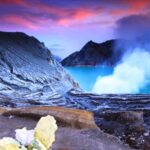
- Sunrise Over the Turquoise Acidic Lake: The Payoff Part
- Seeing Miners’ Daily Life: A Cultural Moment, Not Just a Photo Stop
- Guides and Drivers: Why Personal Attention Changes the Whole Trek
- Price and Value: What $134 Buys (and What It Doesn’t)
- How Hard Is It, Really? Fitness, Health, and Smart Prep
- Who Should Book This Tour (and Who Should Look Elsewhere)
- Should You Book? My Straight Answer
- FAQ
- FAQ
- How much does the Mount Ijen sunrise trekking tour cost?
- Where does pickup happen for this tour?
- What time does the trek start?
- What’s included for safety on the climb?
- Is lunch or dinner included?
- Is the ferry ticket included?
- Is there any extra cost at Ijen?
- Can I get a full refund if I cancel?
Key takeaways before you go
- Private, door-to-door pickup and drop-off from your Bali hotel, so you’re not stitching together rides at 2 a.m.
- Gas mask and flashlight included, which matters on a sulfur-gas volcano.
- Midnight start with a 1.5–2 hour ascent to the crater viewing area.
- Blue fire plus sunrise over the crater lake, plus a look at miners’ daily routine.
- Light refreshment at base after you descend.
- Extra cost to know about: a trolley taxi at Ijen can add USD 50–80.
Blue Fire at Mount Ijen: Why This Sunrise Trek Is Worth the Early Alarm
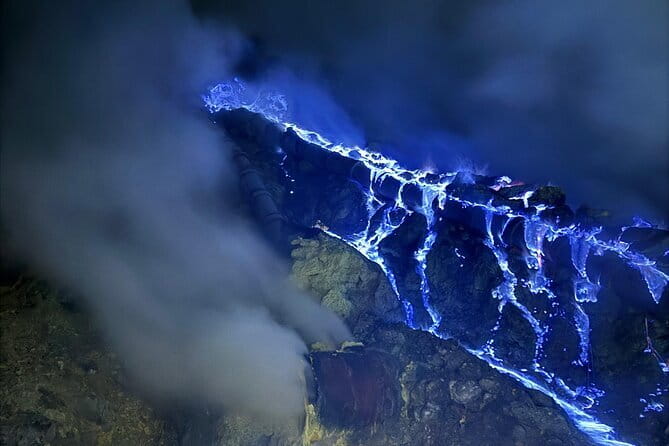
The whole point of this tour is simple: you’re going to Mount Ijen for one of Indonesia’s most unforgettable sights—blue flames rising from sulfuric gases—then you’ll wait it out for sunrise. The timing is everything. You leave Bali, start hiking after midnight, and you’re in position before the light changes.
What makes it special is the mix of spectacle and grit. Yes, you’re chasing a rare glow. But you’re also walking through the working rhythm of traditional sulfur miners, who are out there doing their daily grind. It gives the whole night hike more meaning than just photo ops.
You should also know what you’re signing up for: a dark, cold-feeling hike under challenging conditions. Your tour includes the essentials to keep you safe and functional (gas mask and flashlight), but it still won’t turn into a casual stroll. If you’re the type who hikes by vibes and snacks, this one might test you.
You can also read our reviews of more tours and experiences in Ubud.

From Ubud to East Java at Night: How the Logistics Actually Help You
This is a private tour based in Ubud, with hotel pickup and drop-off included. That’s not just convenience. For a midnight start, it removes the biggest headache: getting yourself to the right place on time while you’re half-awake and tired.
The tour also includes a ferry ticket as part of the route. You’ll be doing some travel time before you even start climbing, and the ferry piece matters because it prevents you from spending your evening figuring out transport schedules on your own.
One practical thing I appreciate: the tour offers English-speaking guidance throughout. You don’t just get dropped at the foot of the mountain. You’re accompanied for the whole experience, which is huge when timing and safety are the priority.
If you’re coming from Bali and want to do Ijen without turning your trip into a logistics project, this setup makes sense. It’s designed to save you from the time sink of sourcing accommodation and transport in the Banyuwangi area on your own.
The Midnight Hike: What You’ll Do in the Dark (and What Your Guide Handles)
After pickup, your plan is built around a climb that starts just after midnight. The hike to the crater area is listed at 1.5–2 hours. That timing is your reality check: you’ll be moving for a while in the dark before you see the big stuff.
The tour includes equipment for the activity, specifically a gas mask and a flashlight. That’s the difference between feeling prepared and feeling stressed. Sulfur gases are part of why the blue fire exists, and having the right safety gear is non-negotiable here.
You’ll also want to remember how night treks work: you’re walking slower than you think because your focus has to stay on footing and breathing. That’s why having a guide matters. In the reviews, guides like Nunu, Mufi, Mufidah, and driver Putu are praised for being helpful and communicative—guiding people step by step, keeping the mood positive, and getting you where you need to be.
A good sign: the tour is described as having essential safety equipment and a guide who stays with you for complete peace of mind. That’s exactly what you want on a night hike that’s not just challenging, but also exposed to volcanic gases.
Blue Fire at Ijen: How to See It Without Losing the Moment
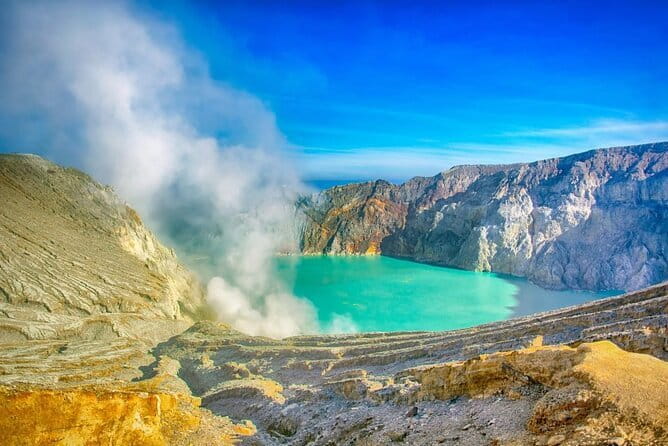
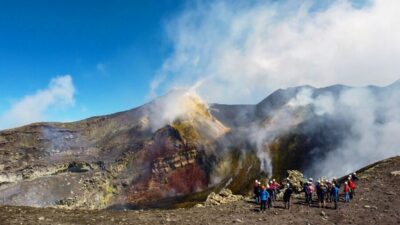
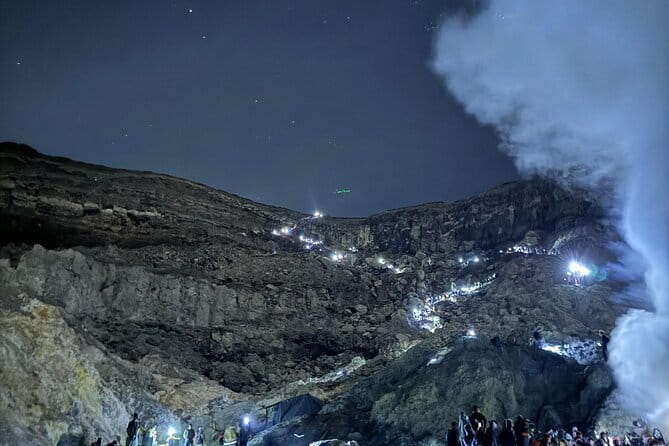
The blue flames come from sulfuric gases bursting near the crater. You’re not just looking at a sunset postcard. You’re seeing a natural reaction happening right where miners work and breathe difficult air.
The viewing experience is brief in the best way. Once you’re in the right spot, you can take photos and watch the flames glow. Then you wait for sunrise as the sky shifts and the crater scene sharpens.
About photos: don’t expect miracles if you’re holding a phone awkwardly in cold dark air. Your flashlight helps you move safely, but your best pictures come from staying calm, using short bursts, and focusing on the glow near the crater rather than trying to capture everything at once.
One review note to keep in mind: crowds can affect your ability to see blue flames clearly. You can’t control the number of people on the mountain. But you can control your response—go early with your tour plan, stay patient, and set expectations for what’s physically possible when many people are in the same viewing zone.
Sunrise Over the Turquoise Acidic Lake: The Payoff Part
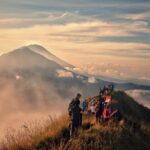
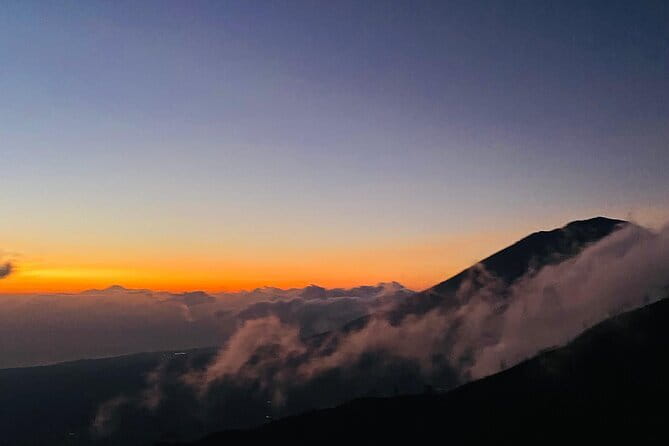
Right after the blue fire moment comes sunrise over the crater lake. The lake is described as turquoise and acidic, which is part of what makes the colors feel so unreal once the light hits.
This is the payoff for the hard start. Sunrise turns the crater into something more defined: shapes show up, visibility improves, and your earlier 2 a.m. struggle stops feeling like a questionable life choice.
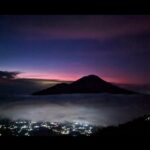
Timing-wise, you’re hiking up under the stars, then descending later and returning to base. The tour includes that full arc so you’re not stuck deciding what to do next in the dark.
Also, the tour notes you’ll return to the base for a light refreshment. That small detail matters because after hours of walking and waiting, you’ll appreciate a moment to reset.

Seeing Miners’ Daily Life: A Cultural Moment, Not Just a Photo Stop
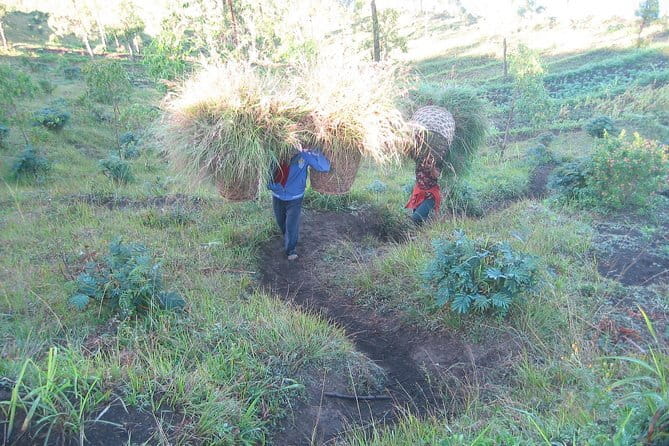
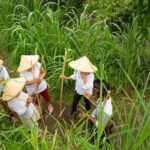
One of the more meaningful parts of this trek is that you pass through the daily routine of traditional sulfur miners. The experience is designed so you can witness that reality along the route, not just the crater spectacle at the end.
This is where your mindset matters. If you treat it only as an Instagram scene, you’ll miss what makes Ijen feel human. The miners are not background characters; they’re the reason the area is active at night and why this site is both famous and intense.
You don’t need a lecture to connect the dots. You’ll see work happening in harsh conditions and you’ll understand why the safety gear is included. The tour helps you move through it with guidance and awareness, which is exactly how you want to approach a place where people do this every day.
Guides and Drivers: Why Personal Attention Changes the Whole Trek
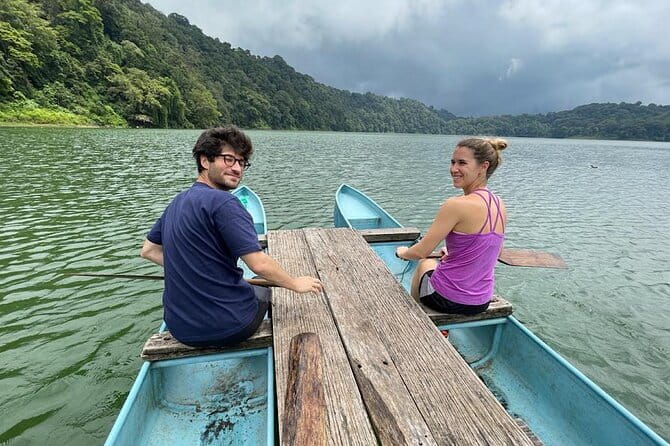
A midnight volcano hike can feel chaotic if your plan is vague. This tour’s strongest advantage is that you’re getting a real guide who accompanies you through the night and keeps things organized.
In the reviews, guides like Nunu and Mufi are singled out for friendliness, energy, and helpful guidance. People also mention the guide taking time to help with photos, and keeping the group moving smoothly. Another name you may see is Putu as the driver, praised as very helpful and service-minded.
Even if you don’t know who your guide will be in advance, the pattern is clear: the operator invests in staff who communicate well and care about getting you to the right spots safely and on time.
That’s the practical side of good guiding:
- You know when to move and when to pause.
- You don’t waste effort asking the same questions repeatedly.
- You get help handling the basics of safety and timing.
Price and Value: What $134 Buys (and What It Doesn’t)
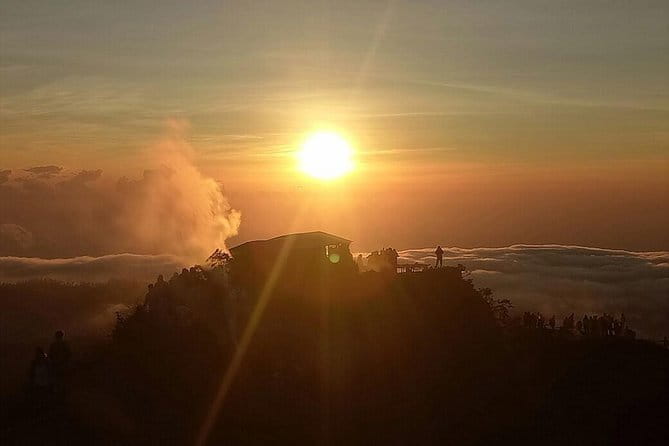
At $134 per person, this is not cheap, but it’s also not random. You’re paying for the whole package: air-conditioned vehicle, hotel pickup and drop-off, a private transportation plan, and the ferry ticket. On top of that, you get gas mask and flashlight, plus an English-speaking guide for the whole experience.
Now, compare that to the typical alternative: you DIY transport to the Ijen access area, sort your ferry crossing, and then try to locate safety equipment and a guide at odd hours. That can be done, but the stress and time cost can hit hard when your hike starts after midnight.
What’s not included is also important. Lunch and dinner are not included, and you’ll need to plan for meals around the trek. You’ll likely get a light refreshment at base, but you shouldn’t assume it covers full meals.
There’s also an additional cost at Ijen: the trolley taxi service can require USD 50 to USD 80. If you don’t know you’ll need it, ask your guide in advance or be ready for the possibility once you’re on-site.
Group discounts are listed as a feature, but the tour is also described as private, meaning only your group participates. In practice, that usually means the price can be best when you’re traveling with someone. If you’re solo, you still might get the best experience with a private setup, but you’re less likely to split the cost.
How Hard Is It, Really? Fitness, Health, and Smart Prep
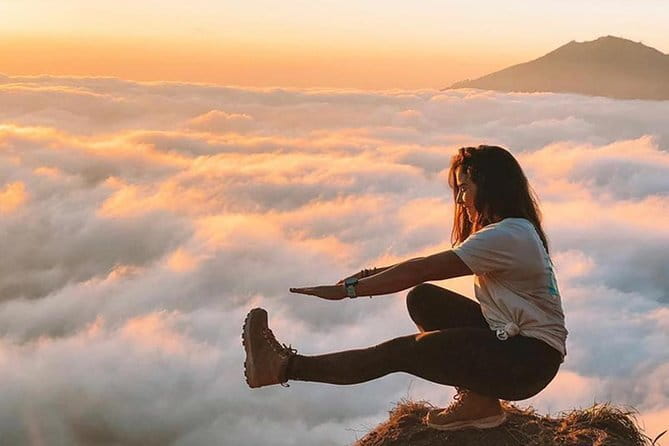
This tour asks for moderate physical fitness. That lines up with the hike time: 1.5–2 hours up at night, then you come back down.
It also lists several health cautions:
- People with high blood pressure
- People with altitude sickness
- Babies under 3 years
If any of those apply to you, don’t treat it like a minor note. Talk to a medical professional first and take your body’s limits seriously. A guide and safety equipment help, but they can’t override health risk.
What I’d tell you as a practical prep rule: plan to move steadily, not fast. Night hikes punish quick pacing because you’re focused on footing and breathing. If you’re unsure about your endurance, choose the calm pace. You’ll see more and worry less.
Also, remember you’re dealing with sulfuric conditions. That gas mask isn’t optional. Use it exactly as instructed by your guide.
Who Should Book This Tour (and Who Should Look Elsewhere)
This is a strong fit if you:
- Want blue fire and sunrise in one organized overnight plan
- Prefer having a guide with safety gear rather than improvising at 1 a.m.
- Like early starts and can handle a night hike with patience
It may be a poor fit if you:
- Have health concerns like high blood pressure or altitude sickness
- Want a leisurely walk and lots of downtime
- Don’t want to pay possible extra fees like the trolley taxi at Ijen
If you’re traveling in a pair or small group and want the best chance to see the phenomena without turning your Bali trip into a transport puzzle, this is one of the more practical ways to do Ijen from Ubud.
Should You Book? My Straight Answer
If your priority is to see Mount Ijen blue fire plus sunrise over the crater lake, and you want that done with private door-to-door transport and a guide who stays with you all night, then yes, this is worth considering.
Just be honest about the hike. You’re moving in the dark for 1.5–2 hours to reach the crater area, and the environment is intense. If you’re healthy enough for moderate trekking and you’re prepared for an early, challenging night, this tour delivers a memorable “wow” moment with less logistical stress than DIY.
FAQ
FAQ
How much does the Mount Ijen sunrise trekking tour cost?
The tour price is listed at $134.00 per person.
Where does pickup happen for this tour?
The tour is based in Ubud, Indonesia and includes hotel pickup and drop-off with private transportation.
What time does the trek start?
The hike starts just after midnight.
What’s included for safety on the climb?
The activity equipment includes a gas mask and a flashlight.
Is lunch or dinner included?
No. Lunch and dinner are not included.
Is the ferry ticket included?
Yes, the ferry ticket is included in the tour.
Is there any extra cost at Ijen?
Yes. The trolley taxi service at Ijen may require an additional fee of USD 50 to USD 80.
Can I get a full refund if I cancel?
Yes. You can cancel up to 24 hours in advance for a full refund. Within 24 hours of the experience start time, the amount paid is not refunded.