REVIEW · KATHMANDU
Langtang valley trek
Book on Viator →Operated by Gokyo Treks and Expedition Pvt Ltd · Bookable on Viator
A yak story, a high pass, and lake-blue silence all in one trek. This Langtang Valley trek package stitches together Langtang’s famous mountain side with the Gosainkunda pilgrimage lakes and the quieter Helambu villages, so you’re not just hiking in a straight line for days. You’ll also cross big altitude moments like Tserkuri (4,900m) and reach the 15,187 ft / 4,630m pass area that puts you near the edge of Kathmandu.
I like how the trip focuses on practical comfort: you get lodge accommodation in the mountains and meals while you trek, run by locals who keep things simple and solid. I also like that the support is built in, not tacked on: an English-speaking licensed guide and a porter arrangement (1 porter per 2 guests) plus the key Langtang National Park permits.
The one drawback to think about is altitude and weather. You’ll be working around high elevations (including 4,630m and 4,900m), and the route can include cold and wet days, so you’ll want to plan for slower pacing and warm layers.
In This Review
- Quick Highlights Worth Knowing
- Why This Langtang Valley Trek Combo Makes Sense in 6 Days
- Kathmandu Setup: The Transport That Keeps You From Burning Days
- From Syabrubensi Toward Langtang’s Core Valley
- Tserkuri Peak Crossing (4,900m): The Moment You Feel It
- Gosainkunda and the Lake Goal: Spiritual Hiking at High Elevation
- Helambu Villages: Buddhism, Community, and a Different Pace
- Lodges and Food: What Included Meals Actually Do for You
- Guides, Porters, and Permits: Where the Value Lives
- What a Trek Like This Costs in Real Terms (and How to Budget Better)
- Who This Trek Suits (and Who Should Rethink Timing)
- Should You Book This Langtang Valley Trek Combo?
- FAQ
- What’s included in the Langtang Valley trek package?
- Are lodge rooms private with attached bathrooms?
- Do I need a visa for Nepal?
- Is travel insurance included?
- How does porter support work?
- What’s the cancellation policy?
Quick Highlights Worth Knowing
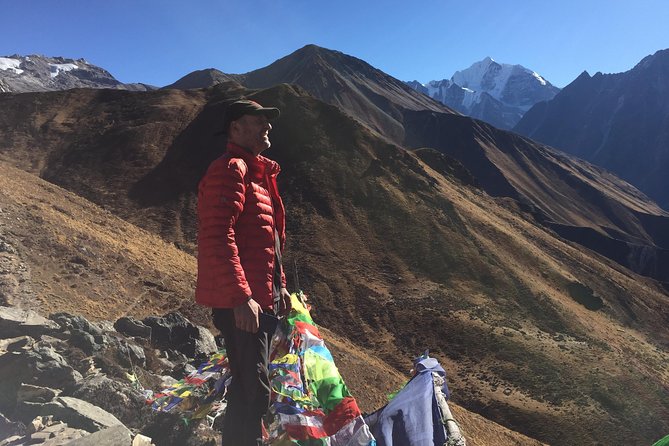
- Langtang + Gosainkunda + Helambu, in one connected route so the trek feels like a story, not transfers in between.
- High points you can actually talk about, including Tserkuri (4,900m) and the 15,187 ft / 4,630m pass zone.
- Lodge stays with local hosting, meaning you’re eating where people live, not in a tourist bubble.
- Guide and porter included, with English-speaking support and a clear porter-to-guest ratio.
- Permits handled (Langtang National Park) so you’re not scrambling for paperwork mid-trip.
- Strong review record for organization and care, with guides like Rajesh, Prem, Bishnu, and Kamal getting praise.
Why This Langtang Valley Trek Combo Makes Sense in 6 Days
If you only have about a week, you want your days to count. This route is built for that. You’re not just doing the classic Langtang bowl; you’re also getting the Gosainkunda lakes pilgrimage side and then rolling into Helambu, where village life and Buddhism show up in how people live and move through the day.
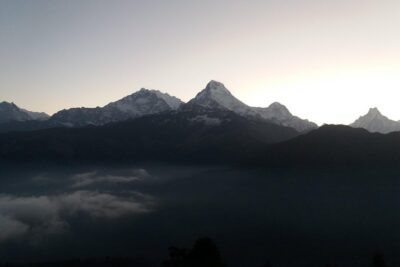
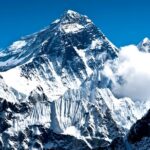
The trekking country here sits in the wider Langtang Himalayan range dominated by peaks like Langtang Lirung (7,227m) and Xisapangma (8,103m), with other high neighbors from the Gnash Himal family. Even if you’re not climbing summits, knowing those names helps you “read” what you’re looking at on the trail.
What makes this trek feel especially rewarding is the variety in the terrain and goals:
- Langtang feels like a mountain valley experience with a strong sense of place.
- Gosainkunda gives you a spiritual reason to push higher.
- Helambu brings a culture layer: monasteries, Buddhism, and smaller village rhythms.
And yes, you’ll be thinking about your altitude often. But that’s also part of why the views and the sense of accomplishment land so well.
You can also read our reviews of more tours and experiences in Kathmandu.
Kathmandu Setup: The Transport That Keeps You From Burning Days
Most Nepal treks waste time at the start. This one tries not to.
You’re in Kathmandu, and the package includes bus transfer from Kathmandu to Syabrubensi and back to Kathmandu. Pickup is offered, and the meeting point is near public transportation, so you’re not locked into one awkward check-in time.
Syabrubensi matters because it puts you closer to the trail system sooner. Instead of spending a whole day just reaching the trekking start, you get the move toward the mountains earlier. That translates into two real benefits:
- You start hiking when your body is still fresh.
- Your schedule feels like a trek, not a travel montage.
If you’re the type who hates early-morning chaos, this helps.
From Syabrubensi Toward Langtang’s Core Valley
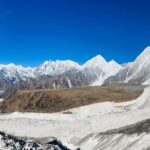
Once you begin trekking, the vibe changes fast. You leave Kathmandu’s noise and get into that valley-feel: stone paths, pine shadows (if the season is right), and gradual altitude gains that let you settle into rhythm.
You’ll spend 6 nights lodge accommodation in the mountains, and the trekking-day lodges are noted as without attached bathrooms. Translation: expect basic comforts, clean enough, and hot water only if the lodge can manage it. Bring patience and pack for practicality.
This is also where you’ll start noticing the route’s character. In the Langtang region, the trail tends to feel like a living corridor through communities. One of the reasons people love trekking here is the mix of mountain effort and human contact: you’re greeted, fed, and guided by local staff who know the trail.
Tserkuri Peak Crossing (4,900m): The Moment You Feel It
One of the itinerary’s standout altitude markers is Tserkuri at about 4,900 meters. That’s not a “just another number” elevation. Once you’re climbing and operating at that height, everything gets simpler in a good way:
- Your pace slows because it has to.
- Your breathing becomes the main task.
- Your attention locks in on the next small goal (a bend in the path, a lodge light on the ridge, the sound of the stream).
This is where the trek’s structure works for most people: the lodge stays and included meals help keep energy consistent. You’re less likely to skip food or run low because the schedule gives you regular stopping points.
The other thing I like about this kind of trek is that it’s not only about getting “to the top.” You’re also moving through sections that reveal how the region is shaped by high terrain, wind, and snow conditions. Even when skies don’t cooperate, you’ll still feel the altitude change.
Gosainkunda and the Lake Goal: Spiritual Hiking at High Elevation
Then you shift into the Gosainkunda side, and this is where the trek becomes more than just exercise.
Gosainkunda is described as an important pilgrimage destination, and there’s even a story behind the valley name: the legend says a lama followed a runaway yak and discovered the valley. The name itself ties back to meaning in Tibetan—Lang for yak and Tang/Dhang for follow.
That story is more than trivia. When you reach pilgrimage lakes, you can often feel the difference in how people move: the purpose changes the mood of the day. You’re still hiking hard, but there’s a reason that makes the effort feel focused.
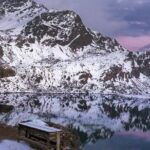
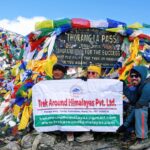
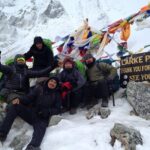
On this trek, the high point tied to the lake area is given as 15,187 ft (4,630m), mentioned with Suryakunda lakes and a high pass. That’s the moment where you’ll likely experience cold wind, low oxygen, and the kind of tired you only get when the trail is up and your body has to work.
Practical advice: treat that day like a slow job, not a race. If you pace carefully, you get the best of it: the lake payoff and that quiet satisfaction after pushing higher.
Helambu Villages: Buddhism, Community, and a Different Pace
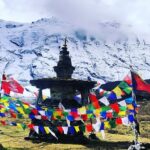
After the big altitude work, Helambu villages add a different flavor. The route describes Helambu as a great place to discover Buddhism, and that shows up in how villages function: smaller structures, prayer flags and spiritual signs, and a daily rhythm that feels less focused on hikers.
This section is valuable because it changes what you remember. Langtang and Gosainkunda often dominate the photos. Helambu changes what the trek means. It becomes more about people and culture—how communities live alongside the mountains you’ve been walking beneath.
It’s also a nice emotional shift. When you’ve worked hard at altitude, a quieter village environment can feel like a reward, even if the walking continues.
Lodges and Food: What Included Meals Actually Do for You
This tour includes a clear food structure:
- Breakfast (5)
- Lunch (6)
- Dinner (6)
That matters more than it sounds. On multi-day treks, breakfast usually decides whether you start strong or sluggish. Included meals reduce the chance you’ll skip calories to save time. It also keeps you from hunting for food options when you’d rather rest.
The package also says accommodation is comfortable with delicious cuisines run by local inhabitants. You should still expect basic lodge reality: shared dining rooms, simple menus, and the fact that there’s no “normal” restaurant convenience at altitude. But the consistency is the point.
Also note what’s not included: any drinks and deserts while on trek aren’t part of the deal. That’s totally normal for trekking packages, but it’s worth budgeting so you’re not surprised by add-ons.
Guides, Porters, and Permits: Where the Value Lives
At $618.75 per person, the best way to judge value is to look at what’s already handled for you.
Included:
- English-speaking licensed trek guide
- Porter system (each 2 guest 1 porter basis)
- Langtang National park permits
- Food and accommodation and salary of Nepali trekking staff
- Bus transfer both ways
- Taxes/VAT/service charge
Not included:
- Nepal entry visa fee (US$ 40)
- Kathmandu meals
- Battery charges, laundry, phone calls, showers
- Personal gear and clothing
- Travel insurance (mandatory in case of emergency)
- Tips (not compulsory but expected)
- Donations/monument fees
- Drinks and deserts while on trek
Here’s the real value: you’re paying for local expertise and risk management support, not just beds and snacks. The permits and licensed guide are part of keeping the trek legal and organized. The porter arrangement helps you hike longer with less strain, especially when you’re dealing with passes like Tserkuri and the 4,630m zone.
And the human side matters too. The provided feedback highlights guides like Rajesh, Prem, Bishnu, and Kamal for being professional, patient, and genuinely caring. When guides explain what you’re looking at and take care of you on tougher stretches, you feel it immediately in how the trek flows.
What a Trek Like This Costs in Real Terms (and How to Budget Better)
Yes, the price is clear. But your spending still depends on you.
Plan for:
- Visa: US$ 40
- Travel insurance: required
- Tips: expected (even if not compulsory)
- Extra comfort items: battery charges, laundry, phone calls, showers
- Drinks/desserts during the trek
Your biggest financial lever is your Kathmandu comfort level. The notes say if you want luxury accommodation in Kathmandu, that’s extra. If you’re cost-conscious, you can keep Kathmandu simple so you can spend where it counts: extra layers, better socks, and whatever comforts help you sleep.
One smart move: don’t treat altitude gear like an afterthought. The listing doesn’t provide personal clothing or equipment. If you show up underpacked, you’ll pay in stress (and often in emergency purchases at the last minute).
Who This Trek Suits (and Who Should Rethink Timing)
Most travelers can participate, and this is designed to be doable because of the lodge setup, the included meals, and the guided support.
This trek is a great fit if you:
- Want an active week without complicated logistics
- Like a route with multiple goals (valley, lakes, village culture)
- Prefer English-speaking guidance and a structured support team
- Appreciate that you’ll be in lodges, not camping
You should consider whether this trek matches your body and experience level if you:
- Struggle with altitude or know you’re sensitive to oxygen changes
- Hate cold/wet conditions and aren’t willing to layer up
- Expect hotel-style bathrooms every night (trekking lodges do not include attached bathrooms)
Should You Book This Langtang Valley Trek Combo?
I’d book it if you want a trekking week that feels like Nepal beyond the airport-to-hotel bubble. The biggest reasons are the built-in structure—guide, porter support, permits, and meals—and the way the route connects Langtang, Gosainkunda, and Helambu so you’re not repeating the same day over and over.
Before you say yes, do two quick checks:
- Are you ready for altitude at 4,900m and the 4,630m pass zone? If yes, you’ll likely love how the views and lake payoff land.
- Are you okay with basic lodge accommodations (no attached bathrooms)? If you can handle that, the comfort level becomes predictable instead of stressful.
If those boxes work for you, this is strong value for what you get: a well-supported, high-effort trek with real cultural moments along the way.
FAQ
What’s included in the Langtang Valley trek package?
It includes 6 nights of lodge accommodation in the mountains, bus transfers between Kathmandu and Syabrubensi (and back), an English-speaking licensed trek guide, porter support (each 2 guests 1 porter), Langtang National park permits, and meals during the trek (breakfast 5, lunch 6, dinner 6). It also covers food and accommodation plus staff salary and service charges/taxes.
Are lodge rooms private with attached bathrooms?
Trekking-day lodge accommodation is listed as without attached bathrooms. You’ll be staying in lodges during the mountain nights as part of the trek.
Do I need a visa for Nepal?
Yes. The Nepal entry visa fee cost is listed as US$ 40, and it is not included in the tour price.
Is travel insurance included?
No. Travel insurance is not included and is described as mandatory in case of emergency.
How does porter support work?
The package states an English-speaking licensed trek guide and a porter setup of each 2 guests for 1 porter.
What’s the cancellation policy?
Free cancellation is offered. You can cancel up to 24 hours in advance of the experience’s start time for a full refund. If you cancel less than 24 hours before, the amount paid is not refunded.