REVIEW · KATHMANDU
From Kathmandu: Private 14-Day Everest Base Camp Trek
Book on Viator →Operated by Cordial Trek Pvt. Ltd. · Bookable on Viator
Everest Base Camp is a bucket-list trek for a reason. You get the classic Khumbu route: flights into Lukla, acclimatization in Namche Bazaar, then the long walk to Everest Base Camp and the big viewpoint climb to Kala Patthar.
I like how the trip is built around pacing. You’re not just rushing uphill—you get time to adjust in Sherpa country before you go higher. I also like the “you show up, we handle the mountain admin” approach, with guides, porters, permits, national park fees, airport transfers, and a down jacket and sleeping bag included.
One drawback to consider: this is weather-and-altitude country. If mountain conditions mess with flight plans, the experience can shift, even if the trek itself is well planned.
In This Review
- Key things to know before you go
- The Classic Everest Base Camp Timeline, Without the Guesswork
- Kathmandu Arrival: Settle In and Don’t Overplan Day One
- Lukla Flights: The Most Important Short Flight You’ll Ever Take
- Day-by-Day Trekking: What Each Stop Really Does for You
- Phakding to Namche Bazaar: First Big Altitude Step
- Namche Acclimatization: Explore, Then Regulate
- Namche to Deboche: Forest Paths to Monastery Views
- Deboche to Dingboche: The Altitude Line Starts to Feel Real
- Dingboche Acclimatization: Give Your Body a Working Chance
- Dingboche to Lobuche: Approaching the Glacier Neighborhood
- Lobuche to Gorakshep and Everest Base Camp: The Big Payoff
- Kala Patthar Morning: Early Start, High Reward
- Return Down to Namche via Tengboche: Views Plus Culture
- Namche to Lukla via Phakding: The Long Walk Out
- The Team Side: What You Gain When Your Guide Watches the Details
- What You’re Paying For: $1,650 Value vs. Real Costs
- Gear and Packing: Use the Included Equipment, But Plan Smart
- Who Should Book This Trek (and Who Should Think Twice)
- Should You Book from Kathmandu with This 14-Day Plan?
- FAQ
- How long is the Everest Base Camp trek?
- Is this tour private?
- Are flights to Lukla included?
- What are the highest points on the trek?
- Does the package include trekking gear?
- What’s included for permits and park fees?
- Are meals included?
- Do I need travel insurance?
- Is the Nepal visa included?
- Is there anything extra if I travel solo?
Key things to know before you go
- Lukla flight is part of the deal: short flight time, high-stakes landing.
- Acclimatization is scheduled on purpose: Namche and Dingboche aren’t just pit stops.
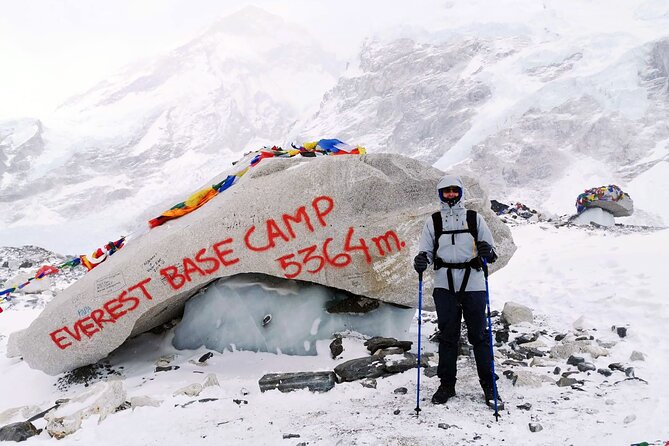
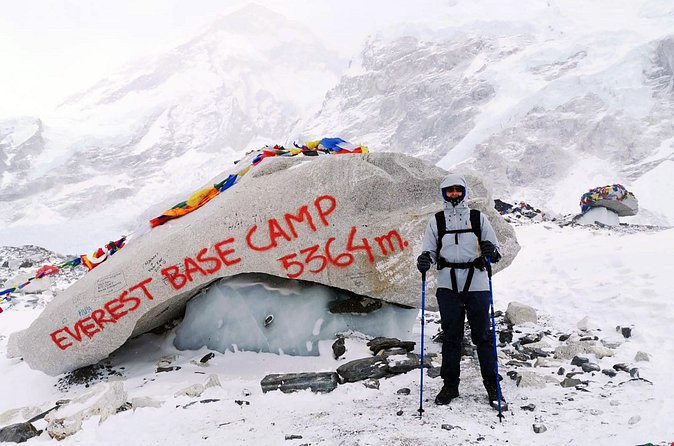
- EBC comes with altitude reality: Everest Base Camp sits at 5,364 m.
- Kala Patthar is the payoff climb: early start and a max point of 5,545 m.
- Your trekking team matters: the guide and porter support is a repeat highlight in real feedback.
The Classic Everest Base Camp Timeline, Without the Guesswork
This trek follows the same story that made Everest famous—just with more steps. Day after day you move through Khumbu Valley villages, watching the mountain scale change as you gain elevation. It’s not just about reaching Everest Base Camp. It’s about learning how your body reacts as the air thins and the views keep stacking up.
What makes it feel “classic” is the rhythm. You gain altitude, then you pause. You explore a town, then you walk out toward higher ground. That back-and-forth is how trekkers survive this route with fewer surprises.
I also appreciate the way the itinerary points you toward the big moments:
- a Sherpa market town morning and afternoon in Namche Bazaar
- the walk up to EBC at 5,364 m
- and the early hike toward Kala Patthar at 5,545 m, a high viewpoint that often changes your whole perspective on the trip
You can also read our reviews of more tours and experiences in Kathmandu.
Kathmandu Arrival: Settle In and Don’t Overplan Day One
On your first day, you land in Kathmandu and get met by a Cordial Trek representative. You’ll transfer to your hotel and get your bearings in the evening. That matters more than people think. Kathmandu isn’t the problem on the way to Everest—it’s what you do in your head before you leave.
A good approach is to keep your plans simple:
- hydrate
- eat something easy
- sleep early
- and avoid adding activities you can’t control
This package includes airport transfers, so you don’t have to figure out transport after a long travel day.
Lukla Flights: The Most Important Short Flight You’ll Ever Take
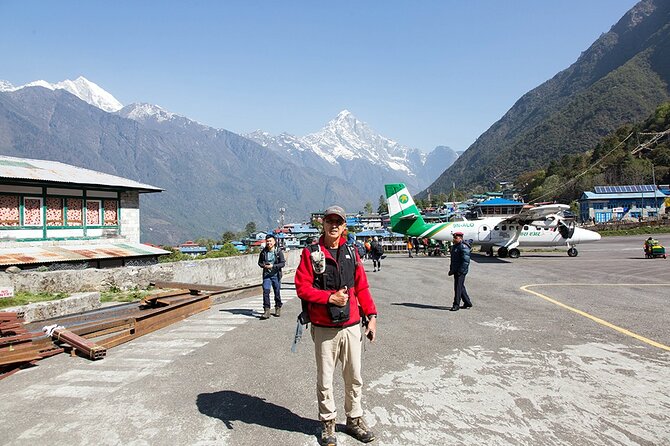
Next comes the flight from Kathmandu to Lukla (Tenzing Hillary airstrip). The listed flight time is about 30 minutes, but treat it like a full event. Lukla is known for being one of the tougher airports in the world, and your timeline depends heavily on conditions.
What you get here is domestic flights included, so you’re not starting your trek with extra ticket hunting. You also get support staff and a guide/porter system ready to move from the airstrip into the trek.
Practical tip: if you’re the type to stress over details, use that energy now. Once you’re on the trail, you’ll have plenty to manage—breath, pace, and the “is that a cloud or the mountain playing tricks on me” factor.
Day-by-Day Trekking: What Each Stop Really Does for You
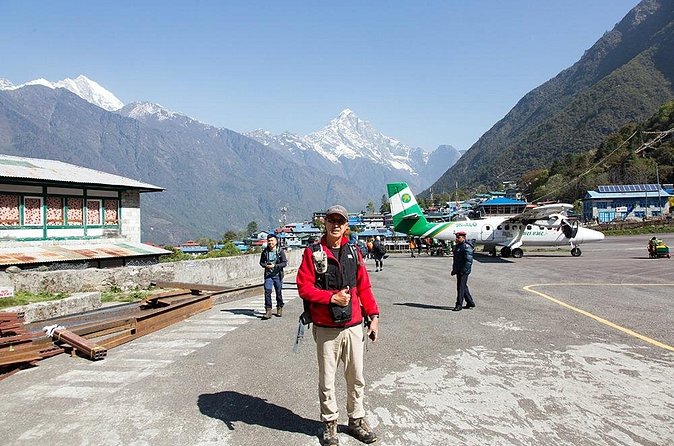
Below is the heart of the experience—what the stops mean, what to expect, and where the main effort goes.
Phakding to Namche Bazaar: First Big Altitude Step
You start with a hike from Phakding to Namche Bazaar, about a 6-hour day with a max altitude around 3,438 m. This is where you feel the change in effort level. Even if you’re fit, your breathing will ask for slower steps.
Namche is also where the culture and logistics start mixing. You’re not just passing through. You get to explore the town and settle into the Everest rhythm—cafes, views, and the sense that everyone around you is here for the same reason.
Namche Acclimatization: Explore, Then Regulate
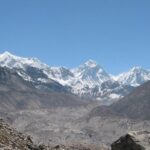
The next day is an acclimatization day in Namche, staying around 3,438 m. This is when you’re guided through altitude-smart choices instead of random walking. You also get an excursion to an Everest View Point area near Hotel Everest View, which is famous for the panoramic mountain views.
In simple terms: you’ll walk a bit, look a lot, and avoid the mistake of going too hard just because you feel good.
Namche to Deboche: Forest Paths to Monastery Views
Now the trek turns toward Deboche, around 3,820 m. This segment is roughly 6 hours. It’s a classic Khumbu day: stone steps, open views when weather cooperates, and a feel for how monasteries anchor the region’s spiritual life.
Deboche to Dingboche: The Altitude Line Starts to Feel Real
You head to Dingboche (about 4,360 m) over around 5 hours. This is a turning point day because you’re moving deeper into the higher elevations where sleep and appetite can change. The trek also passes through the area around Lobuche river mentioned in the plan, adding to the sense that you’re traveling through the glacier zone ecosystem.
Dingboche Acclimatization: Give Your Body a Working Chance
Another acclimatization day follows in Dingboche at about 4,360 m. The plan includes guidance to a local hike (details in the route description) and time to adjust. This is the day you learn whether you’re the type who gets headaches or fatigue early. Either way, the pacing is designed to help.
Dingboche to Lobuche: Approaching the Glacier Neighborhood
Next you walk to Lobuche, reaching a max around 4,940 m. Plan for a 4–5 hour effort. This is when the cold can feel sharper and the environment looks more “Everest.” The glacier presence becomes harder to ignore, even from a distance.
Lobuche to Gorakshep and Everest Base Camp: The Big Payoff
On day nine, you trek up to Gorakshep (listed at 5,164 m) and then continue to Everest Base Camp at 5,364 m. It’s a long push at altitude, and the day often feels both satisfying and exhausting at the same time.
Here’s how I suggest you frame it in your head: treat EBC as a destination, not a finish line. Yes, you’ll celebrate. But you’ll also need to conserve energy for the next day’s viewpoint climb.
Kala Patthar Morning: Early Start, High Reward
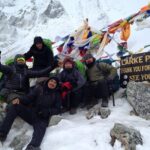
The itinerary includes an early trek from Gorakshep to Kala Patthar with a max elevation around 5,545 m. That’s a serious height. Even if the climb looks straightforward on paper, you’ll feel it in your legs and breathing.
If weather is clear, this is where the mountains tend to look closest—big and dramatic, not postcard-flat. It’s also the part where that “why am I doing this?” question turns into “okay, wow.”
Return Down to Namche via Tengboche: Views Plus Culture
After Kala Patthar, you retrace your route back toward Namche Bazaar, stopping through Tengboche. This section is described as 6–7 hours. The return leg has two advantages: you move downhill more often, and you also get cultural context again on the way back.
Namche to Lukla via Phakding: The Long Walk Out
Then it’s back to Lukla, trekking via Phakding for about 7–8 hours. Even if you’re tired, this day can still be enjoyable if you focus on keeping your steps steady rather than “trying to be fast.”
The Team Side: What You Gain When Your Guide Watches the Details
This is one of those treks where your guide is not a passenger. In real feedback, the most praised elements were about organization and care, not just route knowledge.
Names that come up in the feedback include guides Raj Tamang, Prakash (mentioned as Prakash Neupan), and Pratip. Porters were highlighted too, including Surendra. A manager named Ramesh is also mentioned as attentive.
The big practical point: you want a guide who monitors how people are actually doing, not just where they are on a map. Several comments praised guides for checking wellbeing and making systematic recommendations based on conditions. That kind of attention can change how confidently you handle altitude days, especially if you’re unsure about your own limits.
What You’re Paying For: $1,650 Value vs. Real Costs
At $1,650 per person, this trek is priced like a full-service package. It’s not the cheapest way to do Everest Base Camp, but it’s also not just selling you a vague plan.
Included items you should treat as real value:
- Domestic flight tickets KTM–LUA–KTM
- Experienced trekking guide and a Sherpa porter
- Accommodations along the route
- Trekking permits and national park fees
- Down jacket, sleeping bag, and duffle bag
- Airport transfers
- A trekking map and a trip certificate
- Multiple meals (breakfast, lunch, dinner counts are listed, but not every meal)
Not included (budget these early):
- Nepal visa
- Travel insurance (required)
- Personal expenses
- Gratitude for guide and porter
- Any unspecified meals
- A solo traveler surcharge if you book as one person
My take on value: you’re paying to reduce friction. Flights, permits, gear, and logistics are the “invisible” parts that can ruin a first-time Everest attempt. If you’d rather spend your energy acclimatizing and hiking instead of chasing paperwork and equipment, this package is doing the heavy lifting.
Gear and Packing: Use the Included Equipment, But Plan Smart
The package provides a down jacket, sleeping bag, and duffle bag. That’s helpful if you don’t already own cold-weather gear. It also means your carry load can stay manageable.
Still, you’ll want to plan for the basics you bring yourself:
- warm layers under the provided jacket (if you need them)
- a reliable daypack
- gloves and a hat for early mornings
- water strategy and snacks, since you’ll be at altitude and moving for hours
The trail will ask for calm, not hero gear. Think warm, light, and consistent.
Who Should Book This Trek (and Who Should Think Twice)
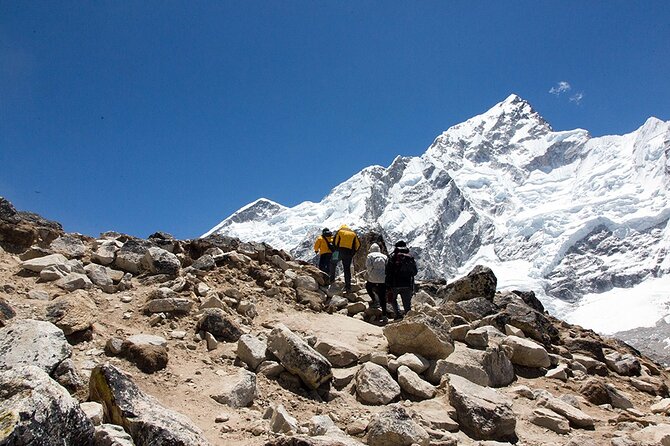
This itinerary is a good fit if you:
- want a private experience (your group only)
- can handle moderate physical fitness demands with steady uphill walking
- want the classic Everest Base Camp experience with planned acclimatization
- prefer having permits, flights, and equipment handled for you
You might want to rethink if you’re not comfortable with altitude exposure or if you’re relying on predictable flight schedules without any flexibility. Weather can affect what happens around Lukla. This route is designed to keep things moving, but it’s still Nepal and Everest.
Should You Book from Kathmandu with This 14-Day Plan?
If you want the standard Everest Base Camp route done in a structured, well-managed way, I’d say yes—especially for first-timers. The big reasons are simple: you get Lukla flights included, acclimatization days built in, and a support team that’s praised for attentiveness.
Book with confidence if you’re okay with cold, early mornings, and a slow-but-steady pace. Pass if you’re looking for an easy walk or a fully predictable schedule regardless of mountain conditions.
If you do book, pack smart, listen to your guide on acclimatization days, and treat Kala Patthar as the kind of moment that rewards preparation more than speed.
FAQ
How long is the Everest Base Camp trek?
The itinerary runs for 14 days, with activities scheduled from Kathmandu to Lukla and back, plus time at Everest Base Camp and Kala Patthar.
Is this tour private?
Yes, it is listed as a private tour/activity, meaning only your group participates.
Are flights to Lukla included?
Yes. Domestic flight tickets KTM–LUA–KTM are included.
What are the highest points on the trek?
Everest Base Camp is listed at 5,364 m. Kala Patthar is listed with a max elevation around 5,545 m.
Does the package include trekking gear?
Yes. Down jacket, sleeping bag, and a duffle bag are included.
What’s included for permits and park fees?
Necessary trekking permits and national park fees are included.
Are meals included?
Multiple meals are included: breakfast (13), lunch (11), and dinner (12). Personal expenses and any unspecified meals are not included.
Do I need travel insurance?
Yes. Travel insurance is listed as compulsory and is not included.
Is the Nepal visa included?
No. Nepal visa is listed as not included.
Is there anything extra if I travel solo?
A surcharge for solo travelers is listed as not included.