REVIEW · KATHMANDU
Everest Three Pass Trek
Book on Viator →Operated by Adventure Bound · Bookable on Viator
Three passes over 5,000 meters is a big idea. This Everest trek is built around Khongma La, Cho La, and Renjo La, three snow-covered crossings that push you through the classic Khumbu high-country feel.
What I like most is the clear sense of purpose: you’re not just hiking “around Everest,” you’re earning a route that climbs and challenges at altitude, day after day. I also like the practical support in the package—private airport pickup and ground transport, flights Kathmandu–Lukla–Kathmandu, full-board meals on the trek, plus a licensed English-speaking guide and key permits like TIMS and Sagarmatha National Park fees. One consideration: you need a strong fitness base and comfort with altitude. This is demanding, and the schedule leaves little room for a slow pace.
In This Review
- Key things to know before you go
- Why the Three Passes trek feels like a real Khumbu test
- Your route at a glance: Kathmandu, Lukla flights, lodge trekking, return
- Khongma La, Cho La, Renjo La: what each pass demands
- Price and logistics: what $2,200 really buys you
- Lodges, meals, and warm-weather reality checks
- Guides, language, and solo confidence in the mountains
- Fitness requirements you should treat as real, not vague
- What to pack (and what to plan to pay for)
- Common trade-offs on a three-pass trek
- Should you book Adventure Bound’s Everest Three Pass Trek?
Key things to know before you go
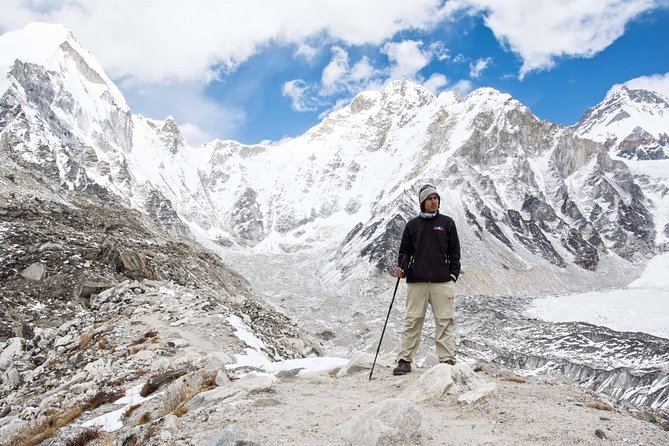
Three major high passes (over 5,300m) set the tone for the whole trek
Full-board lodge trekking means breakfast, lunch, and dinner are included on the trail
Guide support is a big deal: the operator uses licensed English-speaking guides and groups have included multilingual help (including Japanese communication)
Essential permits are handled: TIMS and Sagarmatha National Park fees are included
Gear help is provided if needed: a down jacket and sleeping bag are included on request
Not everything is included: travel/rescue insurance, Nepal visa fee, tips, and personal expenses like wifi or battery charging aren’t part of the package
Why the Three Passes trek feels like a real Khumbu test
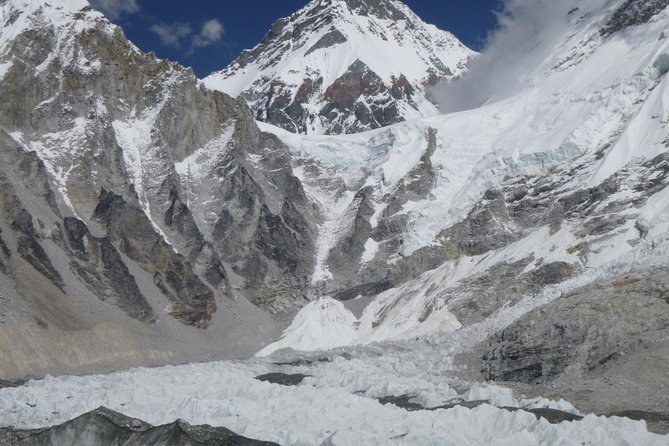
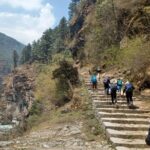
This trek earns its reputation because it’s organized around altitude crossings, not just scenery chasing. Three passes is a pattern your body feels. You spend long stretches working at high elevation, then you face each pass as its own hurdle—weather, snow conditions, and how your legs handle repeated climbs and descents.
I also like that the focus stays grounded. The product is essentially: you’ll trek in the Everest region, you’ll stay in lodge accommodations, and you’ll move toward those three high points. That makes planning easier, because you can think in terms of effort level and stamina rather than guessing whether there will be “easy” days.
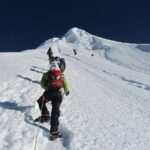
The trek is described as one of the more adventurous options in the world, and that fits the reality of the route. When your itinerary centers on high passes like Kongma/Khongma La, Cho La, and Renjo La, you’re signing up for cold mornings, long days, and the kind of fatigue that sticks around overnight.
You can also read our reviews of more tours and experiences in Kathmandu.
Your route at a glance: Kathmandu, Lukla flights, lodge trekking, return
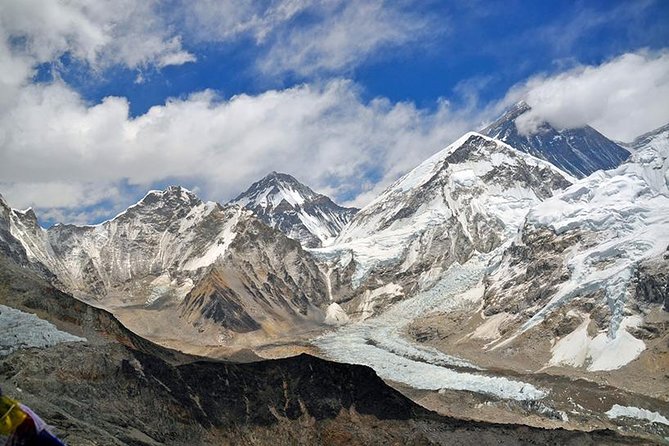
The trip is about 17 days in length (approx.), with flights that matter logistically: you’ll fly Kathmandu to Lukla and back. That flight saves you a lot of walking compared to starting on the lowlands, but it also means you should expect the trek to begin in earnest fairly quickly after you arrive.
In Kathmandu, you get two nights in a standard hotel with breakfast. That’s valuable for two reasons. First, you can sort essentials like final gear checks and paperwork. Second, you get a calm start in a city that can feel chaotic if you’re under-prepared.
During the trek, you’ll do twin-sharing lodge accommodation and full-board meals (breakfast, lunch, and dinner). Lodge life is part of the experience in the Khumbu: it’s not “luxury,” but it’s dependable. It also helps you stay consistent because meals are handled and you’re not constantly budgeting time for finding food.
The “return” side is straightforward in concept: once you finish the high crossings, you work your way back toward Lukla for your Lukla–Kathmandu flight. The main thing you’ll want to plan around here is how you’ll feel after repeated altitude days—this is where pacing and rest become more important than speed.
Khongma La, Cho La, Renjo La: what each pass demands
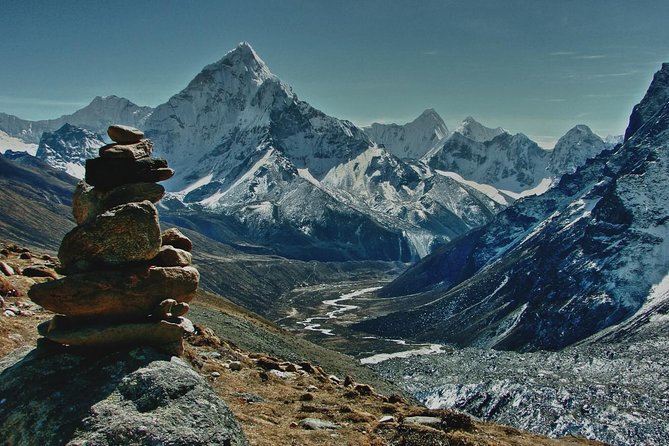
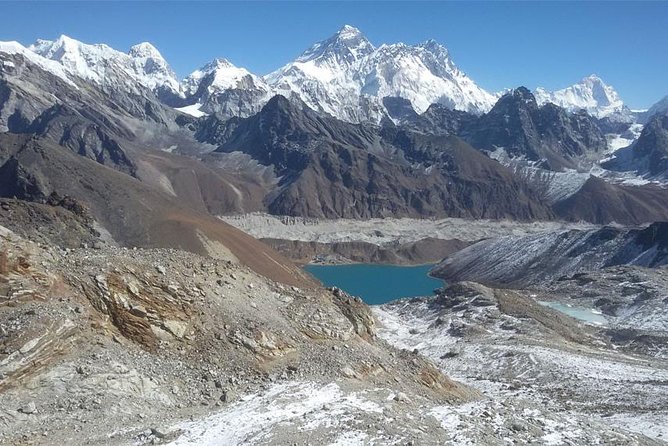
You’ll see the elevations listed in a couple ways, but the key reality is consistent: these are high passes in the 5,300–5,600m range. The trek references:
- Khongma La Pass (listed around 5555m), also shown as Kongma La (around 5535m)
- Cho La Pass (listed around 5330m), also shown as Cho La (around 5420m)
- Renjo La Pass (listed around 5345m), also shown as Renjo La (around 5360m)
Why the exact number can vary in how it’s printed is less important than how you experience the days. At these elevations, your biggest challenges tend to be the basics:
- Cold that makes zippers, gloves, and fingers feel slower
- Wind and snow that can change the pace fast
- Breathing that feels different no matter how fit you are
Between passes, the trek becomes a rhythm game. Each crossing asks for steadiness, not heroics. If you push too hard on day one, you may pay for it later when the next pass arrives before your body is ready. That’s why I like the “three passes” format: it forces a plan that’s about endurance and self-management.
Also, each pass is a reminder that conditions matter. Even with the same route, you may face different snow and visibility from one day to the next. A good guide will help you read the situation and keep the group moving safely.
Price and logistics: what $2,200 really buys you
At $2,200 per person, the value is best understood by looking at what’s handled for you. This package includes:
- Private airport pickup/drop and all ground transport in a private vehicle
- Flights Kathmandu–Lukla–Kathmandu
- Two nights in Kathmandu with breakfast
- Twin-sharing lodge accommodation during the trek
- Full-board meals on the trail (breakfast, lunch, dinner)
- A highly experienced, licensed English-speaking guide
- Sagarmatha National Park fees and TIMS card
- Local government tourism fees
- Government taxes and office service charge
- A down jacket and sleeping bag if needed
- A first aid medical kit
When you compare that to trekking where people pay extra for permits, guiding, and some meals, this package can feel more reasonable than it first appears. The cost is mainly paying for coordination, professional oversight, and the “on-the-ground machine” that keeps you trekking instead of troubleshooting.
Where you still need to budget separately:
- Travel and rescue insurance (compulsory)
- Nepal entry visa fee
- Tips for guides and porters (expected)
- Personal expenses like wifi, laundry, bar bills, battery charging, and hot showers
So, the honest way to think about the price is: it’s not only about walking in the Himalayas. You’re also paying for flights, permits, guide time, meals, and a safety setup (including first aid). For a trek with three high passes, that practical support is part of what makes the experience worth it.
Lodges, meals, and warm-weather reality checks
This trek uses twin-sharing lodge accommodation, and that’s helpful because it removes one big uncertainty: you won’t be scrambling for where to eat or sleep each night. You also get full-board meals, which is a major advantage at altitude. When you’re busy burning calories, it’s comforting to know meals are built into the schedule instead of left to luck.
The other warm-weather note is the gear offer. If you need it, the trek includes a down jacket and sleeping bag. That matters because cold is not a negotiable part of high passes. Even if you own gear, you might appreciate having dependable options rather than crossing your fingers that your current sleeping setup will be warm enough.
That said, personal comforts are not included. Things like wifi, laundry, bar bills, battery charging, and hot showers are listed as personal expenses. So if you want daily updates on social media, or you need extra charging time, plan for spending.
Guides, language, and solo confidence in the mountains
One of the most reassuring aspects here is the guide setup. The trek includes a highly experienced, licensed English-speaking guide. That’s the baseline.
The bigger bonus is how people have been supported across language gaps. In past groups connected to this trekking operator, guides have been described as communicating well with Japanese-speaking guests, including humor and patience for first-timers. Names that show up in those experiences include Jiban, Raman, Rabin, Raj, and Raji—and the common thread is practical encouragement, not just route knowledge.
If you’re trekking solo or you’re nervous about your language skills, this matters. A good mountain guide doesn’t only manage weather and pacing; they also reduce stress by explaining what’s happening and why. You’ll feel it when you ask questions and get clear answers instead of vague nods.
Also, this is a private tour/activity, meaning only your group participates. That can be a plus when you want a more focused experience, especially on a route where group pacing matters.
Fitness requirements you should treat as real, not vague
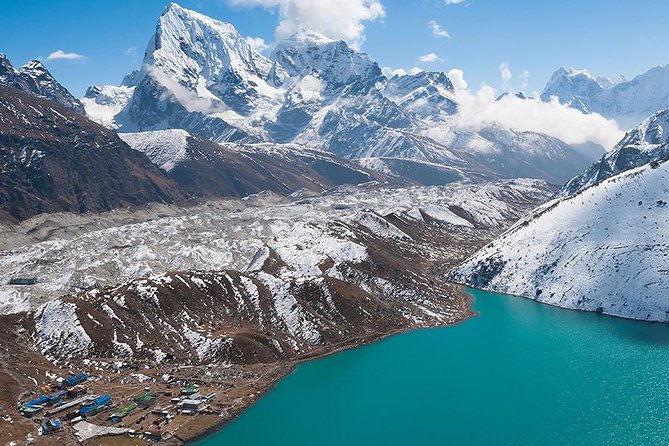
The trip is clearly aimed at people with strong physical fitness. That isn’t marketing language. On a three-pass trek, fitness is about more than being able to walk. It’s about recovering between long days, keeping your breathing controlled on climbs, and still having enough strength to descend safely when legs feel heavy.
Here’s how I’d approach the “fit enough?” question:
- If stairs and hills exhaust you quickly at home, you’ll likely struggle at altitude
- If you can walk for hours but forget to practice steady pacing, you may feel great early and worse later
- If you’ve never trekked in cold conditions, focus on being warm and comfortable, not just moving
And because this trek uses high passes, consider how altitude affects you personally. Some people feel fine until they don’t. A strong guide can help you manage pace, but your fitness foundation still has to be there.
What to pack (and what to plan to pay for)
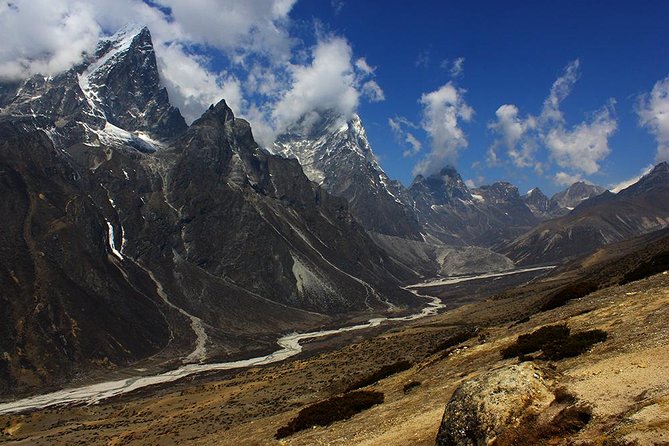
The trek can provide a down jacket and sleeping bag if needed, but you still need to bring the rest of your kit. Even without extra details, you can treat this as a typical high-altitude trekking packing mindset: layers, gloves, warm hat, sun protection, and comfortable trekking shoes. If your gear choices are questionable, this is the time to fix them before you’re at altitude.
Money-wise, the “not included” list is your roadmap for what you’ll spend on top of the package:
- Travel and rescue insurance is compulsory
- Nepal entry visa fee
- Tips for guides and porters are expected
- Personal expenses: wifi, laundry, bar bills, battery charge, hot shower
I like that the package spells out these extras. It means you can budget without surprises, and you’ll feel more relaxed when the mountain forces you to buy something small like a charging session.
Common trade-offs on a three-pass trek
Let’s talk about the human side. On a trek like this, you trade comfort for access and challenge. Lodge trekking is simple, and that’s part of why it works. But you should also expect:
- Limited personal comforts (especially things like hot showers)
- Cold mornings and slower mornings when your body is still waking up
- Fatigue that builds across multiple high days
The good news is that a structured, professional trek reduces the “chaos factor.” With permits handled (TIMS and Sagarmatha National Park fees), a licensed guide, and full-board meals, you spend less time worrying about logistics and more time focusing on the trek itself.
Another trade-off is time and weather. The route is designed around three high passes, and conditions can impact day-to-day ease. You’ll likely feel better when you accept that you’re going to move at a safe, realistic pace—not a race pace.
Should you book Adventure Bound’s Everest Three Pass Trek?
If you want a straightforward, high-effort Everest-region trekking experience, this one makes a lot of sense. I’d recommend it if you:
- Have strong fitness and you’re comfortable trekking at altitude
- Want a guided, permitted trek with full-board meals and lodge accommodation
- Like the idea of a clear objective: three high passes rather than an uncertain mix of shorter hikes
- Appreciate professional support, including the possibility of language help (including Japanese communication in past groups)
I’d think twice if you’re hoping for an easier, casual trek or you know you struggle with cold and altitude fatigue. Also, take seriously the extra costs outside the package—especially compulsory insurance, your visa, and tips.
If you can handle the reality of the mountains, this trek offers exactly what it promises: a focused adventure built around the three-pass challenge in the Khumbu.