REVIEW · MARRAKECH
4 Days: Private Desert Tour from Marrakech to Merzouga & Camel Trek
Book on Viator →Operated by Morocco Getaways · Bookable on Viator
Sand, stone, and starlight in four days. This private Marrakech-to-Merzouga route strings together High Atlas pass viewpoints, UNESCO kasbahs, and an Erg Chebbi camel trek with an overnight under stars, so you see Morocco in motion, not as checkboxes. I especially like the way the day plans mix major sites with softer stops like the Vallee des Roses and Dades area photo breaks.
One thing to consider: entrance fees to monuments and kasbahs aren’t included, and you’ll also spend serious hours in the car between highlights, so go in with the right expectations and a little patience.
In This Review
- Key points at a glance
- Entering Morocco via the High Atlas pass at Tizi n Tichka
- Aït Benhaddou and Taourirt Kasbah: UNESCO time you can actually enjoy
- Rose Valley and Dades: the Morocco you smell as much as you see
- Todra Gorges to Erfoud: limestone cliffs, fossil lore, and a shift toward sand
- Erg Chebbi dunes: camel trek and a real desert night
- Sunrise in the dunes, then Rissani and beyond
- Oued Draa and Ouarzazate: oasis river history and movie-still architecture
- Telouet and the Onila Valley return: crumbling trade-route footprints
- Is $569.11 worth it for a private Marrakech to Merzouga desert route?
- Guides can make or break this kind of tour
- Who this tour is best for (and who should consider another option)
- FAQ
- What is the duration of this tour?
- What does the tour include and not include?
- Is pickup offered from Marrakech?
- Is this tour private?
- Do you go to UNESCO sites on this route?
- Where is the camel trek?
- What happens if weather is poor?
- Is there free cancellation?
- Should you book this Marrakech to Merzouga desert tour?
Key points at a glance
- Private door-to-dune timing: only your group, with pickup offered in Marrakech.
- Tizi n Tichka views: the High Atlas pass is built into day 1, not tacked on later.
- UNESCO kasbah time: Aït Benhaddou gets real wandering time through its maze streets.
- Erg Chebbi overnight: camel trek plus dinner and breakfast around the dunes.
- Canyons and oasis stops: Todra Gorges, Tinghir area, and the Ziz/Erfoud region break up the drive.
- A guided return loop: Ouarzazate and the Onila/Telouet area bring the story back toward Marrakech.
Entering Morocco via the High Atlas pass at Tizi n Tichka
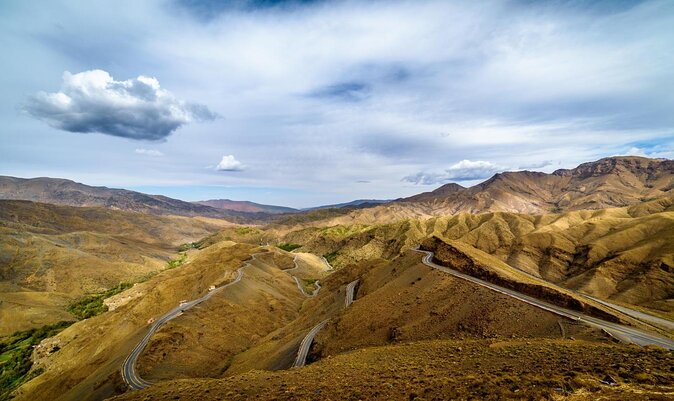
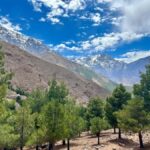
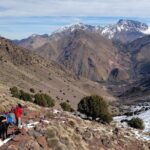
Your tour starts with the kind of start that makes jet lag feel like a bad memory. Instead of easing into Morocco with only city time, you head straight toward altitude and big views on the Tizi n Tichka pass (about 2,260 m / 7,410 ft). There’s a short summit stop built in—enough time to soak up the wide mountain panoramas and take photos without killing the day.
This is also where you get the first sense of how the route is designed. You’re not stuck watching a screen out the window. You’re stopping at “why people come here” moments, then moving on. If you like travel days that feel active, not passive, this one delivers.
You can also read our reviews of more tours and experiences in Marrakech.
Aït Benhaddou and Taourirt Kasbah: UNESCO time you can actually enjoy
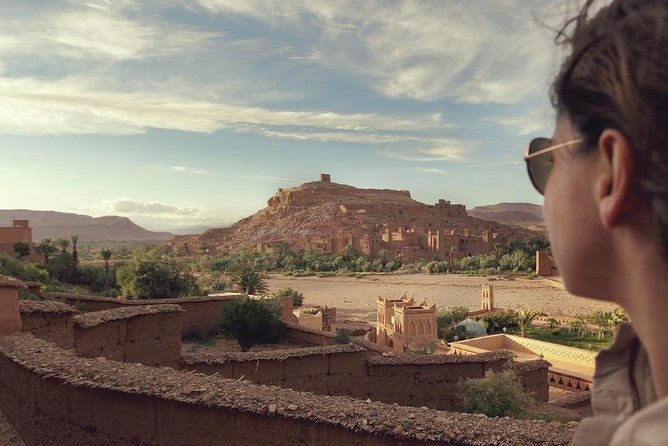
Aït Benhaddou is one of those places where your brain immediately connects the stones to scenes from old epics. What I like here is the way the time is structured: you get about an hour to explore, not just a quick photo-and-go. You can wander the winding lanes and climb toward the fortified granary area for valley views.
Aït Benhaddou is UNESCO-protected and made up of kasbahs clustered together, so it feels like a small world. If you’re into architecture, you’ll spot how thick defensive walls and stacked layouts shape the experience. If you’re not, it still works because the place is vivid and easy to picture in your head.
Then you move to Taourirt Kasbah in Ouarzazate. This is a more “lived-in” feeling fortress than the postcard-style Aït Benhaddou. The citadel has a maze of passageways, steps, and doorways—so wear shoes you can walk in comfortably. The time here is shorter (about 30 minutes), which is good if you want to see it without feeling rushed.
Practical note: entrance fees for monuments and kasbahs aren’t included. I recommend budgeting for it so you aren’t surprised when you reach ticket windows later in the day.
Rose Valley and Dades: the Morocco you smell as much as you see
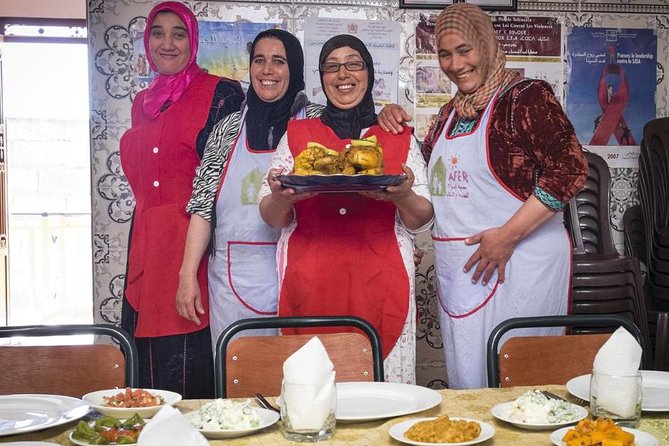
Day 1 keeps turning the dial. After the kasbahs, you head toward Vallee des Roses. This is rose-water country—rose petals get distilled into rose oil, and rose water is the by-product that ends up in soaps, cosmetics, and cooking. Even if you don’t catch peak blooms, the stop matters because it gives you a sense of local craft and seasonal rhythm.
From there, the route pushes into the Dades region—oases, palm groves, and the dramatic mix of rocky formations rising from the valley floor. One of the tour highlights calls out the “Monkey Fingers” rock formations. This is the kind of stop where you’ll understand why guides love it: from certain angles, the rocks really do look finger-like, and they photograph well without needing a perfect sunset.
You’ll also pass through the Dades area with mention of a hairpin road viewpoint at the Dades gorges. These switchback viewpoints are where the drive turns scenic in a way you feel in your stomach. The car follows the turns, and suddenly you’re looking down into valleys instead of just through them.
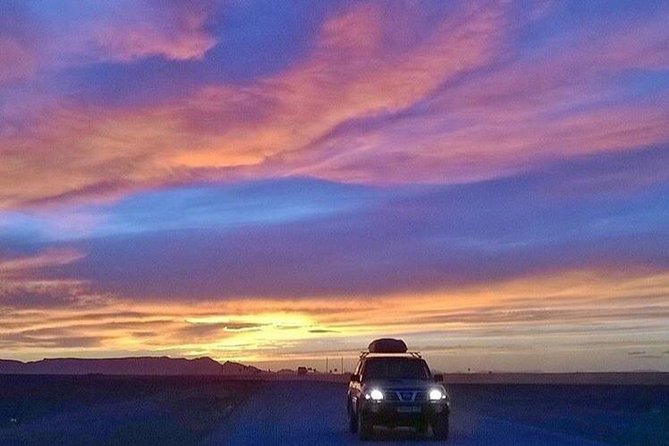
Expect day 1 to be a long day. You’ll stack several highlights, and that’s the point: you’re driving toward the desert, but stopping often enough that the route doesn’t feel like a transfer.
Todra Gorges to Erfoud: limestone cliffs, fossil lore, and a shift toward sand
Day 2 is where Morocco’s “high places” start to feel different. You begin with the Todgha/Todrad-style canyon system: limestone river canyons carved into deep wadi shapes. The canyon walls can be very tall, and even a short visit gives you that close-up canyon feeling—cool shadow, sunlit rock bands, and a sense of scale that’s hard to fake with a viewpoint alone.
From Todra, the drive takes a turn toward the Ziz River area and the Erfoud region. The tour includes a village stop described as built in the early 1900s by the French as an administrative headquarters, with tight construction and protective walls using red sand mixed with lime. It’s not a glamorous stop, but it helps break up the day and adds texture.
Erfoud itself is known for fossils. The idea here is simple and fascinating: long-ago marine life is tied to what you find in the region’s geological history, and the dunes and surrounding deposits connect to that story. You’ll also hear about marble production in red, brown, and black tones, another reminder that the desert isn’t only sand—it’s also stone, industry, and trade.
Then comes the big transition: Erg Chebbi dunes.
Erg Chebbi dunes: camel trek and a real desert night
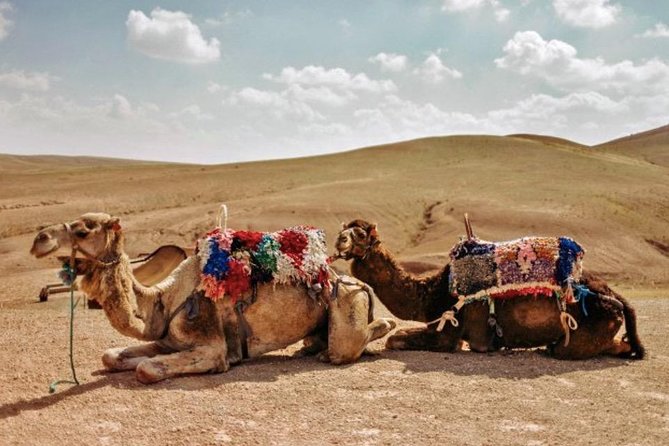
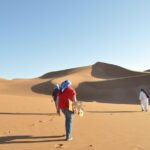
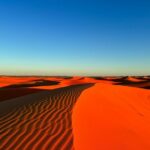
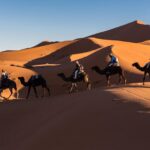
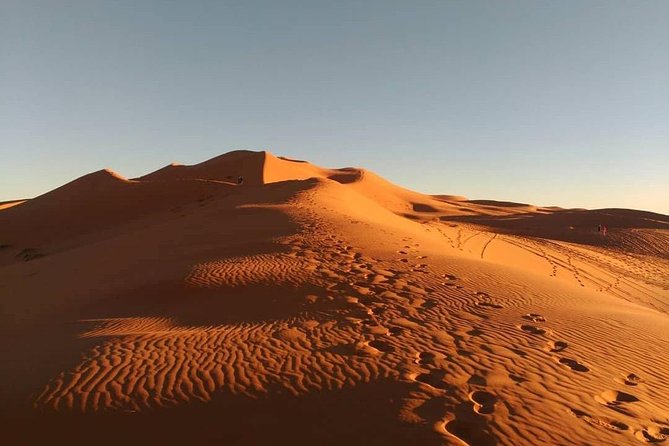
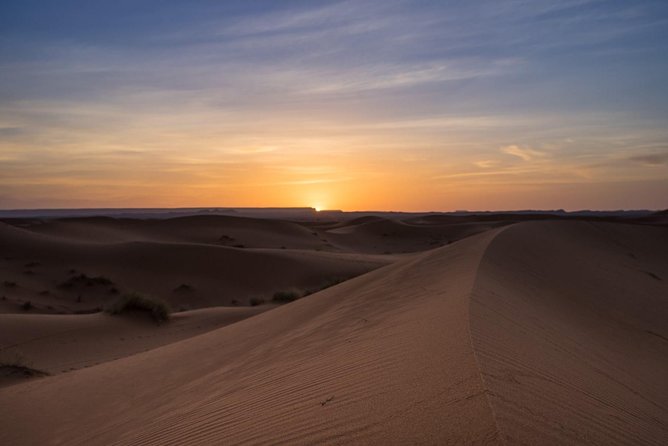
Erg Chebbi is the headline. This erg (wind-shaped dune field) is the one with sweeping dunes that can reach around 525 ft high. It’s the classic Sahara stage, and the tour timing is built for that: you arrive, ride camels, and then sleep in the desert.
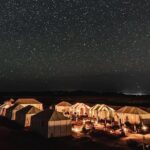
The tour includes an overnight in a nomad desert bivouac area, with dinner and breakfast. This matters because a desert night isn’t just sleep. You’re out there when the temperatures drop and the sky changes. Even if you don’t consider yourself a “stargazing person,” you’ll probably get quiet for a bit—stars are not subtle at low light levels.
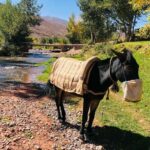
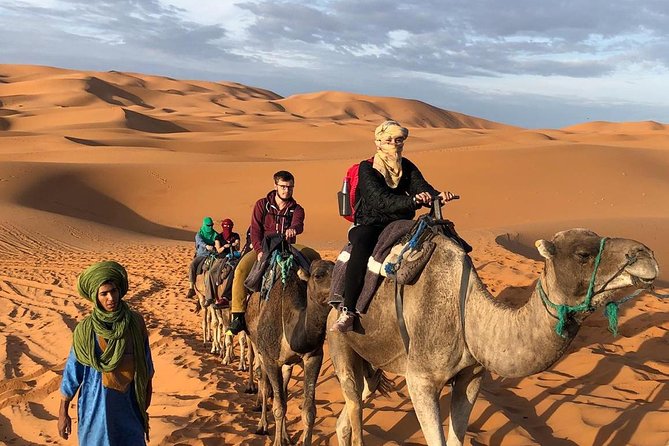
The camel trek is the other key piece. The route is set up so your camel ride isn’t a random add-on. It’s part of getting to the bivouac experience, then returning to the vehicle the next morning. If you have kids, this is often the moment they remember most—the camel, the dunes, the night camp vibe.
One more practical thing: desert evenings can cool off quickly. The tour mentions starlit tents among golden sand dunes, which implies you should dress for layers.
If you’re curious about the human side of the desert, pay attention to how the camels are managed alongside Berber cameleers. The best moments here come from watching people do this work with skill and calm.

Sunrise in the dunes, then Rissani and beyond
You’ll wake early to catch the desert sunrise, then enjoy a relaxed breakfast and shower before heading back to the car. That sequence is smart. It turns the morning from a rush into an actual experience: you watch the light change, you eat, you freshen up, and then you move on while it’s still cool.
After the camel ride back and driver pickup, the tour heads toward Rissani. Rissani is described as the closest significant-size town near Erg Chebbi, and it’s tied to regional history through the Alawite dynasty and Moulay er Rachid. This isn’t a “museum stop” kind of place on your schedule; it’s more a cultural pause with time to look around.
Then the route includes Alnif and trilobite fossil collecting lore. The basin is noted as a top place in Morocco for prehistoric trilobites. If you like natural history, this is a fun contrast to the cinematic dunes. It’s also a reminder that the Sahara stories aren’t only about people and nomads—geology plays a starring role too.
Oued Draa and Ouarzazate: oasis river history and movie-still architecture
The afternoon and evening shift the mood again. You head into the Oued Draa / Draa Valley, a long oasis corridor stretching from Ouarzazate into the Sahara edge. Even though much of the river has dried over time, the tour still frames it as a major historic route that once crossed the desert to connect toward the Atlantic.
That river story adds depth to what you see. Palm-lined stretches and Berber villages are meaningful when you understand that a lot of this region is shaped by movement—trade, seasonal travel, and the need for water.
Then you arrive in Ouarzazate for an overnight with dinner and breakfast. Ouarzazate is famous for film sets, and the tour points out that many movies used it as a location. The city name is also described as meaning without noise, which matches the feeling you often get there: quieter than Marrakesh, but still fully alive with daily life once you reach the business areas.
If you enjoy architecture and power history, the tour also connects you to the area’s ruling-family story through later Telouet stops.
Telouet and the Onila Valley return: crumbling trade-route footprints
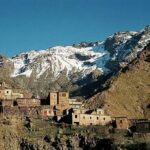
Day 4 is a “come back to Marrakech” day that doesn’t feel like a straight highway home. You drive through the Ounila Valley, described as the old thoroughfare between Marrakesh and sub-saharan Africa. Even without stopping every few minutes, it’s an important route because you can see evidence in the crumbling kasbahs and ksar dotted through the valley.
This is a good day for slower attention. You’ll likely feel the urge to rush since the desert portion is behind you, but the Onila Valley section is where you understand how Morocco connected different worlds long before tour buses existed.
Next comes Kasbah of Telouet (Kasbah du Pacha el Glaoui), linked to the Pacha Glaoui and styled with Andalusian touches in the harem and reception areas. The tour notes that it’s frequented by Moroccan visitors, and it’s a stop where you can picture wealth and taste tied to caravan-era power. Entrance fees here aren’t included, so plan on it in your budget.
Finally, you return toward Marrakesh. The High Atlas is part of the backdrop story again, and the ride gives you one more sense of the big range that separates climates and cultures.
Is $569.11 worth it for a private Marrakech to Merzouga desert route?
At $569.11 per person for a roughly 4-day, 3-night experience, this sits in the “serious value” zone if you want a true private desert itinerary rather than a big group bus ride. The price makes sense for two reasons.
First, you’re buying time and logistics. Private desert travel isn’t just driving; it’s planning stops across the High Atlas, managing long distances, and keeping the desert overnight aligned with sunrise timing. That’s hard to DIY without spending days coordinating transport and guides.
Second, you’re paying for the parts that take real effort and local relationships: the camel trek, the desert bivouac overnight, and the canyon and kasbah access. Those are the moments that turn the Sahara from scenery into an experience.
The main “watch this” items are also clear: monument entrance fees, personal travel insurance, flights, and extra snacks/drinks/additional meals aren’t included. If you’re the type who likes to snack constantly (or you’re traveling with kids), you’ll spend a bit extra anyway.
Guides can make or break this kind of tour
On a trip like this, the guide is the difference between seeing places and understanding what you’re looking at. In the feedback connected to this route, guides such as Mouad, Mustapha, Aziz, and Mohamed show up again and again for friendliness and for keeping the day running smoothly.
What you should look for in a good operator here is simple:
- Clear timing for sunrise and return.
- Efficient stop management so you don’t spend all day in line.
- Explanations that match what you see, not just a memorized script.
This tour’s setup leans toward that kind of hands-on guidance, and private format helps, because you’re not waiting on other groups.
Who this tour is best for (and who should consider another option)
This fits best if you want:
- A private route with a desert overnight and camel trek.
- Morocco highlights in a compact timeframe: High Atlas, UNESCO Aït Benhaddou, Dades and Todra gorges, Erg Chebbi.
- A guide-driven experience where stops are organized and meaningful, not random.
It may feel less ideal if:
- You dislike long driving days. The schedule is packed by design.
- You’re trying to keep costs ultra-low. Entrance fees and extra meals add up.
- You hate early starts. Sunrise in the dunes is the payoff, but it comes early.
FAQ
What is the duration of this tour?
The tour is listed as 4 days (approx.), with 3 nights.
What does the tour include and not include?
Included items include the guided desert itinerary, camel trek with overnight in the nomad desert bivouac, and breakfast/dinner on the desert and Ouarzazate overnight days as noted in the schedule. Not included are entrance fees to monuments, studios, and kasbahs; flights to and from Morocco; personal travel insurance; and extra drinks, snacks, and additional meals.
Is pickup offered from Marrakech?
Yes, pickup is offered.
Is this tour private?
Yes. It is a private tour/activity, and only your group participates.
Do you go to UNESCO sites on this route?
Yes. The tour includes visiting Kasbah Aït Benhaddou, listed as a UNESCO World Heritage site.
Where is the camel trek?
The camel trek is tied to Erg Chebbi in the desert area, with an overnight in a nomad desert bivouac.
What happens if weather is poor?
The experience requires good weather. If it’s canceled due to poor weather, you’ll be offered a different date or a full refund.
Is there free cancellation?
Yes. Free cancellation is available if you cancel at least 24 hours in advance for a full refund.
Should you book this Marrakech to Merzouga desert tour?
If you want a desert trip that feels like a story—Atlas mountains to UNESCO kasbahs to Dades canyons to Erg Chebbi dunes—this is a strong choice. I’d book it if sunrise and a real desert night are top priorities and you’re comfortable with a full schedule and extra budget for entrance fees.
If you’re traveling with kids, the camel trek and desert bivouac tend to land well, and private timing usually helps keep everyone happier. Just go in ready for long drives and early mornings, and you’ll get a Sahara experience that’s more than a one-night stop.