REVIEW · KATHMANDU
From Kathmandu: 12-Day Everest Base Camp Guided Trekking
Book on GetYourGuide →Operated by Welcome Nepal Treks P.Ltd · Bookable on GetYourGuide
Everest starts with a bumpy runway. This 12-day trek from Kathmandu to Everest Base Camp feels like a well-paced route through the Khumbu, with time to adjust to altitude. I like the small-group size (limited to 15) because the guide can actually keep an eye on how you’re doing each day. The one real drawback to plan for is effort and cold: you’ll be hiking at high elevation and sleeping in tea houses, and this route isn’t suitable for pregnant women or people with heart problems.
The trip is also built around “you don’t have to think about the paperwork” convenience. You get the airport transfers, Lukla flights, park permits, TIMS card fees, and an English-speaking guide who’s responsible for the day-to-day moving parts, from lodging to trail-day decisions. If conditions shift, the team has a track record of reacting quickly, including last-minute fixes like arranging a helicopter when it helped with timing after reaching EBC, coordinated by Dipendra.
In This Review
- Key Things That Make This Trek Worth It
- From Kathmandu to Lukla: the flight that launches the Khumbu journey
- Namche Bazar at 3,440m: why the first altitude day is only half the battle
- Tengboche to Dingboche: the rhododendron-and-bridge day that feels like real Nepal
- Dingboche to Lobuche via Dugla: the glacier-facing approach day
- Gorakshep to Everest Base Camp: the rewarding day at 5,364m
- Kala Patthar at 5,545m and the descent to Pheriche: earned views, then recovery
- Returning to Kathmandu: the scenic flight reset
- Guides, safety, and the difference between “leading” and “looking after you”
- Tea houses, cold nights, and what to pack for a comfortable itinerary
- Price and value: what $1,020 really buys you
- Who this trek is best for (and who should skip it)
- Should you book this Everest Base Camp trek?
- FAQ
- What route does the trek follow from Kathmandu?
- Do you visit Everest Base Camp and Kala Patthar?
- Are there rest days for acclimatization?
- What’s included in the tour price?
- Are meals included during the trek?
- Is a porter included to carry bags?
Key Things That Make This Trek Worth It
- Lukla flight + guided tea-house route: you’re not wandering around trying to figure things out
- Built-in acclimatization: two real reset days in Namche Bazar and Dingboche
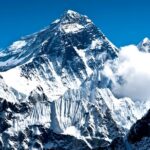
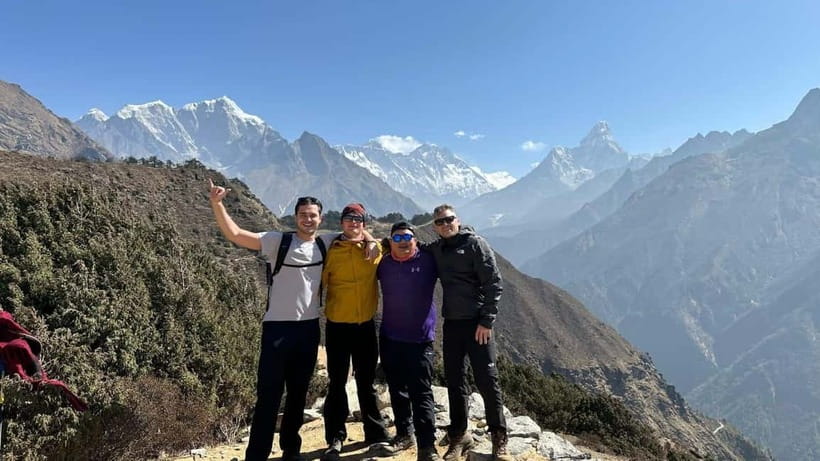
- Serious “big peaks” scenery corridor: Ama Dablam, Nuptse, Lhotse views on the route
- Everest Base Camp day at 5,364m: plus Gorakshep as the staging point
- Kala Patthar payoff at 5,545m: the high walk that’s earned, not accidental
- Guides named for their follow-through: Padam, Dipendra, and Nabaraj Sigdel come up often for care and communication
From Kathmandu to Lukla: the flight that launches the Khumbu journey
You start with hotel pickup in Kathmandu, Bhaktapur, or Lalitpur. Then it’s on to Tribhuvan International Airport for an early flight to Lukla. That flight matters more than it sounds: it cuts out days of slow travel, and it also gets you into the Everest region quickly, which helps once your hiking pace and altitude schedule kick in.
When you land in Lukla, you transfer to the trek starting point and head to Phakding for the first overnight at a tea house. This first walking day is about getting your legs used to the trail and your pack (and keeping your water intake steady). It’s also where you’ll start learning the “tea house rhythm”: check in, eat something warm, hydrate, and sort your layers for the evening.
If you’re sensitive to cold, plan your gear like a smart pack rat. This trip can provide a jacket, sleeping bag, and duffle bag if you need them or request them, but you still want to bring a passport and keep your hiking items easy to grab. Also note the trip doesn’t allow large luggage—so bring what you’ll truly use on the trail.
You can also read our reviews of more tours and experiences in Kathmandu.
Namche Bazar at 3,440m: why the first altitude day is only half the battle
Day 2 moves you from Phakding up to Namche Bazar, sitting at 3,440 meters. Namche is your first major altitude “checkpoint,” and the goal here isn’t speed—it’s settling in without rushing.
Day 3 is a rest day to acclimatize. That means you’ll stay put in Namche for a second overnight, giving your body time to adapt. This is the smart kind of rest: not lounging because you’re tired, but resting because altitude has rules. If you treat the rest day like an extra hiking day, you’ll pay for it later.
Day 4 continues the climb toward Tyangboche at 3,867 meters. You’re trading the controlled pace of acclimatization for real hiking again. The benefit of this structure is simple: you’re not guessing when you should rest. The route tells you when to reset, and you follow it.
Tengboche to Dingboche: the rhododendron-and-bridge day that feels like real Nepal
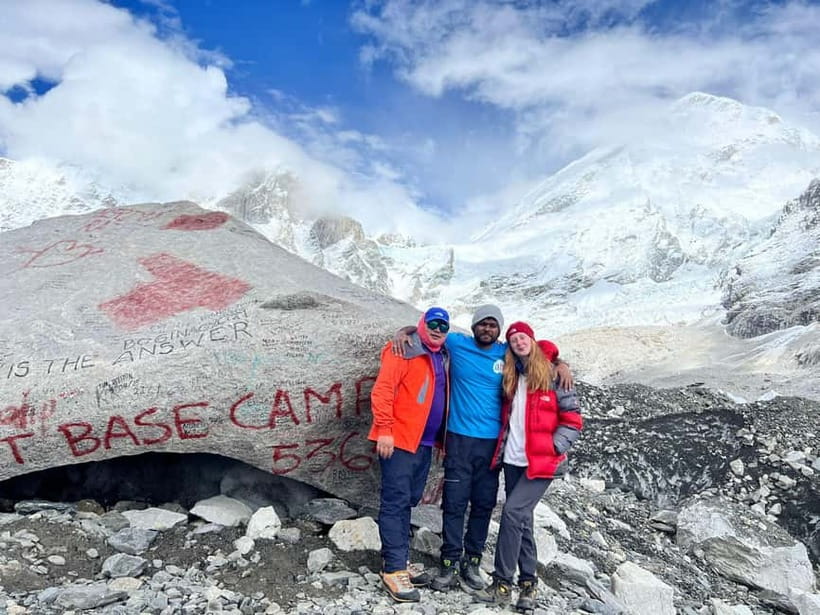
From Tyangboche, you hike through a rhododendron forest, cross a suspension bridge at Imja Khola, and continue toward Minlinggo. It’s one of those trail days that breaks up the monotony of just stepping uphill. Rhododendron season can change the look of the route, but the bigger win is the variety in terrain and the sense that you’re moving through different parts of the valley system.
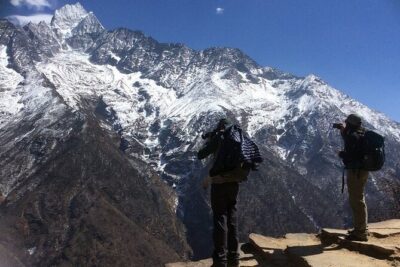
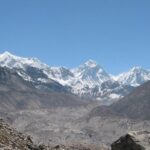
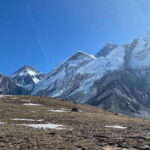
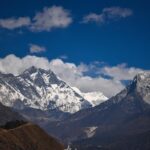
You then enter the Imjatse Valley beneath towering neighbors—Ama Dablam, Nuptse, and Lhotse. The itinerary is pointing you at a visual highlight, and the valley position is what makes that “big wall” feeling possible.
Overnight is at Dingboche, located at 4,260 meters. Dingboche isn’t just another dot on the map here. It’s your next acclimatization stop, and the altitude jump from Namche is real enough that you want to respect the schedule.
Day 6 is another acclimatization day at Dingboche, again with a tea house overnight. This second reset is what helps you handle the higher sections without turning the trek into a survival sprint. If you’ve ever heard people say altitude is a mindset problem, they’re half right. It is also a body-timing problem, and this route is designed around timing.
Dingboche to Lobuche via Dugla: the glacier-facing approach day
After your Dingboche reset, you head toward Lobuche. The hiking time listed for this section is about 5.5 hours, with lunch in Dugla along the way. You arrive in Lobuche at 4,930 meters for an overnight tea house stay.
This is a turning point. Up to this point, the trek has felt like “climb and settle.” Now it starts feeling like “climb and focus,” because you’re getting closer to the high Khumbu views and the glacier area. You’ll likely notice the air feels thinner and the sense of effort increases, even if you keep a steady pace.
In practical terms, this is when your guide’s job gets important. A strong guide isn’t just leading; they’re watching how you’re moving, how you’re breathing, and whether you’re staying consistent with hydration. The operation behind this trek puts a lot of emphasis on safety planning and quick action if medical help is needed, which matters more as altitude rises.
Gorakshep to Everest Base Camp: the rewarding day at 5,364m
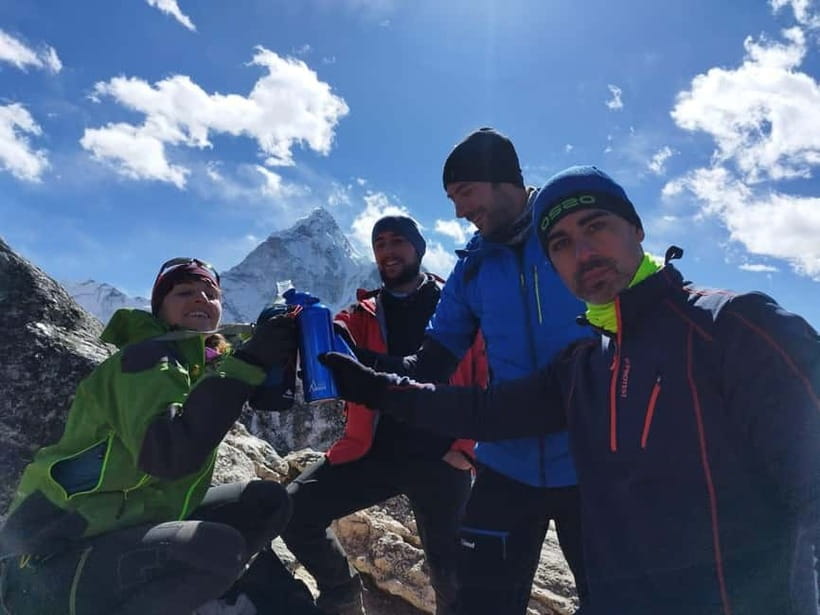
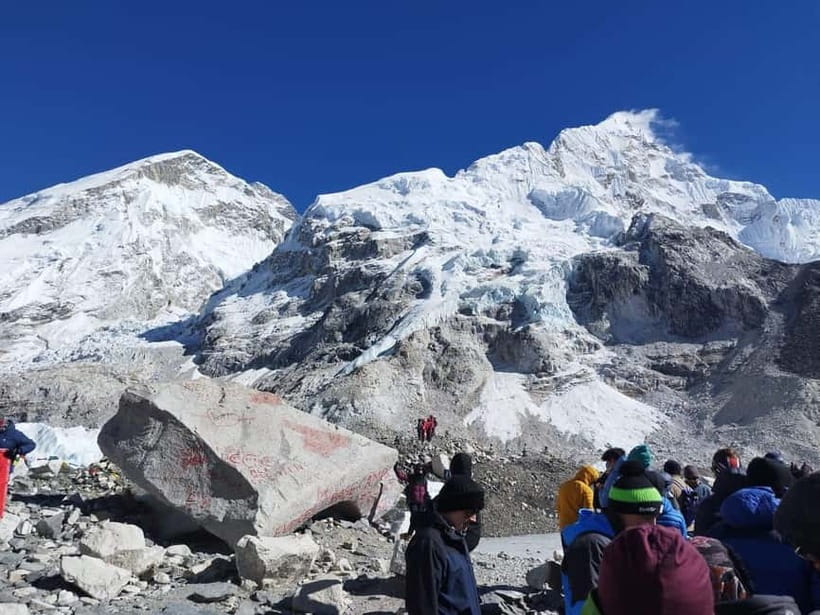
Day 8 is the one many people picture first: breakfast in Lobuche, then trekking to Everest Base Camp via Gorakshep. This is described as one of the most rewarding sections of the excursion, and the structure backs that up.
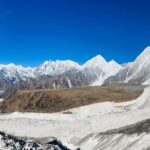
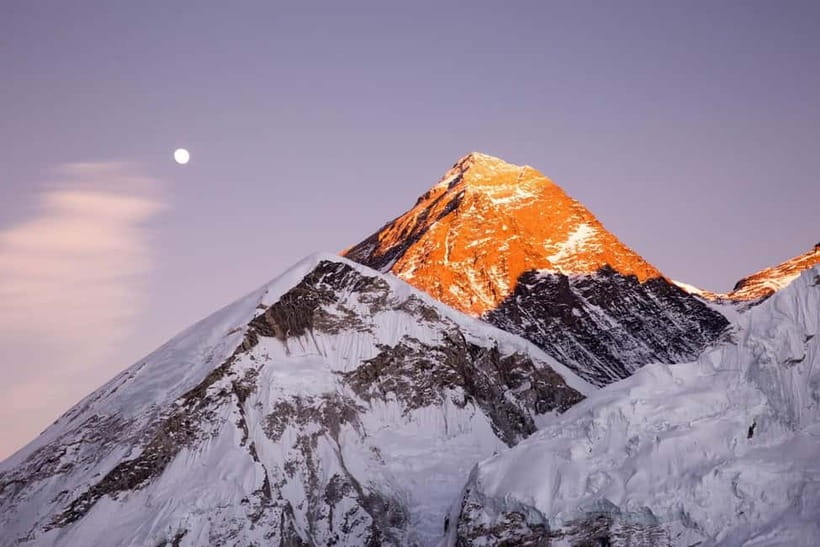
You’ll follow the trail up rocky paths with great views of the Khumbu glacier. Then you visit Everest Base Camp, at 5,364 meters. Base Camp is a location, but it’s also a feeling: the moment when the trek stops being about “getting there” and becomes about standing at the edge of the Everest story.
After visiting EBC, you return to Gorakshep for the night. That matters because you’re not ending the day fully; you’re staging for the next big day. Gorakshep is high and cold compared with earlier stops, so you’ll want to follow the usual routine: warm clothes ready, water handled carefully, and an early wind-down so you’re not too stiff for the next push.
Kala Patthar at 5,545m and the descent to Pheriche: earned views, then recovery
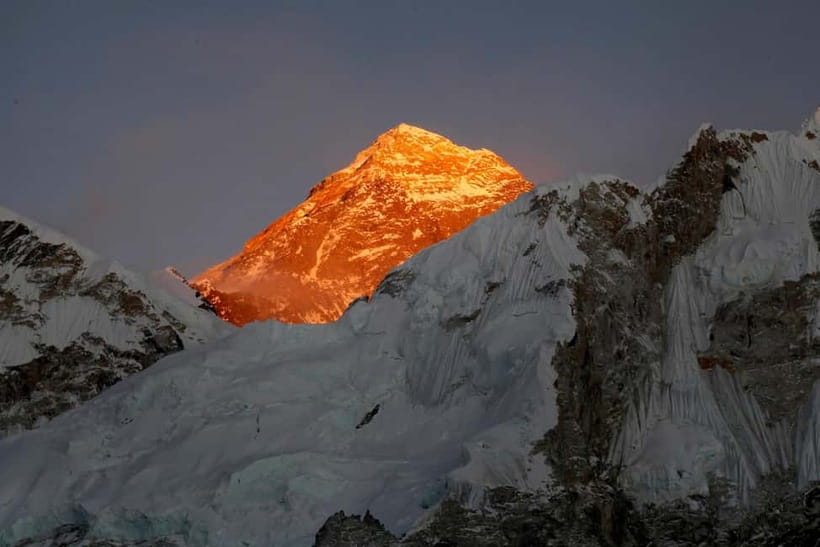
Day 9 starts with the hike from Gorakshep to Kala Patthar at 5,545 meters, then continues on to Pheriche at 4,243 meters. This is the classic “go higher for the view” day. Kala Patthar is included for a reason: it’s the altitude bonus that can make the whole EBC approach feel complete.
After reaching the high point, you transition down to Pheriche. That descent helps your body recover, which is crucial because you still have more trekking days ahead. Overnight is in a tea house, and this is where your recovery routine pays off: eat something warm, rest your legs, and keep your layers organized for the temperature swings.
Day 10 brings the descent back toward Tyangboche at 3,867 meters, then continues onward to Namche Bazar (with an overnight there). The itinerary notes the altitude returning to 3,440 meters by the end of the day. This is where trekking becomes more forgiving on the lungs but tougher on the knees. Good shoes and controlled steps matter.
Day 11 moves from Namche Bazar back to Lukla, where you get a last night in Lukla. By this stage, you’ve done the “up” work. The key is not to race. Let the legs do the work at a pace that keeps you safe on uneven ground and keeps you feeling good for the flight home.
Returning to Kathmandu: the scenic flight reset
Day 12 is an early morning flight back to Kathmandu from Lukla. Then you get transferred to your hotel by the tour representative, and you spend the night in Kathmandu.
That first night back in Kathmandu feels like a reset for more than your body. The smells are different, the air is less thin, and suddenly you can think about shower logistics and laundry planning instead of layers and elevation. It’s also a nice moment to reflect on what the trek actually changed for you. Not just the photos—your understanding of pace, endurance, and the way acclimatization schedules work in the real world.
Guides, safety, and the difference between “leading” and “looking after you”
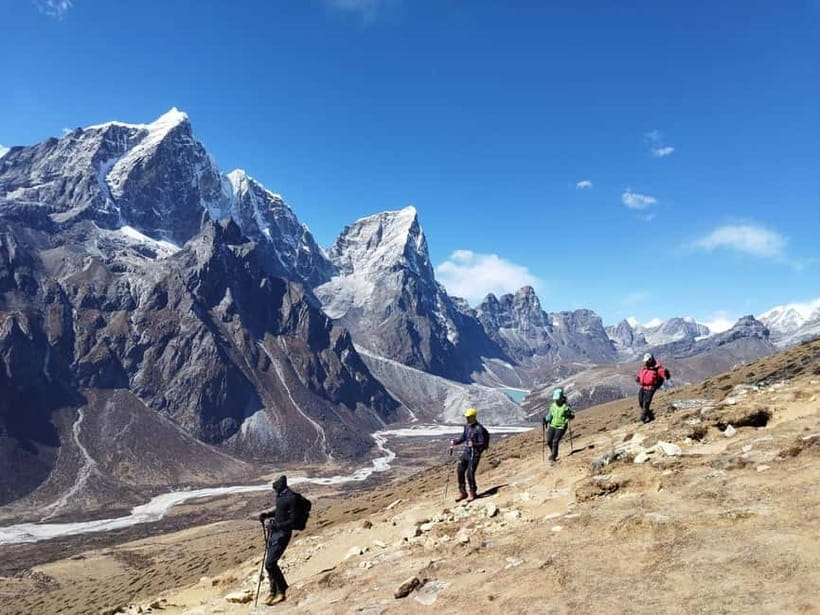
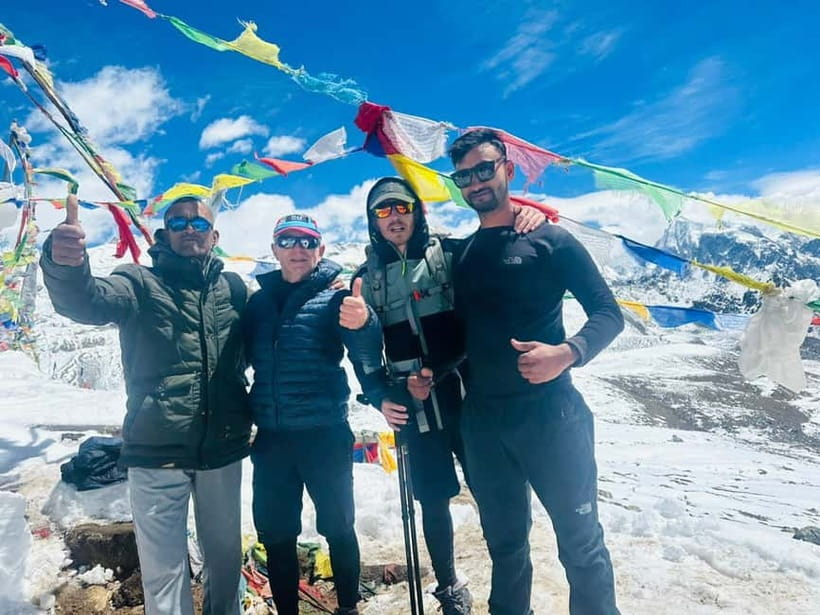
This trek is guided by an experienced English-speaking guide. One reason the route works well for most people is that the guide isn’t just responsible for “where to go,” but also for how you’re doing while getting there.
In the feedback you’ll see names like Padam, Dipendra, and Nabaraj Sigdel highlighted for follow-through and care. Padam stands out for being described as exceptional and highly recommended. Nabaraj Sigdel is specifically mentioned as having 15 years of experience and being punctual and caring. Dipendra is linked to quick problem-solving when the trek needed adjustments because of bad weather.
That matters because Everest region weather can force decisions. In one example, after reaching EBC, Dipendra helped arrange a helicopter pickup the next day to keep timing workable. Even if you never need that kind of intervention, it’s comforting to know the team is thinking about contingency planning, not just checking boxes.
This is also where safety planning shows itself. The operation is described as noticing when medical help might be necessary and taking steps quickly if evacuation or medical assistance is needed. When you’re high on the mountain circuit, “quick” is a real quality, not a marketing word.
Tea houses, cold nights, and what to pack for a comfortable itinerary
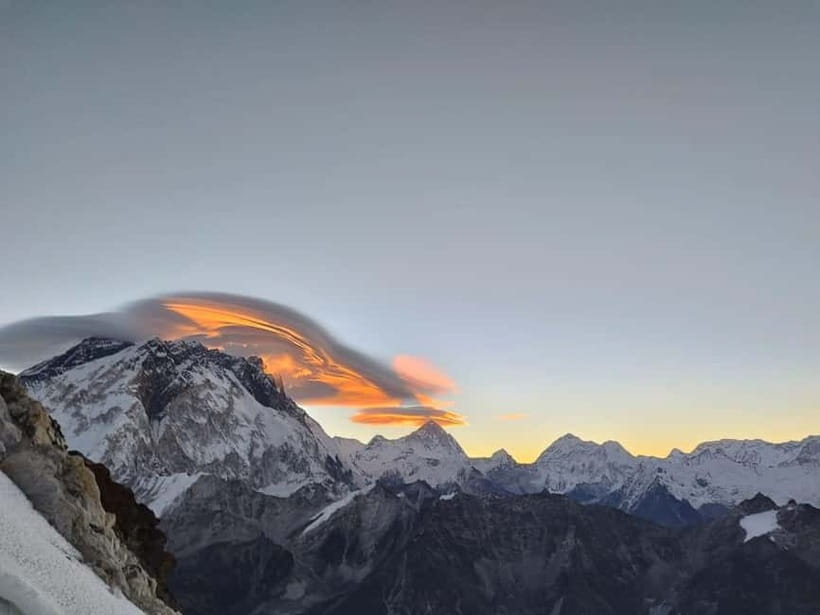
All accommodations during the trek are in lodges/tea houses. You’re not living in tents on this route, which is a big practical advantage. But tea house comfort still varies by altitude and location, and at higher elevations the cold can feel sharp fast.
The good news is the tour can provide a sleeping bag and jacket to use if required or requested. That’s not a small detail. On high-altitude nights, warmth isn’t a luxury; it’s what helps you sleep, recover, and wake up functional.
Meals during the trek are not included. Standard meals (breakfast, lunch, dinner) aren’t part of the price, so you’ll want to budget for food daily. Tea house meals usually cost extra, and the bill adds up with altitude, so don’t assume your trek price is “all meals included.”
Hot showers and internet are also not included. That’s normal for the region, but it affects your daily comfort. Plan to wash up with what you can, keep electronics charged when possible, and accept that connectivity may be limited while you climb.
Price and value: what $1,020 really buys you
At $1,020 per person for 12 days, this trek is priced for the logistics-heavy parts of Everest. The big value is what’s already covered rather than what you still have to pay for.
Included costs you should note:
- Airport pickup and drop-off in Kathmandu area
- Necessary paperwork, Sagarmatha National Park entrance, and TIMS card fees
- Domestic airport pickup/drop-off plus return flight Kathmandu–Lukla
- Tea house/lodge accommodation during the trek
- An experienced English-speaking guide (their salary, food, drinks, accommodation, transportation, and insurance)
- Jacket/sleeping bag/duffle bag to use if required/requested
- Government taxes, VAT, and official service charges
What isn’t included:
- Trekking meals (breakfast, lunch, dinner)
- Porter service (available at additional cost; one porter can assist up to 25 kg for 2 guests)
- Alcoholic and non-alcoholic drinks
- Hot showers and internet
- Travel insurance
So is it good value? For most people, yes—because the included parts cover the administrative and transportation pieces that can eat time and stress if you try to DIY. It also includes your guide and permits, which are the parts that are hardest to improvise well.
The main “cost surprises” to plan for are meals, drinks, and any optional porter support. If you want a lighter pack, consider the porter option—carrying less can make a big difference on longer days.
Who this trek is best for (and who should skip it)
This trek is a strong fit if you want a guided route with acclimatization built in and you’re comfortable hiking multiple days at high altitude. The itinerary includes altitude climbs up to 5,545m (Kala Patthar) and visits Everest Base Camp at 5,364m, so your fitness and health need to match that reality.
It also suits you if you prefer tea houses over camping and want a small group experience (maximum 15 people). An English-speaking guide helps if you don’t want to deal with trail decisions yourself.
It’s not suitable for:
- Pregnant women
- People with heart problems
- Wheelchair users
If any of those apply, you should look for a different plan that matches your needs and a different altitude profile.
Should you book this Everest Base Camp trek?
If your priority is a guided, structured Everest Base Camp journey with permits and logistics handled, this one is worth serious consideration. The two acclimatization days (Namche Bazar and Dingboche) are a big deal for making the hike feel manageable, and the inclusion of tea house lodging keeps it realistic.
Before you book, do a quick reality check:
- Budget extra for meals and drinks, since they’re not included.
- Pack light—large luggage isn’t allowed.
- Tell your guide team everything you need for cold weather; jacket and sleeping bag support may be available.
If you want a safer, more thoughtfully managed trek in the Everest region, this setup checks the boxes that matter on the ground.
FAQ
What route does the trek follow from Kathmandu?
You’ll be picked up in the Kathmandu area and taken to Tribhuvan International Airport for an early flight to Lukla. From Lukla, the trek starts toward Phakding, then continues through Namche Bazar, Tyangboche, Dingboche, Lobuche, Gorakshep to Everest Base Camp, then onward to Kala Patthar and back down to Namche Bazar and Lukla before flying back to Kathmandu.
Do you visit Everest Base Camp and Kala Patthar?
Yes. Everest Base Camp is visited on Day 8 at an altitude of 5,364 meters. Kala Patthar is hiked on Day 9 at an altitude of 5,545 meters.
Are there rest days for acclimatization?
Yes. You’ll have an acclimatization rest day in Namche Bazar on Day 3, and another acclimatization day in Dingboche on Day 6.
What’s included in the tour price?
The price includes airport pickup and drop-off, all necessary paperwork, Sagarmatha National park entry permits and fees, TIMS card fees, return domestic flight between Kathmandu and Lukla, tea house/lodge accommodations during the trek, and an English-speaking guide (including their support costs). It also includes jacket, sleeping bag, and duffle bag to use if required/requested.
Are meals included during the trek?
No. Standard meals (breakfast, lunch, and dinner) during the trek are not included.
Is a porter included to carry bags?
No porter service is included in the price. Porters are available at an additional cost, and one porter can assist up to 25 kg weight for 2 guests.