REVIEW · KATHMANDU
Langtang Valley Trek
Book on Viator →Operated by Glorious Himalaya Trekking Pvt. Ltd. · Bookable on Viator
Langtang Valley has a way of feeling close to the high Himalaya—without the huge Everest-style crowding. This trek takes you from Kathmandu to Syabrubesi and then up through forests, villages, and yak pastures to Kyanjin Gompa under big peaks like Langtang Lirung. Along the way, you’ll see rhododendrons, suspension bridges over the Langtang River, and glacier views that make you stop walking just to stare.
Two things I really like: the natural variety (bamboo and rhododendron forest, grazing animals, and glacier scenery) and the Kyanjin Gompa experience, including old Buddhist monasteries and even a cheese stop. A consideration: the itinerary has solid walking days and at least one higher push to Tserko Ri (5000m), so you’ll want realistic expectations about effort and altitude.
In This Review
- Key Highlights Before You Go
- Why Langtang Feels Special (And Not Like a Same-Route Trek)
- Price and Logistics: What $850 Really Buys
- Day 1 in Kathmandu: Get Ready Without Rushing
- Day 2 Drive to Syabrubesi: River Views and Mountain Teasing
- Day 3 to Lama Hotel: Forest, Rivers, and Suspension Bridges
- Day 4 to Village View Hotel & Lodge: Rhododendrons and Langtang Village Views
- Day 5 to Kyanjin Gompa: The Last Human Settlement Energy
- Day 6 at Kyanjin Gompa: Monasteries, Icy Cones, and Tserko Ri (5000m)
- Day 7 Back to Lama Hotel: Downhill That Still Counts
- Day 8 to Syabrubesi: Easy Rhythm, Familiar Trails
- Day 9 Kathmandu Return: A Hot Shower Might Still Be Wishful
- Day 10 Departure: Fly Out With the Valley Still in Your Head
- Who This Trek Suits Best
- Trek Intensity and What to Watch for on the Trail
- Guides and Service: Why the Trip Usually Feels Smooth
- Should You Book the Langtang Valley Trek?
- FAQ
- How long is the Langtang Valley Trek?
- Where does the trek start?
- What’s included in the price?
- Are meals included during the trek?
- Do I need to pay for permits?
- Are there any altitude highlights?
- Do you provide a guide and support?
- Is a porter included?
- What is not included in the tour cost?
- What is the cancellation policy?
Key Highlights Before You Go
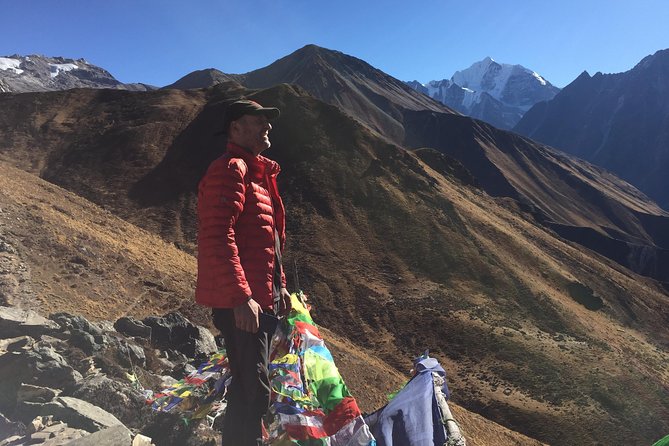
- Kyanjin Gompa at the end of the line: monasteries, village life, and glacier views from one of Langtang’s highest human settlements
- Walks with real payoff: Tserko Ri reaches 5000m for wide Langtang glacier panoramas
- Road-to-trail setup: private shuttles, Kathmandu hotel nights, and local jeep transport to Syabrubesi
- Included support that matters: government-authorized guide, first-aid kit, daily meals, and lodge stays during the trek
- Flexibility you may feel: guides such as Prakash, Buddhi, Bishal, Keshab, Zagat, and Ram have been praised for helpful, adaptive guidance
Why Langtang Feels Special (And Not Like a Same-Route Trek)
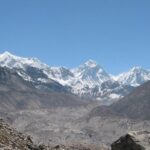
Langtang Valley sits near the Kathmandu Valley, yet it feels worlds away once the trail starts climbing. It’s known for wilderness and for having a “Tibetan highlands” vibe—think high passes, cold air, and peaks that look less like distant photos and more like something you can point at. The region is often described as the Valley of Glaciers, and that theme holds true when you reach the Kyanjin area.
For me, the most convincing part is how many different “stops” the valley creates: forest walks with rhododendrons, rivers and suspension bridges, open views over Langtang Village and grazing animals, then a climb toward monastery country at high elevation. It’s not one long sameness slog.
You can also read our reviews of more tours and experiences in Kathmandu.
Price and Logistics: What $850 Really Buys
At $850 per person for roughly 10 days, you’re paying for more than just guiding. This package is set up to take care of the big moving parts:
- Private airport and hotel transfers in Kathmandu
- Two nights in Kathmandu (with breakfast)
- Experienced, Nepal government authorized trekking guide
- Permits and essential entry fees
- Lodge accommodations during the trek
- Daily 3 meals on trekking days
- Local jeep transport Kathmandu ⇄ Syabrubesi
- A first-aid medical kit, plus a trip achievement certificate
That’s solid value for a trekking itinerary that includes food, lodging, and the transport legs that can otherwise eat your time and attention.
What’s not included (and you should plan for): your Nepal entry visa fee, international airfare, and trekking extras like porter services (available for an extra cost). Also, you should assume limited connectivity and no hot shower expectations, since WiFi and those conveniences aren’t included. This matters because it changes how you pack and what you’ll do during downtime.
Day 1 in Kathmandu: Get Ready Without Rushing
The trip starts with an airport representative meeting you outside Tribhuvan International Airport. From there, you go by private vehicle to your Kathmandu hotel. This is a genuinely helpful start if you’ve just landed and want your first hours to be simple.
Your “welcome dinner” comes with a typical local restaurant plus a cultural dance show. It’s a good low-effort way to get oriented to Nepalese culture the evening before you start climbing.
On Day 1 and Day 2, your goal is not sightseeing overload—it’s getting sleep, hydration, and an easy mental shift from city life to trail life.
Day 2 Drive to Syabrubesi: River Views and Mountain Teasing
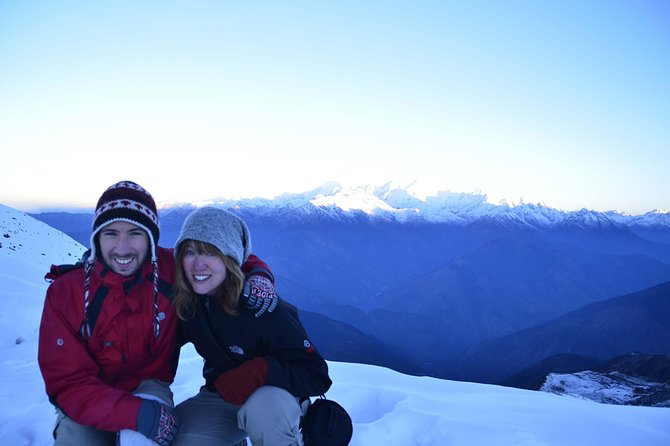
Day 2 is a long but scenic drive from Kathmandu to Syabrubesi, about 7 hours by local jeep. You head north out of the Kathmandu valley along foothills, and you’ll pass the bank of the Trisuli River. The route is timed so you can catch glimpses of Ganesh Himal and Tibet peaks, plus terraces and green hills.
This leg matters because it sets the mood. It also positions you for Day 3’s trek start without wasting a full extra day trying to reach the trailhead.
Day 3 to Lama Hotel: Forest, Rivers, and Suspension Bridges
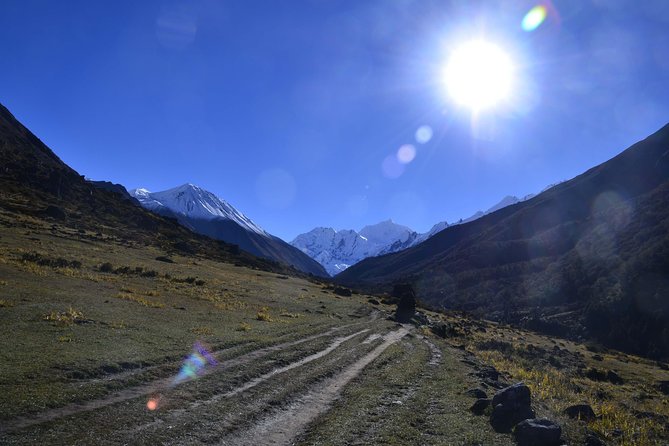
Your first trekking day goes from the lower trail zone toward Lama Hotel. You’ll walk alongside the Langtang River, cross suspension bridges, and follow a path that goes up and down rather than just “steadily uphill.”
That mix is good for beginners who are working on pacing. You learn quickly what the trail asks of you: steady steps, balance on uneven ground, and the habit of slowing down early rather than later when you’re tired.
The day ends at a lodge at Lama Hotel for your first real taste of teahouse-style trekking life.
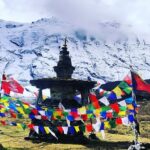
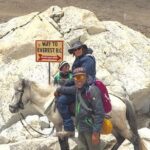
Day 4 to Village View Hotel & Lodge: Rhododendrons and Langtang Village Views
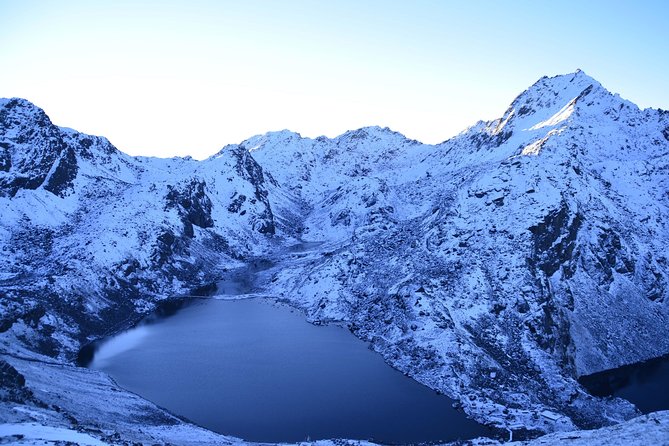
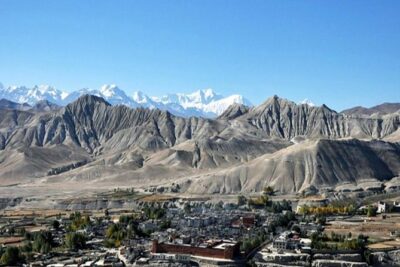
Day 4 climbs through rhododendron, oak, and pine forests. You’ll also start getting clearer views of Langtang peaks and the valley below. This is one of those days where the scenery isn’t just “pretty”—it’s information. You’re using sightlines to understand how the terrain funnels toward Langtang Village and onward.
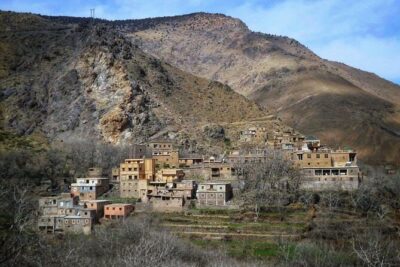
You’ll pass open grazing areas and you may see domestic animals like yaks, cows, sheep, goats, and horses. Then you reach Langtang Village, described as one of the oldest along the trail, with an impressive view from where you stay.
A practical note: forest days can feel cooler and calmer, which tempts you to go faster. Don’t. You still want to preserve energy for the higher parts later.
Day 5 to Kyanjin Gompa: The Last Human Settlement Energy
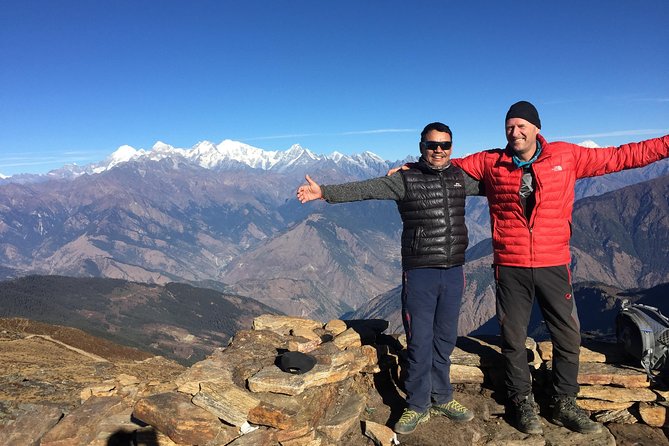
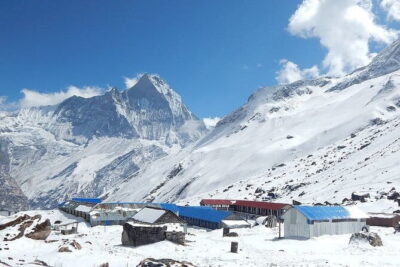
Day 5 is an easier, shorter trek (about 3 hours) to Kyanjin Gompa. This is where the itinerary starts feeling like a different world. Kyanjin is often described as the last human settlement of the Langtang valley, and you feel that remoteness quickly.
Once there, you can visit a cheese factory and buy cheese. Cheese from this area is known locally, and it’s a fun change from the usual trekking routine of only eating and sleeping.
You can also visit monasteries where you get a sense of how religious life shapes the region. Even if you’re not a “temple person,” the atmosphere helps you understand why this trek isn’t only about peak views.
Day 6 at Kyanjin Gompa: Monasteries, Icy Cones, and Tserko Ri (5000m)
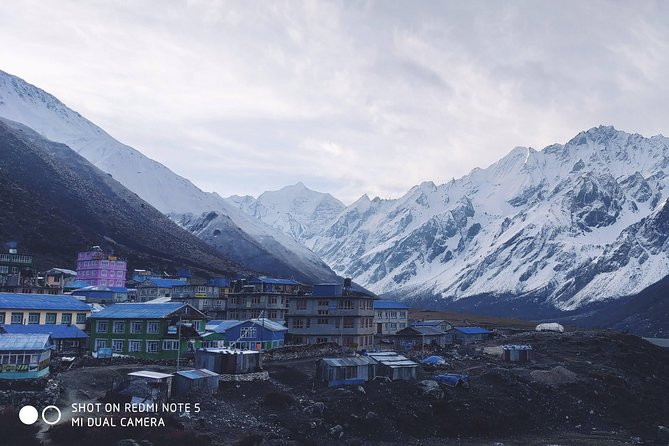
Day 6 is your sightseeing day in and around Kyanjin Gompa. You’ll visit old Buddhist monasteries and take some walking time for big views—especially of icy cones of Langtang peaks and glacier areas.
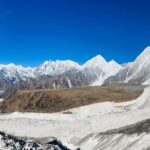
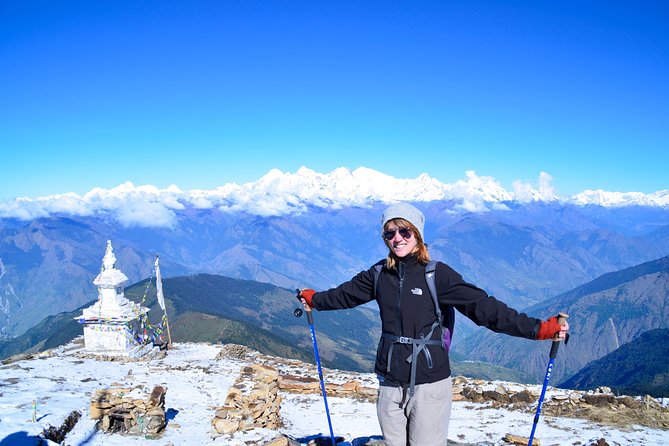
Then you’ve got the highlight walk to Tserko Ri (5000m). The payoff here is the panoramic view of Langtang glaciers and Langshisha Kharka, an important yak pasture land. This is also the part of the trek that tends to feel hardest, because you’re gaining altitude and you’ll want to keep a steady pace.
Based on common feedback about this trek, this is the “challenge but worth it” day. You don’t need to sprint; in fact, you want the opposite. Move smoothly, take short rests, and keep your breathing under control.
Day 7 Back to Lama Hotel: Downhill That Still Counts
On Day 7 you head downhill back toward Lama Hotel (about 6 hours). This route moves through green forest and ethnic Tamang settlements.
Downhill sounds easy on paper, but it can be tough on knees and ankles. If you’ve got trekking poles, this is where they earn their keep. If you don’t, you’ll still benefit from careful foot placement and frequent short breaks.
Also, downhill days can trick you into walking too fast. Save your energy for tomorrow’s final approach back to Syabrubesi.
Day 8 to Syabrubesi: Easy Rhythm, Familiar Trails
Day 8 is another downhill trek (about 6 hours) from Lama Hotel back to Syabrubesi. The path goes through lush green vegetation, and the tone is calmer since you’re descending.
This day is perfect for catching your breath. You’ll likely feel more “human” than you did in the higher section, but it’s still a real trek day. Treat it like a workout finish, not a casual stroll.
Day 9 Kathmandu Return: A Hot Shower Might Still Be Wishful
After breakfast, you travel by local jeep or bus from Syabrubesi back to Kathmandu. Once you’re in the city, you go to your hotel to freshen up. If you want to shop or eat, Thamel is the obvious easy option.
Because WiFi and hot showers aren’t included during the trek, Kathmandu is where you can finally reset your routine. You’ll feel grateful for the city’s pace after days on trails.
Day 10 Departure: Fly Out With the Valley Still in Your Head
On Day 10 you’re dropped at the international airport for your flight home or onward. It’s a clean ending.
If you’re tempted to write this trek off as just “scenery,” don’t. The big peaks are the headline, but it’s the rhythm—forest to village, village to monastery, pasture to glaciers—that makes the memory stick.
Who This Trek Suits Best
This trip fits people with moderate physical fitness who are comfortable hiking several hours a day and handling altitude pressure with patience. It’s also a great pick if you want a trek near Kathmandu that still feels remote and culturally grounded.
It’s especially good if you like:
- teahouse lodge trekking (not camping-only)
- getting real glacier views through walking time, not just from one viewpoint
- mixing nature and cultural stops (monasteries, Tamang villages)
Trek Intensity and What to Watch for on the Trail
The itinerary includes multiple days of sustained walking, plus a higher walk to 5000m at Tserko Ri. That’s the point where altitude and cold can start affecting your pace.
A few practical ways to make this easier:
- Start slower than you think you need to on the climb days.
- Keep hydration steady, even when the air feels cooler.
- Dress in layers you can adjust quickly as you go from sun to shade in forest sections.
- If you’re sensitive to altitude, tell your guide early. A good guide can help manage pacing and rest breaks.
Also remember: lodge life is part of the experience. Don’t plan on hot showers, charging, or strong connectivity during trekking days.
Guides and Service: Why the Trip Usually Feels Smooth
A trekking guide can make or break your experience in Nepal, especially on a route with changing conditions and altitude. The company uses government-authorized guides, and names that have come up include Prakash, Buddhi, Bishal, Keshab, Zagat, and Ram.
You’ll also benefit from strong coordination from the trip organizer behind the scenes, and feedback on this trek often highlights how well communication happens before, during, and after the journey. One of the practical benefits you might notice: guides can help adjust the day’s feel when you want extra effort for an option like Tserko Ri.
If you need a porter, that’s available for an extra cost. Not having one isn’t automatically a problem, but it’s a key decision if you pack heavy or you want to focus on walking instead of carrying.
Should You Book the Langtang Valley Trek?
Book this trek if you want a high-mountain feeling without adding extra complexity. The itinerary is structured so you get time in Kathmandu, proper transport into the valley, several meaningful walking days, and a glacier-focused finish at Kyanjin Gompa with the Tserko Ri (5000m) view as the key “earned” moment.
Don’t book it if you’re looking for a super easy hike, guaranteed hot showers, or lots of connectivity on the trail. And if you’re unsure about altitude tolerance, treat Tserko Ri as a serious factor and plan to pace accordingly.
If you match the physical and comfort expectations, this is a strong value way to see Langtang up close.
FAQ
How long is the Langtang Valley Trek?
It’s listed as 10 days (approx.).
Where does the trek start?
The trek begins in Kathmandu, and you then drive to Syabrubesi to start the hiking portion.
What’s included in the price?
Airport and hotel shuttle by private car/jeep, a welcome dinner with cultural dance show, two nights of Kathmandu hotel accommodation with breakfast, trekking and entry permit fees, an experienced Nepal government authorized guide, lodge accommodations during the trek, local jeep transports between Kathmandu and Syabrubesi, and daily meals during the trekking days.
Are meals included during the trek?
Yes. The trek includes breakfast, lunch, and dinner every trekking day.
Do I need to pay for permits?
Essential trekking and entry permit fees are included.
Are there any altitude highlights?
Yes. There’s a walk to Tserko Ri (5000m) during the Kyanjin Gompa sightseeing day.
Do you provide a guide and support?
Yes. You’ll have an experienced, Nepal government authorized trekking guide, plus a first aid medical kit. A sleeping bag and company duffel bag can be provided if needed.
Is a porter included?
Porter service is not included and is available for an extra cost.
What is not included in the tour cost?
Not included are Nepal entry visa fees, international airfare, and WiFi/hot shower/charging conveniences during the trek. Tips for the trekking crew are also not included.
What is the cancellation policy?
You can cancel for a full refund if you cancel at least 24 hours before the experience’s start time. If the trek is canceled due to poor weather, you’ll be offered a different date or a full refund.