REVIEW · SA PA
SAPA: 1-DAY TREKKING TOUR WITH LOCALS, LUNCH & RICE FIELDS
Book on GetYourGuide →Operated by VietNam Venture · Bookable on GetYourGuide
Sapa turns into a real village story on foot. This Sapa trekking day (with an optional/typical 2-day, 1-night format) takes you through rice terraces, then into Black Hmong and Giay village life, led by locals who actually know the paths.
I especially like the cultural parts that are practical, not staged: you meet Black Hmong and Giay people and learn everyday traditions, including traditional indigo dyeing used for textiles. I also like the food setup—your lunch is home-cooked in a stilt house area near the Muong Hoa stream, and the overall day feels paced enough to enjoy it, not just race through it.
One thing to plan for: this is moderate trekking with steep, uneven steps, and rain can make it muddy fast. If you’re not ready for wet ground, you’ll feel it in your shoes and socks—though some guides can even help with Wellington boots when conditions get slippery.
In This Review
- Key things that make this Sapa trek worth it
- Sapa Stone Church to the valley: starting with direction, not confusion
- Y Linh Ho rice terraces: where the hike turns into real rhythm
- The walk to Lao Chai: about 3 hours of views and village paths
- Lunch in a stilt house by Muong Hoa: the meal that sets the day’s mood
- Ta Van and the Giay village feel: quieter paths, more breathing space
- Overnight in a homestay: simple, cozy, and part of the deal
- Price and value: what you’re paying for beyond the walking
- Pace, weather, and what to pack for muddy rice terraces
- Who this tour fits best (and who should choose differently)
- The fine print that affects your comfort
- Should you book this Sapa rice-terrace trekking tour with locals?
- FAQ
- Where does the tour start?
- How long is the trek and how many kilometers?
- What route will we hike?
- What ethnic groups and villages do we visit?
- Is lunch included, and what is it like?
- What’s the difficulty level?
- What should I bring?
- Is there a homestay?
- What’s included in the price?
Key things that make this Sapa trek worth it
- Small-group route that feels personal, not like a cattle line
- Y Linh Ho, Lao Chai, and Ta Van in one logical flow through the valley
- Indigo dyeing and textile knowledge tied to real village work
- Homemade lunch served in a traditional stilt house setting
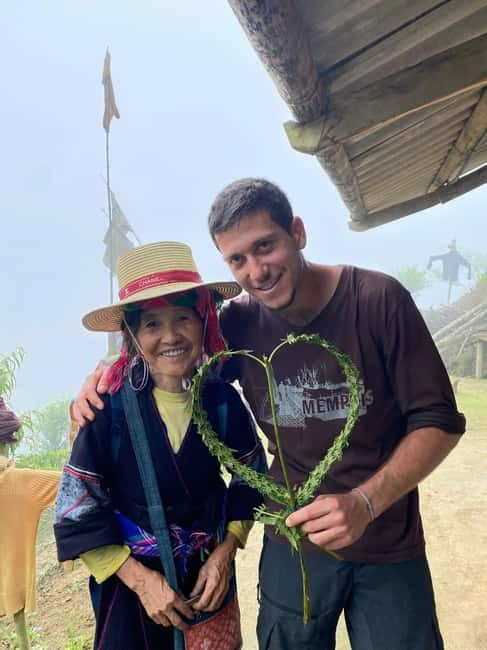
- Local women guides who help you understand what you’re seeing
Sapa Stone Church to the valley: starting with direction, not confusion
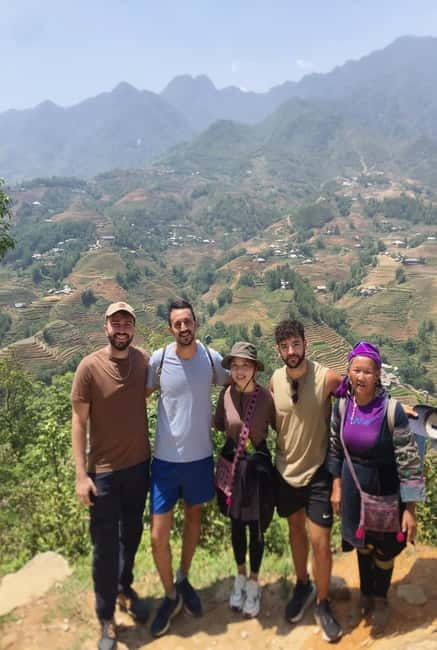
You kick things off at 9:00 AM at Sapa Stone Church in town. That meeting point matters because Sapa can be busy and hilly, and starting clearly reduces the usual early-day stress.
From there, you ride about 30 minutes into the valley before your feet hit the first village paths. I like this approach because you get the mountain scenery right away, without wasting the whole morning in traffic and waiting around.
The route you’re heading toward starts in Y Linh Ho, a home area of the Black Hmong people. Even before you reach the rice terraces in full view, the shift from town roads to footpaths sets the tone: quieter, narrower, and more human-scale.
You can also read our reviews of more tours and experiences in Sa Pa.

Y Linh Ho rice terraces: where the hike turns into real rhythm
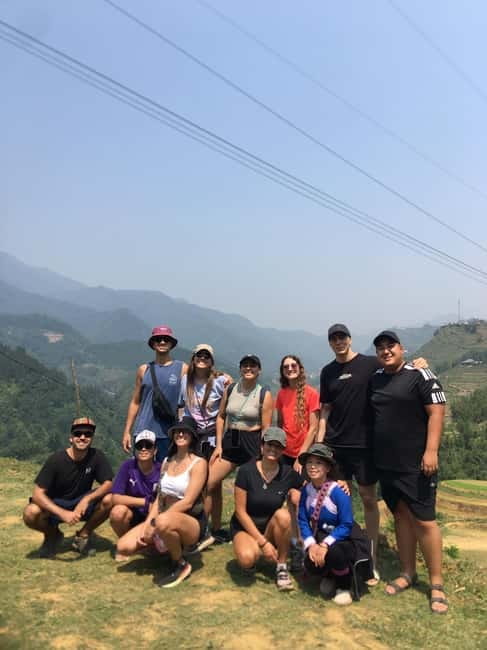
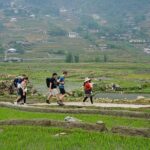
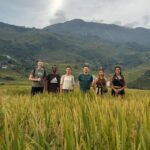
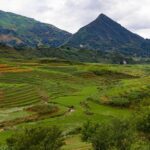
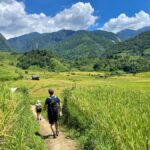
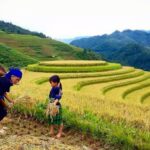
Y Linh Ho is where the big scenery payoff begins—terraced fields climbing the hillsides, framed by mountains and valley views. This is the part of the day where your legs learn the terrain and your eyes start reading the terraces like a map.
Expect a trek that mixes uphill sections with calmer village-path walking. The pace is usually steady, and guides will often adjust the route based on your preferences. In practice, that flexibility can be the difference between a hike that feels like work and one that feels like exploring.
This is also where the cultural learning fits naturally. You’ll get insight into how ethnic minorities farm rice on steep terraced hillsides, plus exposure to traditional indigo dyeing techniques tied to Black Hmong textiles. When cultural info shows up alongside daily labor, it sticks better—and it doesn’t feel like a lecture.
The walk to Lao Chai: about 3 hours of views and village paths
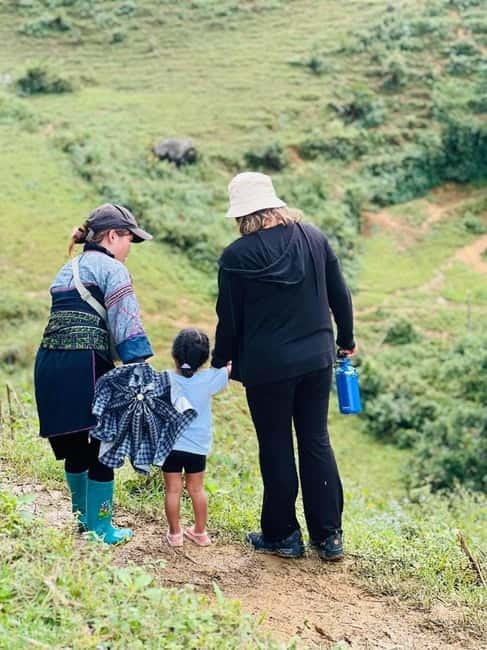
After Y Linh Ho, you continue toward Lao Chai, and the trek to reach it is roughly 3 hours. It’s a solid stretch, so bring the right mindset: you’re not just walking to a destination, you’re walking through the valley’s living “system”—fields, water, paths, and homes.
Lao Chai sits by the Muong Hoa River, and that’s why lunch here feels different from lunch in town. The air is cooler by the water, and the view gives you a sense of where the terraces connect to daily life.
This is also a good moment to slow down. If you’re the type who normally rushes scenery, Lao Chai helps you break that habit. You’ll start to notice the details: how people move along paths between fields, and how the river shapes the valley.
Lunch in a stilt house by Muong Hoa: the meal that sets the day’s mood
Lunch is served after you arrive at Lao Chai, in a traditional stilt house with sweeping valley views. The key word here is “homemade”—you’re eating local food prepared in a local setting, not a quick stop with a generic menu.
From what’s shared about the experience, portions are hearty, and you’ll likely feel well-fed for the rest of the day. One practical benefit: you don’t have to spend energy later tracking snacks, because the meal is built into the plan.
Dress and comfort matter for this part too. If it’s been raining, the ground and paths can be slick earlier. Having a change of clothes can make lunch and later walking more comfortable, especially if you’re staying overnight.
Ta Van and the Giay village feel: quieter paths, more breathing space
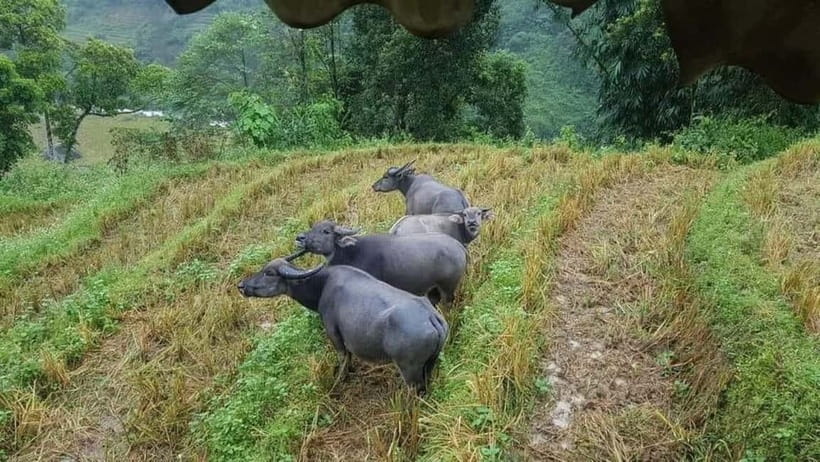
After lunch, you continue trekking through peaceful areas and reach Ta Van, a village home of the Giay people. This section often feels less intense than the first rice-terrace climb, with more time to notice the smaller details: bamboo around paths, household life at a slower pace, and the quiet that comes from being off the main tourist routes.
Ta Van is the “different lens” part of the day. You’ve already learned about Black Hmong life and textile traditions; now you’re seeing another community style—how people live, work, and relate to the terrain in their own way.
Once you reach Ta Van, a car picks you up and returns you to Sapa town. That means you’re not stranded or guessing transportation at the end of a long day, which is a real quality-of-life factor.


Overnight in a homestay: simple, cozy, and part of the deal
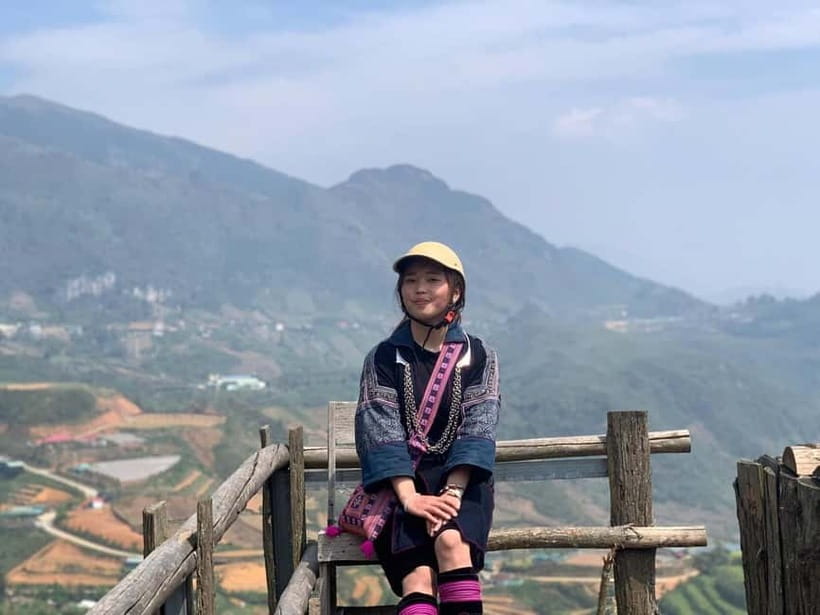
Even though the headline sometimes sounds like a one-day trek, the practical info you have includes a 2-day, 1-night structure and covers about 19 km with moderate terrain. That overnight piece is where the experience becomes more than a walk—it becomes a shared day with a local family.
The homestay is described as simple, authentic, and cozy, with basic facilities. You might sleep in a double bed setup depending on your family assignment. What I take from this: don’t expect hotel standards, but do expect warmth and real meals.
Dinner and breakfast are typically part of that homestay experience, with home cooking that people specifically remember—pancakes come up in the food stories. If you want the comfort of a real shower every hour, this isn’t that. If you want a genuine night in the mountains, this is the point.
Price and value: what you’re paying for beyond the walking
At $20 per person, the big value is that you’re not just paying for a guide—you’re paying for the full chain that makes the day work.
Included items cover:
- An English-speaking local guide
- Transport into the valley and back from Ta Van to Sapa
- Traditional lunch in a local house
- Entrance fees to villages and the activities tied to the route
That matters because trekking in Sapa isn’t only about the trail. It’s about permissions, village access, and communication—things that become a headache if you try to DIY without the right local contacts.
What’s not included is also useful to know:
- personal expenses and snacks
- travel insurance
- additional drinks during lunch
So the value story is: you’re getting the core experience (people, meals, access, and transport) for a low price, while you handle your own extras.
Pace, weather, and what to pack for muddy rice terraces
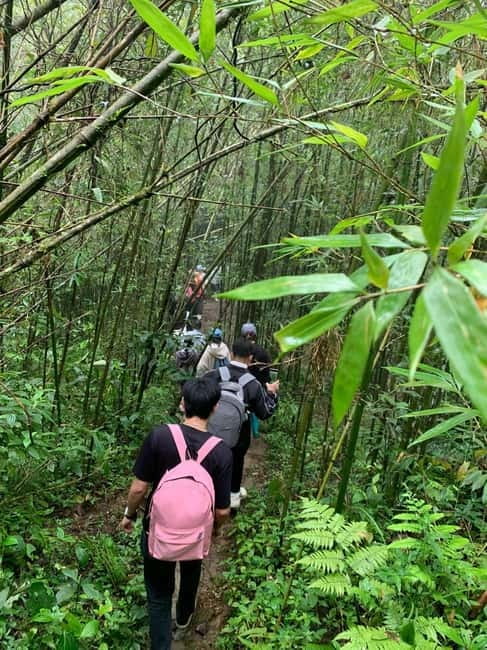
This trek is rated moderate, and you’ll face steep, uneven terrain. In Sapa, weather can change quickly, and rain can turn terraces and paths into slippery mud.
A smart trick is preparing like the ground is going to be wet. Bring:
- comfortable trekking shoes and clothes
- a light raincoat or jacket
- sunscreen, hat, and sunglasses
- mosquito repellent
- a change of clothes
One really practical point from the experience info: guides have offered Wellington boots when rain makes conditions muddy. You shouldn’t assume that gear is guaranteed for every departure, but knowing it’s sometimes available helps you decide whether to pack your own extra footwear.
If you’re sensitive to cold or damp, plan for it now. Soggy shoes can ruin your whole day. Extra socks are a small cost that saves the trek from becoming miserable.
Who this tour fits best (and who should choose differently)
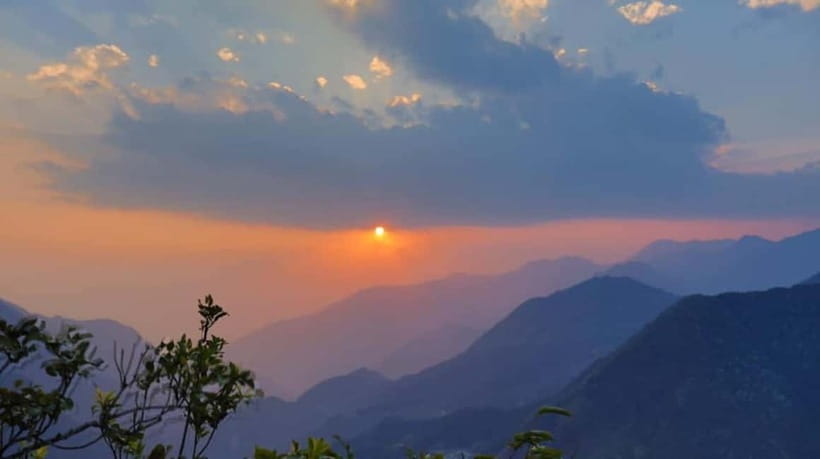
This is a good fit if you want:
- a small-group experience with more human conversation
- real village visits focused on daily life, not photo stops only
- a trek that’s active but not “train-to-finish-line” extreme
It’s especially appealing if you like meeting people—like guides such as Linh and hosts like the Lala family—who guide with warmth and show you the rhythms of the valley.
You might skip this (or at least think carefully) if:
- you hate uneven footing and steep climbs
- you need predictable, hotel-style comfort
- you’re traveling with very small babies (it’s noted as not suitable for babies under 1 year)
If you’re older than 95 years, it’s also listed as not suitable. If you fall into that range, you’ll want a gentler option.
The fine print that affects your comfort
Some details can shape your day more than you’d expect:
- You’ll be walking through village areas, so bring patience and a respectful attitude.
- It’s still a group tour, even with small-group intimacy. You won’t have total control over pace.
- The guide includes village entrance fees and activities, so you don’t need to budget for those day-of stops.
Also, there’s a nice bonus mentioned: discounted pricing for the next trip to Cat Ba Island or the Ha Giang Loop. If you plan to keep moving after Sapa, this can lower your total travel spend.
Should you book this Sapa rice-terrace trekking tour with locals?
Book it if you want Sapa that feels lived-in: rice terraces, village introductions, and meals with local families—at a price that’s hard to beat for what’s included. It’s also a strong choice if you like small groups and you care about learning something real, like how indigo dye work connects to everyday textile traditions.
Hold off if you’re only in Sapa for a quick, flat stroll. The terrain is uneven and sometimes muddy, and you’ll need decent trekking shoes and a rain-ready mindset.
If you do book, do it with one goal: slow down enough to notice the valley system—water, terraces, paths, and people. That’s where this trek becomes more than sightseeing.
FAQ
Where does the tour start?
The meeting point is Sapa Stone Church (town center). The start time is 9:00 AM.
How long is the trek and how many kilometers?
The fitness info provided says the tour runs for 2 days and 1 night, covering about 19 km.
What route will we hike?
The trek route is Y Linh Ho – Lao Chai – Ta Van, with a transfer back to Sapa from Ta Van.
What ethnic groups and villages do we visit?
You visit Y Linh Ho (home of the Black Hmong) and Ta Van (home of the Giay). Lao Chai is also part of the route before Ta Van.
Is lunch included, and what is it like?
Yes. You’ll enjoy a traditional homemade lunch in a local house, served at the Lao Chai area with views by the Muong Hoa stream/river.
What’s the difficulty level?
The trek is listed as moderate. Expect steep, uneven terrain.
What should I bring?
Bring comfortable trekking shoes and clothes, a light raincoat or jacket, sunscreen, a hat, sunglasses, mosquito repellent, and a change of clothes for later.
Is there a homestay?
The provided details say there is homestay involved. It’s described as simple, authentic, and cozy with basic facilities.
What’s included in the price?
Included: an English-speaking local guide, transport back to Sapa from Ta Van, traditional lunch, entrance fees to villages, and the activities mentioned in the plan. Not included: travel insurance, personal expenses, and additional drinks during lunch.