REVIEW · KATHMANDU
Annapurna Base Camp Trek 12 Days
Book on Viator →Operated by Adventure Glacier Treks & Expedition · Bookable on Viator
If you want the Himalayas without chaos, this trek is for you. It’s a structured Annapurna Base Camp route with day-by-day pacing and real stops for culture, not just a mad scramble to a summit. Two things I especially like are the focus on safety-first guidance and the way the itinerary threads in Gurung and Magar village life as you walk.
One watch-out: altitude hits you differently day to day, and the plan expects you to keep a moderate fitness pace. If you’re expecting an easy stroll every single day, you’ll want to set expectations now.
Here’s the honest take: this trip feels like a good mix of mountain effort and practical comfort—plus you get those classic sunrise moments that make Annapurna Base Camp so addictive.
In This Review
- Key highlights that make this Annapurna Base Camp trek work
- Annapurna Base Camp with a plan you can actually follow
- Thamel (Kathmandu) arrival: you get met, then briefed
- Pokhara lakeside reset: the long-but-simple road day
- Nayapul to Tikhedhunga: your first feel of the Annapurna region
- Ulleri stairs to Ghorepani: 3,000 stone steps, then calm
- Poon Hill sunrise day: short walk, big pay-off
- Chhomrong and Gurung village life: culture with a view
- Dovan and the valley approach: long days, good reason
- Deurali: when altitude starts getting real
- The Annapurna Base Camp area: route changes keep you safer
- Back to Dovan, then Sinuwa: your legs get a break, mostly
- Jhinu hot spring day and the Pokhara finish
- What $799 per person actually buys on this trek
- Guides and support: the team factor you’ll feel daily
- Food and lodge comfort: three meals a day, and that’s the point
- Fitness reality check: moderate is enough if you pace well
- Who this private Annapurna Base Camp trek is best for
- Should you book Adventure Glacier Treks for Annapurna Base Camp?
- FAQ
- What does the 12-day Annapurna Base Camp trek include?
- What is the price for this trek?
- Where does the trip start?
- Do you get airport pickup and transport?
- Are drinks and tips included?
- Are meals covered in Kathmandu and Pokhara?
- Are trekking porters included?
- What permits are covered?
- What should my fitness level be?
- Is route planning flexible around hazards at base camp?
- What is the cancellation policy?
Key highlights that make this Annapurna Base Camp trek work
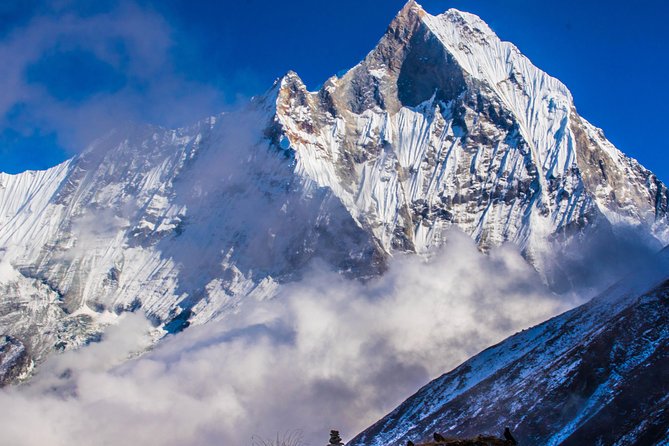
- Sunrise planning at Poon Hill (3,200m) for big views without a marathon day
- Gurung village stops like Chhomrong, where culture is part of the walking route
- Lodge-based comfort with three meals a day while you’re on trek
- Route flexibility near the Annapurna Base Camp area, adjusted for season and conditions
- Airport pickup plus Pokhara transport, so you’re not piecing logistics together
- Strong staff support reputation, including named leaders like Dil Prasad Sapkota and guides such as Arjun, Sudip, and others
Annapurna Base Camp with a plan you can actually follow
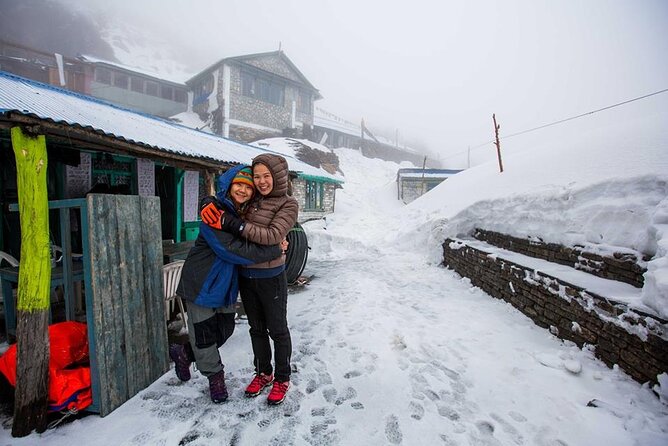
Annapurna Base Camp sounds famous—and it is—but the trip’s real value is how it’s organized. You don’t just get a route on paper. You get transport, permits, lodge stops, and a guide who’s meant to manage the day-to-day decisions on the trail.
I also like that it’s a private tour for your group only. That matters when timing, pace, and rest stops matter more than crowd photos. And yes, you still get the big moments: sunrise views, ridge villages, and the steady climb into Annapurna’s high country.
You can also read our reviews of more tours and experiences in Kathmandu.
Thamel (Kathmandu) arrival: you get met, then briefed
Day 1 starts in Thamel, Kathmandu. An airport representative meets you at Tribhuvan International Airport, then you’re transferred to a hotel. After that, you get a briefing—this is where your trek actually begins, because you’ll learn the basics of what’s ahead and how the team runs the days.
Why this helps you: Kathmandu can feel like a blur. Having someone greet you and handle the transfer means you spend less energy on figuring things out and more on resting for the trek start.
Pokhara lakeside reset: the long-but-simple road day
On Day 2, you take a tourist bus from Kathmandu to Pokhara. It typically leaves around 7:00 a.m. and takes about 6–7 hours depending on road conditions. Once you arrive, you check in, rest, and get your bearings around Pokhara lakeside.
This is one of those days that doesn’t look glamorous on a brochure, but it matters. Pokhara is where you recharge before the trail work ramps up. Also, travel with a planned transfer reduces the stress that often kills trekking motivation.
Nayapul to Tikhedhunga: your first feel of the Annapurna region
Day 3 moves you from Pokhara toward the trek trail. You drive to Nayapul (about 2 hours), then start hiking from there. The route threads through countryside before it links up with the Modi River confluence area.
What you should expect here: this day is usually about rhythm. You’re not yet chasing the huge view payoffs, but you are getting your body into trekking mode—boots on, steady pace, and learning how your day feels before altitude starts turning up the volume.
Ulleri stairs to Ghorepani: 3,000 stone steps, then calm
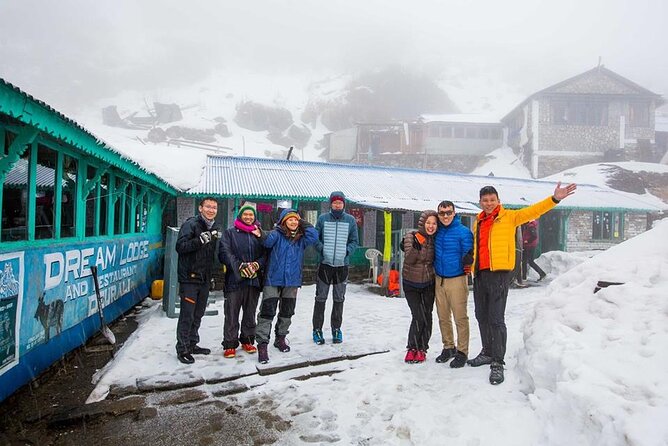
Day 4 heads toward Ghorepani. After breakfast, you climb uphill to the village of Ulleri. The itinerary calls out around 3,000 stone steps to Ulleri, taking about 2 hours.
Then you continue toward Ghorepani. This is a classic Annapurna rhythm: effort, then gradual settling into the next overnight area. If your calves are already arguing with you by midday, you’re doing it right.
Poon Hill sunrise day: short walk, big pay-off
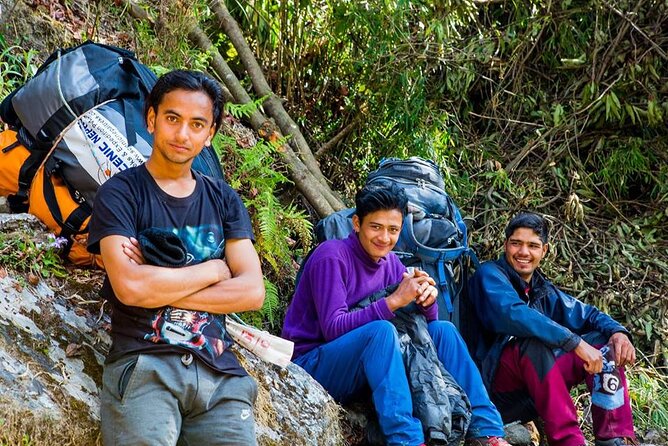
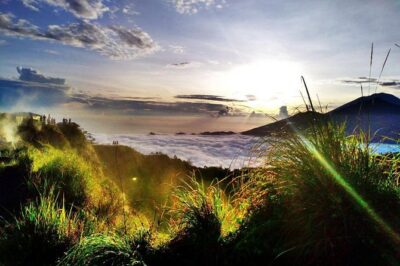
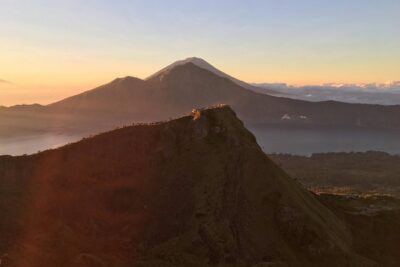
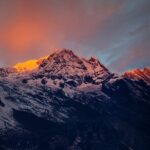
Day 5 is your Poon Hill day. You’ll walk about 50 minutes up to Poon Hill at 3,200m to catch sunrise over the Himalayas. The plan notes visibility of around 15 peaks from that viewpoint.
This is one of the best-value days on the trek because the timing is focused. You’re not hiking for hours just to see something for 10 minutes. You’re taking a relatively short effort for a payoff that’s the reason people keep coming back to the Annapurna region.
Practical tip: sunrise mornings can feel colder than you expect. Pack for chilly starts, not just for warmth later.
Chhomrong and Gurung village life: culture with a view
Day 6 takes you toward Chhomrong. After reaching the area of Tadapani, you descend about 900 meters to the Gurjung River valley, then gradually climb along the ridge to Chhomrong. Chhomrong is described as a large Gurung village in the Annapurna corridor.
Here’s what I like: culture isn’t treated as a box-check stop. It’s part of how you move through the region. When you walk into a community like Chhomrong, the pace slows naturally. You’re not just collecting scenery; you’re moving through real places where people live.
Dovan and the valley approach: long days, good reason
Day 7 heads toward Dovan. The day includes descending from Chhomrong Khola and climbing up Sinwa for about 3 hours. From there, you enter a steep valley toward Annapurna Sanctuary at the foothills of Annapurna South and Fishtail.
This is where the trek begins to feel more serious. The terrain trends toward steeper, more concentrated effort. If you’ve kept a steady pace so far, you’ll be able to handle this without feeling like you’re sprinting the whole way.
Deurali: when altitude starts getting real
Day 8 is Deurali. Above Dovan, the itinerary notes you start to feel the effects of altitude. You ascend slowly for about 2 hours to reach another Himalayan hamlet, with a quiet trail through lush green forest.
The “slowly” part is not a suggestion here. It’s the difference between finishing the day feeling steady versus spending the night regretting your enthusiasm. If you tend to push early, treat this day as your training day for smarter pacing.
The Annapurna Base Camp area: route changes keep you safer
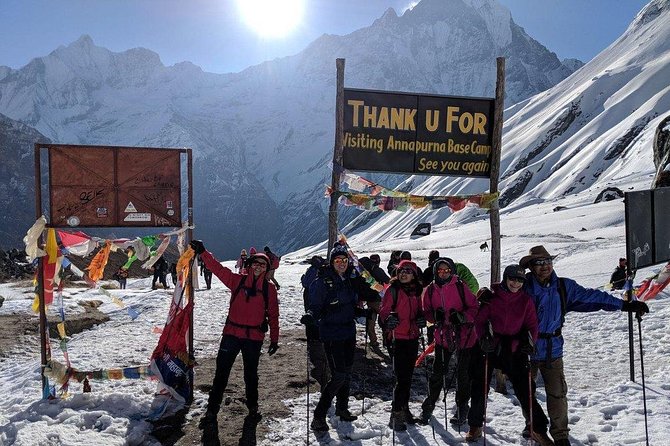
Day 9 is the big one—Annapurna Base Camp. The itinerary specifically warns that the trail from Deurali to Fishtail Base Camp is avalanche-prone. Because of that, the team changes the route across the Modi River depending on situation and season. Expect about 2 hours to reach the Fishtail Base Camp area.
This is where the guide’s job is most important. A route that’s “standard” in good conditions can shift in real conditions. So you’ll want to trust the plan and stay flexible if the route needs to adapt.
Back to Dovan, then Sinuwa: your legs get a break, mostly
Day 10 is the return to Dovan after sunrise. You hike back toward Doban area, where the trail can start steep, then turns into more gradual downhills. Dovan is described as a river junction of two streams, so you’re walking through a more natural, quiet river setting.
Day 11 shifts again. You follow a path along the river and through peaceful forest near waterfalls, with birds and sounds called out in the itinerary. You take an easy hike up toward Sinuwa Hill and overnight at a trekking lodge at Sinuwa.
This combo is great if you want to finish the trek without making every day a fight. It also helps psychologically: you’re leaving the highest stress zone and moving toward a more relaxed pace, even though you’ll still feel the trek in your knees.
Jhinu hot spring day and the Pokhara finish
Day 12 is a recovery-focused ending. The plan includes trekking about 2 hours to Jhinu and spending time in the natural hot springs for a bath. Then there’s lunch there and a drive back to Pokhara.
Why this ending works: you get a real decompression moment right after the trek. Instead of immediately switching from hike to travel chaos, you get to soak your legs, eat, and then do the last transport leg.
What $799 per person actually buys on this trek
This trek costs $799 per person for about 12 days, and that price makes sense when you look at what’s included. You get accommodation at lodges en route, plus three meals a day while trekking (breakfast, lunch, dinner) with tea or coffee along the way.
You also get ground transportation, airport pickup/drop, and a professional guide with expenses covered (including insurance and equipment). Permits and fees are included too, including ACAP and local permits.
Where the extra costs usually show up:
- Beverages during the trek
- Tips for your guide
- Your travel insurance
- Your meals in Kathmandu and Pokhara
- Accommodation in Kathmandu
- A trekking porter only if you choose to add one
This is a good value setup if you want less planning stress. You’re paying for the structure: transport, permits, meals, and lodge stops. If you’d rather build your own route day by day, you might find cheaper options—but you’ll also take on more risk and planning work.
Guides and support: the team factor you’ll feel daily
From the feedback, I see a pattern: the company leans hard into support before and during the trek. Dil Prasad Sapkota is mentioned as helping in the weeks leading up to the journey with advice and document processing. There’s also an example of the team handling a weather disruption when a flight to Pokhara was canceled, with quick solutions to get someone to the destination.
On the trek side, guides named include Arjun and Sudip. Porters and porter-guide roles are also noted, including Krishna and Ram in different trips. That matters, because lodge trekking is not just about walking. It’s about comfort with the plan, knowing what to do when conditions change, and having someone who can guide you through small problems before they snowball.
Food and lodge comfort: three meals a day, and that’s the point
You’re getting three meals a day while on trek, plus tea/coffee with those meals as noted. Lodges are the accommodation type en route, which usually means warm-ish rooms, basic bedding, and a communal dining area for meals.
I like this because it removes the daily budgeting headache. You know you’ll eat—breakfast, lunch, and dinner—without needing to constantly decide what restaurant to trust. And after long hiking days, reliable food access is not a small thing.
Fitness reality check: moderate is enough if you pace well
The trip is designed for travelers with moderate physical fitness. You’ll be walking multiple days in a row, including steep segments and stair climbs.
Two itinerary pieces give you a clue about difficulty:
- Day 4 includes about 3,000 stone steps to Ulleri.
- Day 9 highlights an avalanche-prone area and route adjustments, meaning your guide is actively managing safer terrain.
If you’re a regular walker and you can handle uneven uphill and downhill for stretches, you should be fine. If you’re coming off an injury, or you expect zero discomfort, this route may feel harder than you want.
Who this private Annapurna Base Camp trek is best for
This is a strong fit if you want:
- A private experience for your group
- A clear structure: transport, permits, lodge stops, and meals
- Sunrise moments built into the plan (Poon Hill and then base camp sunrise)
- A team that helps with planning and responds when weather disrupts travel
It’s less ideal if you want total independence and you’re comfortable managing permits, route decisions, and meal budgeting yourself.
Should you book Adventure Glacier Treks for Annapurna Base Camp?
If you’re aiming for Annapurna Base Camp with less stress and more certainty, I’d book this style of trip. The biggest reasons are simple: permits and meals are handled, lodge trekking is built in, and the base camp day includes avalanche-prone route awareness with planned flexibility.
Also, the guide support story is reassuring. When people specifically mention named staff like Dil Prasad Sapkota, Arjun, Sudip, and porter Krishna or Ram, it signals a team that stays involved rather than disappearing after check-in.
One more deciding factor: if you want the Himalayas experience to feel organized, not improvisational, this itinerary is the right shape. You’ll still work hard. You’ll just be working with a plan instead of around one.
FAQ
What does the 12-day Annapurna Base Camp trek include?
It includes lodge accommodation en route, three meals a day while trekking (breakfast, lunch, dinner) with tea/coffee en route, ground transportation, a professional guide (with insurance and equipment), airport pickup/drop, and applicable permits and fees including ACAP and local permits.
What is the price for this trek?
The price is $799.00 per person.
Where does the trip start?
The meeting point is Tribhuvan Airport in Kathmandu, Nepal.
Do you get airport pickup and transport?
Yes. Airport pickup/drop is included, and you’ll also get ground transportation. Kathmandu to Pokhara is by tourist bus, and you drive to the trail start via private vehicle.
Are drinks and tips included?
No. Beverages and tips for the guide are not included.
Are meals covered in Kathmandu and Pokhara?
Breakfast, lunch, and dinner in Kathmandu and Pokhara are not included. The included meals apply to the trekking days.
Are trekking porters included?
A trekking porter is not included unless you choose to get one.
What permits are covered?
All applicable permits and fees are included, including ACAP and local permits.
What should my fitness level be?
The trip notes a moderate physical fitness level. You’ll face uphill sections, including a major set of stone steps on the route.
Is route planning flexible around hazards at base camp?
Yes. The trail toward Fishtail Base Camp is described as avalanche-prone, and the route across the Modi River can change depending on situation and season.
What is the cancellation policy?
Free cancellation is offered up to 24 hours in advance for a full refund. Canceling less than 24 hours before start time is not refundable.