REVIEW · SAPA
Sapa Mountain View and Villages Trek
Book on Viator →Operated by Sapa Trekking Hiking Tours · Bookable on Viator
Mountain views in Sapa feel bigger than photos. This trek gives you panoramic Muong Hoa valley sightlines, then trades the viewpoints for close-up looks at everyday village life along the way.
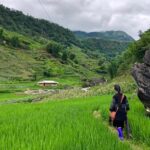
What I like most is the mix of scenery and people: you’ll see terraced fields below you, and you’ll walk through Hmong villages where you can spot how traditions shape daily living. One thing to consider is the pace: it calls for moderate physical fitness, so if you want a totally easy stroll, this may feel like work.
In This Review
- Key Points You’ll Care About
- Where This Sapa Trek Starts and How the Day Flows
- Hau Thao and Hang Da: Views, Wooden Houses, and a Downhill Feeling
- Getting the Most from Your Guide’s Explanations
- Giang Ta Chai Village on the Muong Hoa River
- Lunch, Water, and Village Fees: What the $35 Covers
- The Actual Walking Style: Moderate Fitness, Not a Race
- Weather, Timing, and How to Stay Comfortable
- Who This Trek Fits Best (and Who Might Prefer Something Easier)
- Should You Book the Sapa Mountain View and Villages Trek?
- FAQ
- How long is the Sapa Mountain View and Villages Trek?
- Where does the tour start?
- What’s included in the $35 price?
- Does the tour offer pickup?
- Is there a fitness requirement?
- What happens if the weather is poor or I need to cancel?
Key Points You’ll Care About
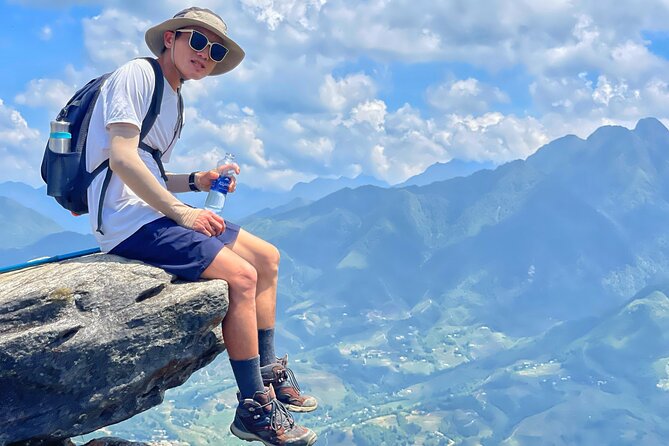
- Panoramic Muong Hoa valley views from higher ground, with terraced fields and village clusters far below
- Hau Thao and Hang Da stop with village architecture details, including why many houses are built small and wooden
- Giang Ta Chai village by the Muong Hoa river, plus cultural context during the walk
- A guide who manages the pace well, with English that makes it easier to connect with what you’re seeing
- Small group size (max 15) so you can ask questions and take breaks without feeling rushed
- Value packing: lunch, local guide, village entry fees, and transport back to Sapa are included
Where This Sapa Trek Starts and How the Day Flows
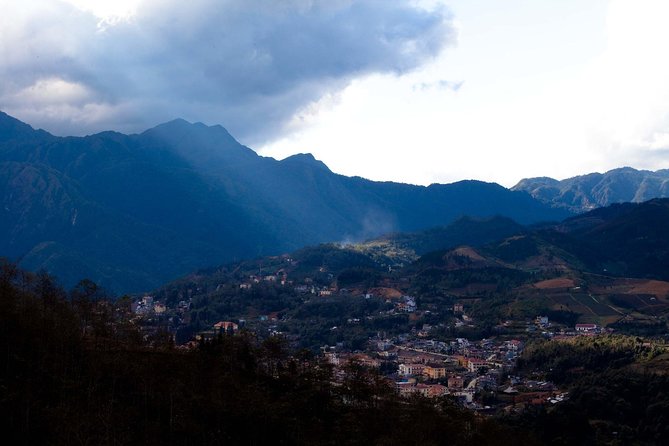
The tour starts at Sapa Church (P. Hàm Rồng, TT. Sa Pa, Sapa, Lào Cai) at 9:00 am, and it ends back at the same meeting point. If you’re staying in town, pickup may be offered, which helps keep the morning stress low.
This is designed as a 6-hour loop with walking between village areas and viewpoint stops. You’ll be moving downhill at times, then transitioning back toward Sapa by car, so it’s not all one long climb.
The day is also paced with a realistic rhythm: time for looking, time to learn, and time to catch your breath. That matters in Sapa, where weather can shift fast and trails can feel slippery after misty conditions.
Hau Thao and Hang Da: Views, Wooden Houses, and a Downhill Feeling
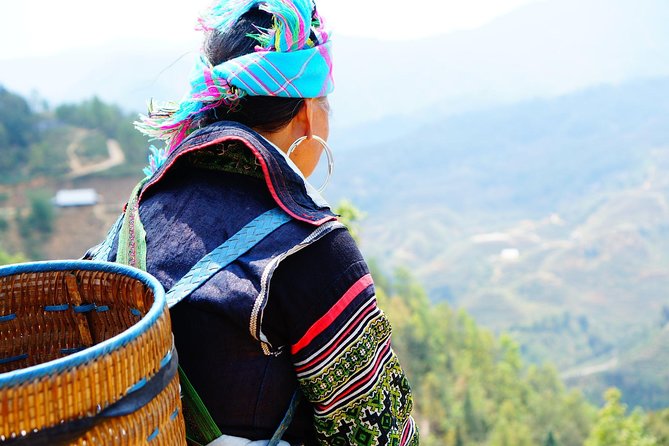
Stop 1 centers on Hau Thao, with a walk that starts after lunch and takes you downhill through the Muong Hoa valley direction. You’ll visit Hang Da and then continue to Hau Thao village, with the valley opening up in front of you as you go.
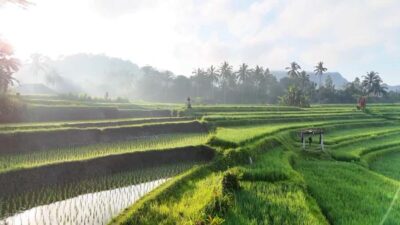
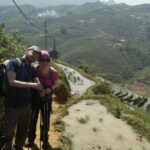
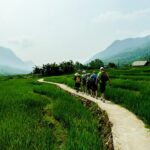
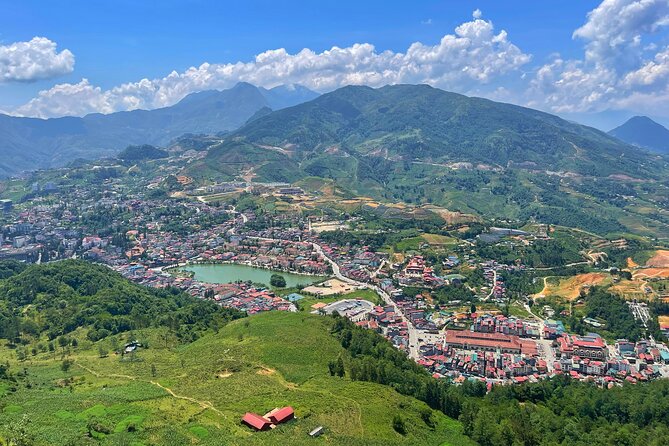
What makes this part special is the viewpoint angle. You’re higher than most of the fields and homes below, so the valley reads like a working map: terraced agriculture, scattered houses, and the river system shaping where people build and plant.
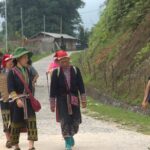
As you pass through, you’ll also pick up practical cultural details. In Hmong communities in this area, you can see how house size and construction relate to materials and daily needs, and you’ll hear why many homes are small and made of wood. It’s the kind of explanation that helps you stop guessing and start understanding.
The potential drawback here is the terrain feel. Even when the route is manageable, downhill sections can be tougher than they look, especially if your shoes aren’t grippy or you tend to get tired fast on uneven ground. If you’re the type who prefers flat walking, plan for a slower pace and more pauses.
Getting the Most from Your Guide’s Explanations
A big part of why this tour works is the way the guide connects what you see to what it means. In a past experience with Gio, the pacing stood out—he was patient and helped the group take multiple breaks without turning the day into a sprint. That’s not a small thing. When you’re walking in thinner mountain air and negotiating slopes, the ability to slow down makes the whole experience more enjoyable.
You’ll also get English support that helps you ask real questions rather than just nodding along. This matters in villages where you may feel curious about normal day-to-day routines, not just dramatic photo angles.
For you, the best strategy is simple: ask one question at each stop. Instead of waiting until the end, use the guide while you’re looking at the field layout, the house style, or the river line. The answers make the view feel less random and more intentional.
Giang Ta Chai Village on the Muong Hoa River
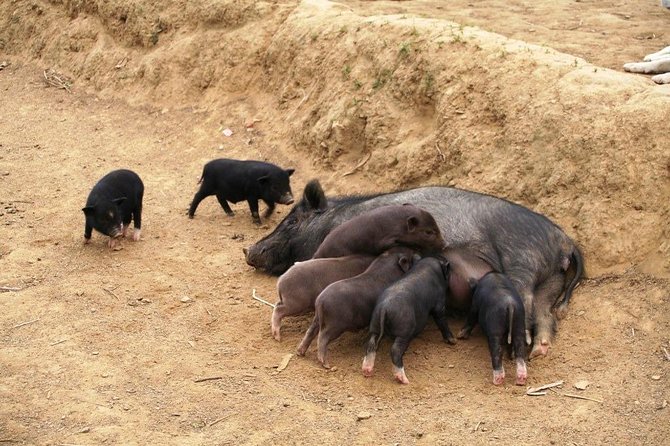
Stop 2 brings you to Giang Ta Chai village, described as a small Hmong community near the Muong Hoa river. This isn’t a quick drive-by stop. You’ll move from Hang Da to Giang Ta Chai, then spend time there in a way that ties the walk to the wider valley setting.
One of the most useful parts here is the context. The guide shares information about the topography and culture, and also talks about the establishment of Sapa tourist resort. That last piece helps you understand why Sapa developed the way it did, and how tourism and local life ended up shaping each other over time.
If you’re hoping for a purely scenic walk, you’ll still get plenty of river-and-field framing. If you’re more interested in how communities live in relation to land and water, this stop is where that story becomes clearer.
A consideration: this part is still village-based, which means you should be mindful and low-key. Keep your questions respectful, keep your pace slow through crowded spots, and remember the goal is learning—not disrupting daily life.
Lunch, Water, and Village Fees: What the $35 Covers
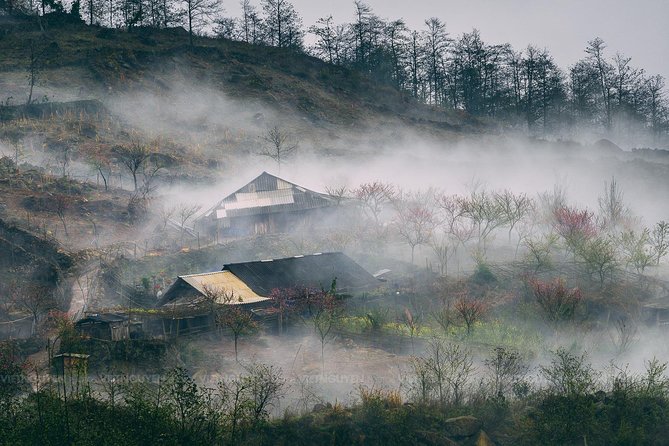
The price is $35 for about 6 hours, and it’s structured as a guided, included-items day—not a bare-bones transport-only outing. Here’s what you get:
- Local guide
- Lunch
- Village entry fees
- Transportation back to Sapa
- 1 small bottle of water
This is where the value becomes clear. You’re paying for someone to manage the route, provide cultural explanations, and cover access costs so you’re not figuring out village logistics on your own. In Sapa, that kind of local guidance can turn a standard walk into something more meaningful.
The lunch is included, but you should note it’s also the pivot point for the itinerary. Since the plan describes the downhill movement after lunch, it’s worth eating steadily and not skipping the meal—especially if you tend to feel lightheaded on active days.
What’s not included is also important: you’ll be responsible for personal travel insurance, and you’ll likely want to budget for extra drinks at restaurants (water or beer if you stop). Tips for the guide and driver aren’t included either, so have a small amount set aside if you feel it was deserved.
For $35, the smart way to think about it is this: you’re buying time with a guide plus access, and you’re avoiding the hassle of coordinating transport and village entry yourself.
The Actual Walking Style: Moderate Fitness, Not a Race
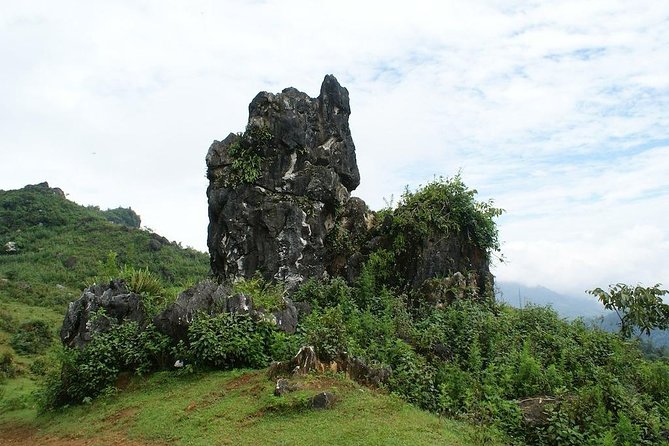
This tour is best described as a “walk with views” day. You’ll have downhill sections and time spent moving between village areas, but it’s not presented as a technical mountain trek. The requirement is moderate physical fitness, which is a good match for many visitors who can handle uneven ground for a few hours.
The practical side: you’ll feel tired more from footing and altitude than from a constant steep climb. If you’re used to flat walking only, you may want to plan extra breaks, because slopes add up.
This is also why the small-group limit matters: with a maximum of 15 travelers, the guide can keep an eye on people who need slower pacing. In the experience where Gio guided the group, his patience with multiple breaks was specifically noted, and that’s exactly what helps most on a mountain route.
Weather, Timing, and How to Stay Comfortable
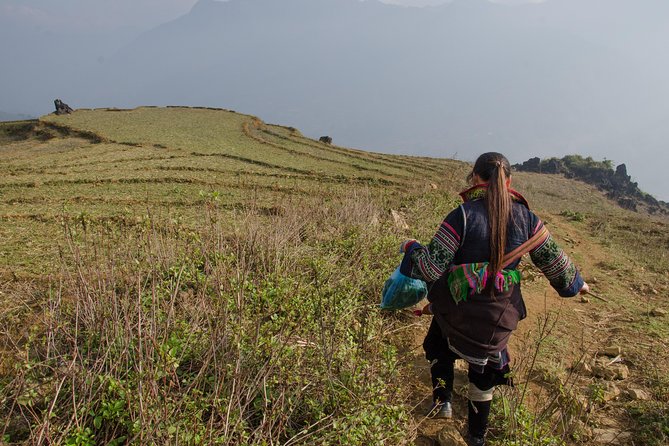
The experience requires good weather. If conditions are poor, you can be offered a different date or a full refund. That’s common in Sapa, but it’s still worth treating seriously, because fog and heavy rain can reduce visibility and make paths slick.
Timing is another comfort factor. Starting at 9:00 am gives you daylight for the valley views and helps you finish before evening crowds or nighttime travel plans. The tour ends back where you started, which is convenient if you have dinner reservations or a hotel close to town.
What to wear and bring will depend on the day’s conditions, but don’t overthink it:
- Wear shoes that handle uneven ground
- Bring a light rain layer if the forecast looks uncertain
- Use the included water early, then plan how you’ll handle hydration afterward
You’ll likely spend time looking out over terraced fields and village clusters, so you’ll want to be ready to stop and take photos without feeling rushed.
Who This Trek Fits Best (and Who Might Prefer Something Easier)
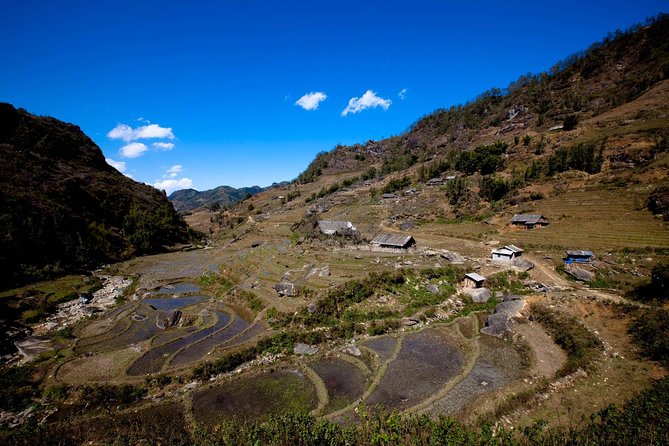
This trek is ideal if you want a short, structured Sapa experience with real village contact and valley viewpoints. It’s a strong fit for:
- First-time visitors who want Muong Hoa valley views without committing to an all-day multi-stage hike
- People who like learning context, not just taking pictures
- Small groups or couples who prefer a more personal pace
It may be less ideal if:
- You want minimal walking or totally flat trails
- You’re sensitive to uneven footing and downhill strain
- You’re traveling with limited tolerance for moderate activity
Also, since it’s village-based, keep expectations grounded. This is about daily life and culture in place, not about staged performances.
Should You Book the Sapa Mountain View and Villages Trek?
Yes, book it if you want the best Sapa mix of big valley views and Hmong village explanations in one half-day format. The inclusion of lunch, village entry fees, a local guide, and transport back to Sapa makes it feel fair on price—not just cheap on paper.
Don’t book it if you’re looking for an easy, purely scenic walk with no downhill sections or if your travel style is “no effort, all postcard.” With moderate fitness and good weather, this tour is a smart way to see more than just the town.
If you do book, make your day easier by arriving ready to walk comfortably from the start, eat the included lunch fully, and take your questions to your guide as you pass each viewpoint or village detail. That’s where the experience turns from pretty to genuinely informative.
FAQ
How long is the Sapa Mountain View and Villages Trek?
It runs for about 6 hours (approximately), starting at 9:00 am and ending back at the meeting point.
Where does the tour start?
The meeting point is Sapa Church, P. Hàm Rồng, TT. Sa Pa, Sapa, Lào Cai 333100, Vietnam.
What’s included in the $35 price?
The tour includes a local guide, lunch, transportation back to Sapa, village entry fees, and 1 small bottle of water.
Does the tour offer pickup?
Pickup is offered as a feature, and you’ll start from the Sapa Church meeting point.
Is there a fitness requirement?
Yes. You should have a moderate physical fitness level.
What happens if the weather is poor or I need to cancel?
The experience requires good weather. If it’s canceled due to poor weather, you’ll be offered a different date or a full refund. You can cancel for a full refund up to 24 hours in advance of the experience start time.