REVIEW · SA PA
From Hanoi: 2-Days Sapa Trekking Tour Lao Chai and Cat Cat
Book on GetYourGuide →Operated by Anny Travel · Bookable on GetYourGuide
Sapa is a long way from Hanoi, but worth it. This 2-day trek blends an early start by luxury limousine, classic village stops like Cat Cat, and a real hike day with rice terraces and streams. What I like most is how the Cat Cat section is laid out with a clear goal (valley views and a waterfall). The main thing to watch is weather and trail conditions on the longer day—if it’s misty or drizzly, the routes can get muddy and feel more slippery than expected.
Two parts I really like for your trip planning: first, the stop in Lao Cai lets you see traditional outfits from local groups like H’mong, Dzao, and Tay before you even reach Sapa. Second, you get an overnight in a Sapa hotel (or you can choose a homestay option), so you’re not rushing straight back to Hanoi after one day on the trail. It’s also guided by an English-speaking guide, which helps a lot when you’re trying to understand what you’re seeing in each village.
One consideration: this is not for everyone. The tour isn’t suitable for children under 8, pregnant women, or anyone with back or heart problems, and you’ll want solid shoes and warm layers. If you’re okay with 2-day hiking and changing weather, you’ll likely find this a good value way to see the most well-known Sapa communities.
In This Review
- Key things to know before you go
- From Hanoi To Sapa By Luxury Limousine: what the long ride buys you
- Lao Cai costume stop: the culture warm-up before Sapa
- Day 1 Cat Cat Village and the waterfall: the clear-cut highlight
- Free evening in Sapa town: plan it like a local
- Sapa overnight: hotel comfort vs homestay style
- Day 2 Lao Chai rice terraces and Muong Hoa streams: the big hike
- Weather reality check for Day 2 mud
- Ta Van Village and the return to Sapa town: finishing strong
- Price and value: is $90 per person fair for what you get?
- Gear and weather tips that actually help on these trails
- Who should book this Sapa trek (and who should skip it)
- Should you book the 2-day Sapa trek with Cat Cat, Lao Chai, and Ta Van?
Key things to know before you go
- Cat Cat waterfall trek is the easier, more scenic Day 1: about 3 km and around 2 hours down and back up.
- Day 2 can run long on distance: roughly 9–12 km over about 3.5 hours, with pacing adjusted to your ability.
- You’ll see multiple ethnic communities across stops in Lao Cai and Sapa, including Black H’mong areas plus Dzay (Dzao) communities.
- French-era history shows up in the hike at Cat Cat, tied to a hydraulic power station near the waterfall.
- Mud is the real variable: in low visibility or drizzle, rice-field paths can turn slick and narrow.
- Bring cash for small extras: drinks aren’t included, and it helps to be ready for small souvenir or tipping moments when guides are working hard.
From Hanoi To Sapa By Luxury Limousine: what the long ride buys you
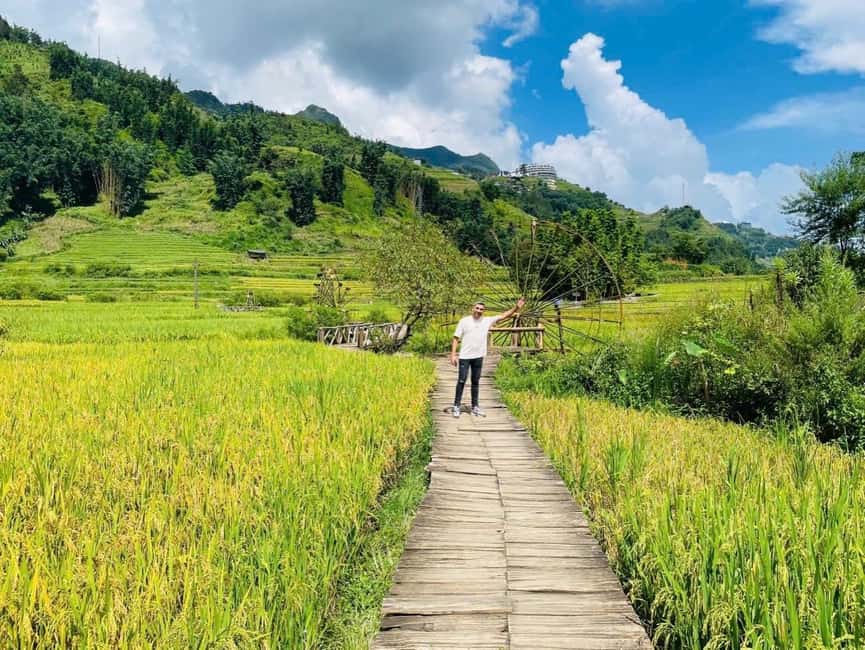
The day starts with pickup from your hotel in Hanoi’s Old Quarter. Then you head out on expressways toward Lao Cai and Sapa. The key point here is time. Sapa is far enough that you’ll lose half a day to travel if you do it on your own. With this plan, you’re using the ride to get started fast—so you actually get two meaningful days instead of just one long day tour.
This is also where the limousine part matters for comfort. Even if you’re used to buses, the ride is part of the experience. You’re arriving for breakfast timing and then getting into the rhythm of village stops and hikes without feeling like you’re always playing catch-up.
If you’re prone to motion sickness, keep that in mind for the outbound and return. The itinerary includes a couple of stops on the way back to Hanoi, but the main transfer is still a long mountain run.
You can also read our reviews of more tours and experiences in Sa Pa.


Lao Cai costume stop: the culture warm-up before Sapa
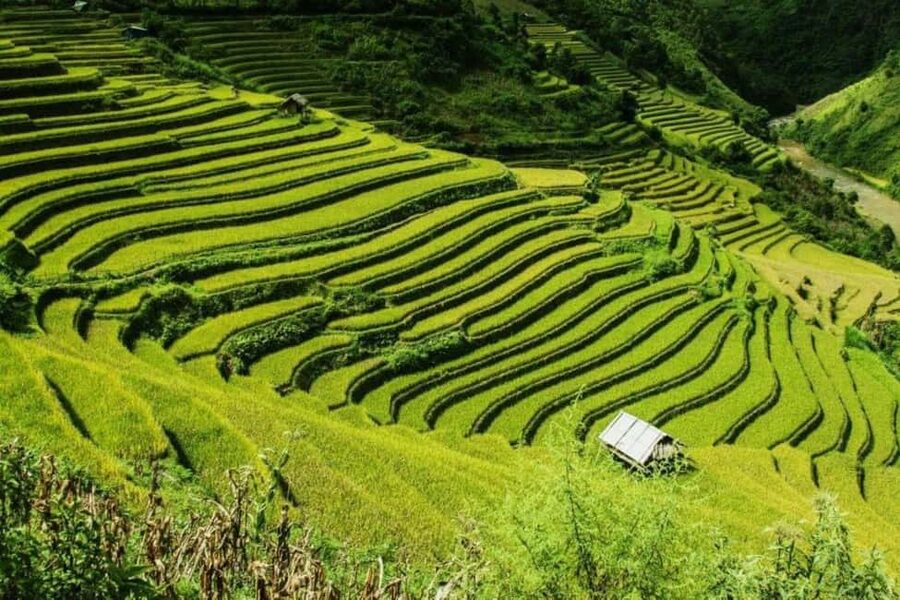
Before you reach Sapa, you stop in Lao Cai city. This is a quick but useful moment in the itinerary. You get to see colorful traditional costumes tied to groups like H’mong, Dzao, and Tay—the kind of visual context that helps when you later visit Black H’mong and Dzay communities during the treks.
Then you’re back on track for lunch at the hotel in Sapa. One practical detail: breakfast on Day 1 is by yourself in Lao Cai city. If you don’t love hunting down food after a morning pickup, pack a small snack you can eat early, just in case.
This section isn’t a full museum stop. It’s more like a “get your bearings fast” moment. And honestly, that matters in Sapa, because once you start hiking you’ll be looking at people, fields, and trails all at once.
Day 1 Cat Cat Village and the waterfall: the clear-cut highlight

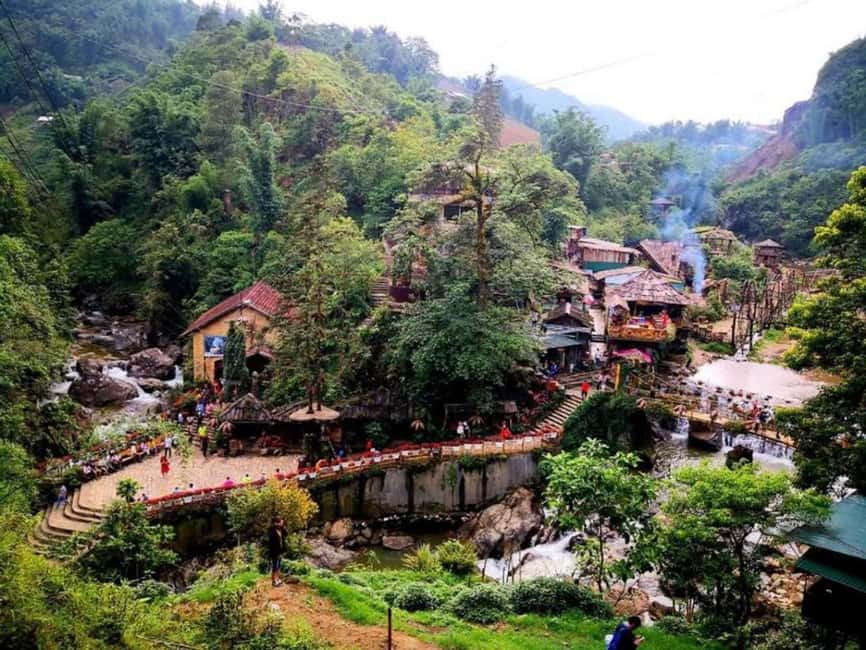
Day 1 focuses on Cat Cat village, home to the Black H’mong ethnic group. It’s located near the bottom of a deep valley at the foot of Fansipan Peak. That setting is the whole point. You’ll feel the valley walls and the open views in a way you can’t get from viewpoints alone.
After lunch, you start the short trek. It’s around 3 km and takes about 2 hours, and it’s guided. The walk goes down toward the valley area where you reach a waterfall. This is also where you’ll hear about a French-built hydraulic power station near the waterfall. It adds an interesting layer: you’re not only walking through scenery, you’re learning how the region’s water has been used.
What I like about this Day 1 pacing is that it gives you a win without exhausting you for the full next day. You’ll trek down, stop for photos, and then walk back uphill. If you’re nervous about trekking, Cat Cat is the section that helps you figure out your pace and footing.
The one reality check: the downhill and uphill mean you should wear comfortable shoes with grip. Even if it looks like an easy trek on paper, valley trails can be uneven.
Free evening in Sapa town: plan it like a local

After the Cat Cat trek, you return to Sapa town. The itinerary keeps the evening flexible, which is a smart choice. You can do something light—like strolling around and getting your bearings—or just take it easy at your hotel.
On this day you sleep in Sapa Lodge/Charm Sapa Hotel or similar, and there’s also a homestay option depending on what you choose. Having that overnight stop is valuable. It lets you sleep in the mountain air instead of treating Sapa like a one-night passing point.
For your planning: keep your evening low-stress. If you’re doing the longer Lao Chai and Ta Van trek on Day 2, you’ll want to wake up rested.
Sapa overnight: hotel comfort vs homestay style
The overnight is included, and you can choose between a hotel setup (like Sapa Lodge/Charm Sapa Hotel or similar) and a homestay option. This matters because comfort needs vary.
A hotel tends to be easier for:
- charging devices,
- showering without coordination,
- and storing a light hiking pack for the next day.
A homestay can be more “in the flow” with local life, but the exact experience will depend on the host. The itinerary does not give details beyond the option itself, so I’d treat it as a choice that trades comfort certainty for a more personal setting.
Either way, the tour includes time for you to recover. That’s not a small detail in Sapa. The second day is where your legs get the work.





Day 2 Lao Chai rice terraces and Muong Hoa streams: the big hike
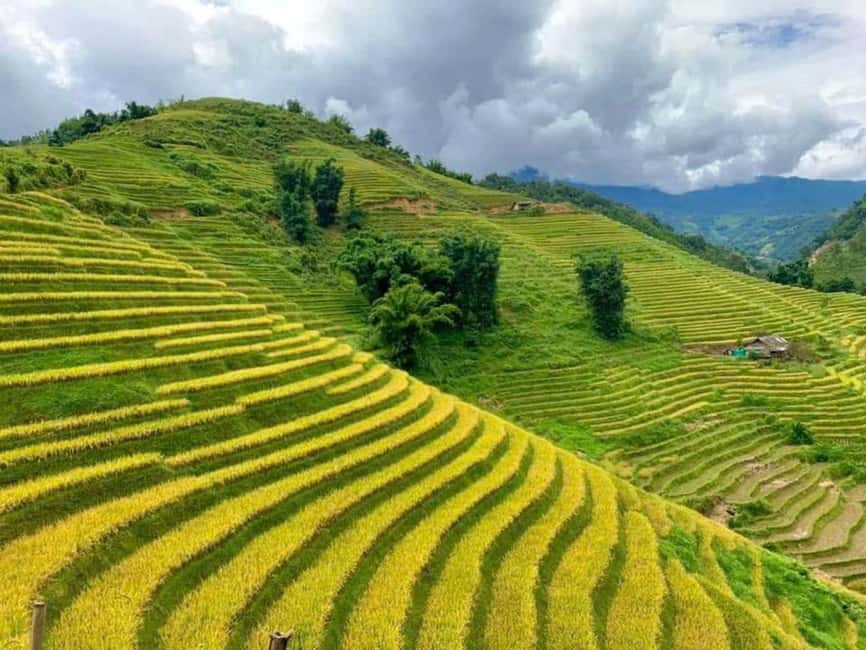
Day 2 starts with breakfast at your hotel. Then you prepare a light pack. Your luggage can stay in storage at reception, which is a big comfort win. You don’t have to carry everything on the trail, and that helps when you’re focusing on footing.
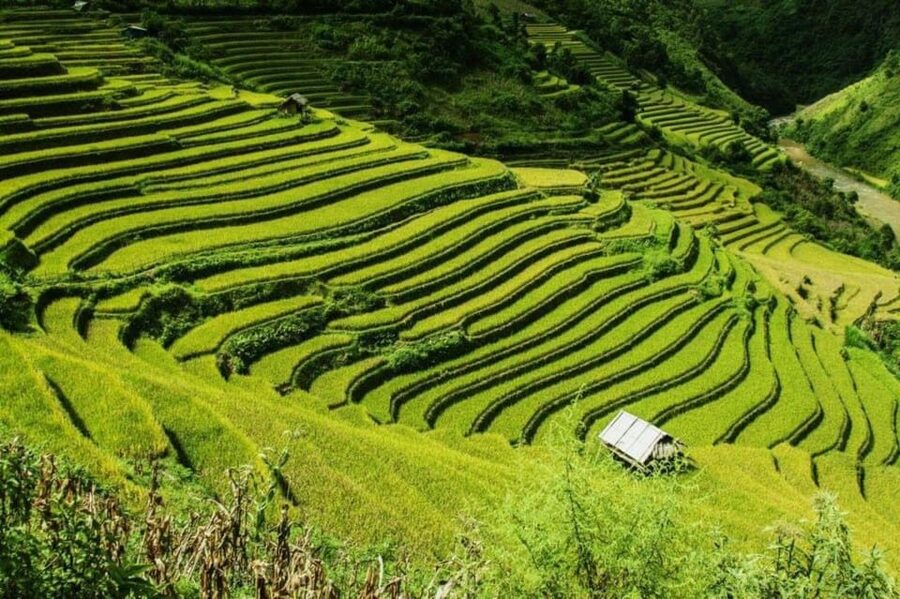
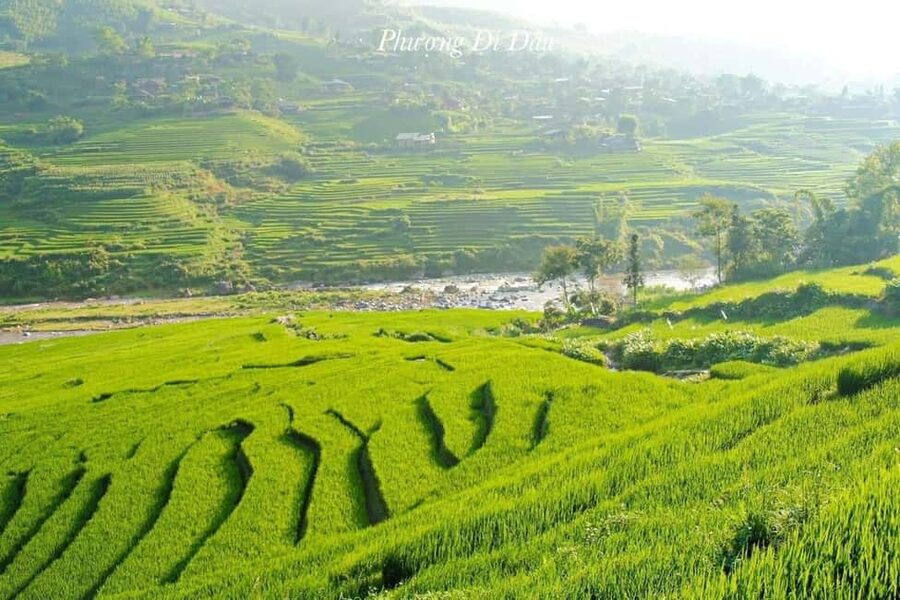
The main trek runs toward Lao Chai Village through rice terraces and along Muong Hoa Streams. This portion is designed to take you through the classic Sapa farming scenery while also reaching a Black Hmong village area.
Here’s what makes it special from a traveler’s point of view: it’s not just “a walk.” You’re moving through a working landscape. Rice terraces aren’t only a photo backdrop; they shape how trails are cut and where people farm. You’ll likely notice how the route follows the land rather than fighting it.
The trek includes views tied to Hoang Lien Son Mountain, which is mentioned as part of the day’s scenery. Even if the day is cloudy, you usually still get shape and depth from terraced slopes.
In terms of numbers, the trek takes about 3.5 hours and covers roughly 9–12 km. Your guide adjusts the best itinerary based on your trekking ability. That flexibility is practical. It means you’re less likely to feel like you must keep up with an overly rigid route.
Weather reality check for Day 2 mud
Here’s the drawback to plan for. On a rainy or misty day, the “rice fields + streams” part can get muddy. The route can include areas where the ground turns slick and narrow, and you might feel more cautious than you expected. In that kind of weather, having multiple guides can help, but it won’t erase the risk of slipping.
If the forecast looks wet, I’d bring shoes that can handle mud and grip. Also, don’t expect every section to be safe-feeling. Slow down, and treat footing as the main job.
Ta Van Village and the return to Sapa town: finishing strong
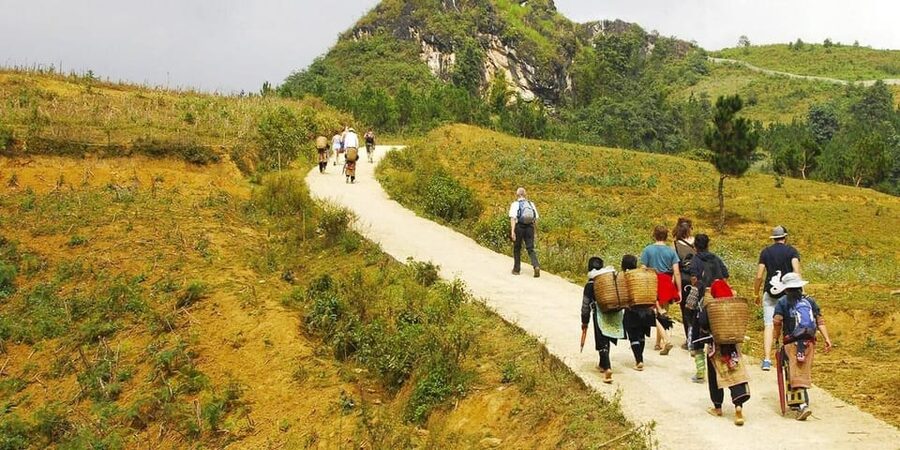
After Lao Chai, you continue to Ta Van village, home of the Dzay (Dzao) people. The itinerary describes this as part of the same trekking day, with an intentional move from one community and terrace area to another. This is a good way to see how local life shifts by valley and settlement.
The pacing matters. You don’t just go to one point and return. You finish the day at Ta Van Bridge, where the bus picks you up to return to the center of Sapa. That’s important because it saves energy. You get the hike, then you get the ride.
Back in Sapa, you’ll take a break and have lunch at the hotel. Then you get free time again, and you’ll meet your group to head back to Hanoi.
The bus leaves around 14:00, with a break during the journey, and you reach Hanoi in the late evening. That means you’ll want to avoid any big plans the night you return, unless you like rushing through sleep like a hobby.
Price and value: is $90 per person fair for what you get?
At $90 per person for 2 days, this tour can be good value if you’re counting what’s included, not just the headline figure.
What you get for that price:
- hotel accommodation in Sapa (or homestay option),
- meals included in the itinerary (Day 1 lunch, Day 2 breakfast and lunch),
- an English-speaking guide and local guiding support in Sapa,
- entry tickets to the indicated sites,
- transport between Hanoi and Sapa, plus transfers on the trekking day.
What’s not included:
- drinks,
- a single-room surcharge for solo travelers,
- holiday surcharge in Vietnam,
- and of course any extras you choose to buy along the way.
Where the value can wobble is weather and comfort expectations. If conditions are rough, it may take more energy from you on the long trek, and you’ll have less “easy scenic walking time” than you hoped. Also, it helps to remember that guides are with you for a reason—they’re working. If you want souvenirs or if you feel like supporting your guide beyond the fixed tour cost, plan a small extra budget.
Overall, if you want a structured way to see Cat Cat, Lao Chai, and Ta Van in two days with English guidance and an included hotel night, $90 is in the realm of fair.
Gear and weather tips that actually help on these trails
The tour asks you to bring:
- comfortable shoes,
- warm clothing.
I’d treat that as the minimum, not the maximum. For your comfort:
- Wear shoes with grip. The Day 2 route can involve rice-field mud when it’s wet.
- Bring a warm layer even in mild weather. Sapa mornings can feel chilly, and you’ll be out longer than you think.
- Pack a light day bag for trekking Day 2 since you keep luggage in storage.
- If you’re bothered by fog or drizzle, choose footwear and clothing you don’t mind getting dirty. The trail can get messy.
And keep your expectations realistic. Cat Cat is the smoother start. Day 2 is the leg work. The weather just decides how slippery the leg work feels.
Who should book this Sapa trek (and who should skip it)
This tour is best for you if:
- you want a classic Sapa route from Hanoi in 2 days,
- you like guided walking with English support,
- you want both village culture stops and proper trekking distance,
- and you’re okay with a possible weather twist on the longer hike.
You should skip it if:
- you can’t handle 9–12 km hiking on Day 2,
- you have back problems or heart problems,
- you’re pregnant,
- or you’re traveling with kids under 8.
If you’re a fit traveler who’s comfortable taking your time on uneven ground, you’ll likely find the itinerary hits the key villages without turning the trip into nonstop travel.
Should you book the 2-day Sapa trek with Cat Cat, Lao Chai, and Ta Van?
I’d book this tour if your goal is a guided, two-day sampler of Sapa’s most famous communities—Cat Cat on Day 1, then Lao Chai and Ta Van on Day 2, plus an overnight stay that actually lets you experience the town at night. The structure is solid, the Cat Cat trek is a strong start, and the included hotel plus meals makes it easier to travel light.
I’d hesitate if you’re sensitive to slippery trails or if you know your schedule can’t handle a muddy Day 2. In mist or drizzles, the longer trek can feel harder than the distance numbers suggest. If you’re prepared with grippy shoes and the right mindset, though, this is a practical way to get the Sapa experience without turning it into a logistics headache.
If you want, tell me your travel month and fitness level, and I’ll help you decide whether this specific 2-day plan sounds like a match for you.