REVIEW · HANOI
2-Days Sapa Trekking and Overnight in Tavan Village
Book on Viator →Operated by Best Vietnam Tours · Bookable on Viator
Sapa at this price feels like a bargain shortcut to real village life. This 2-day trek-and-stay focuses on Ta Van and Tavan Village with guided walks through rice terraces, Muong Hoa Stream views, and time with a hill tribe family, all while keeping your time tied to the mountains instead of constant city hopping.
What I like most is that you get two meaningful trekking legs—about 9km on Day 1 and 4km on Day 2—so the day actually has motion, not just a photo stop. I also like that the overnight is a real bungalow or wooden stilt house, plus food is covered (breakfast, lunch x2, dinner), so you’re not constantly calculating what you’ll pay once you’re already tired.
One thing to consider: timing and transport can feel less “tour-optimized” than you expect. There’s a cautionary example where an outbound ride was on a general sleeper bus rather than a dedicated tour bus, leaving people dealing with cold and darkness while waiting. So you’ll want to confirm pickup details and be prepared for a bumpy start.
In This Review
- Key Highlights You’ll Actually Feel on This Trip
- Price and Logistics: What Your $52 Really Buys
- Hanoi to Sapa by Air-Conditioned Bus: Long Ride, Clear Stops
- Day 1: The Y Linh Ho to Lao Chai to Ta Van Trek (About 9km)
- Check-In and Sunset Time: Sleeping in a Dzay Family Home Setting
- Day 2 Morning: Cooking Class With Pho and Nem Cuốn
- Giang Ta Chai Village Trek: Bamboo Forest, Rice Paddies, and a Bridge Stop
- Back to Sapa Town: One Hour to Walk, Then Straight to Hanoi
- What to Pack (So the Trek Feels Great, Not Grueling)
- Best Fit: Who Will Love This Tour (and Who Might Not)
- Should You Book This 2-Day Sapa Trek and Overnight in Tavan Village?
- FAQ
- What does the tour price include?
- Is pickup offered from Hanoi?
- How long is the trekking on Day 1 and Day 2?
- Where do you sleep overnight?
- What activities happen on the second day morning?
- What fitness level do you need?
- Is there any extra cost on public holidays?
Key Highlights You’ll Actually Feel on This Trip
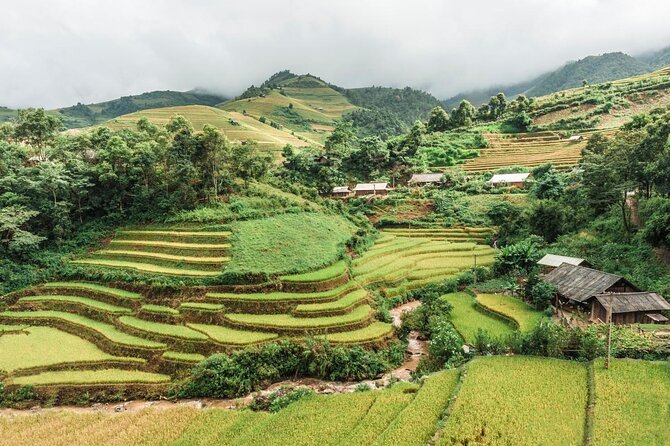
- Y Linh Ho to Lao Chai to Ta Van: a full afternoon trek with river and terrace views
- Stilt house or bungalow stay: simple lodging that’s part of the experience
- Food included end-to-end: breakfast, lunch twice, dinner, plus water on the bus
- Day 2 cooking class: you learn to make pho and nem cuốn before the next hike
- Giang Ta Chai rice fields and bamboo forest: a second trek with big photo payoff
- Small group cap (max 20): less crowding than the big Sapa day tours
Price and Logistics: What Your $52 Really Buys
At $52 for two days, the value is mostly in what’s bundled: round-trip Hanoi–Sapa transport (air-conditioned bus), an English-speaking guide, entrance tickets, Wi‑Fi on the bus and at the home stay, and meals. You’re also getting bottled water (2 bottles per person per way) and the overnight lodging type is specified as bungalow or wooden stilt house rather than a vague hotel promise.
That’s the key: you’re not just paying for a trek. You’re paying for the “glue” that connects the trek to sleeping in the village and eating on schedule. Many budget Sapa trips underprice the walk but then nickel-and-dime meals, transport segments, or guiding time. Here, the schedule already includes lunch and dinner, and you return to Sapa town for a short walk and shopping before heading back to Hanoi.
Still, cheap tours need a reality check. Your success depends on how the transport day is handled. If your pickup timing or bus staging isn’t tight, you can end up cold while waiting. That’s not unique to this company, but it’s important to treat as a real possibility. Bring layers. Use phone time checks. Confirm pickup the day before.
You can also read our reviews of more tours and experiences in Hanoi.

Hanoi to Sapa by Air-Conditioned Bus: Long Ride, Clear Stops
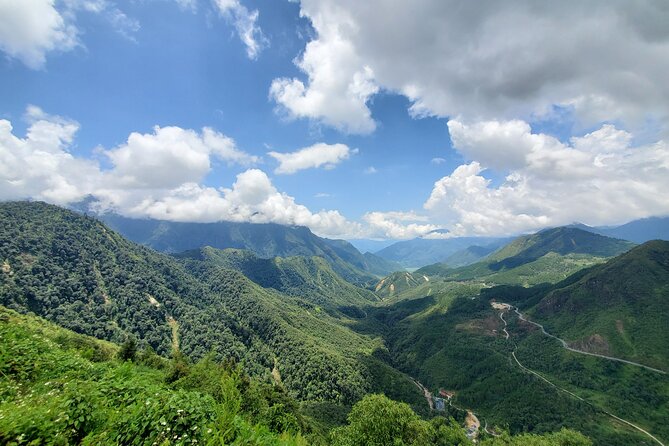
The tour starts with pickup in the Hanoi Old Quarter area around 6:00–6:30am. You’ll board a big bus and head to Sapa with rest breaks along the way. The plan includes a highway rest stop around 9:30 and another stop in Lao Cai city around 11:00 before pushing onward.
By 13:00, you’re in Sapa Town. Then there’s a short wait at the bus station (about 30 minutes) while the guide and driver transfer you onward to the hotel setup. Once you’re in place, you get a welcome drink, a quick itinerary overview, and lunch with local Vietnamese dishes.
Two practical takeaways here:
- Air-con can be strong. Even if Sapa is cool, the bus might feel colder than you expect. Pack something that you’ll actually wear.
- Your Day 1 trek starts at 14:15, so you’ll want to treat lunch as fuel, not a leisurely meal. Eat, then get ready to walk.
Also note the group size: max 20 travelers. That usually means fewer bottlenecks for transfers, and you’re less likely to feel like a number in a mega-tour.
Day 1: The Y Linh Ho to Lao Chai to Ta Van Trek (About 9km)
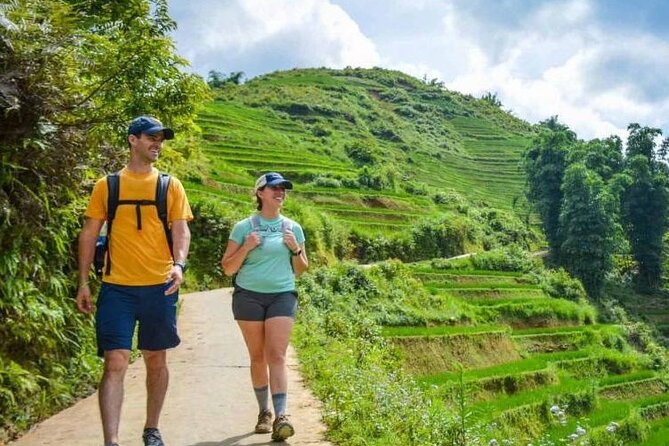
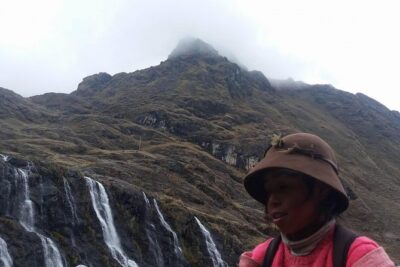
Day 1 is the backbone of this tour. After lunch, you begin hiking through Y Linh Ho, then move across rice terraces and along Muong Hoa Stream. This is where the Sapa trekking reputation becomes real: you’re not just walking through one village lane. You’re traveling through multiple kinds of scenery in a few hours—terraces, river edges, and ethnic community paths.
The itinerary lists about 9km total hiking time of around 3.5 hours. That’s a solid workout, but it’s not a multi-day endurance grind. Expect uneven footing in places—Sapa terrain rarely behaves like a city sidewalk.
You’ll pass through the area connected to the Black Hmong village of Lao Chai. The route is designed so you approach Ta Van in the late afternoon. This matters because Ta Van is the place you’ll sleep near, so the trek ends in a logical flow rather than starting-and-stopping randomly.
What you’ll probably enjoy most is how the walk changes character:
- Terraces and stream early on keep your pace interesting.
- Village segments near the end help you shift from scenery watching to human scale experiences—paths, people, and daily life.
And yes, you’re doing this on the same day you arrive from Hanoi. If you’re prone to motion sickness, treat the bus ride as your main risk. If you can handle a long morning transfer, Day 1 is very doable.
Check-In and Sunset Time: Sleeping in a Dzay Family Home Setting
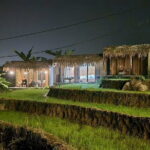
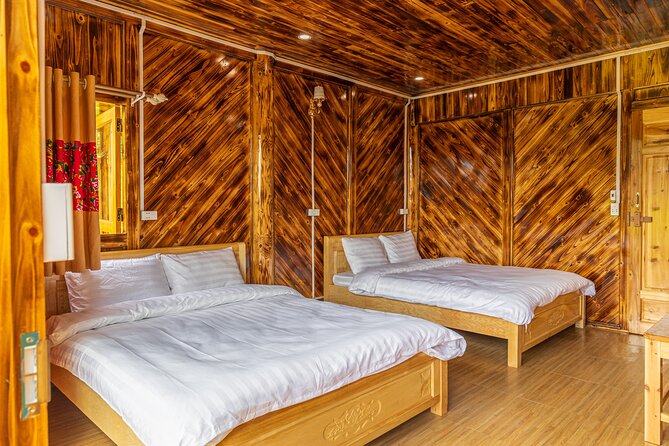
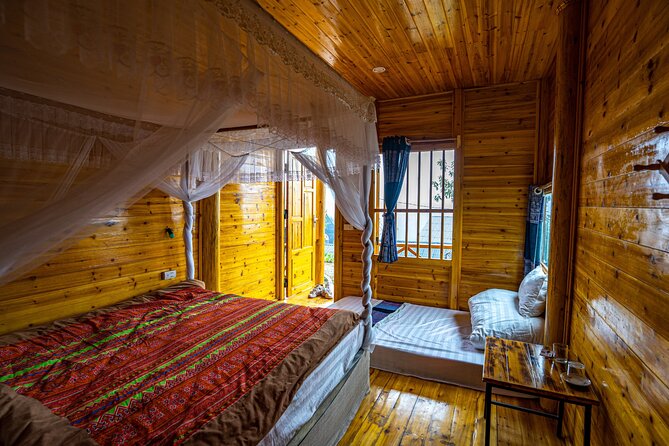
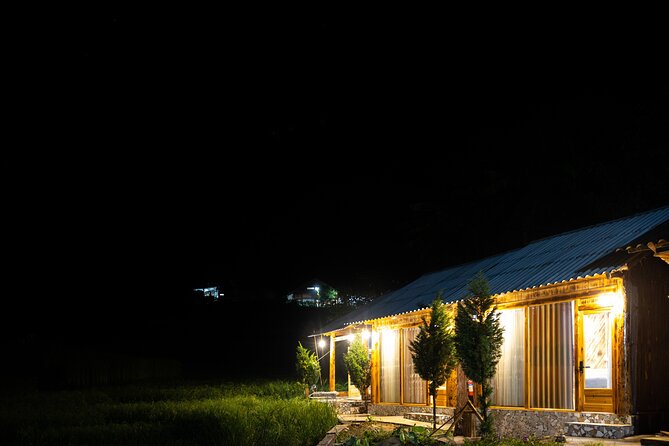
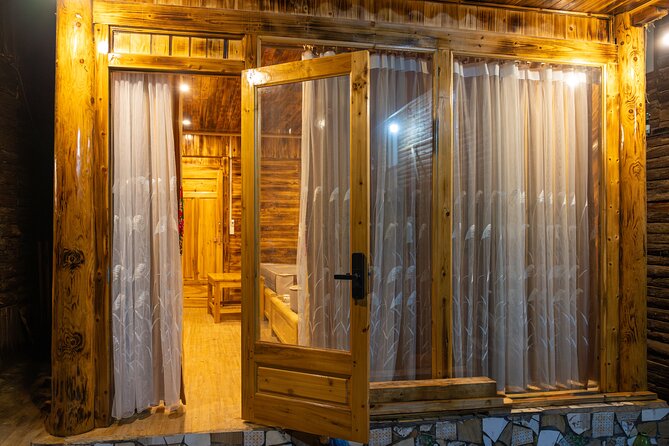
After the trek, you check in around 17:45 at a home stay in the Ta Van / Tavan Village area. The lodging is described as a bungalow or wooden stilt house, which usually means simple, functional rooms, and close enough to the community rhythm that you’ll feel like part of the schedule even if you don’t speak the local language.
The tour specifically frames it as time to get to know the Dzay family. That’s a big part of why this style of trip feels different from a typical guided walk followed by a hotel night. You’re not only viewing a culture—you’re sharing an evening flow: settling in, meeting the family, and taking in the mountain setting at sunset.
One note: the itinerary says you might attend an evening activity, but the exact details aren’t spelled out in the information provided. Don’t bank on a specific performance or organized event. Bank on a calm evening, family conversation, and the simple reality of village life.
Practical comfort advice:
- Bring a headlamp or small flashlight. In rural homestay areas, lighting can be functional rather than bright.
- Pack earplugs if you’re a light sleeper. Village homes can be quiet, but mornings can be lively.
- Keep expectations realistic about room comfort. You’re paying for the setting and the meal access, not a five-star bed.
Day 2 Morning: Cooking Class With Pho and Nem Cuốn
Day 2 starts early with a 7:00 cooking class. The tour mentions learning to make Vietnamese foods like pho (phở) and nem cuốn. Even if you’ve had these dishes before, it’s a different experience to watch how ingredients come together and how the family teaches techniques. It’s also a good way to break the “only trek” feeling and add a hands-on skill moment.
Then at 8:00, breakfast is prepared by the family. That’s another underrated value point. You’re not just consuming a meal; you’re eating what the homestay kitchen is comfortable making, which often means it’s hearty and timed for trekking energy.
After breakfast, you head out for the second hike.

Giang Ta Chai Village Trek: Bamboo Forest, Rice Paddies, and a Bridge Stop
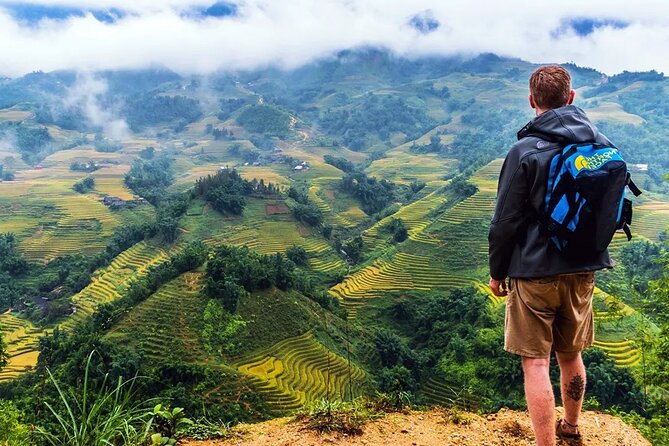
The Day 2 hike targets Giang Ta Chai village, associated with the Red Dzao people. You walk roughly 4km in about 2 hours, which makes it feel more relaxed than Day 1. Still, it’s not a stroll—Sapa trails tend to climb and uneven ground can slow you down.
The route includes:
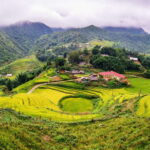
- A trek through rice paddies with a photo session
- A passage through a bamboo forest
- A stop for a panorama view of Giang Ta Chai village
- Trekking through Giang Ta Chai Bridge to reach the main road
This is the part of the trip where I’d tell you to slow your pace for photos, not because the walk is hard, but because the scenery is built for stopping. The panorama view timing matters: if you rush, you’ll miss the best angle.
Also notice the structure: you’re given a few different “scene types” in one hike—open rice fields, bamboo shade, then the bridge and road connection. It feels like a curated path without being overly scripted.
After the hike, you return to the bungalow for shower time around 12:00, then lunch is served from 12:30 to 13:30.
Back to Sapa Town: One Hour to Walk, Then Straight to Hanoi
At 13:30, the bus returns you to Sapa Town. The plan gives you about 14:00–15:00 for walking around or shopping. This time window is short on purpose: the goal is to check back into civilization briefly, not turn the trip into a shopping run.
Then you meet the group again around 15:00–15:30 and head back to Hanoi. The return ride includes two rest stops and you arrive around 21:30.
This is a long second day. If you want a zero-stress experience, use that one hour in Sapa Town to do something low-effort:
- grab a drink
- use a clean restroom
- pick up a small souvenir if it fits your budget
Avoid long detours. Your schedule already has enough movement.
What to Pack (So the Trek Feels Great, Not Grueling)
This tour asks for moderate fitness. You’re hiking about 13km total across two days (9km + 4km) plus the bus ride pressure.
Here’s what you’ll be glad you brought:
- Layers: cool mornings, chilly evenings, and possible air-con on the bus
- Good traction shoes: trekking paths can be slick or uneven
- A light rain layer: Sapa weather can shift fast
- Small cash for snacks: beverages aren’t listed as included
- A reusable water bottle: you get bottled water on the bus, but it helps to top up during walks
If you’re sensitive to cold, treat “cold and dark” as a real risk. Even when the plan is clear, road schedules and staging can still shift.
Best Fit: Who Will Love This Tour (and Who Might Not)
This tour fits best if you:
- want a village overnight near Ta Van, not just a day hike
- like long scenic walks and don’t mind getting tired after trekking
- prefer included meals so you’re not budgeting every meal in the mountains
- enjoy practical cultural time, like a cooking class and breakfast with the family
You might want to choose a different option if:
- you expect a perfectly staged, tour-only bus experience from start to finish
- you hate long transit days (both directions are long)
- you want lots of free time in Sapa city (the city window is only about an hour)
Should You Book This 2-Day Sapa Trek and Overnight in Tavan Village?
If your priority is value plus real trekking plus a home-stay night, I think this is a smart pick for many people. You’re getting meals, a guide, specified trekking routes (Y Linh Ho, Lao Chai, Giang Ta Chai), and structured time for both learning food and seeing the rice-field scenery. For $52, that combination is hard to beat.
My advice: book it if you’re ready for early starts, cool mountain conditions, and a schedule that moves. Don’t book it if you’re the type who needs a flawless, fully private transport setup from the first minute. If you do book, confirm pickup timing and be ready with layers—then the trip feels like a fantastic shortcut into Sapa rather than a compromise.
FAQ
What does the tour price include?
The price includes round-trip Hanoi–Sapa transport by modern air-conditioned bus, English-speaking guide, entrance tickets, Wi‑Fi on the bus and at the home stay, 2 bottles of water per person per way, and meals (breakfast, dinner, and two lunches). It also includes the bungalow or wooden stilt house stay.
Is pickup offered from Hanoi?
Yes. Pickup is offered from hotels in the Hanoi Old Quarter area around 6:00–6:30am.
How long is the trekking on Day 1 and Day 2?
Day 1 includes about 9km of trekking lasting roughly 3.5 hours. Day 2 includes about 4km lasting roughly 2 hours.
Where do you sleep overnight?
You sleep in a bungalow or wooden stilt house in/near Tavan Village / Ta Van.
What activities happen on the second day morning?
You can join a cooking class at 7:00 where you learn to make foods like pho and nem cuốn, then you have breakfast prepared by the family before starting the next trek.
What fitness level do you need?
The tour is listed for travelers with a moderate physical fitness level.
Is there any extra cost on public holidays?
Yes. A $30 surcharge applies if your travel date is on a public holiday, payable onsite.