REVIEW · CHIANG MAI
Chiang Mai: One-Day Trekking Adventure in Doi Inthanon Area
Book on GetYourGuide →Operated by Chiang Mai Thailand Tour · Bookable on GetYourGuide
Four waterfalls in one day.
This one-day Chiang Mai trekking adventure near Doi Inthanon blends hilltribe village culture with a real waterfall swim break, so you’re not choosing between nature and people—you get both.
I love the way the English-speaking guide makes the forest feel usable, not just pretty, including plant tips and how locals use what grows around them. I also like the pacing: about 6–7 hours of hiking with lunch at a waterfall, then you’re back in Chiang Mai around 6 PM. The main thing to watch is noise and crowding—if the group is large, it can be harder to hear explanations on the trail.
In This Review
- Key things to know before you go
- A tight day trip from Chiang Mai into Doi Inthanon territory
- Getting started at 7:00 AM: market stop, then trail
- The hike begins: jungle trails, farmland views, and mountain glimpses
- Karen hilltribe village visit: culture you can see in context
- Four waterfalls in one day: how the route keeps it enjoyable
- Waterfall #1 and the rhythm of the hike
- Lunch at a waterfall: the swim break you’ll remember
- The other waterfalls: hidden turns and quieter moments
- Shan village leg: a different hilltribe feel on the same hike
- Timing and return to Chiang Mai around 6 PM
- Price and value: what $77 buys you in real terms
- What to bring: your checklist for sweating, swimming, and insects
- Who this trek suits best (and who should skip it)
- Eco-tourism and community respect: the unglamorous part that matters
- Final verdict: should you book this one-day Chiang Mai trekking trip?
- FAQ
- What time do you get picked up for the trek?
- How long is the hiking time during the tour?
- Does the tour include lunch?
- Can I swim during the day?
- What is included in the price?
- Is water or drinks included?
- What places are not included on this tour?
- Who should not book this trek?
Key things to know before you go
- Four waterfalls in a single day with time to relax between the hikes
- Karen village + Shan village stops that turn the trek into cultural learning
- Lunch at a natural waterfall with a chance to swim and cool off
- Forest trails, farmland views, and mountain outlooks across a full-day loop
- Bring swim gear and smart hiking clothes because you’ll get wet and muddy
- Water and drinks aren’t included, so plan to buy what you need early
A tight day trip from Chiang Mai into Doi Inthanon territory
This isn’t a “sit on a bus and look out a window” day. You start early, you walk for hours, and the day is built around one main goal: get you into the Doi Inthanon area where jungle trails, villages, and waterfalls all connect.
The best part for me is the mix. You’re hiking through green jungle, then stepping into hilltribe village life, then ending lunch with a swim in waterfall water. It’s the kind of day that feels active, but not chaotic—like you’re moving with a plan instead of improvising every turn.
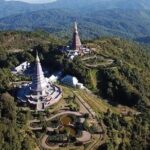
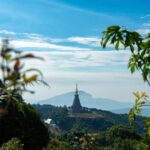
You should also know the tradeoff. This trip focuses on trekking, villages, and waterfalls. It does not include the higher mountain point or the King and Queen twin pagodas, so if that’s your top priority, you may want a different itinerary.
You can also read our reviews of more tours and experiences in Chiang Mai.

Getting started at 7:00 AM: market stop, then trail
Pickup is early—between 7:00 and 7:30 AM—from your Chiang Mai hotel or guesthouse lobby. You’ll do a short drive to a local market first. It’s lively and practical: you can grab drinks, snacks, or any personal supplies you forgot (or didn’t pack, yet).
After the market, you continue by car for about 30 minutes to the trail starting area. That’s an efficient setup. You’re not wasting the morning in transit, and you also have a chance to stock up before the long hike starts.
If you’re the type who runs low on water faster in humidity, this market stop matters. Water/Drinks are not included, so the best time to solve that problem is right there.
The hike begins: jungle trails, farmland views, and mountain glimpses
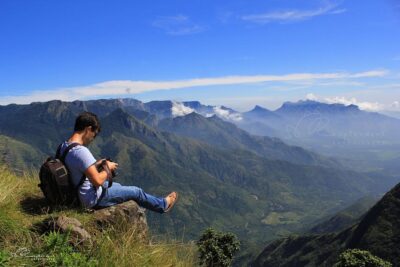
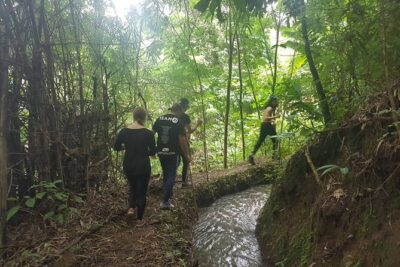
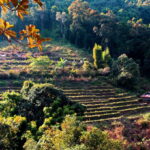
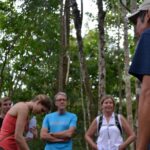
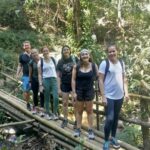
Once you start walking, the day turns into a real hike. You’ll be on a combination of jungle trails and scenic farmland paths. The route includes mountain views along the way—short looks that keep you energized when the trail gets steeper.
This is also where your “what kind of day is this?” question gets answered. You’re not doing a gentle stroll. You’re moving through forest conditions where the ground can be slick, and you’ll likely sweat more than you expect, even if the morning feels cool.
A good English-speaking guide is part of the formula here. You won’t just march. You’ll learn small, useful things about the natural area around you, including plant uses.
Karen hilltribe village visit: culture you can see in context
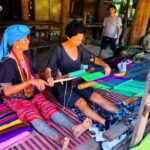
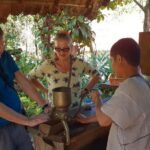
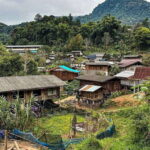
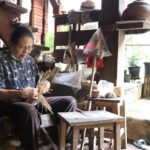
After trekking through the jungle and farmland, you reach a remote Karen hilltribe village. This is one of the core reasons this trip works. It doesn’t treat culture like a quick photo stop. You spend time there, which helps you understand daily life as something living, not staged.
What I like about this kind of village visit is how it changes your perspective of the hike itself. When you connect what you see in the forest with what people know from their community, the day stops being just scenery. Even simple plant stories can make the jungle feel more relevant.
The guide explanations help here, too. One of the most praised parts of the experience is how your guide connects what grows around you to practical uses—things used as food or medicine, plus little details that make the lesson fun rather than lecture-style.
Small note: village visits come with an unspoken rule—be respectful. Keep your distance where needed, follow instructions, and don’t treat people like props.
Four waterfalls in one day: how the route keeps it enjoyable
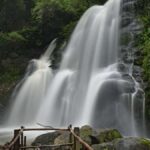
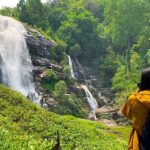
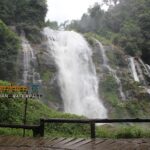
The waterfalls are the other headline. The plan is to visit four waterfalls during the hiking day, with built-in breaks so you’re not rushing from one splash zone to the next.
Waterfall days can go two ways: either it’s all spectacle and no downtime, or it becomes a slow slog with too much standing around. This itinerary lands in the better middle. You get multiple stops, and you also get time to pause.

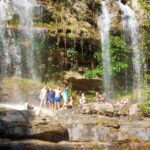
Waterfall #1 and the rhythm of the hike
Early waterfall stops act like morale boosters. You’ll feel the terrain ease for a moment, then you start moving again. It’s a good way to pace yourself because you’re not waiting all day for your first cool-down.
Lunch at a waterfall: the swim break you’ll remember
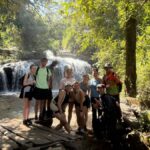
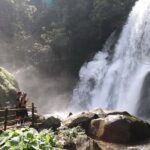
Lunch is at a beautiful waterfall. This is also where you get your most refreshing break: time to relax and take a swim in the natural waterfall during the lunch stop.
That swim option is a big value add. Even if you don’t jump in immediately, the water presence makes lunch feel like a reset. Eat, cool off, and then continue with less fatigue.
Bring what you’ll need. Pack swimwear and a change of clothes, plus a towel. You’ll want to dry off before the next hiking segment, because wet clothes can feel cold as shade hits and sweat dries on the fabric.
The other waterfalls: hidden turns and quieter moments
After lunch, you keep trekking on jungle paths. The remaining waterfall stops add variety, especially as the trail shifts from village-adjacent paths back into deeper forest.
Some of the best moments here are the quiet ones—brief sections where you notice birds, moving water, and the way the trail sounds change underfoot. If your group is loud, you can miss that. More participants can mean more chatter, and that can interfere with hearing the guide while you’re walking. It’s not a deal-breaker, just something to consider.
Shan village leg: a different hilltribe feel on the same hike
Later in the day, you reach a Shan village. The route includes serene jungle paths and the chance to see more hidden waterfalls along the way.
This second village stop is valuable because it broadens what you learned at the Karen village. You’re not repeating the same cultural story twice. You’re comparing two different hilltribe communities through the lens of what life looks like in each place.
Practically, it also breaks up the day. After hours of hiking, your brain appreciates a change of setting. It gives you something to focus on besides the next step.
Timing and return to Chiang Mai around 6 PM
You’re out for a full day, and the hiking time is listed as approximately 6–7 hours, including the village visits and the waterfall stops. The car portion fills in the gaps between the walking segments.
The day ends with your return to Chiang Mai around 6:00 PM. That timing is important. You’re not coming back at midnight, and you still have time for dinner, a shower, and a normal evening routine.
If you’re staying in Chiang Mai, you can plan a relaxed night after this. If you’ve got heavy sightseeing the same day, I’d avoid it. This trek is the main event.
Price and value: what $77 buys you in real terms
At $77 per person, this trip is priced like a serious day out—not a budget “half-day shuffle.” Here’s what you’re actually paying for, and why it feels fair:
- Transportation pickup and drop-off from your hotel or guesthouse
- Lunch during the waterfall stop
- An English-speaking guide who leads the trekking and village context
- Insurance included
- Luggage storage room so you’re not hauling everything on your walk
The big value line is the guide. It’s not just about company. The guide adds meaning—especially through plant identification and how locals use things in daily life. That turns the hike into education you can feel, not just information you forget.
Also, you’re getting four waterfall stops in one day. That’s a lot of “earned scenery” compared to trips where you drive to one viewpoint and call it a day.
What you don’t get is part of the price logic: water/drinks aren’t included, and the itinerary doesn’t cover the highest mountain point or the King and Queen twin pagodas. This is a trade: less sightseeing by car, more time walking through jungle and villages.
What to bring: your checklist for sweating, swimming, and insects
The trip’s physical nature shows up in what you need to pack. I’d treat this as a jungle hike plus a possible swim.
Bring:
- Hiking shoes (traction matters on forest trails)
- Sunglasses and sun hat
- Sunscreen
- Insect repellent
- Long-sleeved shirt and long pants (also helps for bugs)
- Personal medication
For the swim:
- Swimwear
- Change of clothes
- Towel
For comfort and photos:
- Camera
- Personal snack or extra drink, if you like, after you buy at the market
Even if you think you’ll only “dip,” pack for wet conditions. You’ll hike after lunch, and damp clothes can turn an afternoon into an uncomfortable one.
Who this trek suits best (and who should skip it)
This tour is labeled as adventurous and physical, which is exactly what you should expect from 6–7 hours of trekking plus multiple waterfall stops.
It’s not suitable for:
- Children under 5
- People over 70
- People over 264 lbs (120 kg)
If you’re comfortable hiking on uneven trails and you like nature breaks, you’ll likely enjoy the day. If you want a relaxing day with minimal walking, this probably isn’t your fit.
Also consider your heat tolerance. The day runs early and includes forest time, but you’re still in Chiang Mai Province humidity. Dress for sweat, not for style.
Eco-tourism and community respect: the unglamorous part that matters
This experience is described as supporting local communities and promoting eco-tourism. That’s more than a marketing line. It means you should show up ready to act like you belong.
So, keep litter out of the forest. Don’t damage plants or pick things. Be mindful in villages—follow your guide’s lead, ask before taking close photos, and treat people with normal human courtesy.
When the trail is cared for, everyone wins: the community benefits, wildlife has space, and future hikers still get the quiet feeling that makes the jungle hike worth it.
Final verdict: should you book this one-day Chiang Mai trekking trip?
Book it if you want a single-day adventure that combines jungle hiking, Karen and Shan village culture, and four waterfall stops with a true lunch swim. It’s a well-rounded day built for people who like their travel active and grounded in real places.
Skip it if your must-dos are the highest mountain point or the King and Queen twin pagodas, since those are not part of this plan. Also skip it if long hiking hours and wet, slippery forest conditions will stress you out.
One more practical tip: plan to buy drinks at the market, pack a change of clothes, and don’t overpack. You’ll enjoy the day more when you’re not juggling too much while walking.
FAQ
What time do you get picked up for the trek?
Pickup is between 7:00 and 7:30 AM from your hotel or guesthouse lobby in Chiang Mai.
How long is the hiking time during the tour?
The trekking time is approximately 6–7 hours in total, including visits to waterfalls and villages.
Does the tour include lunch?
Yes. Lunch is included, and it’s served during the waterfall stop.
Can I swim during the day?
Yes. You’ll have time to take a refreshing swim in a natural waterfall during the lunch break.
What is included in the price?
Included items are hotel pickup and drop-off, lunch, insurance, an English-speaking guide, and luggage storage.
Is water or drinks included?
No. Water and drinks are not included, and you can buy drinks or snacks at the local market early in the day.
What places are not included on this tour?
The tour does not include the highest mountain point or the King and Queen twin pagodas.
Who should not book this trek?
It’s not suitable for children under 5, people over 70, and people over 264 lbs (120 kg).