REVIEW · KATHMANDU
Everest Base Camp Trekking – 13 Days
Book on Viator →Operated by Nepal Adventure Team · Bookable on Viator
Everest Base Camp is not a casual hike. This 13-day trek runs the classic route from Lukla to Namche, Tengboche, Dingboche, and on to Everest Base Camp with a team led by a fully licensed guide. I like that your on-trail support isn’t just “someone local,” it’s structured and professional.
What I really enjoy is the way the trek uses real altitude logic. You get acclimatization time at Khumjung and again in the Dingboche area, before pushing toward Gorakshep and the big views around Kala Patthar.
One consideration: the whole experience can hinge on weather around Lukla flights. The operator notes that delays or cancellations are likely in bad conditions, so you should build in extra buffer days to stay sane.
In This Review
- Quick hits before you commit
- Getting to the trek: Kathmandu to Lukla and what sets the tone
- Day 1 to Namche: Lukla to Phakding, then the climb into the “gateway”
- Khumjung acclimatization: the altitude “pause” that makes the rest possible
- Tengboche to Pangboche: monastery towns and wildlife along the pine trail
- Dingboche acclimatization and Nakarjun Peak: using the day wisely
- Lobuche to Gorakshep: the stretch where Everest Base Camp starts to feel real
- Kala Patthar: the early push that turns the trek into a memory
- The return journey: Namche, Lukla, and getting your Kathmandu back
- What the guide, sherpa, and porter structure actually gives you
- Price and value: what you’re really paying for at $1,697.37
- Weather, flight risk, and why you need a buffer day mindset
- Lodges, rest, and how the itinerary changes the feel of each day
- Best-fit for who: who should choose this trek
- Should you book this Everest Base Camp trekking package?
- FAQ
- How long is the Everest Base Camp trekking experience?
- Where does the experience start and end?
- What is the maximum group size?
- Are there acclimatization days built into the trek?
- What documents and trail basics are included?
- How many meals are included?
- Can the operator provide sleeping bag or down jacket?
- What isn’t included in the price?
- What should I plan for if Lukla flights are delayed or canceled?
Quick hits before you commit
- 1 guide and assistant sherpa, plus porter support with a 1-to-2 trekkers ratio
- TIMS card, route maps, taxes, and a first aid kit included
- Classic “Everest corridor” scenery from rhododendron forests to monastery towns
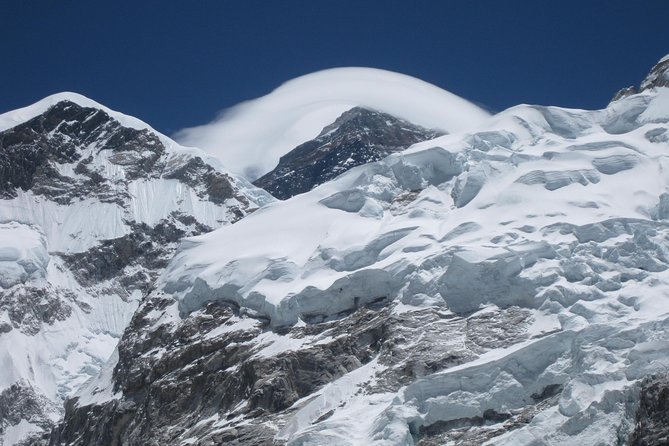
- Everest Base Camp day plus a Kala Patthar early-morning climb
- Optional gear support like a sleeping bag and down jacket (to be returned)
Getting to the trek: Kathmandu to Lukla and what sets the tone
Your trip starts in Kathmandu, with pickup offered and the activity ending back at the same meeting point. The location is practical: Nepal Adventure Team is based on Amrit Marg 26, which makes it easier to organize your pre-trek checklist without running all over the city.
Then comes the key moment: the trek begins with a flight to Lukla. That’s part of why the Everest Base Camp hike feels so dramatic right away. You’re not easing into the mountains for days—you’re dropping into the Everest region and starting with a real trail rhythm from the get-go.
The group size is capped at 26 travelers, which tends to keep things from feeling chaotic when you’re moving through lodges and tea-house stops. And since you’re trekking with a team that includes a licensed guide and assistant sherpa (plus porter service), you’re less likely to get stuck figuring out logistics on the ground.
You can also read our reviews of more tours and experiences in Kathmandu.
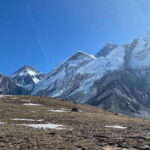
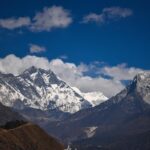
Day 1 to Namche: Lukla to Phakding, then the climb into the “gateway”
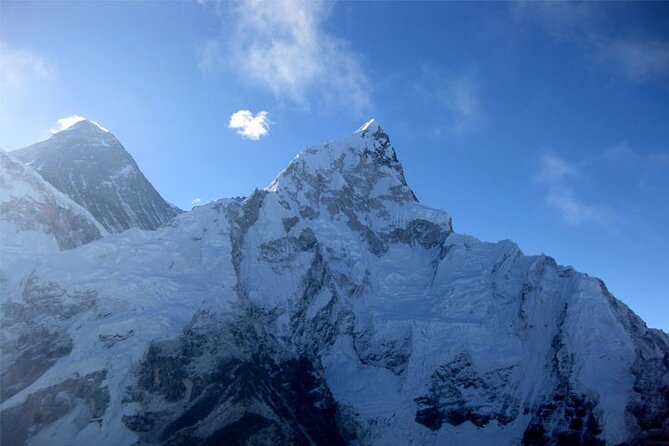
Days 1–2 are all about getting your legs working while the scenery ramps up fast.
Day 1: Lukla to Phakding (easy start with river crossings and monasteries)
You’ll fly into Lukla and walk to Phakding, staying overnight in a tea-house/lodge setting. The route is described as generally easy, with time spent along the Dudhkoshi River and a first batch of suspension bridges. This matters because it gives you time to feel the rhythm of the trail surface and the altitude pressure before the bigger climbs.
You’ll also pass through village areas and have chances to see and visit monasteries. On the Everest trail, those moments help the trek feel human, not just scenic.
Day 2: Phakding to Namche Bazaar (the gateway day)
Today is a step up. You’ll cross bridges again, including the Tengjing Hillary bridge, and trek through pine forest and riverside walking before arriving at Namche Bazaar.
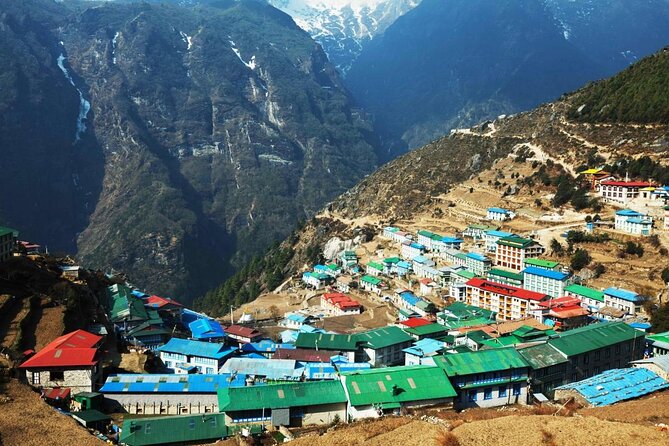
Namche is more than a stop. It’s the “gateway to Everest Base Camp,” meaning you’ll feel the shift from small village trail life to a bigger hub that supports trekkers. After this day, the trek stops feeling like a warm-up and starts feeling like a real mission.
Possible drawback here: Namche arrival days can bring a lot of attention from other trekkers, and you may feel pressure to rush your own pace. If you can, treat Namche as a place to breathe and recover, not to race to the next view.
Khumjung acclimatization: the altitude “pause” that makes the rest possible
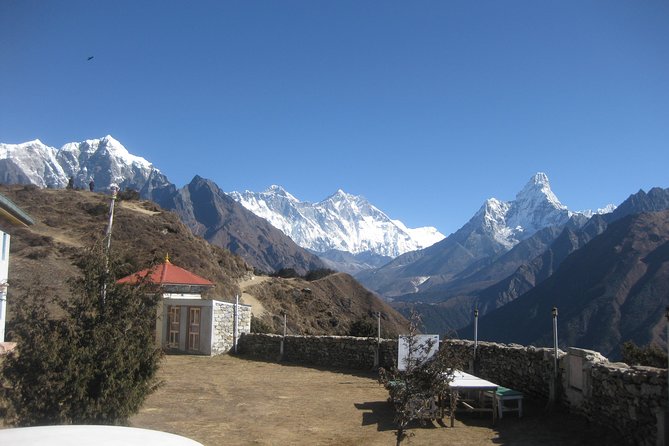
Day 3: Namche to Khumjung, with acclimatization
This day is built for altitude. You’ll hike up to Khumjung Village and use the time to let your body adjust. There’s also a visit to the national park headquarter area and a viewpoint of Everest.
Why this day is valuable: it’s one of the clearest signs that the trek isn’t just about distance. It’s about timing. When you plan acclimatization properly, the rest of the climb tends to feel less like a fight and more like steady work.
You also keep moving through landscapes that feel distinctly Himalayan—less like a single straight highway hike, more like changing moods and elevations as the trail trends upward.
Tengboche to Pangboche: monastery towns and wildlife along the pine trail
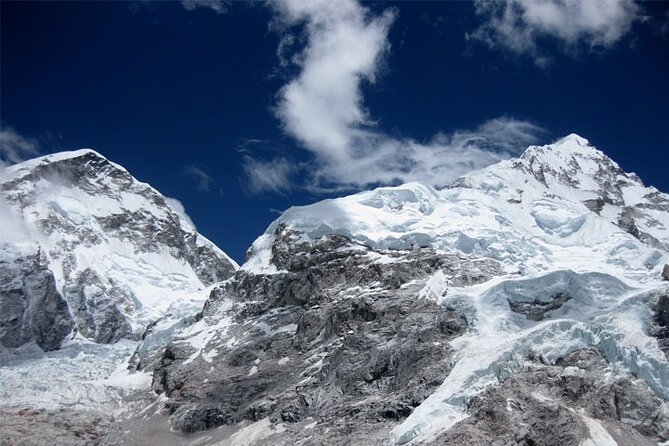
This section is where the trek starts layering in cultural and wildlife details.
Day 4: Namche area to Tengboche (Tengboche Gompa and big monastery energy)
You’ll trek through pine forest to Tengboche Gompa, described as home to the biggest monastery on this route. The day includes wildlife sightings noted by the itinerary: Himalayan Thar and musk deer can be spotted in the broader region on the trek days like this.
Even if you don’t see every animal, you’ll feel the change in air and stillness as you approach a monastery town. Tengboche is often one of those places you remember because it blends views with ritual and community life.
Day 5: Tengboche to Pangboche / Dingboche area (monastery stop and overnight shift)
You’ll cross a river and visit Pangboche Monastery, then overnight in the Dingboche area (the itinerary specifies a hotel overnight here). This is a practical shift: you’re getting closer to higher-altitude trekking villages, and your rest matters more.
This day is also a good time to slow your intake. Trekking higher makes everything feel more “distributed”—breathing, digestion, even how much energy you spend talking. Simple, steady behavior wins.
Dingboche acclimatization and Nakarjun Peak: using the day wisely
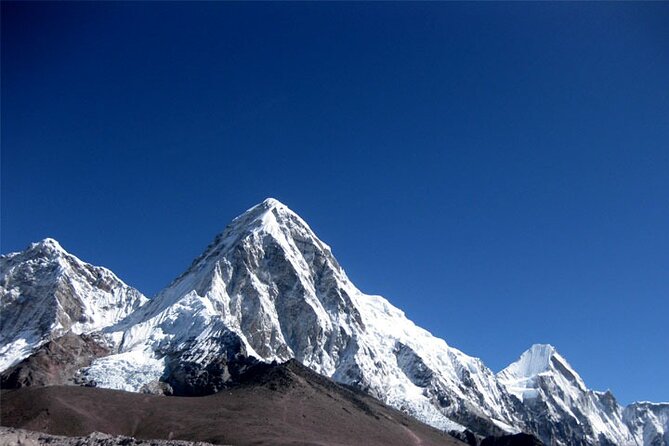
Day 6: Dingboche acclimatization day
You’ll do an acclimatization hike to Nakarjun Peak. This is the second built-in altitude “pause,” and it’s one of the biggest reasons this itinerary feels more thoughtful than a straight-line slog.
The point of an acclimatization hike isn’t speed. It’s training your body for what’s coming without forcing exhaustion. If you keep your effort controlled, the days ahead (Lobuche, Gorakshep, Base Camp) tend to feel more manageable.
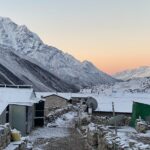
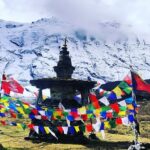
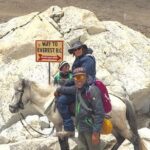
Lobuche to Gorakshep: the stretch where Everest Base Camp starts to feel real
Day 7: Dingboche to Lobuche
You’ll trek to Lobuche, crossing Thukla village along the way. This is the kind of day where the scenery starts locking into “Everest corridor” mode. Everything feels more focused: more rock, more high-mountain air, and more anticipation.
Day 8: Lobuche to Gorakshep, then Everest Base Camp
You’ll trek to Gorakshep, eat lunch, and then visit Everest Base Camp. This day is the emotional payoff. Base Camp is where your planning and altitude work become visible in a way that feels both inspiring and slightly overwhelming.
One practical thing to remember: the day that delivers Base Camp often isn’t the day you want to over-extend. After you arrive, treat the visit like a moment to experience, not a scavenger hunt. You’ll get more out of it if you pace your photos and conversations.
Kala Patthar: the early push that turns the trek into a memory
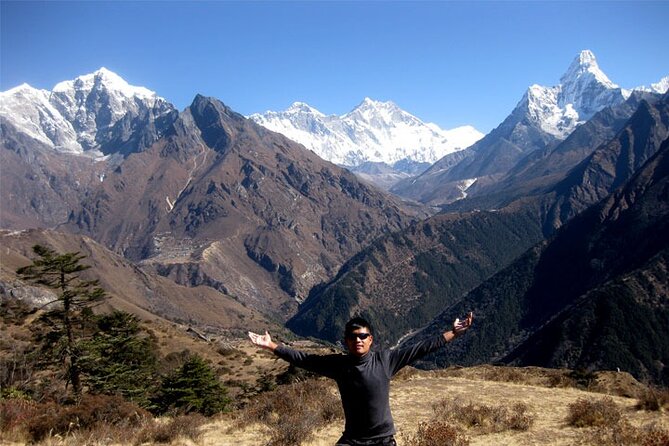
Day 9: Early morning Kala Patthar climb, then trek back to Pheriche
You’ll wake up early and climb to Kala Patthar, then trek back to Pheriche.
This is a classic Everest move: it’s not just a viewpoint day, it’s an early-morning effort day. The reward is the sense of scale you usually can’t fully understand until you’re close enough to see the mountain’s reach.
After Kala Patthar, the trek turns more restorative. Going back to Pheriche is a signal that you’re shifting from “go higher” to “get through the next altitude step.”
The return journey: Namche, Lukla, and getting your Kathmandu back
Day 10: Pheriche to Namche Bazaar
You’ll trek back to Namche Bazaar. The return is physically easier for many people, but mentally it can still feel serious. Don’t assume “downhill” means “easy.” Your knees will still work, and altitude still plays a role even on descents.
Day 11: Namche to Lukla
You’ll trek back to Lukla. Once you reach Lukla, the trekking phase is basically done, but you still have to keep your pace careful. This is where sloppy footing can cause problems when fatigue shows up.
Day 12: Lukla to Kathmandu
You’ll fly back to Kathmandu, with the itinerary listing arrival as a quick day. By this point, you’ll likely feel that mix of relief and quiet disappointment that famous treks create—relief because your body can breathe again, disappointment because the route stops.
Day 13: final departure
Day 13 is listed as the final departure day, completing the trip from the meeting point.
What the guide, sherpa, and porter structure actually gives you
This trek includes a fully licensed, qualified trekking guide and an assistant sherpa, plus porter service. The ratio is stated as 1 porter for 2 trekkers.
Why that matters: Everest Base Camp is not just a sightseeing walk. It’s a logistics-heavy, weather-sensitive, altitude-sensitive route. Having a guide means you don’t waste energy second-guessing pacing, trail decisions, and schedule shifts.
The assistant sherpa role also matters because it supports smoother flow in group movement and helps when the day’s conditions change. And the porter service can lighten the burden, especially on longer days like Gorakshep to Base Camp or the Kala Patthar effort.
Also, the trek has a first aid medical kit included. That’s not glamorous, but it’s exactly what you want when you’re operating in cold air and higher elevation.
Price and value: what you’re really paying for at $1,697.37
At $1,697.37 per person, this package isn’t cheap—but the inclusion list shows where the money is going.
What you get for the price:
- Meals included: 12 breakfasts, 11 lunches, and 12 dinners
- TIMS card and trekking route maps
- NAT t-shirt and a certificate of appreciation
- All government and local taxes
- A first aid medical kit
- Staff expenses covered (including salary, equipment, and insurance)
You also have optional support for gear: if you need it, they list optional supply of sleeping bag, down jacket, and duffel bags (to be returned). That can cut costs if you don’t already own cold-weather gear.
What’s not included (and you should budget for):
- Extra drinks, alcoholic or non-alcoholic
- Travel and rescue insurance
- Tips to guide and porters
My practical take: the value is strongest if you don’t want to piece together your own logistics and meal plan. The trek hands you the core infrastructure: guide support, documents, maps, meals, and basic medical readiness. If you already have all gear, are fluent in Nepal trekking logistics, and plan to organize everything independently, the price will feel less compelling. For most people, the structure is the point.
Weather, flight risk, and why you need a buffer day mindset
Here’s the reality check the operator spells out: Lukla flights can be delayed or canceled due to bad weather, even in good seasons. The guidance is clear—you should plan a day or two extra if possible.
That matters because the trek depends on getting in and out of Lukla on schedule. Even if the itinerary is set, the operator notes that the leader can amend or cancel parts of the itinerary if safety requires it. They also mention flexibility for health conditions and unexpected natural events.
So, build your overall trip with breathing room. Don’t schedule your flight home the minute you land in Kathmandu. Give yourself slack, even if it means spending a bit more on hotels and meals.
Lodges, rest, and how the itinerary changes the feel of each day
Accommodation details aren’t listed for every single overnight, but the itinerary gives a few clear anchors:
- Day 1: tea-house/lodge in Phakding
- Day 5: hotel overnight in the Dingboche area
Throughout the trek, you’ll be moving between village clusters that support trekkers with basic guesthouse-style stays. The “feel” day-to-day depends on altitude and the amount of climbing, not just the mileage.
This is also why the acclimatization structure is a big deal. When you stop higher up and hike to points like Nakarjun Peak, you don’t just rest—you practice. That helps your body handle the next pushes toward Lobuche, Gorakshep, and Base Camp.
Best-fit for who: who should choose this trek
This Everest Base Camp experience is a strong match if you:
- can handle moderate physical fitness requirements (the operator states this explicitly)
- want a fully guided trek with porter support
- prefer a classic Everest route with clear acclimatization checkpoints
- like a structured plan that still allows for changes due to safety
If you’re a solo adventurer who loves improvising everything, you might find the structure limiting. But for most people chasing Everest Base Camp for the first time, the guide-and-team model reduces stress and keeps you focused on the hike.
Should you book this Everest Base Camp trekking package?
If your top priorities are professional guide support, a sensible acclimatization rhythm, and a trek that’s organized around actual Everest logistics, I’d say this is worth considering.
Book it if:
- you want TIMS, maps, meals, and basic medical readiness handled
- you want the comfort of a small-to-mid group (max 26) and porters
- you’re okay budgeting for insurance and tips, since those aren’t included
Hold off or ask more questions if:
- you’re not able to add buffer days for possible Lukla delays
- you already have your gear and want to minimize guided costs (since optional sleeping bag/down jacket support is listed, not guaranteed full equipment inclusion)
If you want Everest Base Camp to feel like a climb you can manage—not a chaos puzzle—this package is built for that.
FAQ
How long is the Everest Base Camp trekking experience?
It’s listed as 13 days (approx.).
Where does the experience start and end?
It starts at Nepal Adventure Team Pvt. Ltd on Amrit Marg 26, Kathmandu, Nepal, and ends back at the same meeting point.
What is the maximum group size?
The tour states a maximum of 26 travelers.
Are there acclimatization days built into the trek?
Yes. The itinerary includes an acclimatization day on Day 3 (Khumjung) and another acclimatization day on Day 6 (Dingboche with a hike to Nakarjun Peak).
What documents and trail basics are included?
The package includes a TIMS card, trekking route maps, and also mentions government and local taxes are included.
How many meals are included?
The inclusions list 12 breakfasts, 11 lunches, and 12 dinners.
Can the operator provide sleeping bag or down jacket?
They list optional supply if necessary for a sleeping bag, down jacket, and duffel bags (to be returned).
What isn’t included in the price?
Not included are extra drinks (alcoholic and non-alcoholic), travel and rescue insurance, and tips to the guide and porters.
What should I plan for if Lukla flights are delayed or canceled?
The guidance says flights to or from Lukla could be delayed or canceled due to bad weather, and you should plan an extra day or two in your itinerary when possible.