REVIEW · KATHMANDU
Annapurna Base Camp Trek 10 Days
Book on Viator →Operated by The Great Adventure Treks & Expedition - Private Day Tours · Bookable on Viator
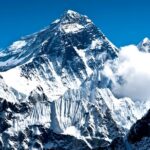
Your first ABC sunrise changes your pace. This 10-day Annapurna Base Camp trek stands out for Sudam and Ganesh’s steady, attentive guiding and for the big payoff of early-morning mountain views. You’ll also feel how well-run logistics make the tough parts easier to manage: permits, food, and even a sleeping bag and down jacket are included. The main thing to weigh is altitude and effort—this route tops out at 4,130 meters and includes long days on steep steps.
After the drive to Pokhara, the trek alternates between shorter “catch-your-breath” climbs and longer descent/re-ascent days. You move through classic Annapurna Territory scenery, with village stops in places like Ghandruk and Chhomrong, plus the forest-to-alpine shift that makes ABC feel like a different world. If you’re the type who wants the mountains to do the talking—and you don’t want to piece together permits, gear, and transfers yourself—this is a solid, straightforward package.
In This Review
- Key things that make this trek worth your time
- Kathmandu to Pokhara: luxury bus comfort, real altitude prep
- Ghandruk (1,940m) and Chasing the Annapurna views early
- Chhomrong to Khuldighar and the Himalayan Hotel stretch
- Deurali, Bagar, and finally Annapurna Base Camp at 4,130m
- Base Camp morning and a careful return to Bamboo
- Chhomrong return loop: Kuldighar to stone steps
- Jhinu Danda to Naya Pul: Modi Khola walks and a ride back to Pokhara
- Pokhara leisure day: lakes, slow sightseeing, and real recovery
- Flight or bus back to Kathmandu: last mountain views
- What’s included (and why it matters on a trek this physical)
- The guide factor: why Sudam and Ganesh keep showing up in the best moments
- Price and value: what $996 actually buys you
- Who this trek suits best (and who should think twice)
- Should you book Annapurna Base Camp with Great Adventure Treks & Expedition?
- FAQ
- What time does the trip start in Kathmandu?
- Where does the trek start and end?
- How do you get from Kathmandu to Pokhara?
- Is a guide included?
- Do I need to carry all my luggage?
- Are permits included?
- What gear is included for cold weather?
- What meals are included?
- What altitude do you reach at Annapurna Base Camp?
- What’s the refund if I need to cancel?
Key things that make this trek worth your time

- Guide duo: Sudam and Ganesh keep the group moving, organized, and in good spirits
- Gear included with a provided sleeping bag and down jacket for cold nights
- Permits handled via ACAP and a TIMS card so you can focus on walking
- Small group size up to 16 travelers for easier pace control
- Porter support built in (2 guests share 1 porter, up to 25 kg max)
- Pokhara downtime with a full leisure day plus lake time before heading home
Kathmandu to Pokhara: luxury bus comfort, real altitude prep
Your trek starts in Kathmandu with pickup and airport-to-hotel transfers included. There’s also Kathmandu sightseeing by private vehicle before you head out, which is a nice way to get your bearings instead of going straight into hiking mode. The group meets at The Great Adventure Treks & Expedition at 8:15 am, so plan to be ready early and not rush around with late check-ins.
Day 1 is the move from Kathmandu to Pokhara by tourist bus. Expect a long drive—about 6–7 hours—and take advantage of the comfort because the trek days soon ask for consistency. You’re not just traveling; you’re shifting your body toward a higher base, and that helps you settle in before the first real climb.
If you like having a plan, this part is good value. Transportation is handled, you don’t need to figure out tickets, and you arrive in Pokhara ready to sleep well. That sleep matters because the next day includes a drive to the trek start area and a full day of moving.
You can also read our reviews of more tours and experiences in Kathmandu.
Ghandruk (1,940m) and Chasing the Annapurna views early
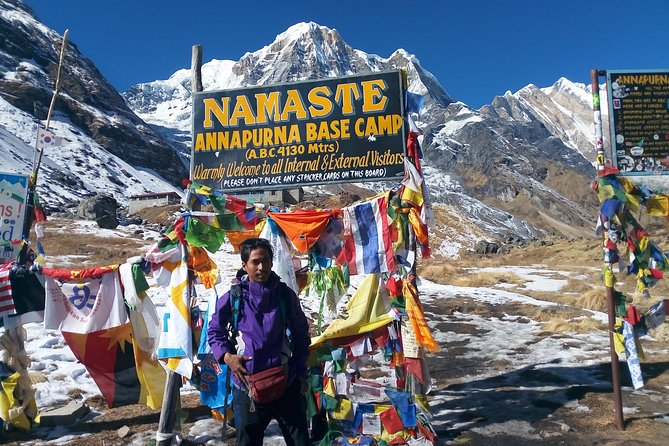
Ghandruk is your first big village stop. You’ll drive from Pokhara to Ghandruk in about 3–3.5 hours, and it sits at around 1,940 meters. This matters because it’s not an instant “wall of altitude.” You arrive, adjust, and then you start trekking with views already on your radar.
Ghandruk is mostly a village experience—walkable, local, and a great place to see how everyday life runs in the Annapurna region. You’ll also start building a feel for the trail: stone steps, frequent short climbs, and the steady rhythm that makes long days manageable.
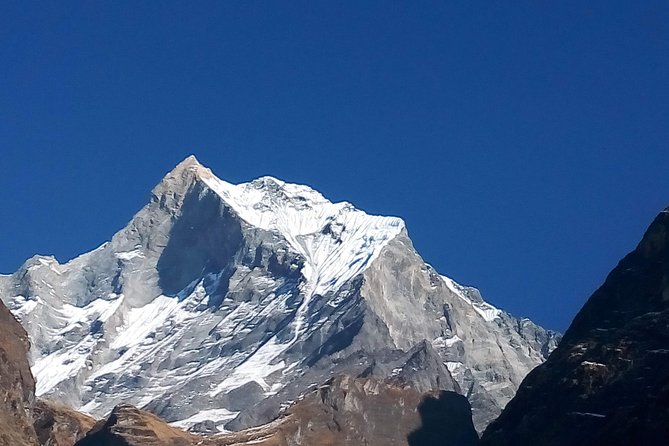
Day 3 brings the first major viewpoint payoff. From Ghandruk you trek uphill toward Kimrungdanda (a roughly one-hour climb). The timing here is key: you’re hiking for those classic sightlines of Annapurna South, Hiunchuli, Machhapuchhre (Fishtail), and Gangapurna. Then you continue on to Chhomrong, with a total day of about 6 hours.
Chhomrong is where you start to feel the trek’s personality—more steps, more suspension bridges later, and that sense that you’re moving deeper into mountain terrain. This is also a good day to practice your pacing: don’t sprint on the uphill, even when the views tempt you.
Chhomrong to Khuldighar and the Himalayan Hotel stretch
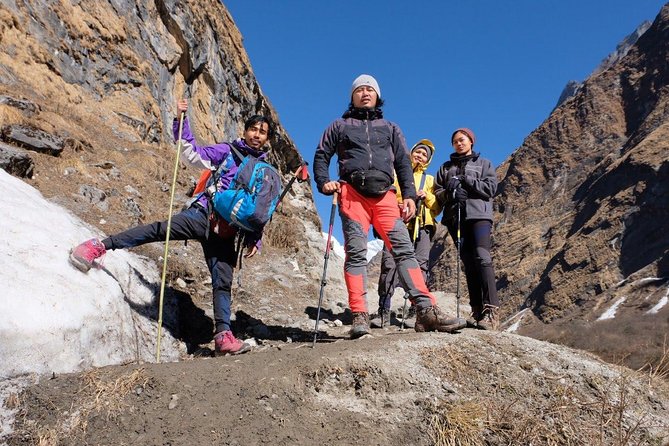
Day 4 is a real mixed bag: down, bridge, then up again. From Chhomrong the trail drops through thousands of steps to the Chomrong Khola, then you cross a suspension bridge and keep climbing toward Khuldighar (2,380m).
That pattern is typical of the Annapurna Base Camp route, and it’s useful to understand before you go. Downhills can feel easier until your knees complain. Uphills can look shorter than they feel, especially when you’re tired. On a day like this, good guiding makes a difference—not just for speed, but for how you move. With Sudam and Ganesh leading, the vibe is about staying steady and getting the whole group through the day without chaos.
Then the day continues up toward the Himalayan Hotel area. Expect a total of about 7 hours of trekking. If you tend to get stiff on day trips, bring your focus to form: short steps, consistent breathing, and plenty of small breaks.
One consideration: if you’re sensitive to steep descents, this is the day you’ll notice it most. Plan your body care early—water, slow walking on downhills, and not too much heroics.
Deurali, Bagar, and finally Annapurna Base Camp at 4,130m
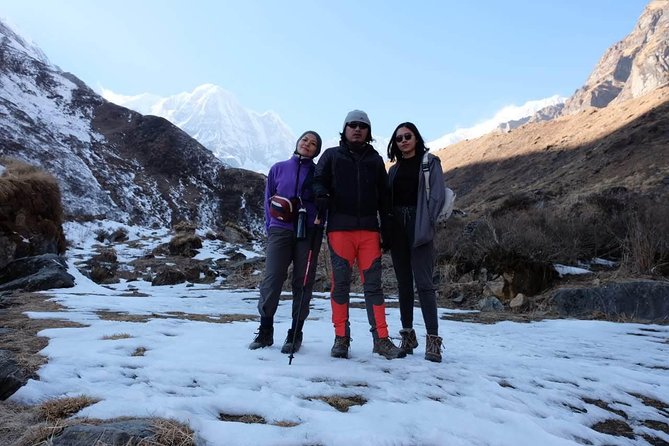
Day 5 is the mountain shift day. After walking from the Himalayan Hotel area you head toward Deurali—an hour on foot—and then you work through a mix of terrain: gently climbing through a river bed, then an ascent on a steep trail that leads toward Bagar. From there, you continue toward Machhapuchhre Base Camp and on to Annapurna Base Camp, with a total trekking time listed at about 6 hours.
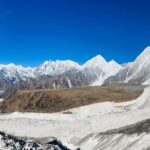
This is the part of the route where the trees thin out and the air feels different. The provided summary notes that forested vegetation disappears on the approach to ABC, and you can absolutely feel that transition when the vegetation changes and the sky seems wider.
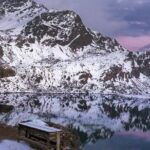
Reaching ABC at 4,130 meters is the classic accomplishment moment. You’re not just arriving at a viewpoint—you’re arriving at the base of the Annapurna massif, with panoramic views of towering peaks. This is also where cold can sneak in fast. Even if the day feels manageable, plan for temperature swings and keep your thermal layers accessible.
If you’ve done high-elevation treks before, you’ll recognize the rhythm: move slowly, stay warm, don’t overexert during the final climb. If you’re new, rely on your guide’s pacing and watch your breathing on steeper sections.
Base Camp morning and a careful return to Bamboo
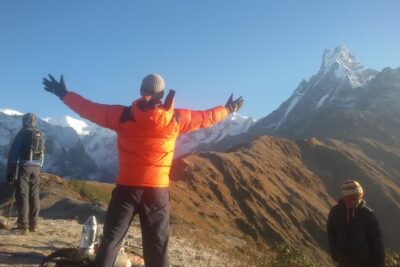
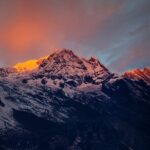
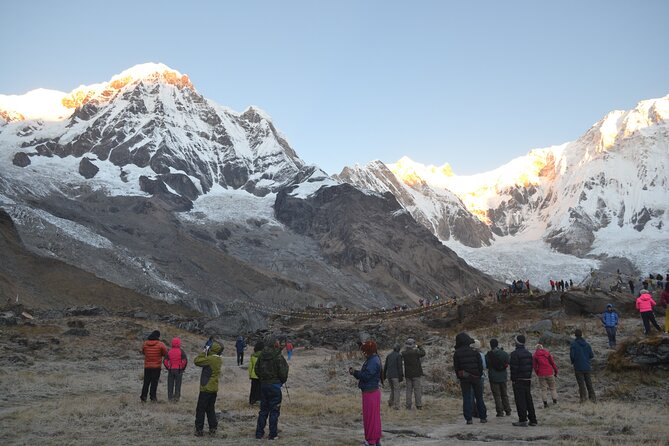
Day 6 starts with one of the best parts of the whole experience: sunrise views from Annapurna Base Camp. Waking up early at altitude is not the fun part by definition, but when the mountains light up, it’s the payoff. After that, you descend back along the same trail.
The trek time is listed at about 8 hours, which is normal for ABC return days. Going down takes effort too. It’s easy to get sloppy when you’re tired because you feel like you’re moving “easier.” But your legs still work hard, and your knees still take the hit.
You end at Bamboo. This stop is practical: it gives you a place to recover and reset for the next downhill-and-uphill rhythm. The best strategy here is boring and effective—take small steps, eat when you should, and let your body cool down before you try to sleep.
Chhomrong return loop: Kuldighar to stone steps
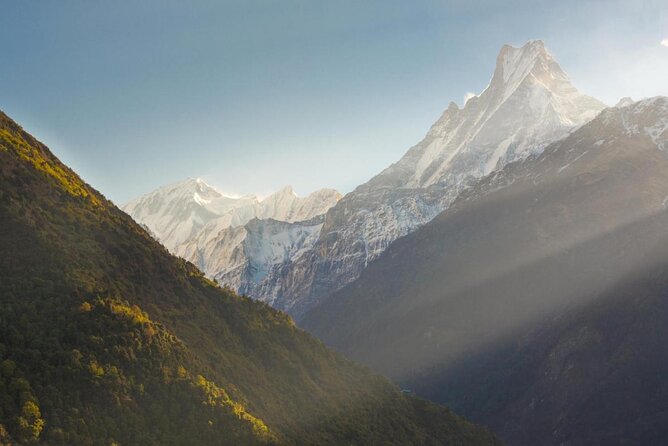
Day 7 is another classic circuit day: you head uphill first toward Kuldighar, then descend toward Chhomrong Khola. After that, you climb again through stone steps for about an hour before reaching Chhomrong.
The total trek time is around 6 hours, but don’t underestimate it. Repetition is tough at altitude. This is also a day where good group energy helps. The reviews you provided highlight the guides being attentive and even funny, which sounds small until you’re tired and trying to keep your motivation steady.
This day is a good checkpoint for yourself. If you’re coping well with breath and fatigue now, you’ll likely handle the final push out to Nayapul without feeling wrecked.
Jhinu Danda to Naya Pul: Modi Khola walks and a ride back to Pokhara
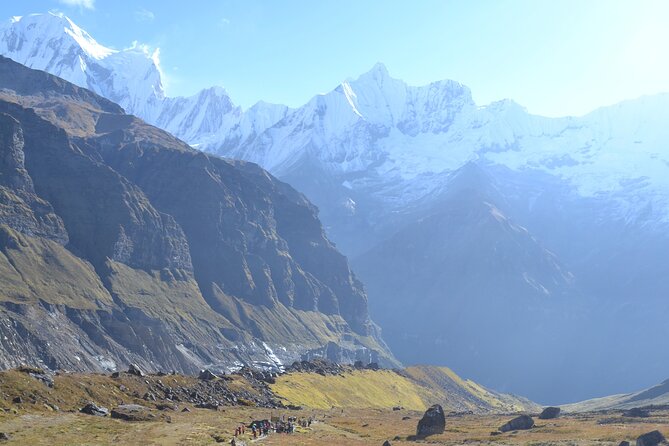
Day 8 takes you from Jhinu Danda to Naya Pul. First you continue trekking, then you follow the side of Modi Khola for about 4–5 hours before reaching Birethanti. Then you drive about 1 hour to Pokhara for an overnight stay.
This is a welcome change of pace because you’re transitioning from the steep, high-feeling days toward easier walking along the valley. You still get long views, but the day doesn’t feel like a constant grind upward.
Also, the Pokhara reset is valuable. After days of layered clothing and cold nights, you’re back in a place where you can move more freely and plan a proper meal without counting hours until bedtime.
One practical note: after trekking days, your posture and stride can feel off. Build in extra breaks while you’re on the valley trail so you don’t rush and trip.
Pokhara leisure day: lakes, slow sightseeing, and real recovery
Day 9 is leisure in Pokhara. You can go sightseeing on your own, with suggestions like Phewa Lake and Begnas Lake. This matters more than it sounds. Many people come off a hard trek and immediately fill the schedule. Here, you actually have time to breathe.
If you want to keep the day productive, choose one main activity and then wander. Your body will tell you when it’s done. Keeping your plans light means you’ll enjoy the atmosphere instead of turning it into another workout.
Also, having a full leisure day helps you prepare for travel on Day 10 back to Kathmandu by scenic flight or bus, depending on the option you take.
Flight or bus back to Kathmandu: last mountain views
On Day 10, you head back to Kathmandu from Pokhara this afternoon. The tour notes a scenic flight (or bus), with the flight described as extremely scenic and your last chance to view Annapurna region mountains.
For many people, that final aerial look is where the trek “clicks.” You finally see the scale of what you walked through. It’s a good moment to reflect, stretch, and let the whole thing sink in before you head home.
After arrival, you return to the meeting point location where the activity ends. It keeps the wrap-up simple.
What’s included (and why it matters on a trek this physical)
This package is built around reducing mental load. That’s part of the value.
You get:
- Pickup from the airport and hotel transfers in Kathmandu
- Kathmandu sightseeing by private vehicle
- Kathmandu to Pokhara by tourist bus, plus Pokhara to Nayapul and Nayapul to Pokhara by private vehicle
- An experienced trekking guide with government license
- A porter system: 2 guest 1 porter, with baggage carried up to 25 kg max
- ACAP permit and TIMS card
- A provided sleeping bag and down jacket
- Meals listed as 8 breakfasts, 8 lunches, and 8 dinners
- A first aid kit and emergency rescue help covered by your travel insurance
- Group limit up to 16 travelers
Why I like this setup for your decision-making: when permits, cards, gear, and basic meals are already handled, you can focus on walking safely. The porter ratio also helps you keep your pack light. That’s not a luxury on ABC—it’s injury prevention.
The guide factor: why Sudam and Ganesh keep showing up in the best moments
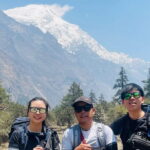
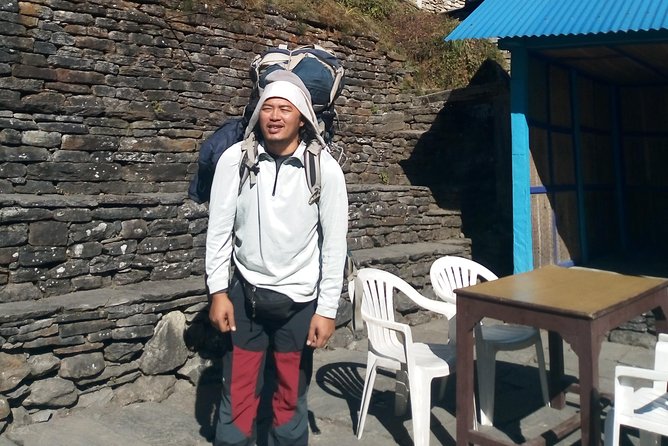
The strongest praise in your materials is about the people leading the trip. Guides Sudam and Ganesh are repeatedly described as attentive, professional, experienced, and good at supporting the group needs. There’s also a note that Sudam can speak Chinese, which can be a real help if you’re traveling with language concerns.
Even if you’re physically fit, you’ll hit moments where motivation drops: cold mornings, long downhills, or the mental math of one more hour. A guide’s job isn’t just route knowledge—it’s keeping your pace right, your energy steady, and your group calm.
Porters also show up in the feedback. One porter named Dinesh gets called out for being considerate and helpful on a first trekking experience. Another named porter, Suresh, is also praised for reducing luggage stress. That porter support is part of why the trek feels doable instead of punishing.
Price and value: what $996 actually buys you
At $996 per person for a roughly 10-day trek, the value is less about the number and more about what’s covered. Many trekking packages charge extra for permits, gear, transfers, and guided support. Here, you get the key items: ACAP and TIMS, guide and porter staffing, and provided trekking cold-weather gear (sleeping bag and down jacket).
You also get full transportation structure:
- Kathmandu to Pokhara by bus
- Pokhara to the trail area by private vehicle
- Return ride from Naya Pul back to Pokhara
- Flight or bus back to Kathmandu
That matters because ABC logistics can be a headache if you’re trying to DIY. This package makes you a participant instead of a project manager.
The one cost you still own is your personal readiness: altitude tolerance, footwear, and how you handle long walking days. But for most people, this kind of organized structure is the difference between a good trip and a stressful one.
Who this trek suits best (and who should think twice)
This trek is a strong fit if you:
- Have moderate physical fitness and can handle 6–8 hour days
- Want a guided route where permits and paperwork are handled
- Prefer small-group pacing (max 16)
- Appreciate having a porter so you can keep your pack manageable
You should think twice if:
- You struggle with steep stone steps and long descents
- You’re very new to trekking and can’t commit to slow pacing
- Cold nights at altitude make you anxious, because ABC sits at 4,130 meters and gear only helps if you use it properly
Should you book Annapurna Base Camp with Great Adventure Treks & Expedition?
Yes, if you want a well-organized ABC trek with a guide team that actually seems to care about the group, plus porter support that keeps your day-to-day load reasonable. The included permits, provided gear, and structured transport are the “boring” things that make this trek smoother—and you’ll feel that smoothness when your legs start bargaining around day 3 or 4.
If you’re prepared for altitude and steady effort, this is a smart, value-focused way to do Annapurna Base Camp without turning your trip into logistics work.
FAQ
What time does the trip start in Kathmandu?
The meeting time is 8:15 am at The Great Adventure Treks & Expedition Pvt. Ltd, Chhusya Galli, Kathmandu.
Where does the trek start and end?
It starts at the meeting point in Kathmandu and ends back at the same meeting point.
How do you get from Kathmandu to Pokhara?
You travel by tourist bus from Kathmandu to Pokhara (about 6–7 hours).
Is a guide included?
Yes. The trek includes an experienced, government-licensed trekking guide.
Do I need to carry all my luggage?
You’ll have porter support: 2 guests share 1 porter, and the porter carries up to 25 kg max per porter.
Are permits included?
Yes. The package includes the Annapurna Conservation Area Project (ACAP) Permit and TIMS card.
What gear is included for cold weather?
The tour includes necessary equipment: a sleeping bag and down jacket.
What meals are included?
The package lists 8 breakfasts, 8 lunches, and 8 dinners.
What altitude do you reach at Annapurna Base Camp?
Annapurna Base Camp is listed at 4,130 meters.
What’s the refund if I need to cancel?
You can cancel up to 6 days in advance for a full refund. Between 2–6 days before start time, you receive a 50% refund. Less than 2 days before start time is not refunded.