REVIEW · KATHMANDU
Mardi Himal Yoga Trek
Book on Viator →Operated by Classic Escapades · Bookable on Viator
Yoga meets the Himalayas on this trek.
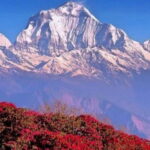
I love how the trip pairs daily yoga with serious trail time in the Mardi Himal region, so your body is moving and your mind is settling. I also like the balance of Kathmandu culture (stupas, squares, temples) before you trade city sounds for forest paths and wide Himalayan views.
This is organized in a way that makes the logistics feel lighter. I like that you get airport pickup and a small-group vibe (maximum 10 travelers), plus a professional trekking guide and porters to handle the heavy stuff.
The main thing to consider is effort level. You’ll hike multiple long days and do yoga at altitude around 4,500m, so you should have moderate physical fitness and be ready for cold or rain in the higher parts.
In This Review
- Key highlights you’ll feel from day one
- What you’re really buying for $1,057 per person
- The welcome in Kathmandu: Thamel, early yoga, and major spiritual stops
- Pokhara transfer: the 6-hour reset before the mountains
- Trek start: Dhampus View Tower, Phedi, and the first real trail effort
- Forest Camp: where the trek starts to feel like a real escape
- High Camp: longer hiking, colder air, and bigger views
- Mardi Himal Base Camp: yoga at 4,500m and the payoff moment
- Down to Sidding, back to Pokhara: trading steep for steady
- Kathmandu return with yoga again in Thamel
- Departure day: morning yoga and an airport transfer
- Meals and daily rhythm: what’s included, what’s on you
- Pace, group size, and weather reality (especially if rain shows up)
- Your guide matters: organization you’ll notice in the details
- Who should book this Mardi Himal Yoga Trek (and who might not)
- Price and logistics FAQ (quick answers)
- FAQ
- Is airport pickup and drop-off included?
- What does the $1,057 price include?
- How many days is the trek portion?
- What accommodation should I expect?
- Are Kathmandu heritage site entry fees included?
- Can I get a full refund if I cancel?
- Should you book this Mardi Himal Yoga Trek?
Key highlights you’ll feel from day one
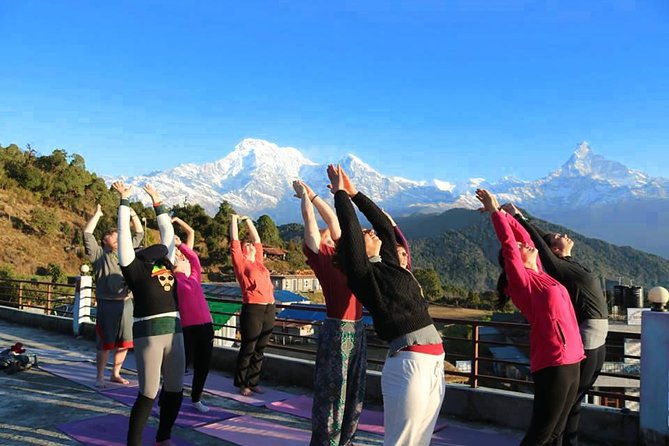
- Yoga and meditation are scheduled daily (morning practice and evening meditation, not just a one-off class).
- Kathmandu gets the essentials with real variety: Swoyambhu, Patan, Boudhanath, and Pashupatinath.
- The trek progresses in clear stages: Forest Camp → High Camp → Mardi Himal Base Camp → Low Camp.
- Tea is part of the trekking rhythm with three cups of tea each day on the trail.
- You’re not doing it alone thanks to a professional guide and porters.
- Small group size helps keep things calm and flexible when weather turns.
What you’re really buying for $1,057 per person
At $1,057 per person, this trek is paying for more than a set of hikes. You’re also paying for guided cultural days in Kathmandu, two nights in Pokhara, and a trekking plan that runs for about 10 days with yoga and meditation built in.
The value also comes from what’s included. You get airport pickup and drop-off, permits for the trek, overland transportation, and 5 days of nature trekking in the Mardi Himal region with lodging on twin-sharing tourist-class rooms in Kathmandu and Pokhara.
A big cost saver is that your guide and porters are included. That usually means you can focus on breathing, pacing, and enjoying the views instead of hauling everything yourself and getting wrecked by day three.
One thing to budget for: heritage site entry fees in Kathmandu aren’t included (about USD 26). You’ll want some extra cash or a card ready for those temple and stupa days, depending on what you visit and how your guide handles tickets.
You can also read our reviews of more tours and experiences in Kathmandu.
The welcome in Kathmandu: Thamel, early yoga, and major spiritual stops
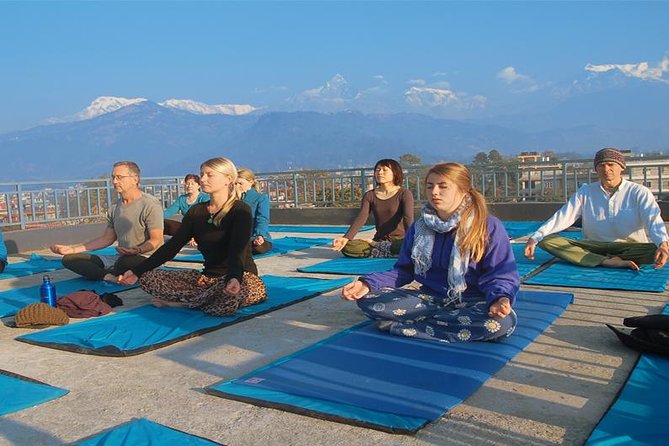
You start in a classic Kathmandu base: Thamel. That’s where the tour transfers you on arrival, with free time after check-in so you can get your bearings fast and handle any last-minute needs.
Day 2 is where the trip finds its rhythm. You begin with an early morning yoga session, then head into a full day of sightseeing after breakfast. The flow matters here: it’s not just sightseeing packed back-to-back, it’s sightseeing plus morning movement to help your body adjust to the day.
Swoyambhu Mahachaitya (Monkey Temple) is first. You’ll get sweeping views and the energy of a place where monks, visitors, and temple life all mix in one spot.
Next is Patan Durbar Square. Patan’s arts and stonework feel a bit different from Kathmandu proper, and it’s a good way to see Nepal’s heritage without repeating the same scene twice.
Boudhanath Stupa follows for quieter, slower time. The itinerary builds in time to explore and stop for lunch, then you head onward with the day still moving.
Finally comes Pashupatinath Temple, one of Nepal’s most iconic religious sites. You also get an evening meditation session on the day, which is a great way to end all that visual and cultural input without turning the day into sensory overload.
Pokhara transfer: the 6-hour reset before the mountains
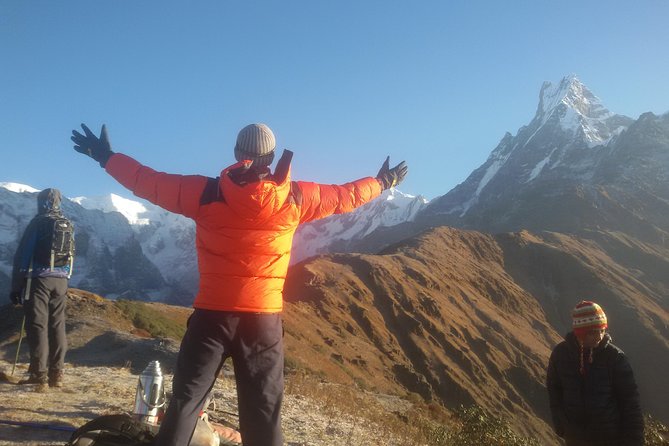
On Day 3, the day starts with yoga again, then you drive to Pokhara. The drive is about 6 hours, so think of this day as a reset: moving away from city density and toward a calmer mountain rhythm.
Pokhara Lakeside is your base for the next stage. Even with a packed schedule, this is a good place to stretch out, grab a snack, and settle into trekking mode.
Evening meditation is back on the menu. I like this pattern because your nervous system gets a little time to cool down after a long travel day, and you don’t feel like you’re running on fumes.
Trek start: Dhampus View Tower, Phedi, and the first real trail effort
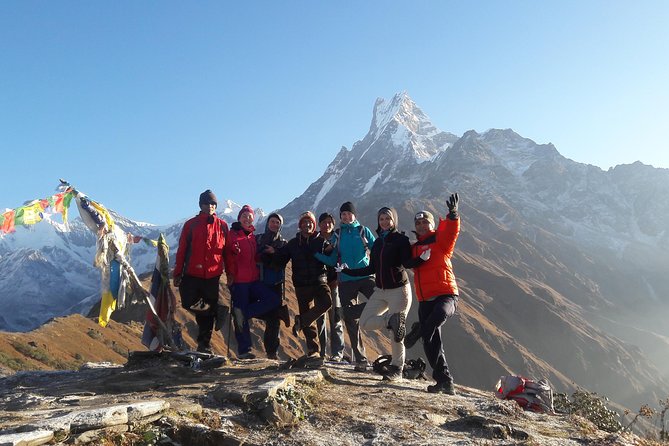
Day 4 begins with early yoga, then the plan shifts from road to trail. You’ll drive to Phedi and trek to Pitam Deurali, passing through Dhampus village and Pothana.
This is the kind of hiking day that’s often more about setting your pace than conquering distance. You’ll get forest-and-village walking energy, which helps you build confidence before steeper, higher terrain shows up.
The itinerary includes another evening meditation session, so the day doesn’t end with a flat landing. It ends with a mental downshift, which is useful when your legs are already tired but your mind still wants to stay alert.
Forest Camp: where the trek starts to feel like a real escape
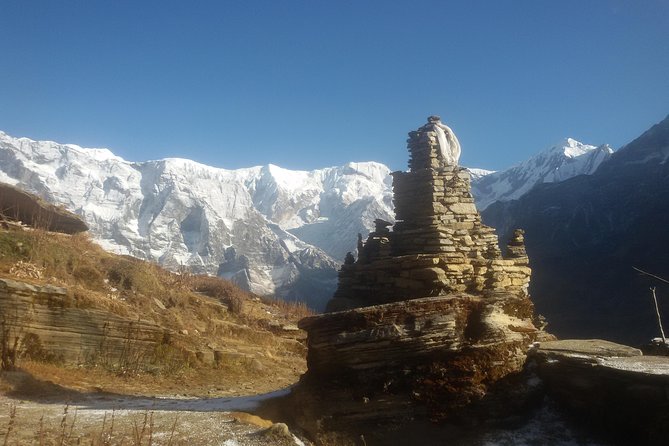
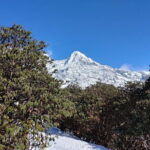
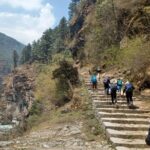
On Day 5, you’ll do early yoga again, then begin the trek toward Forest Camp for an overnight stay. The day is described as beautiful forest walking, and that’s exactly what this phase is good at.
A forest camp night tends to do two things for you. First, it makes the trek feel more immersive than just a walk between villages. Second, it gives your body a chance to adapt to trekking rhythm without jumping straight into the high-altitude extremes.
Tea is included—three cups of tea during the trek each day. That little detail is practical: it’s warm, it’s a break, and it keeps you from turning the day into a constant endurance test.
Evening meditation helps you sleep better, too. When you’re winding down after effort, meditation is a smoother landing than just sitting down and scrolling until you feel stiff.
High Camp: longer hiking, colder air, and bigger views
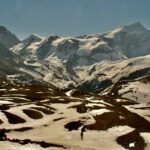
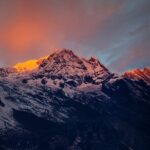
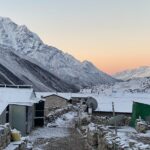
Day 6 steps you up. After early yoga, you trek all the way to High Camp, with more forest walking plus surrounding views.
This is where you’ll likely feel altitude more strongly and where the weather can get noticeably different from lower areas. Even when the trek is going well, your body may work harder just to move comfortably.
The itinerary keeps meditation in the evening, and I think that’s a smart design choice. At this stage, the mind often wants to race ahead, but meditation encourages you to stay present while your body adjusts.
Mardi Himal Base Camp: yoga at 4,500m and the payoff moment
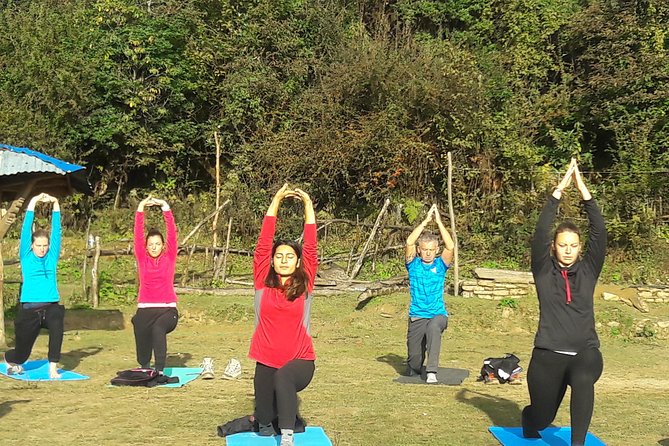
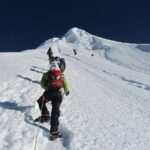
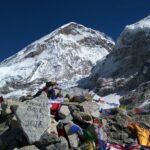
Day 7 is the mental highlight for many people: early hike to Mardi Himal Base Camp. The schedule includes yoga practice at an elevation of about 4,500m, then you descend to Low Camp via High Camp.
That sequence matters. You get a chance to experience elevation with guidance and structure, then you don’t linger at the highest point longer than necessary. Descending on the same day helps keep the trek realistic and manageable.
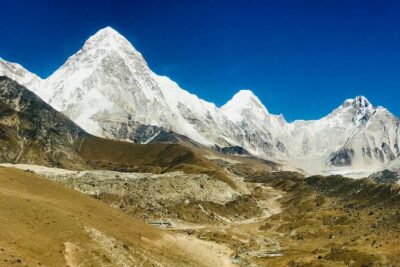
Base Camp time is where the views usually feel most rewarding, because your earlier days have been building you into this moment. If you’ve been wondering whether your legs can handle it, this day is your answer.
And yes, the evening meditation session comes back again. It’s one of the best ways to close the day after a high-effort hike without letting the adrenaline turn into restless sleep.
Down to Sidding, back to Pokhara: trading steep for steady
Day 8 lowers the intensity. You’ll do early yoga, then trek down to Sidding for about 3 hours, followed by a drive back to Pokhara.
A shorter downhill day is often a relief for legs, but don’t treat it like a casual stroll. Downhills can be hard on knees, and you’ll still want to pace carefully and use trekking support if you have it.
Evening meditation remains part of the schedule. This is also a good moment to think about recovery: hydrate, eat what feels right, and let your body settle after the highest trekking day.
Kathmandu return with yoga again in Thamel
Day 9 brings the long drive back to Kathmandu, about 7 hours. You’ll have morning yoga, and then the day is mainly about travel and reset.
The return to Thamel is useful. You get a familiar base again, and it’s easier to handle meals on your own if you want flexibility after the trek.
You also get a chance to reflect on what the Himalayas did for you. After days of structured movement and silence time, cities can feel loud—but in a good way, like you’re back home with fresh eyes.
Departure day: morning yoga and an airport transfer
On Day 10, you’re back in Thamel for morning yoga, then you’ll drive to the airport based on your departure schedule.
This final day feels gentler than Day 9 because your body has already done the heavy work. If you’re tempted to skip your last yoga session because you feel tired, try not to. A short reset can make travel easier, especially if you’re stiff.
Meals and daily rhythm: what’s included, what’s on you
You’ll have breakfast included (9 breakfasts), plus lunch and dinner included on some days. The trip includes 5 lunches and 4 dinners, but lunches and dinners in Kathmandu and Pokhara aren’t specified as included.
That means you should plan for extra spending on food during the sightseeing and Pokhara free time. It’s not a dealbreaker; it just keeps you from assuming everything is fully covered.
The three cups of tea each trek day are included, and I think that’s more than a cute extra. Tea breaks help you recharge, warm up, and keep your pace steady without chasing food every hour.
Pace, group size, and weather reality (especially if rain shows up)
This tour is described as moderate fitness. That’s the right label for people who can hike daily for multiple hours and can handle gradual altitude change without panic.
You should also expect weather variability. On some departures, rain can hit early days, and skies may clear as you gain elevation. If you go in shoulder season or wetter months, pack for rain and plan to keep going even when visibility dips.
Cold is also part of the deal higher up. Even if it’s sunny, nights at camps can feel sharp, and having layers you trust will make the difference between miserable and manageable.
The small group size (maximum 10) is a quiet advantage in rough weather. When conditions change, smaller groups are easier to steer and adjust day-to-day without drama.
Your guide matters: organization you’ll notice in the details
One of the best signals in past experiences is how well the lead guide (a person named Sunil) helps everything feel simple. Planning and communication are often where stress hides on trekking trips, and the way this trip is run seems to reduce that.
Once you’re on the ground, having a professional trekking guide plus porters means you can trust the route and focus on the hike and yoga sessions. That’s a big deal if you’re traveling for the first time or you just don’t want to be the person constantly asking what comes next.
Who should book this Mardi Himal Yoga Trek (and who might not)
This trek fits well if you want three things together: a real Himalayan trek, a daily yoga/meditation routine, and meaningful Kathmandu sightseeing.
It also suits solo travelers who want structure. The trip is capped at 10 travelers, it runs with guides and porters, and the daily schedule is built so you’re not stuck improvising every day.
You might reconsider if you want a pure hiking challenge only. This trip includes meditation and yoga every day, so your schedule is intentionally slower and more reflective than a standard fast trekking plan.
You should also rethink if long days plus altitude yoga are a gamble for you. You’ll do practice at around 4,500m, so if your fitness is low or your breathing feels unpredictable, choose a different trek design.
Price and logistics FAQ (quick answers)
FAQ
Is airport pickup and drop-off included?
Yes. You get airport pickup at Tribhuvan Airport in Kathmandu and a transfer to the airport on departure.
What does the $1,057 price include?
It includes overland transportation, Kathmandu sightseeing, permits, 3 nights in Kathmandu and 2 nights in Pokhara (tourist class twin sharing), a 5-day trek in the Mardi Himal region, yoga sessions with a certified yoga teacher, a professional trekking guide and porters, tea during the trek, and specified breakfasts/lunches/dinners.
How many days is the trek portion?
The trek in the Mardi Himal region is 5 days, even though the overall trip is about 10 days.
What accommodation should I expect?
You’ll stay in tourist class accommodation on a twin sharing basis for 3 nights in Kathmandu and 2 nights in Pokhara.
Are Kathmandu heritage site entry fees included?
No. Heritage site entry fees in Kathmandu aren’t included and are estimated at about USD 26.
Can I get a full refund if I cancel?
Yes. You can cancel up to 24 hours in advance for a full refund.
Should you book this Mardi Himal Yoga Trek?
If you want a Nepal trek that’s not just miles, this is a strong choice. The daily yoga and evening meditation create a rhythm that makes the trek feel intentional, not chaotic, and the Kathmandu-to-Pokhara setup helps you ease into the mountains.
I’d book it if you like structured days, enjoy spiritual sites, and want your hiking to come with breathing time and warm tea breaks. I’d pause if you’re mainly chasing a tough, training-style trek or if altitude makes you nervous—because the schedule does include yoga at about 4,500m.