REVIEW · MARRAKECH
3-Days from Marrakech to Merzouga Tour with Camel Trek
Book on Viator →Operated by Africa Tours Marrakech · Bookable on Viator
A long drive becomes worth it fast. This 3-day route connects Marrakech to the dunes of Merzouga with camel time, big desert skies, and classic southern Morocco stops. I love the mix of UNESCO sights plus outdoor time on the same trip, and I also like that the tour is run in a small-group/private format, so your guide can actually give you attention. The one thing to plan around is the parts that are not included—especially lunch and drinks at set stops, which can feel overpriced if you did not bring snacks.
In This Review
- Key highlights that make this tour work
- Marrakech to Merzouga: how this 3-day plan really feels
- Atlas Mountains first day: Jemaa el-Fnaa, Tizi n’Tichka, and Ait Ben Haddou
- Tizi n’Tichka photo stop
- Ait Ben Haddou Kasbah (UNESCO)
- Ouarzazate and Rose Valley breaks: short stops that still help
- Ouarzazate quick views
- Vallée des Roses timing for April and May
- Where you sleep after Day 1
- Day 2: Todra Gorges with a local guide, then Erfoud and toward Merzouga
- Todra Gorges: why the guided part matters
- Toward Erfoud: fossils country, then the dunes
- The Merzouga camel trek and desert camp night you came for
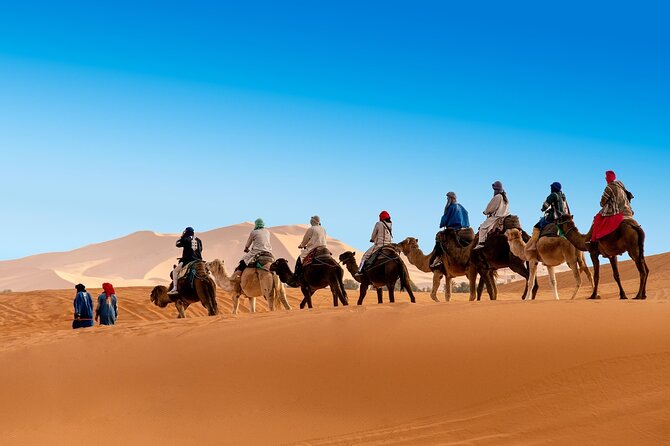
- Camel ride time and what to expect
- Nomad tents, dinner, and starry skies
- Day 3 return: Kelaat Mgouna roses, Ouarzazate breaks, and the Tichka pass again
- Kelaat Mgouna lunch stop in roses valley area
- Ouarzazate and Draa-Tafilalet break
- The Tichka Atlas pass again
- Price and value: what $115 covers (and where you should expect extras)
- Transportation and guide quality: comfort, pace, and the Yusuf factor
- What to pack and how to prepare (so Day 2 feels great)
- Who this tour is best for
- Should you book this Marrakech–Merzouga tour?
- FAQ
- FAQ
- Is pickup offered for this tour?
- How long is the tour?
- What’s included in the price?
- Are lunch and drinks included?
- What do you do for the overnight in Merzouga?
- Does the itinerary include camel riding both ways?
- Is this a private tour or a shared group?
- Is free cancellation available?
Key highlights that make this tour work
- Ait Ben Haddou Kasbah (UNESCO): fortified Berber village sights plus an easy walk across the river area
- High Atlas at Tizi n’Tichka (2260m): a photo stop at the mountain pass that breaks up the long day
- Todra Gorges with a local guide: a guided visit before you point the minibus toward the desert
- Erg Chebbi dunes and Erfoud: fossils country stop logic, then dunes time at Merzouga
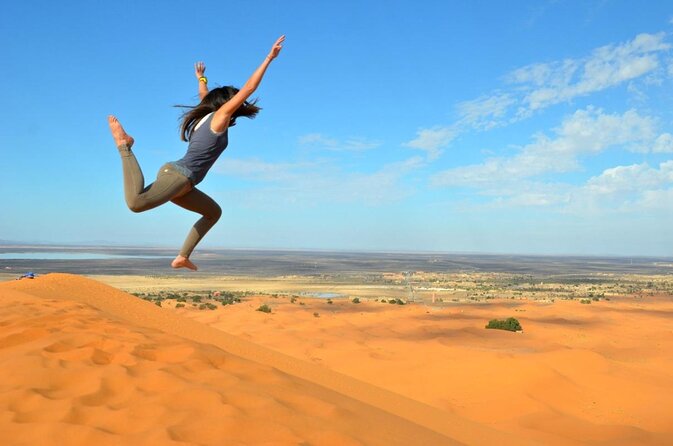
- Camel ride + nomad tents: the core experience, with dinner and overnight in the desert camp
- Sandboarding is included: you get the action without paying separately
Marrakech to Merzouga: how this 3-day plan really feels
This tour is built for travelers who want to see a lot of Morocco without doing the logistics themselves. You’ll spend Day 1 moving from the city world into Atlas high country, Day 2 transitioning into Todra and the dunes, and Day 3 turning back toward Marrakech with a final sweep through rose-valley terrain.
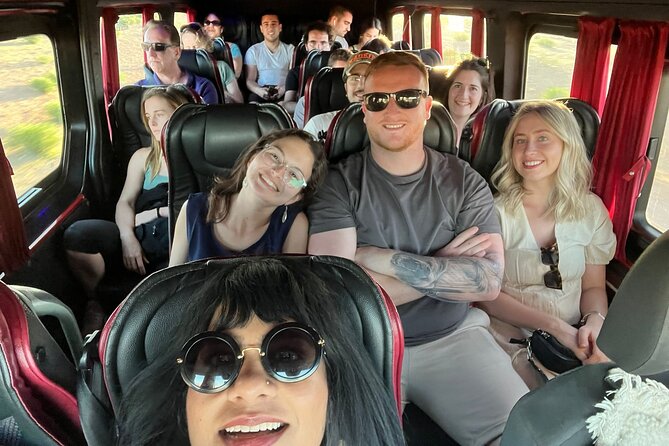
The rhythm is simple: drive, stop, sightsee, then save your big “wow” time for Merzouga. Expect long stretches in an air-conditioned minibus, but the stops are spaced so you get photos and breaks, not just hours of sitting.
You also get a useful amount of structure. Your overnight is already handled in a desert camp (nomad tents), and the tour includes two dinners and two breakfasts, plus a camel ride and sandboarding.
You can also read our reviews of more tours and experiences in Marrakech.
Atlas Mountains first day: Jemaa el-Fnaa, Tizi n’Tichka, and Ait Ben Haddou
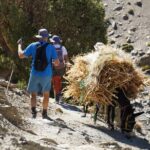
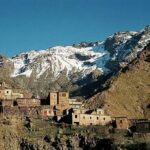
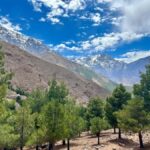
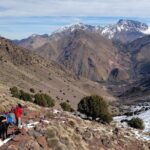
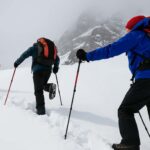
Day 1 starts early. After meeting your driver around 8:00, you leave Marrakech from the Jemaa el-Fnaa area and head toward the High Atlas via Tizi n’Tichka, one of Morocco’s signature mountain passes. The drive tops out around 2260m, and while you’re not hiking it for hours, you are getting a real altitude-feeling stop for photos.
Tizi n’Tichka photo stop
This is a classic “pull over and take in the view” moment. It matters because it’s not just scenery—it’s the shift from the warmer, city-to-village feel into big mountain country. If you care about photos, this is usually your best chance before you hit the slower, more ancient-feeling stops.
Ait Ben Haddou Kasbah (UNESCO)
Then comes the star stop: Ait Ben Haddou, a UNESCO-listed fortified village. You cross the river that separates the kasbah from the main road, and you get time to explore at a relaxed pace. This is the kind of place where narrow lanes and earthen walls do the storytelling for you.
It’s also known for being a filming location for major productions—so even if you’ve seen scenes from it before, seeing the real site still hits differently. Plan to wander, not rush, because the best views here come from angle changes—corners, small streets, and higher points within the village area.
Ouarzazate and Rose Valley breaks: short stops that still help
After Ait Ben Haddou, the tour doesn’t pretend you can cover everything at once. Instead, it gives you quick photo breaks that prevent the day from feeling monotonous.
Ouarzazate quick views
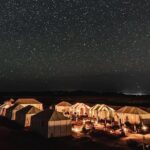
You’ll pass through Ouarzazate with a brief photography stop that includes views toward Atlas Studios and the kasbah area of Tawrirt. The time is short, but it’s useful because Ouarzazate is where many routes either “stay dramatic” or “change tempo,” and this stop helps you understand the area’s movie-and-castle vibe.
Vallée des Roses timing for April and May
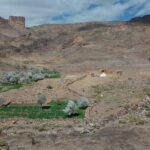
Then there’s the Vallee des Roses break. You’ll see how rose picking starts in April, and how the area ties into a 3-day festival in the first week of May. If you’re traveling in those months, the stop feels more alive because rose oil and local products are part of the associations you’ll notice there.
Where you sleep after Day 1
Night one is in a hotel like Bougafer Tinghir or a similar option (or a luxury riad in the Dades area, depending on what’s arranged). You’re not in a desert tent yet—this stop keeps the trip comfortable before you switch into the more basic Bedouin camp setup.
Day 2: Todra Gorges with a local guide, then Erfoud and toward Merzouga
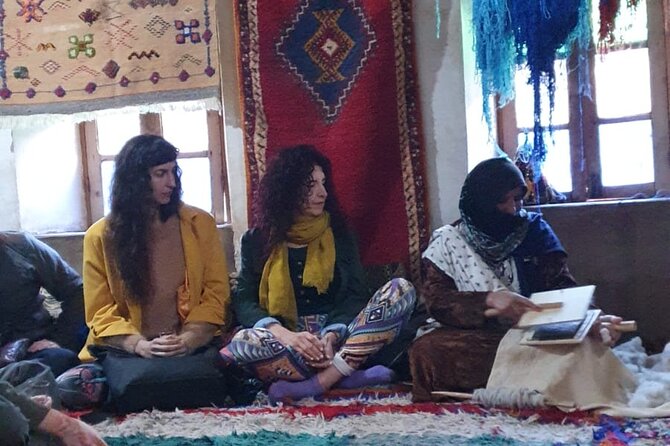
Day 2 is when the trip turns from “sights and stops” into “natural power.” After breakfast, you go to the Todra Gorges and also visit the Todgha garden and a local kasbah area with a local guide.
Todra Gorges: why the guided part matters
The gorge area is impressive on its own, but the local guidance is what helps it make sense. You’re not just looking at rock walls—you’re hearing how the area is used and understood locally, and that changes how you walk it.
The other practical win: guidance helps you move efficiently so you don’t burn time trying to figure out the best parts by yourself.
Toward Erfoud: fossils country, then the dunes
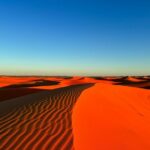
From Todra you continue toward Erfoud, described as the capital of fossils. You’ll pass through places like Tinejdad and Berber villages, then roll onward to the Erg Chebbi dunes near Merzouga.
The key here is that you’re not dropping straight into the desert without context. You get the in-between country, so when the dunes show up, they feel like a real change of worlds.
The Merzouga camel trek and desert camp night you came for
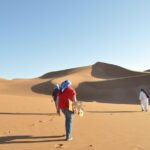
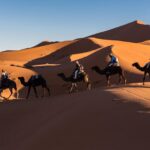
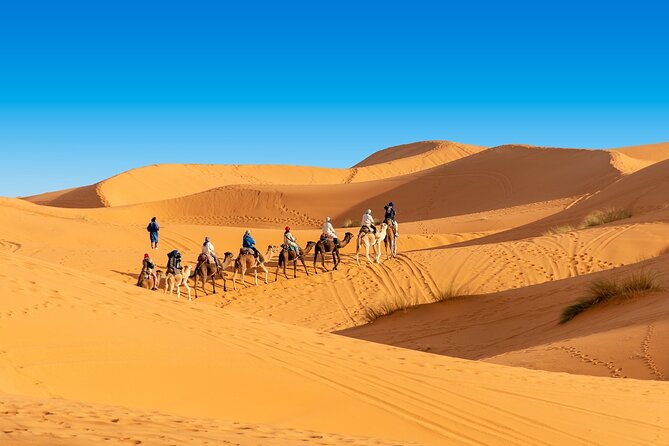
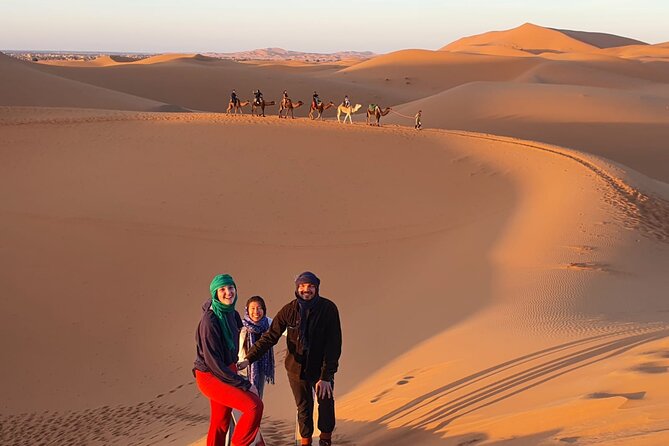
This is the heart of the tour. You leave the vehicle for your camel ride in the dunes of Merzouga, and this is where the trip stops being a drive-and-look and becomes a slow, sensory experience.
Camel ride time and what to expect
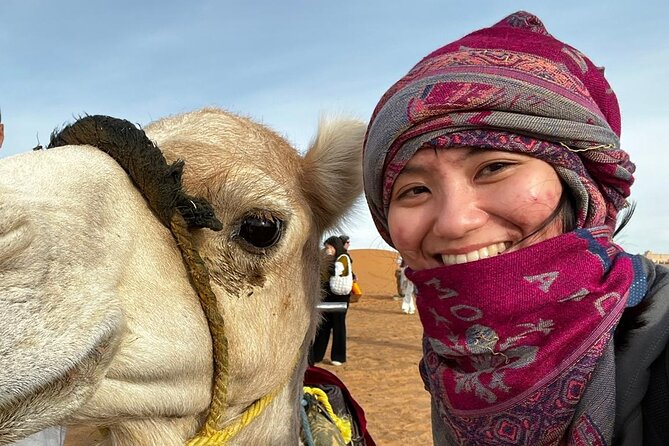
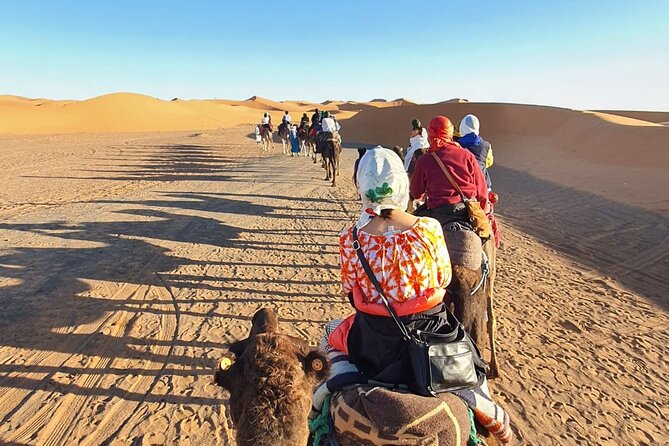
Your camel ride is included with a camel for each person. One detail that stands out from the experience feedback is that the camel ride is described as around two hours each way (so yes, it’s not a quick photo camel ride). You’ll want to feel comfortable with slow movement and sitting for a while.
Nomad tents, dinner, and starry skies
Overnight is in nomad tents in the big dunes at a historic Bedouin-style camp. Dinner and overnight are included, and the plan is set up to let you enjoy the quiet—there’s a real emphasis on the silence and the starry nights once you’re out there.
Even if the luxury level is lower than a hotel, the value is the experience itself: being in the desert after the last car is gone. This is the part that tends to create the strongest memories because it’s not something you can “DIY” easily on a tight schedule.
Day 3 return: Kelaat Mgouna roses, Ouarzazate breaks, and the Tichka pass again
Day 3 starts with an early breakfast at camp, then you drive back to the main road and meet your driver for the return toward Marrakech. You don’t just “go back the same way and repeat.” The plan includes a final loop of cultural stops and scenic breaks.
Kelaat Mgouna lunch stop in roses valley area
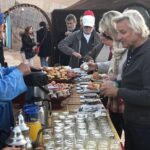
You’ll reach Kelaat Mgouna, a roses valley area, where you stop for lunch. Lunch isn’t included in the price, but it’s part of the overall route plan, and this stop keeps the day from being pure driving.
Ouarzazate and Draa-Tafilalet break
You also pass through Ouarzazate again and a Draa-Tafilalet stop for a break. These are the kind of pauses that help you stay comfortable on the long road back, especially after the previous day’s early-morning and dune time.
The Tichka Atlas pass again
You’ll pass back over the Tichka Atlas mountain area before reaching Marrakech. Doing the pass both directions is a sneaky benefit: you get more than one angle of the High Atlas crossing, and you’re not stuck with only one “view window.”
You’ll end with drop-off in Marrakech at your accommodation.
Price and value: what $115 covers (and where you should expect extras)
At $115 per person for about 3 days, this trip is priced like a “full route package,” not like a collection of separate tickets. The value shows up in the included costs you’d otherwise pay on your own:
- Air-conditioned minibus transport with fuel included
- Camel ride (one camel for each) plus camel trekking experience
- Desert camp accommodation in Merzouga (nomad tents)
- Dinner x2 and breakfast x2
- Sandboarding
- Entry/admissions tied to the itinerary stops (including the Merzouga Desert entry)
That said, you do need to budget for what is not included: lunch and drinks. And there’s a clear pattern here—some set food stops along the way can be overpriced for tourists. I’d handle that by doing one simple thing: bring a couple of snacks and water-ready items for the day so you’re not forced to buy at every stop.
If you’re the type who wants drinks with every meal, add that cost. If you’re fine with simple meals until dinner, this package stays a strong deal.
Transportation and guide quality: comfort, pace, and the Yusuf factor
The tour uses an air-conditioned minibus, which matters on long Morocco drives. You’re also dealing with stop timing across mountains and desert approaches, so the guide’s job isn’t just storytelling—it’s keeping the pace smooth and getting you to each key point without chaos.
One guide name that comes up is Yusuf, and the impression from the experience feedback is that he manages the day well. In practice, that means you’ll get a calmer feeling about timing and logistics, especially if your group has different comfort levels.
The tour format is also described as private/small group, meaning it’s not a mega-coach crowd. You’ll typically have an easier time asking questions and adjusting your pace at stops.
What to pack and how to prepare (so Day 2 feels great)
The tour details don’t list packing items for you, so I’ll stick to practical advice that matches what you’re doing: mountains, gorges walks, dunes, and sitting on a camel.
Bring:
- Comfortable shoes for gorge and kasbah walking
- A light layer and a warmer layer, since you’ll move from city warmth to higher elevations and desert evenings
- Basic personal snacks to cover lunch and drinks gaps between included meals
- A swimsuit only if you’re the type who likes early morning or off-time in camp (the plan doesn’t say it’s guaranteed, so pack it only if you’re flexible)
Also, think about your photos. You’ll have short stops at viewpoints—so keep your camera/phone ready instead of digging through a bag every time.
Who this tour is best for
This is a strong fit if you want:
- A 3-day route that compresses Marrakech, Atlas scenery, UNESCO Ait Ben Haddou, Todra Gorges, and Merzouga
- Included desert camp time with camel trekking and sandboarding
- The convenience of having transport, overnight, and key entries handled
It may not be your best match if you:
- Want a trip with no extra spending beyond the ticket (because lunch and drinks are not included)
- Dislike long road days in a minibus (this tour does a lot of driving)
Should you book this Marrakech–Merzouga tour?
If you want the classic Morocco circuit—Atlas pass views, Ait Ben Haddou, Todra Gorges, then dunes and a desert camp—this package is a good value for the price. The biggest reason to say yes is that it includes the hard-to-organize core pieces: camel ride + Merzouga camp + dinner/breakfast + sandboarding.
My advice: book it if you’re ready to treat lunch and drinks as separate budget items. If you’re the kind of traveler who plans snacks and simple meals, you’ll feel like you got your money’s worth.
FAQ
FAQ
Is pickup offered for this tour?
Yes, pickup is offered. You’ll meet your driver in Marrakech near Jemaa el-Fnaa around 8 o’clock.
How long is the tour?
It’s listed as 3 days (approx.).
What’s included in the price?
Included are transport by air-conditioned minibus, camel ride (one camel for each), camel trekking, desert camp accommodation in Merzouga, sandboarding, and dinner x2 plus breakfast x2. Entry/admission fees tied to the stops are also included.
Are lunch and drinks included?
No. Lunch and drinks are not included.
What do you do for the overnight in Merzouga?
You spend the night in nomad tents at a Bedouin-style desert camp. Dinner and overnight are included.
Does the itinerary include camel riding both ways?
The experience includes a camel ride in the dunes, and the timing is described as about two hours each way in the available feedback.
Is this a private tour or a shared group?
It’s described as private, and only your group will participate. It’s also described as small group, meaning more attention from your guide.
Is free cancellation available?
Yes. Free cancellation is available, and you can cancel up to 24 hours in advance for a full refund.