REVIEW · MHAMID
4 days trek – The legs of camels
Book on Viator →Operated by L'oiseau du désert · Bookable on Viator
Camel legs, real desert miles. This 4-day trek from M’Hamid follows the Draa Valley into wild, uncrowded stretches, where the scenery shifts through rocky zones, stone plateaus, and big dune fields.
Two things I really like: the route’s focus on mineral variety (from hamadas to ergs) and the hands-on way the nomad team shares day-to-day life. One thing to think about first: it’s physical and outdoors all day, and the tour doesn’t include a sleeping bag, so you’ll want to pack for cold nights.
In This Review
- Key highlights you’ll feel fast
- Following the Draa Valley: why this trek feels different
- Terrain you can plan for: hamadas to ergs to big dunes
- The four-day rhythm: what each day tends to bring
- Camp life: what you get, what you need, and why it matters
- The nomad guide team: names you’ll remember
- Price and value: what $528.55 really covers
- Who should book this trek, and who should think twice
- Weather and physical reality near M’Hamid
- Practical packing and smart choices (so you can enjoy it)
- Final verdict: should you book this 4-day desert trek?
- FAQ
- How long is the trek?
- Where does the trek start and end?
- Is pickup available?
- What is included in the price?
- What should I bring that is not included?
- Do I need private transportation?
- What physical fitness level do I need?
- Is this a private tour?
- What are the activity hours?
- Can I get a refund if I cancel?
Key highlights you’ll feel fast
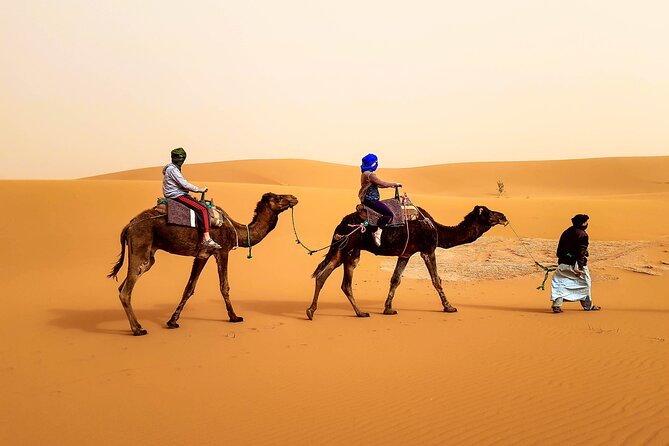
- Uncrowded desert track along the Draa Valley instead of the most-visited corridors
- Terrain changes you can read with your eyes: rocky massifs, hamadas, then ergs and large dunes
- Private trek with only your group, guided by a nomad team
- Nomadic cooking and comfort gear included (sleeping and eating equipment are provided)
- Small energy boosts along the way, including dates for the day
- Close-up culture moments with guides like Hasan, Ibrahim, Mohamed, Bakar, and Brahim
Following the Draa Valley: why this trek feels different
If you’re craving the kind of desert trip that doesn’t feel crowded or staged, this one makes a strong case. Starting in M’Hamid, you move along the Draa Valley route into stretches described as wild and uncrowded. That matters because the desert can turn from peaceful to repetitive fast when the same tracks get churned by too many groups.
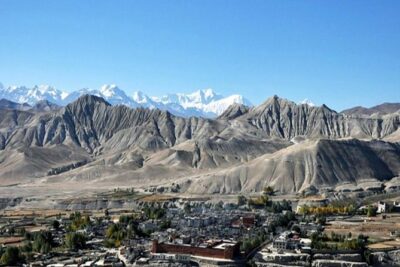
The big draw is that you’re not just “walking in sand.” The route is designed around the mineral world in multiple forms—rocky massifs, stretches of flat, stony plateau (hamadas), then ergs and larger dunes. Instead of one type of scenery for four days, you get a sense of how the desert changes as you go.
And then there’s the human side. In the best moments, the guides don’t just guide you; they feed you, check in, and help you understand daily nomad rhythms. In past trips with this team, people came away talking about comfort, kindness, and a sense of being looked after from the start.
You can also read our reviews of more tours and experiences in MHamid.
Terrain you can plan for: hamadas to ergs to big dunes
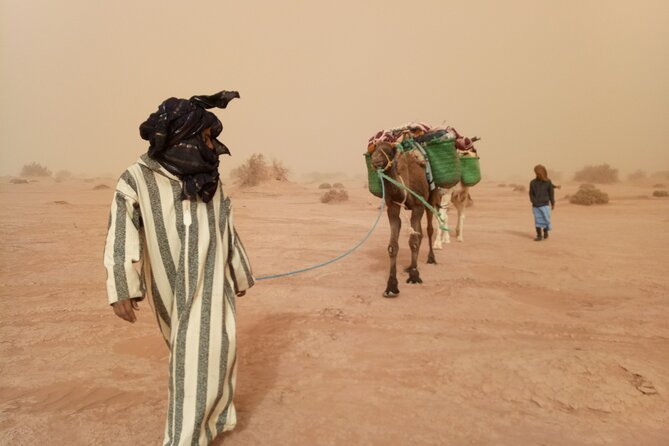
One reason this trek appeals to practical travelers is the route is built around changing ground. That’s good news because it gives your legs variety, and it keeps your eyes engaged.
Here’s how to think about the terrain you’ll likely experience over the four days:
Hamada country (stone plateaus)
Hamada areas are the stony, harder-surfaced parts of the desert. They tend to feel more “walkable” underfoot than deep dune sand, but they can be punishing on your body if you don’t have the right footwear. Expect this part to be more about endurance—keeping a steady pace and protecting your feet.
Rocky massifs (solid, dramatic chunks)
Rocky stretches are where the desert looks more like geology than scenery. These sections usually mean firmer walking, but also more wind exposure and sun glare. It’s a good contrast day: your boots get a break from the softest sand, but the weather can still hit hard.
Ergs and large dunes (the sand that slows you down)
Ergs are where the desert becomes that classic drifting sea of dunes. This is where your pace tends to drop, and why the title matters: camels mean you still get real desert travel without turning it into an all-day battle for every step. You’ll likely feel the difference between a light, smooth stride and the deeper, heavier sand.
The practical takeaway: you’re not going to experience only one “kind” of desert. You’re going to see why deserts aren’t simple.
The four-day rhythm: what each day tends to bring
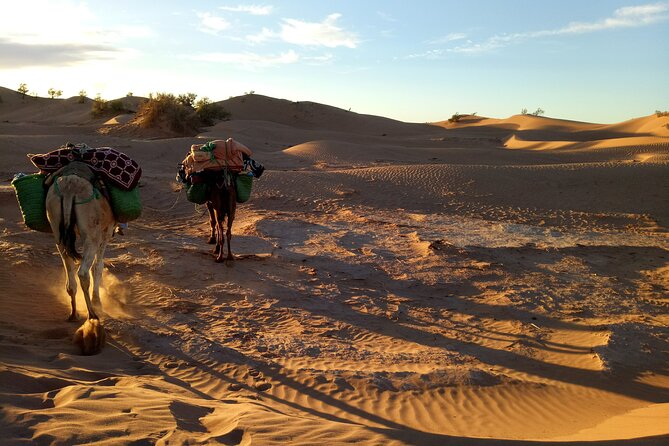
You won’t find a “museum stop” here. This trek runs on movement, rest, food, and changing horizons. Since the tour is four days and follows the Draa Valley, your days generally feel like a progression—starting with getting your body used to the trek, then building into longer, more intense desert hours, then finishing with the relief of returning along the same overall route direction.
Day 1: settle into the trek and start reading the desert
Expect a full introduction day: setting up your gear for the kind of heat and wind that can change by the hour, learning how the camel segment works for you, and getting your first real sense of the Draa Valley desert edge. Your biggest win on Day 1 is mental—knowing what to expect from the ground and the pace.
Day 2: mineral variety takes over
This is where the trip’s promised “rock, plateau, dunes” feel starts to show up more clearly. You’ll likely spend time in areas that shift from harder surfaces to softer sand. The goal here isn’t speed. It’s steady rhythm and keeping energy up.
Day 3: big desert hours and the sand-wind combo
The desert isn’t just hot; it’s also often windy. That changes everything: hats get useful, sunscreen matters, and water planning becomes real. People describe this as a challenging day—hot, sand, wind, sweating—followed by the satisfaction of realizing you can push through.
Day 4: return with a different kind of tired
By the last day, you’re no longer just moving through scenery. You’re carrying a sense of having traveled with people who run their days differently. Many people finish with a heavy-hearted feeling, not because it was effortless, but because it felt authentic and human.
Camp life: what you get, what you need, and why it matters
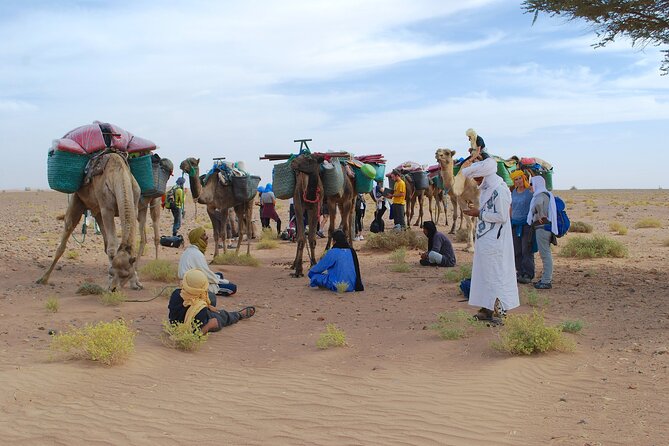
This kind of trek lives or dies on comfort. Yes, you’re out there for the desert. But you’re also out there to sleep and recover.
Good news: the tour includes eating and sleeping equipment. That means you’re not arriving having to figure out how to cook, how to eat, or what camp setup will look like.
What’s not included is your sleeping bag. That’s the big practical gap. Even when days are hot, nights in the desert can feel cooler than you expect once the sun drops. If you show up without a sleeping bag, you’ll be forced to improvise, and that’s how a great trek turns into a miserable sleep situation.
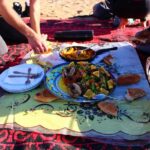
A smaller but meaningful detail: the nomad team tends to keep energy up with thoughtful food choices. One past traveler highlighted meals as very tasty and mentioned a date every now and then during the day for quick energy. That’s exactly the kind of small support that helps you keep a steady pace rather than crash.
The nomad guide team: names you’ll remember
This trek is led by a nomad team that shows up as more than just logistics. In real-world terms, you feel this in three ways: how quickly you feel comfortable, how cared for you feel during the hardest hours, and how your cultural questions get answered in a calm way.
From experiences with this operator, you’ll likely spend time with guides named Hasan, Ibrahim, Mohamed, Bakar, and Brahim. The names matter because it points to consistent, identifiable people—less “company staff,” more “the team.” When travelers talk about comfort right away, it usually comes from the same places: clear guidance, steady patience, and meals that arrive when you’re actually hungry.
The cultural side shows up in simple interactions: learning how the team cooks, how daily life in the desert works, and how the group shares small moments that break up the long hours of walking or traveling.


Price and value: what $528.55 really covers
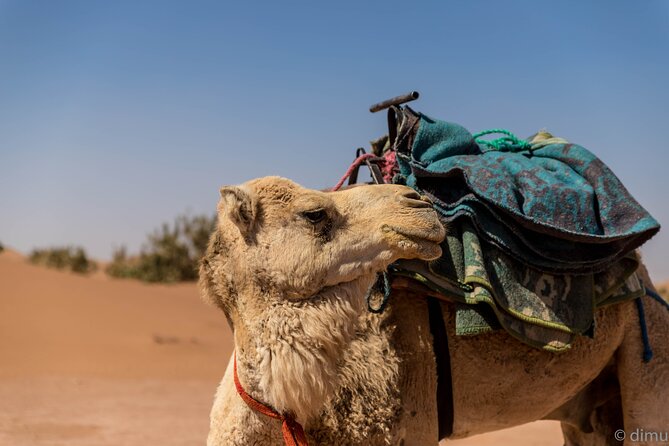
At $528.55 per person for about four days, this trek sits in the category where value isn’t only about the scenery—it’s about what’s handled for you.
Here’s what’s included:
- Eating and sleeping equipment
- All fees and taxes
What’s not included:
- Sleeping bag
- Private transportation
Pickup is offered, which helps if you don’t want to scramble to get yourself positioned at M’Hamid.
So where’s the value? I see it in two spots.
First, you’re paying for a setup that supports camping and feeding you. If you’ve ever tried to self-organize a multi-day desert trip, you know the real cost isn’t just the “overnight”—it’s gear, logistics, and the time it takes to coordinate everything correctly. This tour is doing that work for you.
Second, you’re paying for a private experience. Only your group participates, so you’re not stuck sharing energy, pace, or quiet moments with strangers who have totally different expectations.
The only clear “cost” you personally manage is your sleeping bag, plus the physical effort and packing you need to do.
Who should book this trek, and who should think twice
This is best for you if:
- You have moderate physical fitness and can handle long outdoor hours
- You want the desert beyond the postcard version—rock, plateau, dunes in one trip
- You like trip styles where people matter as much as scenery
It’s probably not the best fit if:
- You hate wind and sand (or you get miserable quickly with heat)
- You’re not ready to pack a proper sleeping bag
- You expect a trip with lots of “sightseeing stops” rather than a rhythm of walking, resting, and camp life
Also, this is a private tour/activity. That’s great for groups who want closeness, but it means the experience is designed around your group’s pace, not a fixed itinerary built for speed.
Weather and physical reality near M’Hamid
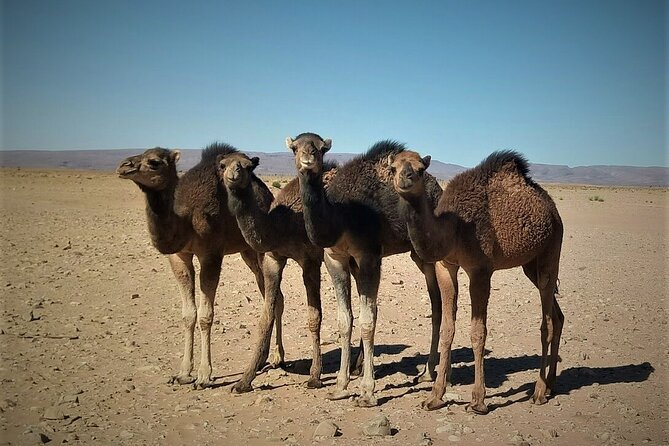
Even without over-dramatizing it, you should plan for desert conditions that can shift fast.
Think ahead about:
- Sun and glare: hats, sunglasses, and sunscreen are not optional-feeling
- Wind: it’s often the thing that makes sand feel worse than it looks
- Hydration: you’ll want to keep water habits steady, not random
One past traveler used words that boil down to this: hot, sand, wind, sweat, and the feeling of pushing your limit—then surpassing it. That’s a good description of what “challenging” means in real desert trekking terms. You don’t need to be an athlete. You do need to be willing.
Practical packing and smart choices (so you can enjoy it)
I won’t guess your gear list, but I will tell you what makes a difference on this style of trek:
Bring your sleeping bag
This is explicitly not included, and desert nights can surprise you.
Wear footwear you trust
Because you’ll move across different ground types—stone plateaus, rocky stretches, and dunes—your shoes should feel stable and comfortable on day three, not just fine on day one.
Protect your head and skin
Wind and sun are part of the deal, so choose a hat or head covering and plan for sun protection.
Plan for a slower pace
With dunes involved, your day may not feel like “normal walking.” Going with the rhythm—supported by camel travel when needed—is part of how people end up with that heavy-heart finish instead of exhaustion regret.
Final verdict: should you book this 4-day desert trek?
Yes, I’d book it if you want an authentic Draa Valley desert trek that mixes rocky, stony plateau, and dune country—guided by a nomad team that’s known for kindness and good food. The included camp equipment and the private group format make it feel like good value, not an expensive gamble.
I’d hesitate only if you’re not comfortable with wind/sand challenges or if you don’t want to pack a proper sleeping bag. Fix those two issues, and you’re set up for a trip that feels like real desert life, not just a quick scenic outing.
FAQ
How long is the trek?
It’s listed as a 4-day trek, with duration described as approximate.
Where does the trek start and end?
It starts in M’Hamid, Morocco and ends back at the meeting point.
Is pickup available?
Pickup is offered.
What is included in the price?
Eating and sleeping equipment, plus all fees and taxes are included.
What should I bring that is not included?
A sleeping bag is not included.
Do I need private transportation?
Private transportation is not included.
What physical fitness level do I need?
The trek is recommended for travelers with a moderate physical fitness level.
Is this a private tour?
Yes, it’s a private tour/activity, so only your group participates.
What are the activity hours?
It’s shown as operating daily from 7:00 AM to 11:00 PM.
Can I get a refund if I cancel?
You can cancel up to 6 days in advance for a full refund, with partial refunds possible if you cancel 2–6 days before. No refund if you cancel less than 2 days before.