REVIEW · MHAMID
5-day trek – In the Draa Valley
Book on Viator →Operated by L'oiseau du désert · Bookable on Viator
Draa Valley walking changes your pace fast. This 5-day trek from M’Hamid is a hands-on introduction to nomadic life, following animal routes across ergs and the Draa Valley’s back-and-forth between arid stretches and greener pockets.
Two things I really like: the daily rhythm (expect 13–17 km on foot each day) and the way camp life feels human, not staged. In the stories from guides like Bakkar and Mohammed, you also get real desert know-how—plus that warm, communal feeling around food and fireside evenings.
One consideration: you’ll need to plan for basic gear and low-tech living. A sleeping bag isn’t included, and at least one past trekker described nights with no power outlets anywhere, so charging up is not part of the deal.
In This Review
- Key points before you commit
- Starting in M’Hamid and what the 8:00 am start means
- Five days of desert walking in the Draa Valley
- What the “ergs and history” framing really means
- What you’ll likely feel on days 1–5
- The “green face” of the desert
- Nomad guides, camp cooking, and nights under the stars
- Bread baking and the rhythm of camp
- Camel drivers and the supporting crew
- Sleeping arrangements and what you bring (sleeping bag matters)
- Fitness level: walking 13–17 km in the desert
- Value and price: is $581.62 worth it?
- Who should book this Draa Valley trek
- Should you book L’oiseau du désert’s 5-day trek?
- FAQ
- Where does the trek start and end?
- What time does the trek start?
- How long is the trek?
- Is this a private tour?
- What’s included in the price?
- Is a sleeping bag included?
- Is pickup available, and is private transportation included?
- Can I get a refund if I cancel?
- Is there mobile ticketing?
Key points before you commit
- 13–17 km of walking each day keeps it active and immersive in a practical way
- Nomad guides like Bakkar and Mohammed bring culture to camp, not just facts on a slideshow
- Draa Valley variety: alternating arid areas with a greener “face” of the desert
- Camp nights are a big feature, with stars and fireside time as a daily reset
- Sleeping bag not included means you must pack smarter for the cold desert nights
Starting in M’Hamid and what the 8:00 am start means
Your trek begins in M’Hamid, Morocco, with a start time of 8:00 am. Since you’re starting right at the meeting point and the activity ends back there, the overall flow is straightforward: arrive, meet your team, and start walking.
This is also a private experience, so it’s just your group. That matters here. In a desert trek, small things—your pace, your questions, your comfort level—make a real difference. A private setup tends to keep the day feeling calm instead of rushed.
You should also expect low-friction logistics. The activity notes that it’s near public transportation, and pickup is offered, while private transportation is not included. In plain terms: there’s likely a way to get to the start, but you’ll want to confirm what “pickup” covers for your arrival plan.
You can also read our reviews of more tours and experiences in MHamid.


Five days of desert walking in the Draa Valley
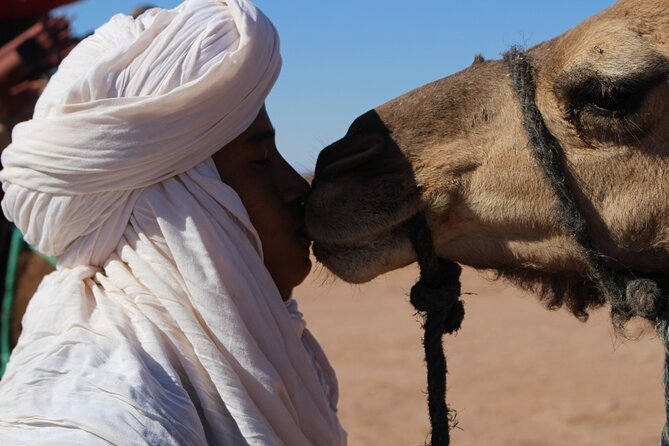
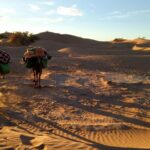
Over about 5 days, you’ll trek through a part of the Draa Valley that’s described as less visited. The big theme is the contrast: you move through ergs (those famous sand systems) and you also spend time in places where plants have adapted to desert conditions. That alternation is more than pretty scenery. It changes what you notice on the ground—what survives, where water is implied, and how the desert supports life at a different scale.
From the experience details, you’re not doing a “see it from a vehicle” version. This trek is built around walking. One past trekker shared that each day was 13–17 km, and that fits how desert treks usually work: you’ll cover distance slowly, but steadily, and you’ll feel it in your legs at the end of each day.
What the “ergs and history” framing really means
The description talks about ergs that have participated in the history of local people. Don’t expect a museum stop. Instead, it’s more like this: you’ll see how dunes and open sand shape routes, how animals move through space, and why nomadic routes make sense in a place where the horizon is everything. The walking becomes the lesson.
What you’ll likely feel on days 1–5
Even without a detailed day-by-day schedule listing, the structure is predictable:
- Each day starts with forward motion (walk, breaks, then camp).
- Each evening becomes a reset: food, conversation, stars overhead.
- Your attention gets sharper as your devices stay quiet or limited.
One trekker summed up the disconnect in a very practical way: no smartphone, no laptop, and no power outlet anywhere. Even if your setup is a bit different, you’ll want to assume it’s an offline trip. Plan your photos, maps, and messages ahead of time.
The “green face” of the desert
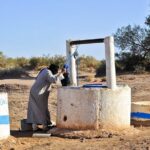
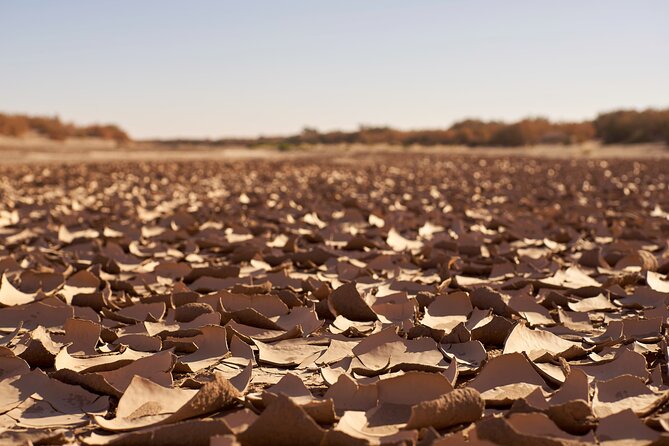
The tour overview promises the green side of the desert—plants acclimatized there. What I like about this approach is that it pushes you to look down and around, not just out at dunes. You’ll likely notice hardy greenery where you didn’t expect it, and it makes the desert feel less empty and more structured.


Nomad guides, camp cooking, and nights under the stars
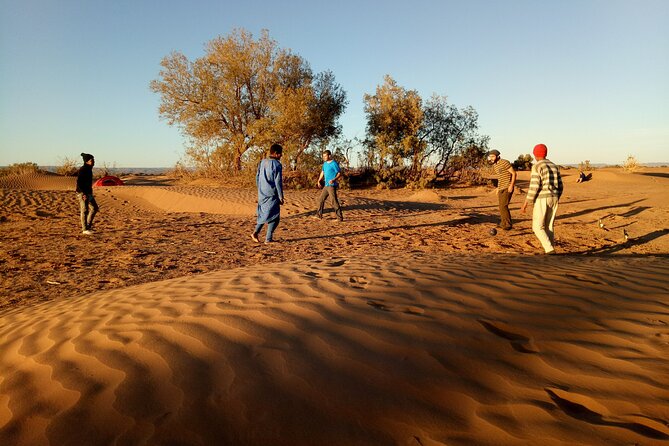
The experience provider is L’oiseau du désert, and the human side is the real highlight. Across the feedback, people keep praising the team’s professionalism and their ability to share desert life naturally.
Several trekkers specifically point to guides such as Bakkar and Mohammed as key parts of the trip. That’s a good sign: in desert travel, the guide’s relationship to the land and routine matters as much as the route itself.
Bread baking and the rhythm of camp
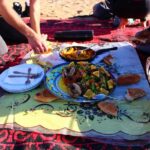
One of the most memorable details shared is about camp food—especially the ritual feel of bread baking. That tells you a lot about the structure of the evenings. This isn’t just “we cooked something and moved on.” It’s tied into routine, skills, and the social glue of sharing a meal after a long walk.
You’ll also hear about fireside evenings and a lot of warm, relaxed interaction. In practice, that means after the hard part (walking), you’ll get an easy, human atmosphere—tea, conversation, and time to let the desert do its quiet work on your mind.
Camel drivers and the supporting crew
The experience details don’t list job roles, but the feedback does mention camel drivers and a cook. That’s important for your expectations. If animals help with some gear movement, your trek feels more like a “walk-with-a-team” than a self-supported hike where you carry everything yourself.
Sleeping arrangements and what you bring (sleeping bag matters)
The tour includes eating and sleeping equipment, but it explicitly does not include a sleeping bag. So you’ll need to pack one, and you’ll want to treat it like a serious desert item, not a casual extra.
Why does that matter? Because desert nights can feel cold fast once the sun drops. If your plan is to show up with just a thin liner, you’ll likely regret it. The experience is built around spending nights out there, and your comfort is tied directly to your insulation.
Also, keep your expectations realistic about “charging and gear.” At least one past trekker described a setup with no power outlets anywhere. Even if you bring a fully charged phone, you’ll want a backup plan for lighting and battery needs—light, offline entertainment, and a power bank that you don’t rely on for endless use.
Fitness level: walking 13–17 km in the desert
The trek asks for moderate physical fitness. That sounds reassuring until you remember this is desert walking. “Moderate” here usually means you can handle a daily dose of walking, some uneven ground, and hours outdoors.
If you’re comfortable with long hikes on rolling terrain, you’ll likely be fine. If you only do short city walks, you should consider building up first. The reason is simple: in the desert, there’s less “luck.” If you’re behind pace, you can’t just hop in a vehicle and reset.
Practical note: pace matters. Go slower than you think on day one. Your body will thank you in the middle of the trek.
Value and price: is $581.62 worth it?
At $581.62 per person for about 5 days, this is not a budget “footnote trip.” But it also doesn’t look like a luxury-only experience. The included items help justify the price:
Included
- Eating and sleeping equipment
- All fees and taxes
Not included
- Sleeping bag
- Private transportation
When I judge value for trips like this, I focus on what you’re paying for: a trained team, equipment for camp living, and the cost of moving people through a rural desert setting legally and safely. The private-group format also matters. If you’re splitting the “team attention” across a small group, the experience tends to feel more tailored.
Where you may lose value is in expectations. If you show up assuming private transportation is handled end-to-end, you might get surprised. Likewise, if you forget the sleeping bag, the “included sleeping equipment” won’t cover the one thing that keeps you warm.
So my take: it’s good value if you’re ready for a real trek and you can handle the gear list. If you want a comfy lodge with constant electricity, you’ll probably feel under-challenged.
Who should book this Draa Valley trek
This trek makes the most sense if you want:
- A true walking-based desert experience, not a quick drive-through
- A cultural introduction to nomadic life with camp routines, cooking, and desert conversation
- A private format where you can keep your own pace and ask questions
It also fits best if you like the “quiet work” of travel. Several experiences described the desert as a before-and-after kind of mental reset, and the best part is that it’s not just poetic. It comes from doing the basics without distraction: walking, eating simply, sleeping outdoors, and watching stars without screens stealing your attention.
Should you book L’oiseau du désert’s 5-day trek?
Yes, you should book it if you’re excited about long desert days and you’re willing to pack the basics (especially your sleeping bag) and live in a low-tech rhythm. The strongest praise centers on team kindness, strong organization, and those daily camp moments—especially fireside time and bread-baking-style food rituals. Names like Bakkar and Mohammed coming up in the experience feedback is another good sign that the human side is handled by people who genuinely know what they’re doing.
I’d pause before booking if any of these sound like deal-breakers for you:
- You need easy charging or indoor comfort
- You don’t want to walk 13–17 km per day
- You were hoping private transportation is included automatically
If you do book, I recommend you double-check one potential confusion in the description: the overview text calls it an introduction that sounds shorter, while the trek duration you’re buying is about 5 days. A quick confirmation with the operator clears that up fast.
FAQ
Where does the trek start and end?
The trek starts in M’Hamid, Morocco and ends back at the same meeting point.
What time does the trek start?
The start time is 8:00 am.
How long is the trek?
It’s listed as 5 days (approx.).
Is this a private tour?
Yes. It’s a private tour/activity, so only your group participates.
What’s included in the price?
The price includes eating and sleeping equipment and all fees and taxes.
Is a sleeping bag included?
No. A sleeping bag is not included, so you’ll need to bring your own.
Is pickup available, and is private transportation included?
Pickup is offered, but private transportation is not included.
Can I get a refund if I cancel?
You can cancel up to 6 days in advance for a full refund. Cancel 2–6 days before for a 50% refund. Cancel less than 2 days before and the amount paid is not refunded.
Is there mobile ticketing?
Yes, the experience lists mobile ticket as a feature.