REVIEW · PHERICHE
From Kathmandu Budget: 15 Day Everest Base Camp Trek
Book on GetYourGuide →Operated by Nlook Nepal · Bookable on GetYourGuide
Everest feels close on this trail. This 15-day trek pairs the classic Everest Base Camp milestone with the high-payoff hike to Kala Patthar, where you can line up huge views of Everest and the neighboring peaks. I love how the route mixes altitude drama with human-scale moments: rhododendron forest walks, prayer-flag flutter, suspension bridges, and Sherpa villages where the culture feels lived-in, not staged.
I also like the practical setup of a guided private trek with guesthouses along the way, so you can focus on walking and adjusting rather than logistics. One consideration: this is serious altitude trekking, and it isn’t a casual hike. You should expect long days and cold nights, and it is not suitable for pregnant women or wheelchair users.
From Kathmandu, you get picked up and move by shared jeep or bus toward the Khumbu region, then you start building elevation day by day. The trek is designed with an acclimatization day, so you’ll be working with the mountain rather than fighting it.
In This Review
- Key things I’d zero in on
- Why Everest Base Camp plus Kala Patthar is such a big deal
- Getting from Kathmandu into the Khumbu: jeep legs and your first walking rhythm
- The Sherpa-world days: suspension bridges, monasteries, and Namche Bazaar
- Acclimatization in Dingboche: where the trek becomes smarter than the hype
- Everest Base Camp at 5,364m: what to expect when the expedition world turns real
- Kala Patthar at 5,545m: the payoff for steady legs
- The return path: Panboche, Namche, Lukla, then back to Kathmandu
- Guides, pace, and the private trek advantage
- Price and value: what $796 covers, and what you’ll still pay
- What to pack for cold, altitude, and long days
- Weather and timing: spring and autumn usually make life easier
- Should you book this Everest Base Camp plus Kala Patthar trek?
- FAQ
- How long is the Everest Base Camp with Kala Patthar trek?
- What languages will the guide speak?
- Is this a private trek?
- What’s included in the price?
- What’s not included?
- What time of year is best to go?
- What do I need to bring?
- Are there any restrictions on who can join?
Key things I’d zero in on
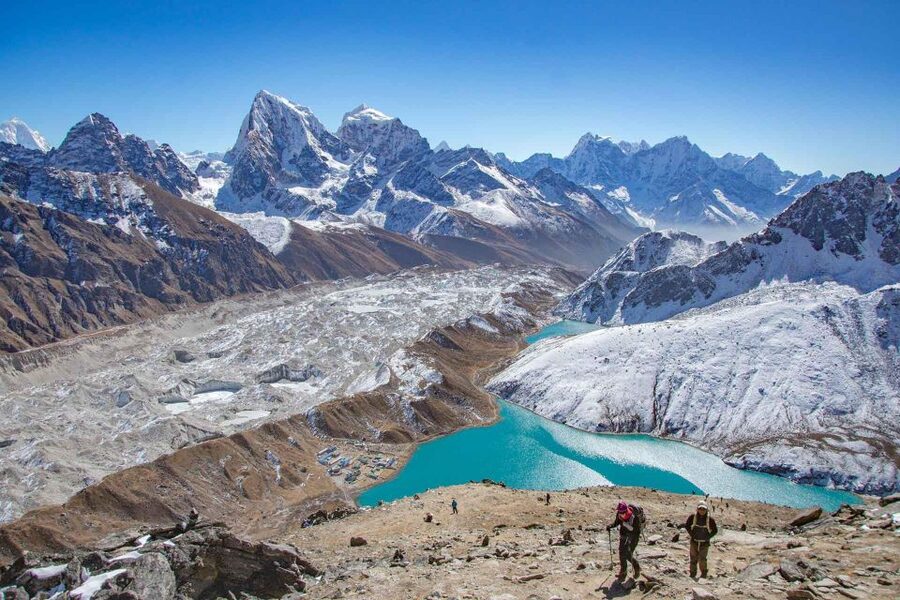
- Kala Patthar views from 5,545m for sunrise or sunset style sightlines of Everest, Lhotse, and Nuptse
- Everest Base Camp at 5,364m, the expedition hub zone in the high Khumbu
- Sherpa culture along the way, including monasteries, prayer flags, and village stops
- Suspension bridges and rugged trails, the kind of footing that keeps you awake and present
- Private, English-speaking guide support, with real flexibility for health and pace
- Guesthouse stays so you’re not trekking unsupported, but still living like a mountaineering traveler
Why Everest Base Camp plus Kala Patthar is such a big deal
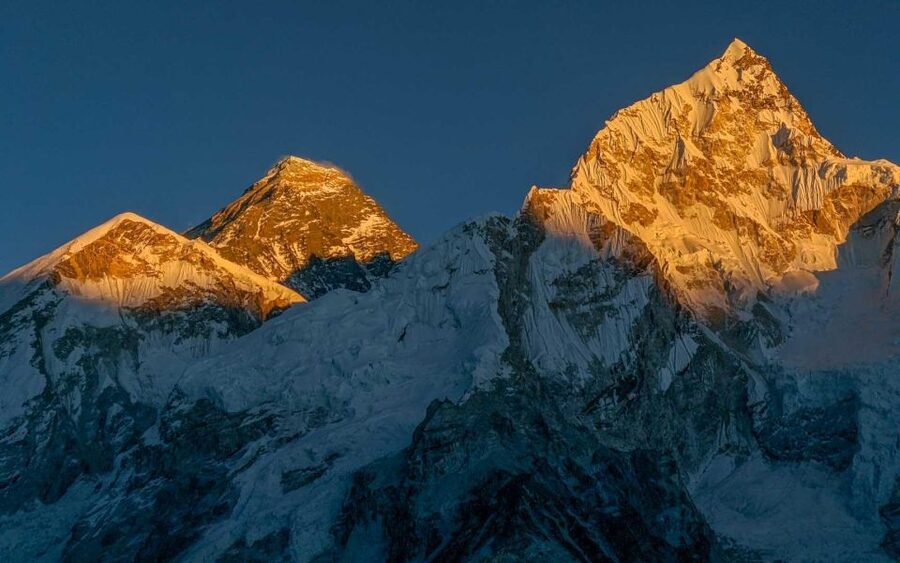
Everest Base Camp is famous for a reason. Even when you’ve seen it in photos for years, arriving at 5,364m is different. The air feels thinner, the mountains feel closer, and you’re standing in the shadow of the world’s tallest peak. It’s the sort of place that makes you stop and think, this is where major expeditions used to gather and where the mountain begins to feel real in scale.
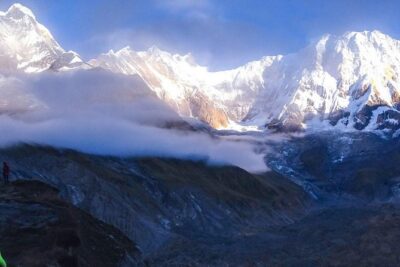
Then comes Kala Patthar, at 5,545m. This isn’t just another viewpoint. It’s the moment when the trek turns from walking-with-a-plan into mountain-watching. From the rocky outcrop, you’re set up for wide views of Everest along with Lhotse and Nuptse, plus other neighboring giants. Timing matters here: sunrise or sunset is when that look can really click.
What I like about this combo is the balance. You get the expedition-world vibe at Base Camp, and you also get a higher vantage point that rewards effort. It’s one reason this trek keeps pulling people back to the Khumbu.
You can also read our reviews of more tours and experiences in Pheriche.
Getting from Kathmandu into the Khumbu: jeep legs and your first walking rhythm
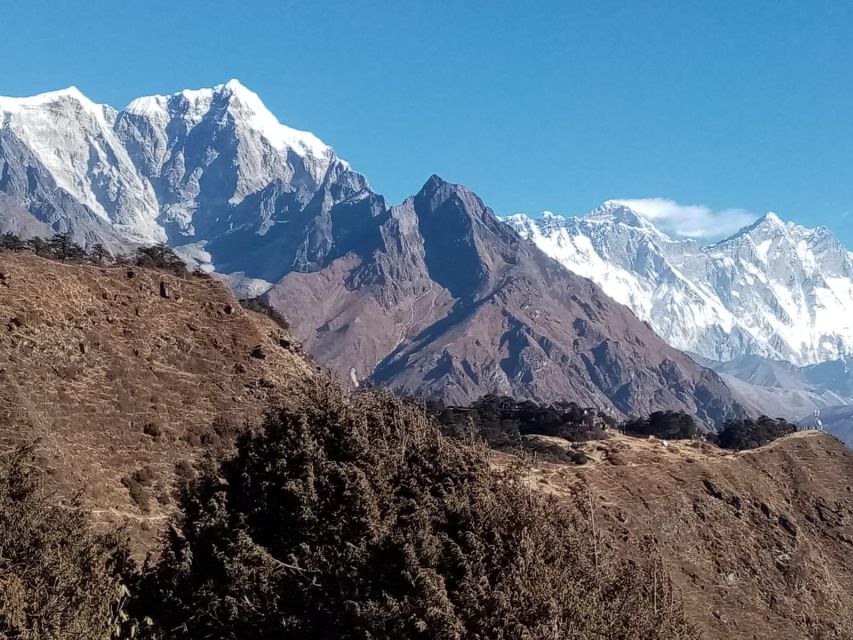
This trip starts with a hotel pickup in Kathmandu and then moves you out toward the trek area by shared jeep or bus. The first day has a long drive to Salleri, and the second day shifts again by jeep toward Tham Danda before the trekking begins.
That transport matters more than people think. A big part of altitude trekking is how your body gets introduced to the day-to-day rhythm. Jumping straight into steep climbing from zero is a good way to feel wrecked. This route gives you a transition: ride, start walking, then start building elevation through the classic Khumbu sequence.
Your early trek days also ease you into the kind of scenery you’ll see repeatedly: river valleys, forest sections, and suspension bridges. Expect steady effort rather than constant steep ascents. Even so, the days add up, because you’re trekking in a place where every meter counts.
Small practical note: since meals and drinks are not included, plan on buying snacks and meals at guesthouses along the way. That keeps you flexible, but you’ll want cash or a payment plan you can actually use in small mountain places.
The Sherpa-world days: suspension bridges, monasteries, and Namche Bazaar
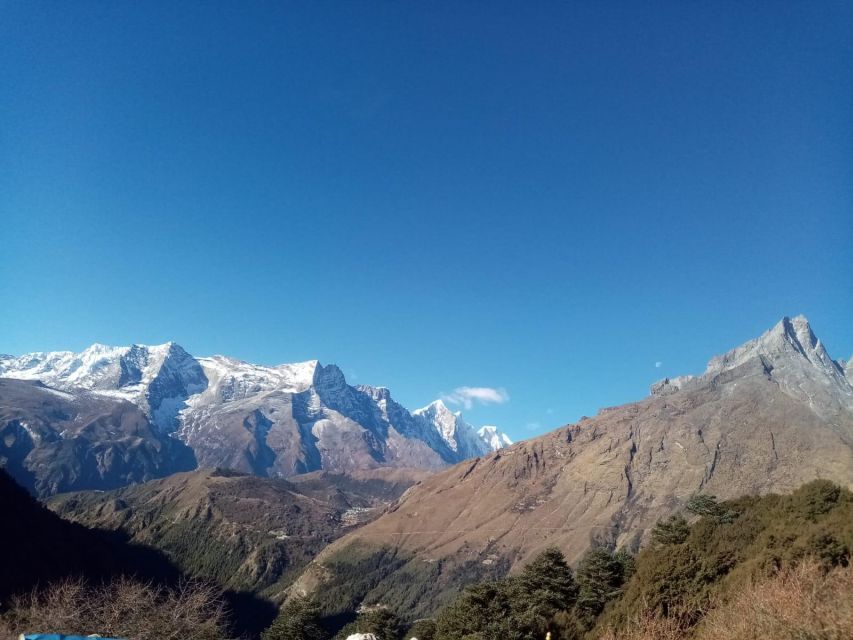
As you climb toward Namche Bazaar, you’re walking into the heart of Sherpa settlements. Namche sits at 3,440m and acts like the hub of the Khumbu region. It’s where you feel the rhythm of daily mountain life: tea houses, guesthouses, and people moving with purpose because weather waits for no one.
Along the trail, you’ll notice Buddhist cultural details: prayer flags along the routes and monasteries you can visit or at least pass close by. That’s not just decoration. It helps explain why the mountains are more than scenery to locals. It also makes the trek feel less like a movie set and more like a working village network at high altitude.
Tengboche Monastery is another key stop along the way, and it’s at 3,860m on this route. This is the kind of day where you arrive with that feeling of relief that you’ve hit a meaningful landmark and can pause properly. If you’re photographing, go easy with your energy. A quick look at the view is great; hiking while you’re shivering is not.
And the suspension bridges—don’t rush them. They’re there for a reason: to cross deep gorges safely while you’re on rugged terrain. The bridges also give you a mental break from climbing because you’re focused on balance and footing. Take your time, plant your steps, and enjoy the fact you’re moving through a landscape that forces attention.
Acclimatization in Dingboche: where the trek becomes smarter than the hype
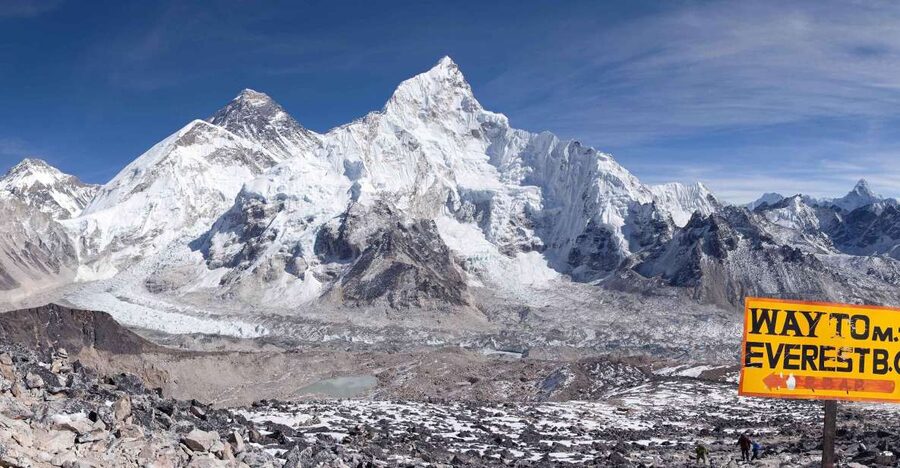
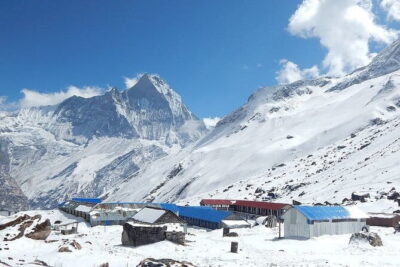
One of the smartest parts of this trek is the built-in acclimatization day in Dingboche. Dingboche sits around 4,350m, and altitude there isn’t a guess. You’ll feel it in breath, sleep, and how your legs move even when the hike looks manageable on paper.
Acclimatization days are not wasted time. They are your insurance policy for the later segments, especially the push up toward the highest trekking zones and the final climb to Kala Patthar. On these days, you’ll typically rest, walk lightly, hydrate, and adjust how you eat. That’s the boring part that makes the exciting part possible.
Even if you feel okay, this is where I tell you to be disciplined. Your goal isn’t to prove toughness. Your goal is to keep your body functioning like a team player, not a broken machine.
From Dingboche, the route continues toward Lobuche at about 4,910m. This stretch brings you into a more stark, high-altitude feel, and you’ll likely notice the terrain getting tougher. That’s normal. If you keep an easy pace and don’t chase other people’s footsteps, you’ll move more efficiently and feel better when it counts.
Everest Base Camp at 5,364m: what to expect when the expedition world turns real
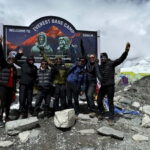
Reaching Everest Base Camp is a long day effort, and it typically comes after you’ve already spent time above 5,000m territory. Base Camp is at 5,364m, and the moment you get there you’ll feel the difference immediately: cold air, lower oxygen, and a visual impact that’s hard to describe if you only know Everest from screens.
Base Camp is where the mountain’s scale becomes brutally honest. You’re surrounded by towering peaks and you can see why this is where expeditions start their planning and logistics. The trek experience here is about awe plus atmosphere. It’s not just one view; it’s the feeling of being placed at the foot of giants.
The next step is Gorak Shep at around 5,180m, where you’ll spend the night after Base Camp. This matters because nights in this altitude zone can be cold fast. It’s also where sleep quality can affect your next morning. If you’re the kind of person who tends to underestimate cold, treat this as a warning label for your future self.
My practical advice: keep your warm layers accessible, hydrate earlier than you think you need, and eat even if you’re not starving. At altitude, appetite can come and go. Don’t wait until you feel empty before you refuel.
Kala Patthar at 5,545m: the payoff for steady legs
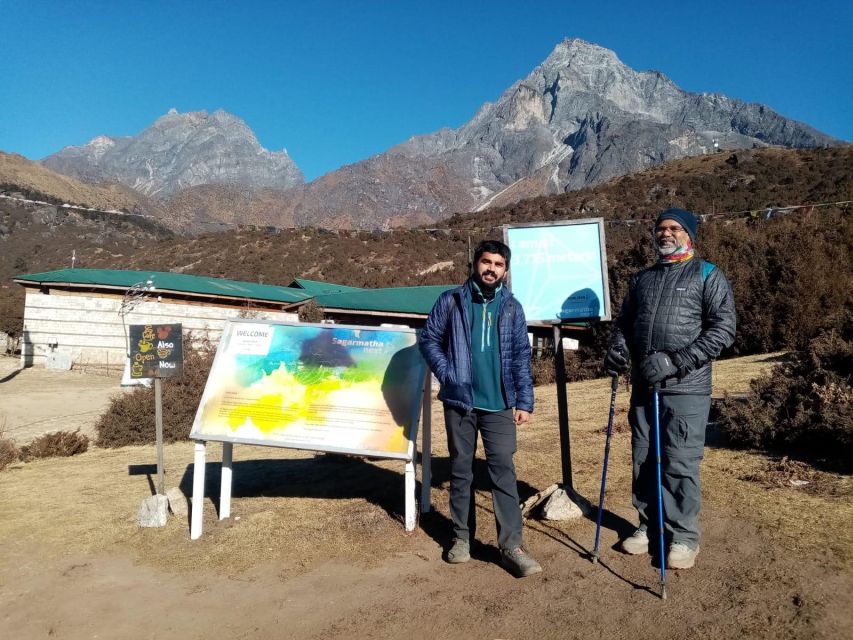
Kala Patthar is the emotional high point for many people, and the numbers explain why. At 5,545m, it’s high enough to give you that wide, dramatic horizon line where peaks stack up and the day feels huge.
You’ll hike up from Gorak Shep for this climb, and it’s long enough that pacing is everything. If you sprint early, you pay later. If you move steady, you’ll usually reach the viewpoint with less panic and more ability to enjoy it.
Timing affects your experience. The trek info strongly points to sunrise or sunset views for the best chance of clear, rewarding sightlines. If you’re going out of season or dealing with clouds, you might not get perfect visibility. So I suggest you go prepared to accept a cloudy day while still doing the hike. Even without a perfectly clear horizon, the act of reaching that rocky viewpoint at high altitude is a win.
And yes, you’ll come back down. The descent is real trekking work too, because your legs can feel heavy on the way back. Plan on taking it slow, especially with cold fingers and stiff knees.
The return path: Panboche, Namche, Lukla, then back to Kathmandu
After Kala Patthar and your return to Pheriche (around 4,120m), the route continues with more downhill walking and village passes. Panboche is part of the sequence on the way back, and it sits around 3,985m on this route. This is often a welcome shift: the altitude is easing, and you can focus more on comfort and less on survival mode.
You’ll then head toward Namche Bazaar again, and it’s a familiar place by then. At this stage, Namche often feels less like a landmark and more like a checkpoint. It’s a place to refuel, reset, and make sure you’re staying warm and moving well for the final stretch.
Then you reach Lukla on the way down. From there, the plan is to ride back toward Salleri by shared jeep, and then take another shared ride back to Kathmandu. That closing transport matters because after days of trekking, a long drive can either feel refreshing or draining. It depends on how well you recover physically in the last couple of days.
This matters for planning: treat your post-trek Kathmandu time as recovery time, not as another adventure schedule. If you try to stack days too tightly, the altitude hangover can catch up.
Guides, pace, and the private trek advantage
This is a private group trek with an English-speaking guide (also Nepali and Hindi support). In a trek like this, the guide isn’t just a person who knows the route. They manage daily decisions that affect how you feel: when you pause, how you pace, and how you adjust if someone is struggling.
That’s also where the best parts show up in real feedback. One guide name you’ll hear is Krisna, described as serious and adaptable, listening to the group and adjusting to needs. Another guide, Milan, was praised for checking in constantly and putting personal well-being first, with flexibility built into the day’s plan. If you’re worried about feeling rushed, this type of guide approach is a big deal.
Since private trek means you’re not managing a crowd, you can move at a pace that matches your body. Just remember: flexibility works best when you’re honest about how you feel. Don’t hide symptoms because you want to look tough. altitude has no manners.
Price and value: what $796 covers, and what you’ll still pay
At $796 per person for 15 days, the value depends on what you’d otherwise pay yourself. Here’s the core of what’s included:
- Hotel pickup and drop-off in Kathmandu
- Round-trip transfer by shared bus or jeep
- English-speaking trekking guide
- Guide food, accommodation, personal expenses, and insurance
- Trekking permits and official documents
- Guesthouse accommodation during the trek
- Private trek (so guide and pacing are not shared with strangers)
- Emergency first aid kit (with guide)
- Trekking pole
What’s not included:
- Food and drinks during the trek (available for purchase)
- Travel insurance
- Emergency rescue, which is covered by your travel insurance
To me, this pricing structure works well if you’re okay buying your meals along the trail and you already plan on bringing travel insurance. The included permits and guide logistics are the big cost/time savers, and guesthouse accommodation is a major practical win. The trekking pole inclusion is also helpful if you don’t want to pack one.
If you’re trying to budget tightly, the main variable is food and drinks you purchase. Set a daily estimate for yourself so you don’t end up doing math with cold hands in a mountain shop.
What to pack for cold, altitude, and long days
You’ll want warm clothing and proper hiking shoes. This trek is about high altitude, so it’s less about one hot day and more about cold nights and chilly mornings. Hiking pants help because routes can be messy and you’ll want comfortable mobility.
A few practical items you’re explicitly asked to bring:
- Passport (copy accepted)
- Passport-sized photo
- Warm clothing
- Hiking shoes
- Hiking pants
- Travel insurance
Trekking poles are included, so you don’t need to buy them just for this trip, but you should still learn how to use them comfortably. Also, pets are not allowed, so if you’re planning this as a family adventure with animals, you’ll need a different plan.
One more note: this trip isn’t listed as suitable for wheelchair users, and it’s not suitable for pregnant women. Altitude trekking is a medical reality here, not a preference question.
Weather and timing: spring and autumn usually make life easier
The best time to go is typically spring (March to May) and autumn (September to November). These seasons tend to bring more stable weather and clearer mountain views.
Still, mountains can change fast. Even in good seasons, cloud cover can roll in, temperatures can drop, and wind can show up where you didn’t plan for it. Your best move is to pack for layers and not assume sunrise will be perfect.
If you’re chasing views for Kala Patthar, aim for clear-window seasons when possible. If you can’t, go anyway, but keep your expectations flexible: the mountain still rewards the hike even when the sky isn’t cooperating.
Should you book this Everest Base Camp plus Kala Patthar trek?
Yes, you should book if you want the full Everest storyline: Base Camp at 5,364m, then the higher viewpoint push to Kala Patthar at 5,545m. You’ll like this trip if you value a guided private experience with guesthouse stays, included permits, and a guide who can adapt your pace. If you’ve got realistic altitude expectations and you pack for cold, this is a strong value way to tackle one of the world’s signature treks.
Skip it (or look for a different option) if you’re not ready for altitude trekking demands. This is not a light walk, and it isn’t suitable for pregnant travelers or wheelchair users. Also, if you don’t plan to buy your own travel insurance, don’t treat the included first aid kit as a substitute.
If you’re the type who wants both meaning and practical structure, this trek is a good match.
FAQ
How long is the Everest Base Camp with Kala Patthar trek?
The duration is 15 days.
What languages will the guide speak?
The guide is listed as English, Nepali, and Hindi.
Is this a private trek?
Yes, it’s a private group trek.
What’s included in the price?
Included items are hotel pickup and drop-off, round trip transfer by shared bus or jeep, a friendly English-speaking trekking guide, guide food and accommodation, trekking permits and official documents, guesthouse accommodation during the trek, a private trek setup, an emergency first aid kit (with guide), and a trekking pole.
What’s not included?
Food and drinks are not included (you can purchase them). Travel insurance is not included, and emergency rescue is not included and is covered by your travel insurance.
What time of year is best to go?
The best time is spring (March to May) and autumn (September to November), when weather is usually more stable and views are clearer.
What do I need to bring?
Bring warm clothing, hiking shoes, hiking pants, travel insurance, passport (a copy is accepted), and a passport-sized photo.
Are there any restrictions on who can join?
It’s not suitable for pregnant women or wheelchair users, and pets are not allowed.