REVIEW · POKHARA
10 Days Annapurna Base Camp Trek From Pokhara
Book on Viator →Operated by Couch Adventure Nepal (CAN) · Bookable on Viator
Ten days to earn serious mountain views. This Annapurna Base Camp trek is built around Poon Hill sunrise and guesthouse comfort with the practical stuff handled for you. The one catch: meals and drinks aren’t included, so you’ll want to budget for food each day.
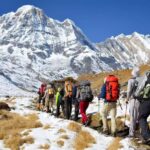
I like that the route mixes classic trail highlights with village life, including Gurung areas, suspension-bridge moments, and plenty of forest walking. One more thing to consider: the plan includes altitude-based flexibility on the big day, so you should be ready for weather and body to set the pace.
In This Review
- Quick Hits: What Makes This ABC Trek Work
- Value Check: What Your $493.58 Covers (and What It Doesn’t)
- The Pokhara Start: How the Drive Sets the Trek’s Pace
- Day 1 to Day 3: Ulleri to Poon Hill and the Rhythm of Altitude
- Day 1: Nayapul to Ulleri (about 5 hours on foot)
- Day 2: Rhododendron paths to Ghorepani (about 6 hours)
- Day 3: Poon Hill sunrise, then to Tadapani (about 7 hours total)
- Day 4 to Day 6: Chhomrong, Bamboo, and the Annapurna Approach
- Day 4: Chhomrong (about 6 hours)
- Day 5: Bamboo (Dovan) (about 6 hours)
- Day 6: To Deurali (about 5 hours)
- Day 7: Reaching Annapurna Base Camp and the Altitude Decision
- The goal day (about 5 hours) with a built-in Plan B
- Day 8 to Day 10: Bamboo, Jhinu Hot Springs, and Back to Pokhara
- Day 8: Down to Bamboo (about 6 hours)
- Day 9: Jhinu Danda and natural hot springs (about 5 hours)
- Day 10: Back to Nayapul and drive to Pokhara (about 7 hours total)
- The Guide and Guesthouse Side: Where Comfort Shows Up
- What to Expect on the Trail (Without Sugarcoating It)
- Who This Trek Best Fits
- Should You Book This 10 Days Annapurna Base Camp Trek from Pokhara?
- FAQ
- What’s included in the trek price?
- Are meals and drinks included?
- Do you handle trekking permits and TIMS?
- Is this a private tour?
- What happens if you can’t sleep at Annapurna Base Camp?
- Will there be hot springs during the trek?
- What’s the cancellation window for a full refund?
Quick Hits: What Makes This ABC Trek Work
- Poon Hill early-morning timing for sunrise views before the main slog
- Gurung village culture while you pass through rural mountain settlements
- Suspension bridges and forest trails that keep the walk from feeling repetitive
- Guesthouse nights (tourist standard) so you’re not sleeping rough on the main days
- Jhinu Danda hot spring bath to help your legs recover on the descent
- Permits and TIMS included with a guide, so paperwork is not your job
Value Check: What Your $493.58 Covers (and What It Doesn’t)
At about $493.58 per person for roughly 10 days, this trek is priced like a mid-range guided experience. The value is strongest when you count what’s handled for you: hotel pickup and drop-off, trekking permits (TIMS), a friendly English-speaking local trekking guide, and tourist-standard guesthouse accommodation.
You’ll also appreciate the small, practical inclusions that matter on the trail. The package includes an emergency first aid kit carried by the guide and trekking poles. If you’ve ever tried to hike ABC without poles on a steep, rocky day, you’ll understand why this is a big deal.
What’s not included is equally important. All meals and drinks are available to purchase, meaning you’ll pay out of pocket for breakfast, lunch, and dinner during the trek. If you prefer set-price meal planning, build that cost into your budget before you go.
You can also read our reviews of more tours and experiences in Pokhara.
The Pokhara Start: How the Drive Sets the Trek’s Pace
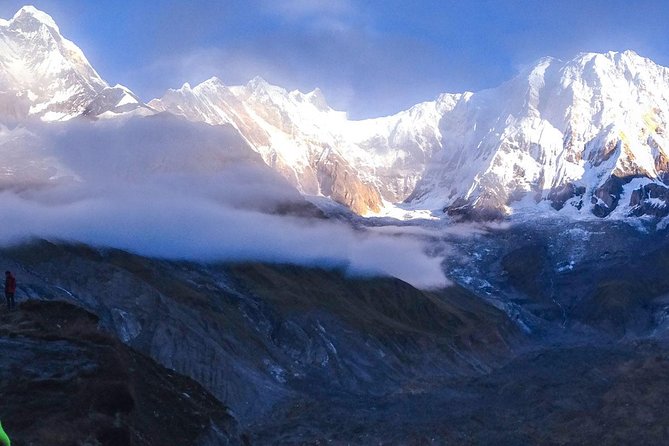
Your adventure begins in Pokhara, with hotel pickup included. The first driving day is about 1.5 hours to Nayapul, then you switch from vehicle time to trail time.
That transition is not just convenience. A drive that short helps you avoid the classic mistake of arriving overly tired and trying to start a steep hike with no rhythm. Here, you get a clean, focused start and your guide can help set expectations early.
It also helps that the trip is described as private: only your group participates. That tends to make pacing smoother, especially on narrow sections of trail where group logistics can otherwise get annoying.
Day 1 to Day 3: Ulleri to Poon Hill and the Rhythm of Altitude
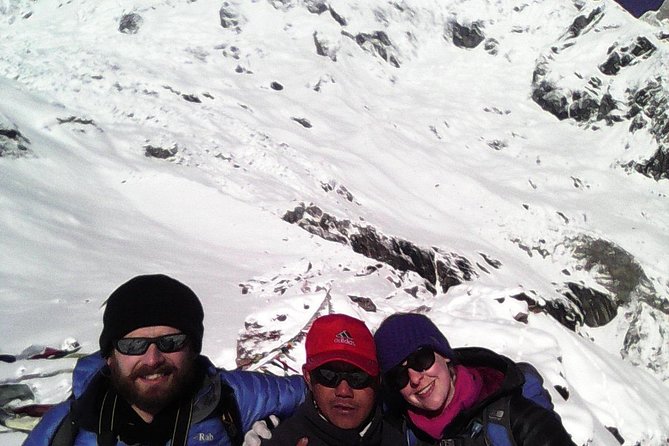
Day 1: Nayapul to Ulleri (about 5 hours on foot)
On Day 1, you drive about 1.5 hours to Nayapul, then trek to Ulleri for around 5 hours. Ulleri is the kind of first-day village stop that works well because it gives you views and movement without burying you in a long day.
If you’re trying to avoid the slow-motion fatigue that hits later, Day 1 is a smart launch. You’ll spend the afternoon building your walking rhythm and learning how you personally handle a steady uphill.
Day 2: Rhododendron paths to Ghorepani (about 6 hours)
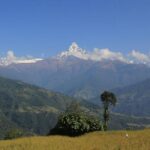
Day 2 moves toward Ghorepani through rhododendron forests, with Mt. Annapurna views in the mix. This is a classic area for a reason: trees, temperature changes, and changing light. The forest feel also helps you psychologically, because not every kilometer is pure rock and sharp incline.
Expect the walk to ask for steady legs rather than one heroic push. You’ll likely find yourself pacing for hours, which is exactly the training you want before higher sections.
Day 3: Poon Hill sunrise, then to Tadapani (about 7 hours total)
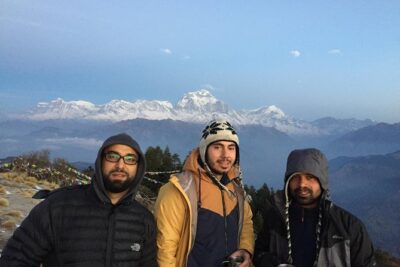
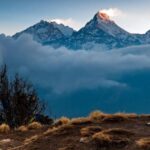
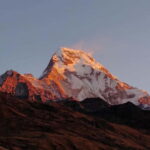
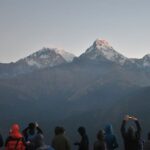
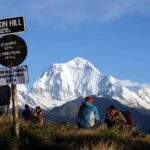
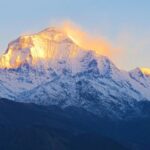
Day 3 is where the trek’s energy spikes. The morning hike to Poon Hill is timed for sunrise over Mt. Annapurna, then you continue to Tadapani for a total of about 7 hours.
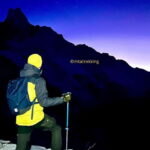
This is one of those “worth the early wake-up” moments. Even if sunrise isn’t your thing, Poon Hill is valuable because it forces you into an organized start and reminds you why you’re doing all this climbing. After that, the continued trekking makes the day feel like more than just a viewpoint trip.
Practical tip: bring a warm layer for the pre-dawn hours. You don’t need fancy gear; you just need to avoid the kind of cold that makes you rush and slip.
Day 4 to Day 6: Chhomrong, Bamboo, and the Annapurna Approach
Day 4: Chhomrong (about 6 hours)
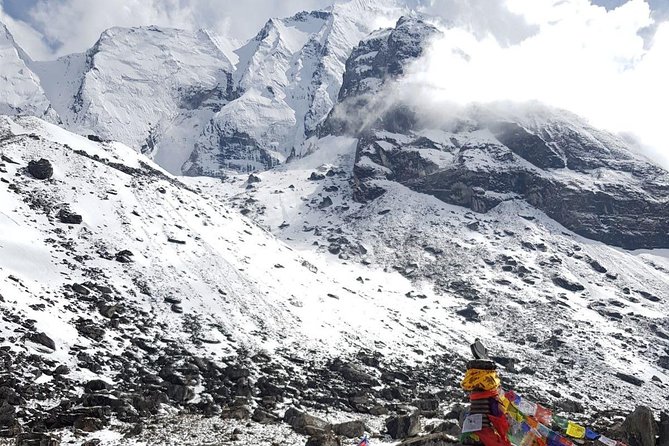
You trek to Chhomrong on Day 4. This stop matters because it’s a hinge point in many ABC routes. You’re moving beyond the easier “get your bearings” stage and into the more serious mountain section.
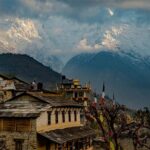
Chhomrong also tends to give you that sense of place: mountain village life, not just trail scenery. The region’s mix of culture shows up here, including the Gurung influence that this trek specifically highlights.
Day 5: Bamboo (Dovan) (about 6 hours)
Day 5 is another steady walking day, from Chhomrong onward to Bamboo (often referenced as Dovan) for about 6 hours. This is a good day for consistent effort. Not every day needs a big emotional moment. Some days are about getting your body used to daily climbs and descents.
The trek’s overview notes natural forests and many suspension bridges across the Annapurna area. Even when you’re tired, those bridge moments keep the walking interesting and give you more frequent changes in scenery.
Day 6: To Deurali (about 5 hours)
On Day 6, you trek to Deurali for overnight, about 5 hours. Compared to some other days, this is slightly shorter, which gives you a bit of recovery time before the final push.
This is also where altitude starts to feel more personal. Even if you’re not at maximum elevation yet, the air can make you slow down. The best way to handle it is boring and effective: shorter steps, steady breathing, and no sprinting just because you feel good in the first hour.
Day 7: Reaching Annapurna Base Camp and the Altitude Decision
The goal day (about 5 hours) with a built-in Plan B
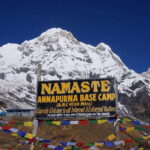
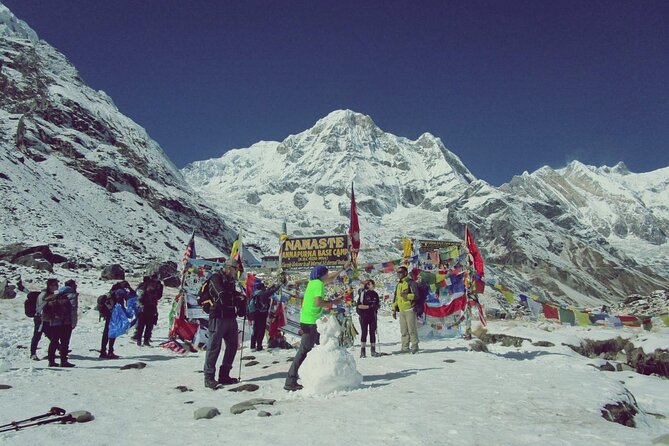
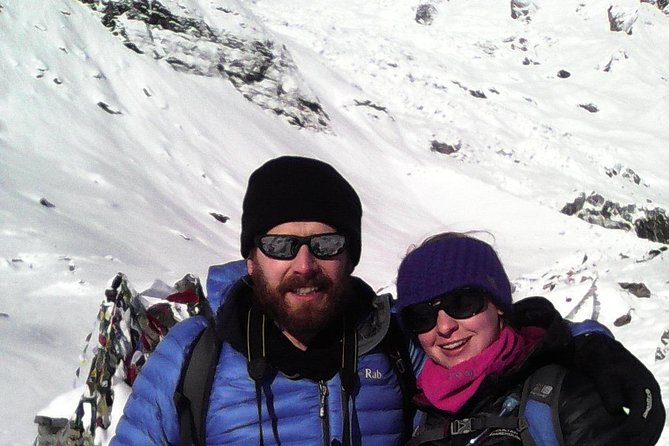
Day 7 is the day you finally reach Annapurna Base Camp after about 5 hours of trekking. The key detail is that your plan includes altitude and weather judgment.
The itinerary states that you’ll spend the night at Annapurna Base Camp if conditions are good and your health allows. If not, you’ll descend to Machchhapuchchhre Base Camp at 3700 meters for overnight.
That flexibility is genuinely smart. Altitude hikes aren’t only about legs; they’re about safety and how your body is adapting. Having a Plan B means you’re not forcing the schedule when conditions are wrong.
What you should do as a walker: take the early part of Day 7 slowly. Keep your breathing calm. If you feel off, you’ll want your guide’s judgment to have room to work.
Day 8 to Day 10: Bamboo, Jhinu Hot Springs, and Back to Pokhara
Day 8: Down to Bamboo (about 6 hours)
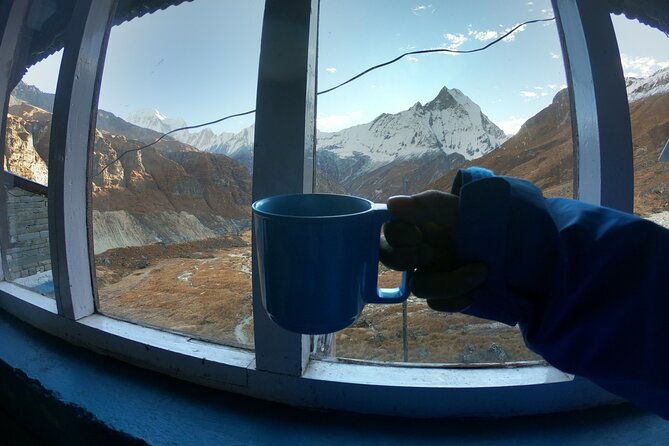
Day 8 is a return to Bamboo, with about 6 hours of trekking downhill. Going down is often easier on the lungs and harder on the knees. This is where poles (included in your package) can save you from the next-day grind.
You’ll likely also notice the emotional shift. After the big Day 7, the descent feels like relief. That relief can make people speed up. I’d rather you save energy and keep your steps controlled.
Day 9: Jhinu Danda and natural hot springs (about 5 hours)
Day 9 takes you to Jhinu Danda, where you’ll stop for a natural hot spring bath. This is one of those payoff moments that makes the last days feel worth it.
It’s also practical. Your muscles will be tired, and a warm soak can help you feel human again. Just be smart about it: keep hydrated, and don’t treat it like a swimming pool marathon.
Day 10: Back to Nayapul and drive to Pokhara (about 7 hours total)
On the last day, you trek to Nayapul, then drive back to Pokhara for about 1.5 hours, with drop-off to your hotel. The total day is listed at about 7 hours.
That means you’re not just rolling out of bed and calling it done. You’ll finish with a real walking day, then cash in the comfort of being back in town.
The Guide and Guesthouse Side: Where Comfort Shows Up
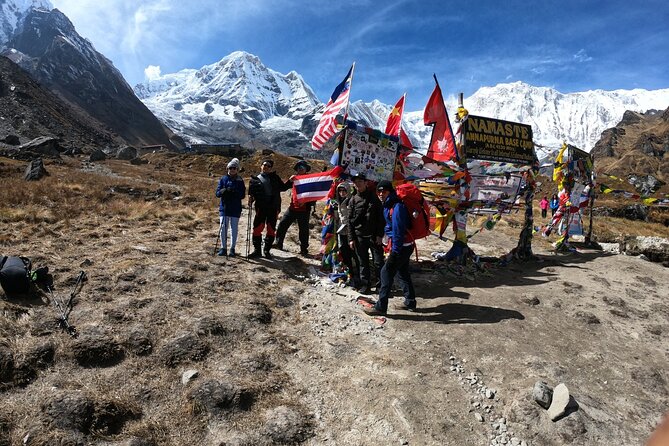
The trek includes a local trekking guide who speaks English and carries an emergency first aid kit. That matters because on mountain routes, small decisions change everything: when to rest, when to slow down, and how to handle changes in weather.
In the feedback you provided, guides like Krishna Adhikari and Biru are highlighted for kindness and good planning. Other names that come up include Milán and Sunil as well. I’m not saying every guide will be identical, but the pattern here is clear: people feel supported, not just managed.
Accommodation is guesthouse (tourist standard). That usually means you can expect basic comfort rather than a rough survival setup. And from the info shared, the quality of overnight stays and hotel staff friendliness seems to have landed well with past groups.
One more practical note: this is an organized private trip. That typically helps the guide keep your timing tight, especially for early starts like Poon Hill.
What to Expect on the Trail (Without Sugarcoating It)
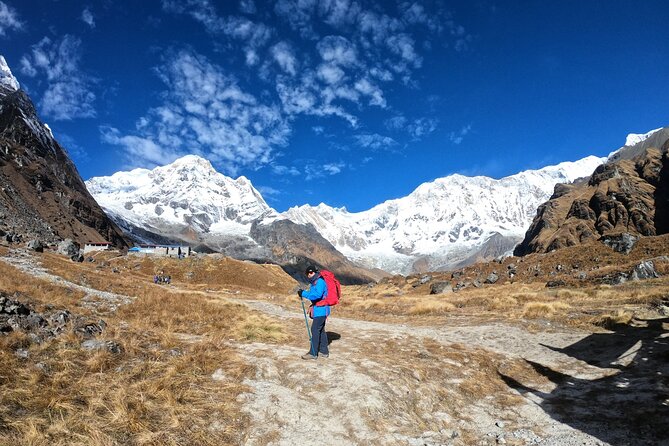
This route is built with classic ABC pacing: a mix of 5 to 7 hour trekking days, plus one big altitude day and a structured descent. That makes it doable for people with moderate physical fitness (as stated in the additional info).
You should still expect:
- Long days of walking even when the scenery is good
- Cold mornings around the sunrise hike
- Knee effort on the downhills after Base Camp
The route also features rural village walking and Gurung culture as part of the experience. The walking isn’t only about checkpoints. It’s about seeing how mountain communities live, trade, and build around the trail economy.
Who This Trek Best Fits
This is a strong match if you want:
- A complete Annapurna-area experience in a set timeframe
- A guided plan that handles permits, TIMS, and logistics
- Room to adjust the ABC overnight plan based on weather and your health
- A finish with Jhinu hot springs instead of a plain, tired walk into Pokhara
It’s also a good fit for people who prefer private group pacing over a big mixed group where you constantly wait for someone.
If you want to do ABC with zero planning and full meal self-sufficiency, note that meals and drinks are not included, so you’ll manage that day by day.
Should You Book This 10 Days Annapurna Base Camp Trek from Pokhara?
If your priority is a well-structured ABC trek with key inclusions done for you, this one earns a serious look. The strongest pull is practical: permits handled, guide + first aid kit, guesthouse stays, trekking poles, and a route that blends sunrise at Poon Hill, village culture, and a natural hot spring payoff.
I’d tell you to book if:
- you’re happy to pay for meals on the trail
- you can commit to moderate fitness and steady hiking
- you like having a guide to manage altitude decisions (like the Day 7 Plan B)
I’d hesitate if:
- you want fully meal-inclusive pricing
- you hate early starts so much you’d rather stay in bed forever
Overall, at this price level, you’re not buying flash. You’re buying organization that reduces stress, plus the kind of route that makes Annapurna Base Camp feel like a journey through real mountain communities.
FAQ
What’s included in the trek price?
The trek includes hotel pickup and drop-off, trekking permits and TIMS, a friendly English-speaking local trekking guide, guesthouse accommodation (tourist standard), round trip private transfer, a private trip, an emergency first aid kit with the guide, and trekking poles.
Are meals and drinks included?
No. All meals and drinks are not included. You can purchase them during the trek.
Do you handle trekking permits and TIMS?
Yes. Trekking permit and TIMS are included.
Is this a private tour?
Yes. It’s described as a private trip, and only your group will participate.
What happens if you can’t sleep at Annapurna Base Camp?
On Day 7, if there is not good weather or if your health/altitude condition isn’t suitable, the plan includes descending to Machchhapuchchhre Base Camp (3700 meters) for the overnight stay.
Will there be hot springs during the trek?
Yes. On Day 9 at Jhinu Danda, you’ll take a natural hot spring bath.
What’s the cancellation window for a full refund?
You can cancel up to 3 days in advance of the experience for a full refund. If you cancel less than 3 full days before the start time, the amount paid is not refunded.