A waterfall day without crowds sounds nice, and Veal Pouch (Butterfly) Waterfall in Kampot is exactly that kind of escape—forest quiet, swim breaks, and a proper jungle walk. You get a small-group setup with an English-speaking guide and simple treats along the way.
What I like most is the mix of effort and payoff: an almost-1-hour jungle trek before you reach the waterfall area, then an upstream hike that helps you find different pools. The other big win is how peaceful it can feel—because the route is a bit rough, you often won’t be elbow-to-elbow with anyone. One thing to consider: the path is described as small and bumpy, and the swim spots are part of the plan, so it’s not the best choice if you hate uneven ground.
In This Review
- Key highlights to know before you go
- Veal Pouch Waterfall: the calm you’re actually paying for
- The trek to the waterfall: how the two walking stretches feel
- Upstream hiking and the different pools you’ll search for
- Swim breaks that aren’t rushed
- Timing and transport: why the day feels like it has rhythm
- Price and value: what $35 really buys you
- What to bring (and what will make the hike harder)
- Who this tour fits best (and who should skip it)
- The guide experience: pacing, swim time, and a calm vibe
- A practical walkthrough of the day, step by step
- Should you book Veal Pouch Waterfall in Kampot?
- FAQ
- How long is the Veal Pouch Waterfall tour?
- What does the $35 price include?
- Where is pickup for the tour?
- How much walking is involved?
- Is swimming part of the experience?
- What should I bring for this tour?
- Is the tour guide available in English?
- What’s the group size?
- Who is the tour not suitable for?
Key highlights to know before you go
- Butterfly Waterfall in Kampot Province: a quiet, forest-hidden waterfall area near Tvi Khang Cheung village
- Trek time that matches a good day out: two walking stretches totaling about 80 minutes
- Upstream pool-hopping: hike along the stream to reach different natural swimming pools
- Swim breaks built into the plan: plan on getting in the water, with extra time to enjoy it
- Small group size (max 8): easier pacing, plus a better chance of feeling like you have the place to yourself
Veal Pouch Waterfall: the calm you’re actually paying for
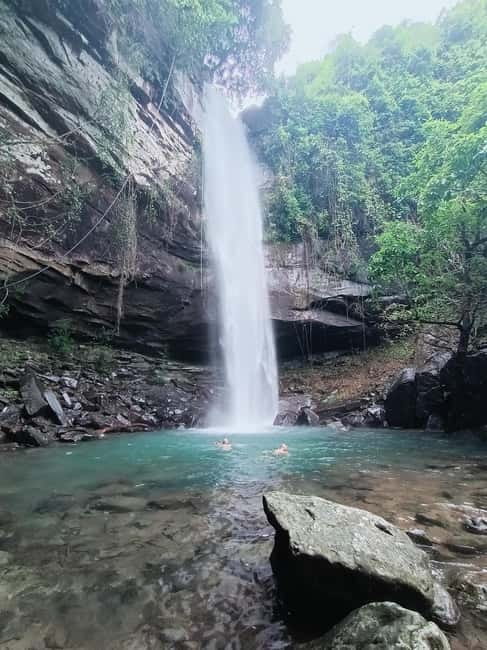
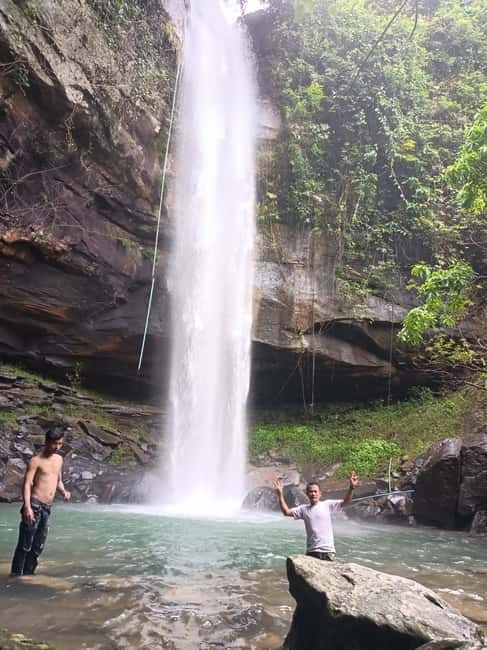
Veal Pouch Waterfall (also known as Butterfly Waterfall) sits in Kampot province, in and around Tvi Khang Cheung village, about 9 km from Durian Roundabout. The whole point of going here is the vibe: a forest route that filters out casual visitors, leaving you with a quieter waterfall experience.
This tour is built around that idea. You’re not just driving to a postcard waterfall and standing still. You walk through the jungle, reach multiple pool spots, and get time to swim, relax, and enjoy the scenery at your own pace.
One practical note: the experience is described as secret and enigmatic, with road access that can be tricky. That means you’ll want to embrace the “rough-but-real” feeling. If you’re expecting polished trails and smooth footing, you may feel a little underwhelmed. If you like nature days that feel local and peaceful, it’s a strong match.
The trek to the waterfall: how the two walking stretches feel
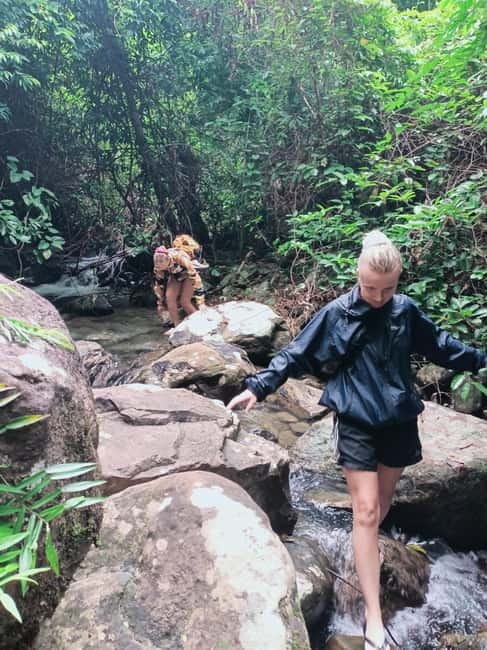
The day has two main on-foot parts. After pickup and tuk-tuk rides, you’ll spend about 40 minutes walking, then another about 40 minutes walking later. In total, it’s close to the “almost 1 hour” jungle trek people talk about—just spread across stages so you can still catch your breath and enjoy the views.
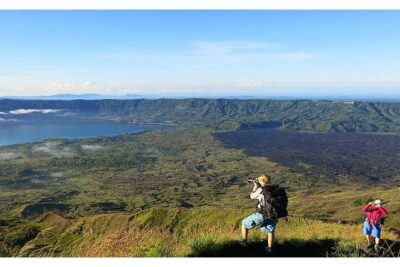
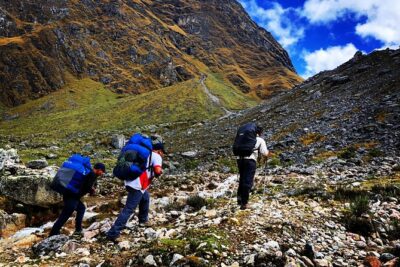
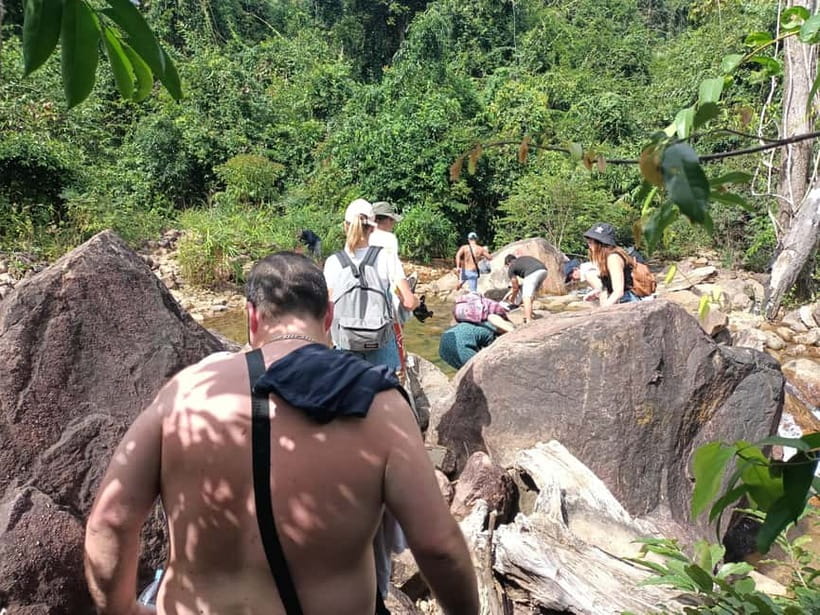
The trek itself is the kind of hike where your legs do the work and your eyes keep noticing new things: tree shade, stream-adjacent bits, and those changing angles you only get when you’re moving. It’s also where you’ll likely get the “stunning viewpoints on the way” feeling mentioned in guides’ stories from the area.
The consideration is the trail quality. The path is described as small and bumpy, so you’ll want solid footing and calm pacing. If you show up in sandals with zero grip, you might feel it during the tougher steps. This is also why the tour explicitly asks for water shoes—they help both on slippery spots and for comfort around rocks near the swim areas.
Upstream hiking and the different pools you’ll search for
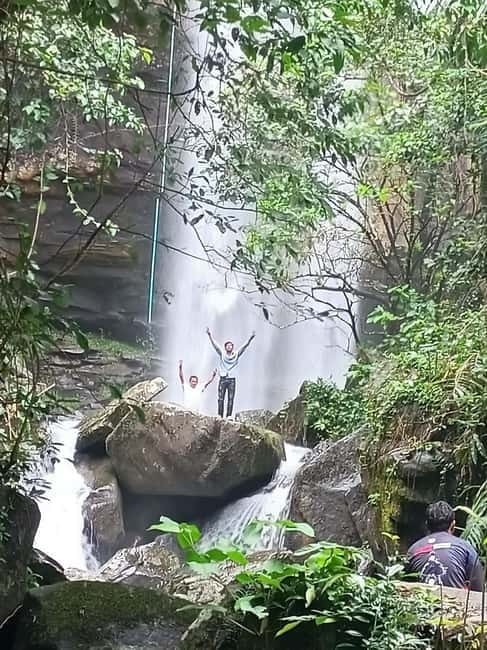
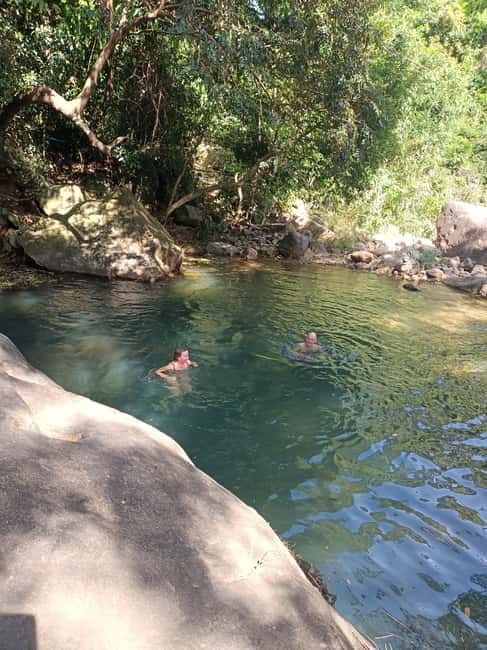
Once you’re at the waterfall area, the plan shifts from “walk to reach it” into “walk to find your best swim spot.” You’ll hike upstream to discover different pools, which is a big part of why this waterfall experience tends to feel special.
Instead of one single pool where everyone crowds in, you’re given the chance to move along the stream and pick what fits your mood:
- One pool may feel calmer for floating and hanging out.
- Another may be more scenic or offer a different water depth.
- You can also find spots that look great for photos without blocking the best swimming area.
This upstream approach also helps with crowd pressure. With a small group (limited to 8), you’re less likely to freeze in place while others arrive and claim every corner. Some guides even have the knack for steering you toward a quieter angle—like the way a guide named Phalla is praised for taking people at an individual pace and giving them time to enjoy swimming and scenery.
Swim breaks that aren’t rushed
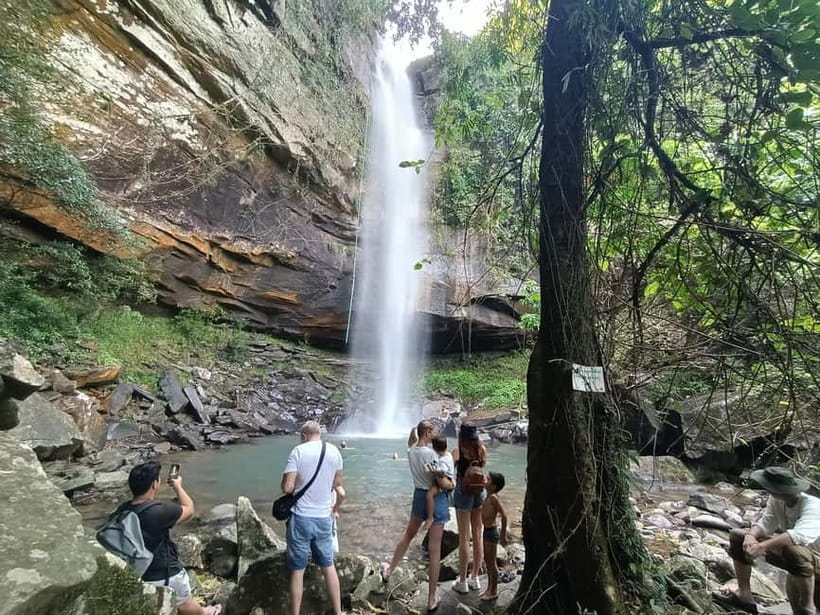
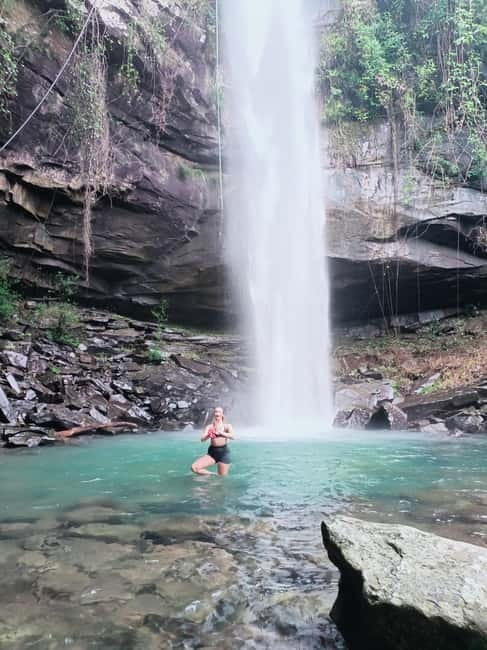
This tour is not subtle about it: you should come ready to swim. Bring swimwear, and expect that getting in the water is part of the rhythm of the day, not an optional bonus.
What makes the swim breaks work here is how they’re timed with the trekking. People tend to love having water breaks at the pools, then returning to the forest walk feeling refreshed—not drained. One review-style takeaway you should keep in mind: you’ll likely appreciate having enough time to swim, rather than doing the classic quick dip and “move along” routine.
Also, with a small group, the waterfall area can feel surprisingly open. The route’s tougher access means the place can be very calm—sometimes close to a private experience—especially on certain days. No one should promise you exclusivity, but you can reasonably expect less crowding than the big-name waterfalls.
Timing and transport: why the day feels like it has rhythm
Your tour runs about 4 hours. Since starting times vary, you’ll want to check availability for the day you want to go. The flow is designed to keep you from spending the whole time in a car or only on your feet.
Here’s how the movement is paced:
- Pickup in Krong Kampot
- Tuk-tuk ride (about 30 minutes)
- Walk (about 40 minutes)
- Walk again (about 40 minutes)
- Tuk-tuk ride (about 30 minutes)
- Tuk-tuk ride back (about 10 minutes)
- Return to Krong Kampot
Those tuk-tuk chunks matter. They reduce fatigue so you can enjoy the hikes, and they also make the route feel manageable for most average fit travelers. Still, it’s not a “sit and view” day. You’ll be walking on uneven ground and moving between pool areas.
If you’re the type who likes a tight schedule, this works well. If you prefer slower days with lots of long stops, you may wish you had an extra hour—because the best part (the swimming and relaxing) can make time feel short.
Price and value: what $35 really buys you
At $35 per person for a roughly 4-hour trip, the value comes from what’s included, not just the number. You get:
- Entrance fee
- Water
- A drink
- Snacks (fruits)
- Tour guide
- Pickup within Kampot options and local transport by tuk-tuk (as described in the plan)
That’s a lot of practical cost coverage. You’re not paying extra for the guide, you’re not scrambling for snacks, and you’re not dealing with the logistics of getting to a harder-to-reach waterfall area on your own.
The only catch stated clearly is that there can be an extra pickup charge if you’re farther than 3 km from the listed options point. So if you’re staying at the edge of town, message ahead and confirm your exact pickup situation. Small clarification here can prevent surprise add-ons later.
Compared to DIY travel, this price also buys you something intangible: someone who knows the route, knows where the pools are, and can help you keep the day smooth—especially on the bumpy parts.
What to bring (and what will make the hike harder)
For a day like this, the packing list is simple, but it matters. The tour specifically asks for:
- Swimwear
- Water shoes
- Camera
Water shoes are the big one. You’ll deal with rocky footing and slippery spots, and normal shoes can soak up water or feel unstable. If you show up with only flip-flops, you’ll probably wish you had something with grip.
What not to wear or bring matters too. Jeans are not allowed, and you should also skip anything that slows you down. The tour also lists rules like no bikes, no baby carriages, and no making fire—so think “light nature day,” not “camping meal with a fire.”
If you’re sensitive to sun, consider bringing basic sun protection even though it’s not explicitly listed. Shade is part of the jungle trek, but you’ll still want protection for the swimming and viewpoints.
Who this tour fits best (and who should skip it)
This is a nature trekking + swimming tour, so it’s best for travelers who are okay with:
- Uneven, bumpy trails
- Walking for long enough to work up some appetite
- Getting wet and changing your plan as the terrain dictates
The tour is also not recommended for:
- Children under 10
- Pregnant women
- Wheelchair users
- People over 220 lbs (100 kg)
- People over 80 years
- People with high blood pressure
So if you fall into any of those categories, it’s worth choosing a different Kampot activity that’s easier on the body and doesn’t require a jungle hike and swim segments.
On the flip side, this can be a fantastic option if you’re traveling solo or with a small group. With a maximum group size of 8, pacing tends to be flexible. One guide named Phalla is praised for tailoring the day, giving people time to swim and enjoy the scenery, and even adjusting the pace to individual preferences. That’s the kind of guiding that makes the difference between a checklist trip and a day that feels comfortable.
The guide experience: pacing, swim time, and a calm vibe
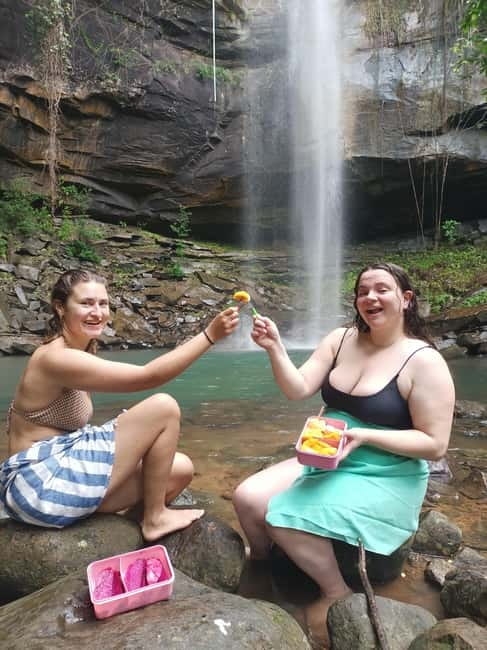
A good waterfall guide does three things well: keeps you safe on the route, helps you enjoy the scenery, and doesn’t rush your time in the water. The tour’s setup leans into that.
English guidance is included, and the small group format helps the guide manage pacing. You may also get a more personal feel if the group is especially small on your day, because the cap is only 8 participants. In cases like that, the experience can feel more like a guided day out than a crowded tour.
The strongest praise tied to the guide is about trekking with you through the jungle and giving enough time at the pools. If you want a day where you can actually enjoy the swim and not just race through it, you’ll likely be happy with this format. Phalla is specifically mentioned as attentive and as someone who gives people plenty of time to swim and relax.
A practical walkthrough of the day, step by step
To help you picture it, here’s a plain-language read of how the day likely unfolds, based on the timing:
1) Pickup in Krong Kampot
You start with pickup, then transfer by tuk-tuk to the trail area. This makes the first segment manageable even before you start walking.
2) Tuk-tuk ride (about 30 minutes)
This is your transition time. Use it to get organized: water shoes ready, swimwear accessible, and camera charged.
3) First walk (about 40 minutes)
This is your jungle trekking stretch. Think steady effort more than speed. The terrain can be bumpy, so keep a relaxed pace.
4) Second walk (about 40 minutes)
This is where the day leans further into upstream movement and reaching pool spots. Expect more uneven footing and a stronger “nature hike” feel.
5) Tuk-tuk ride (about 30 minutes)
This break helps you reset. You’ve done the main work; now it’s about returning without dragging the trip out.
6) Final tuk-tuk (about 10 minutes)
You wrap up back in Krong Kampot, with the day’s highlight already behind you: the quiet waterfall and pools.
That’s one reason it works: your effort is concentrated, and the transport segments prevent the day from turning into endless walking.
Should you book Veal Pouch Waterfall in Kampot?
Book it if you want a quiet waterfall day with real jungle trekking and actual swim time. The small group size and guide-led route are a big part of the value, and the upstream pool-hopping gives you options once you’re there. At $35, it’s priced like an active half-day tour that includes the essentials—guide, entrance, drinks, and fruit snacks.
Skip it if you need smooth, easy trails, or if swimming in natural pools isn’t your thing. It’s also a clear pass for anyone who falls into the health and mobility limitations listed for the tour.
If your travel style is “walk, swim, relax, repeat,” this one is a strong fit. If your style is “comfort first,” you might prefer something flatter and less physical around Kampot.
FAQ
How long is the Veal Pouch Waterfall tour?
The tour duration is about 4 hours. Starting times depend on availability.
What does the $35 price include?
It includes the entrance fee, water, a drink, fruit snacks, and a tour guide.
Where is pickup for the tour?
Pickup is in Krong Kampot. The meeting point is listed as opposite Epic Art Cafe, with pickup and drop-off also available from hotels or restaurants in Kampot town (with an extra charge possible if farther than 3 km from the options point).
How much walking is involved?
You’ll do two walking portions of about 40 minutes each, plus tuk-tuk transfers between segments.
Is swimming part of the experience?
Yes. You’ll have time to swim at the waterfall pools, and swimwear is recommended.
What should I bring for this tour?
Bring swimwear, a camera, and water shoes.
Is the tour guide available in English?
Yes, the live tour guide speaks English.
What’s the group size?
The group is limited to a small size, capped at 8 participants.
Who is the tour not suitable for?
It’s not suitable for children under 10, pregnant women, wheelchair users, people over 220 lbs (100 kg), people over 80, and people with high blood pressure.