REVIEW · KATHMANDU
Langtang, Gosaikunda and Helambu Trek
Book on Viator →Operated by Mount Mania Treks Expedition P. Ltd. · Bookable on Viator
A high pass and a holy lake in the same trip. That’s the heart of the Langtang, Gosaikunda and Helambu Trek: you move from Kathmandu’s bustle to big mountain terrain fast, then spend days walking through rhododendron and bamboo forests toward sweeping views of Langtang Lirung and the holy waters of Gosainkunda.
I love that the route layers three well-known trekking areas into one plan, so your days feel varied rather than repetitive. I also like how the logistics are built around real comfort: hotel in Kathmandu, teahouses on trek, and a strong support setup with a licensed leader, an assistant leader, and porters. One thing to keep in mind: the long road day into the hills (7–8 hours) and the high altitude at Gosainkunda (listed at 4,460m) mean you’ll want a calm pace and smart acclimatization habits.
This is a private-style trek experience for your group (up to 15 people), and it’s designed for moderate physical fitness. It also runs in all weather conditions, so pack for cold, rain, or both, even if the forecast looks friendly.
In This Review
- Key Highlights (What Makes This Trek Worth Your Time)
- Three Regions, One Rhythm: Langtang Meets Gosaikunda Meets Helambu
- The small drawback
- Kathmandu Arrival: 3-Star Comfort Before You Trade Shoes for Trek Boots
- The 7–8 Hour Drive to Dhunche: One Long Day That Sets the Tone
- What you’ll likely appreciate
- Possible drawback to plan around
- Dhunche to Shin Gompa: First Trek Effort, Big Mountain Energy
- Why this matters for your trip
- Shin Gompa to Gosaikunda: The 4,460m Lake Day (and the Forest-to-Altitude Shift)
- What you should expect at Gosainkunda
- Gosaikunda to Phedi: Moving Down Toward Better Legs
- Phedi to Tharepati: Higher Again, but With Purpose
- The drawback to watch
- Tharepati to Kutungsung then Chisopani: The Descent Begins
- Why these two days feel different
- Chisopani to Sundarijal, Then Back to Kathmandu: Wrap It Up with a Short Reset
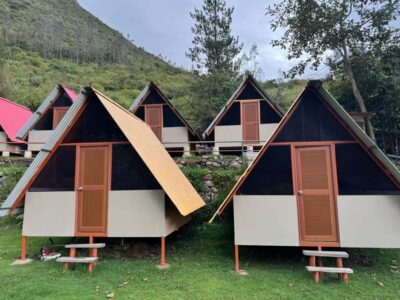
- Teahouse Living and Full Meals: How Comfort Is Built In
- What you still should budget for personally
- Guides and Support: Licensed Leadership With Names You’ll Hear
- Price and Value: What $850 Actually Buys You
- A balanced way to judge the cost
- Fitness, Altitude, and Weather: What Moderate Means in Practice
- Who This Trek Fits Best (And Who Might Prefer a Shorter Route)
- Should You Book This Langtang, Gosaikunda and Helambu Trek?
- FAQ
- How long is the Langtang, Gosaikunda and Helambu Trek?
- What’s the highest altitude on this trek?
- What does the trek cost, and is it per person?
- Are meals included during the trek?
- What kind of accommodation should I expect?
- Is there porter support, and do we have guides?
- What’s included in the price, and what’s not?
Key Highlights (What Makes This Trek Worth Your Time)
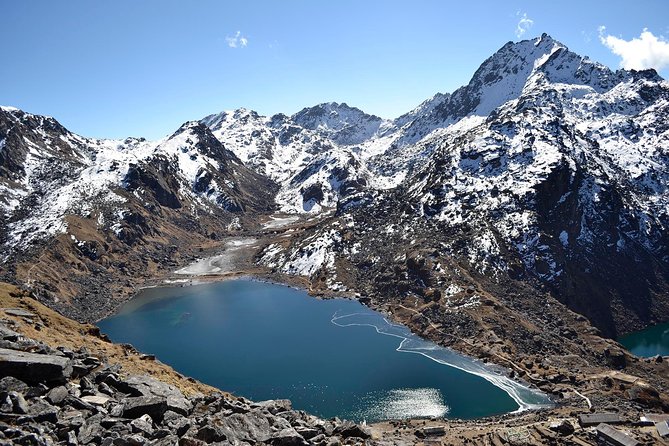
- Holy lakes and major viewpoints: Gosainkunda plus panoramic moments toward the Ganesh Himal, Manaslu, and Annapurna Range when visibility allows
- Forest walking with wildlife potential: rhododendron and bamboo forests, with chances to spot wildlife along the way
- A high-altitude day at 4,460m: Gosainkunda is the altitude headline, so pacing and hydration matter
- Teahouses plus full trek meals: breakfast/lunch/dinner handled during the trekking days
- Licensed leadership and real support: experienced English-speaking guide, assistant leader, and a porter setup (2 trekkers per porter)
- Comfortable Kathmandu start and end: 3-star hotel with breakfast and airport transfers by private vehicle
Three Regions, One Rhythm: Langtang Meets Gosaikunda Meets Helambu
If you like treks where the scenery changes often, this route fits that taste. You’re not just chasing one highlight; you’re traveling through the Langtang Valley area, then heading toward the holy lakes of Gosainkunda, and later transitioning into Helambu. The result is a trek that feels like it has multiple moods—forest and waterfall country, high lake country, then a descent that keeps you moving toward warmer air.
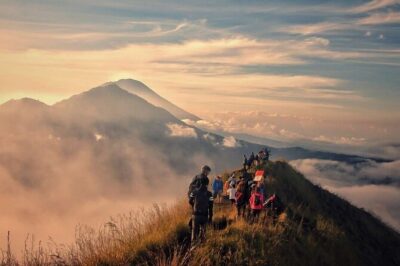
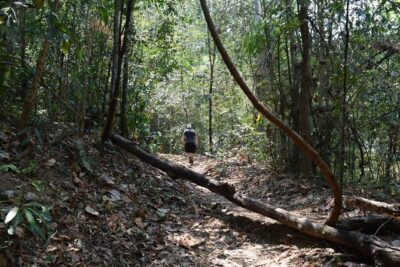
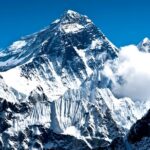
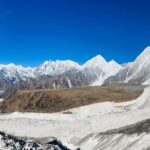
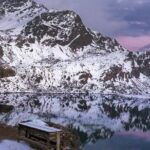
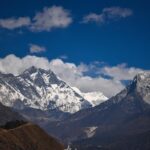
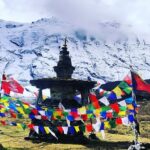
The big draw is the way the trail stitches together high mountains and living nature. The route’s described for rhododendron and bamboo forests and an abundance of wildlife, plus majestic waterfalls and dramatic mountain panoramas—including views of the snow-covered Langtang Lirung.
You should also expect the “holy place” energy around Gosainkunda. Even if you’re not religious, it’s a meaningful stop: the trek isn’t just a physical challenge, it’s a cultural waypoint in a landscape that Nepalis hold with respect.
You can also read our reviews of more tours and experiences in Kathmandu.
The small drawback
The “three-in-one” style also means more transitions—more travel days, more altitude change, and more days where you’ll be thinking about layers, socks, and foot care. That’s not a dealbreaker; it just means you’ll get better results if you show up rested and pack thoughtfully.
Kathmandu Arrival: 3-Star Comfort Before You Trade Shoes for Trek Boots
Your trip starts in Kathmandu at around 1,320m. The good news is you’re not left to figure things out alone. You get airport pickups and drops in a private vehicle, plus 3-star hotel accommodation in Kathmandu with breakfast.
This is a nice buffer day because your body and your gear both need attention. In Kathmandu, you’ll typically want time to:
- confirm your final trek kit choices (layers, rain protection, warm hat)
- handle water and snacks you want for the drive day
- double-check power banks and phone storage (battery charging can be a personal expense later)
You’ll also have the first meeting point in Kathmandu, and the experience notes that it’s a private tour/activity, meaning only your group participates. If you’re traveling with friends or family, that matters: it’s easier to keep your pace consistent.
The 7–8 Hour Drive to Dhunche: One Long Day That Sets the Tone
Day 2 is a long road transfer from Kathmandu to Dhunche (2,050m), listed as 7–8 hours. That’s not subtle. This is the part of the trek where your comfort and patience pay off.
Here’s the practical way to think about it: once you’re higher up, the trek starts feeling real. Dhunche acts as your staging point—so you want that evening to be about easy walking, early dinner, and sleep, not sightseeing binges.
What you’ll likely appreciate
Because your ground transport is handled as part of the package, you don’t have to negotiate rides, find a bus, or guess connections. You’re also not stuck on your own if road conditions shift; the plan includes all ground transportation “as per the itinerary,” which usually means fewer surprises.
Possible drawback to plan around
If you’re sensitive to long travel, you may feel it on Day 3. Hydrate before you leave Kathmandu, then keep your first trek day calm.
Dhunche to Shin Gompa: First Trek Effort, Big Mountain Energy
Day 3 is a trek from Dhunche to Shin Gompa, listed at 4–5 hours. This day is your first sustained walking rhythm. It’s also the start of the trail’s personality: forested sections, shifting light, and that early sense that you’re really leaving the valley behind.
Shin Gompa is your early acclimatization gateway—enough time to feel the altitude change, but not so much that you blow yourself up on day one.
Why this matters for your trip
This is the day that helps you learn your pace. If you go out too fast here, you’ll feel it later when altitude ramps up. If you go steady, you’ll arrive ready for the heavy hitter day ahead.
Shin Gompa to Gosaikunda: The 4,460m Lake Day (and the Forest-to-Altitude Shift)
Day 4 is the key push: Shin Gompa to Gosaikunda (4,460m), listed at 5–6 hours. This is where the trip’s most dramatic number shows up. Gosainkunda isn’t just a lake; it’s a high-altitude destination that changes how you breathe and how you manage effort.
The trek description calls out rhododendron and bamboo forests, wildlife potential, waterfalls, and mountain views. On this section, you’ll feel those elements mix with the altitude. Even if you’re an experienced hiker, treat this day as a “slow effort” day. Take breaks before you need them.
What you should expect at Gosainkunda
You’re visiting the holy lakes of Gosainkunda, and this is the emotional high point of the route. The area also connects to broader mountain spirituality in the region, so it’s a moment to slow down, look around, and respect the place.
If weather is clear, expect mountain drama. If it’s cloudy, you’ll still get the sense of being high up in a rugged basin—just with less view mileage. Since the operator notes it operates in all weather conditions, plan for both.
Gosaikunda to Phedi: Moving Down Toward Better Legs
Day 5 goes from Gosaikunda to Phedi (3,600m) for 6–7 hours. That drop in altitude is helpful, but don’t treat it as a free day. You’re still moving for much of the day, and descending can be hard on knees and ankles.
This stage is also where your trekking “mindset” should shift:
- keep your steps controlled
- avoid long, fast stretches when the path is uneven
- manage hydration so you don’t get behind on the next days
Phedi is a practical stop—lower than Gosainkunda, but still high enough that you’re not back to normal city temperatures.
Phedi to Tharepati: Higher Again, but With Purpose
Day 6 is Phedi to Tharepati (3,900m), listed as 5–6 hours. This is a classic trekking pattern: after a descent, you go back up to a viewpoint or ridge zone.
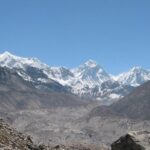
Tharepati matters because it’s one of the planned places where big-mountain panoramas come into focus. The trek description also calls out wider views toward Ganesh Himal, Manaslu, and the Annapurna Range, which are the kind of sights that can reward a steady pace and clear weather.
The drawback to watch
It’s another climb at altitude. If you’re not used to it, you might feel tired even if the distance seems reasonable. This is where your pacing from earlier days pays off.
Tharepati to Kutungsung then Chisopani: The Descent Begins
Day 7 is Tharepati to Kutungsung (2,450m) for 5–6 hours. Day 8 continues to Chisopani (2,250m) for 6–7 hours. This is your shift toward lower, more comfortable trekking altitude.
Kutungsung at 2,450m helps your breathing and energy, and Chisopani around 2,250m keeps things moving toward the endgame. By now, you’ve lived in teahouses, eaten trek meals regularly, and settled into a routine. That routine helps you finish strong.
Why these two days feel different
Lower altitude doesn’t mean easier. It often means:
- more time spent watching your footing
- more steady walking because the air feels better
- more chances to notice forests, water, and local trail life
If you’re thinking about wildlife spotting, this stretch can be a good time to stay observant—within safe, respectful limits.
Chisopani to Sundarijal, Then Back to Kathmandu: Wrap It Up with a Short Reset
Day 9 is Chisopani to Sundarijal (1,510m) plus a drive back to Kathmandu. The itinerary’s listed as a combined day, so you should expect a mix of walking plus road time.
This is the day you’ll want to treat like a transition rather than a celebration sprint. Your body has done a lot by this point. Once you’re back around Kathmandu, you’ll get the recovery your system deserves.
Day 10 is departure.
Teahouse Living and Full Meals: How Comfort Is Built In
A major value piece here is that teahouse accommodation and all meals during the trek are included: breakfast, lunch, and dinner. That means fewer decisions and less spending day-to-day on trek food. It also reduces stress—especially on days when the weather changes your appetite.
There are also farewell dinners, which is a small but real human touch. After days of focus, it helps to have a planned social moment to share the week’s highlights.
What you still should budget for personally
Even with meals included, there are personal costs listed as not included—things like phone calls, laundry, bar bills, battery recharge, and items like bottle or boiled water and shower. You don’t need to overthink it, but you should carry some cash to cover creature comforts.
Guides and Support: Licensed Leadership With Names You’ll Hear
The experience includes an experienced, English-speaking and government-licensed trek leader plus an assistant trek leader. Support ratios are spelled out too: 2 trekkers per porter (1 porter), and an assistant guide for 4 trekkers. That’s the kind of staffing detail that usually affects how smooth your trek feels—especially on tricky timing days.
From the information shared about the company’s past experiences, a few guide names stand out: Binod is described as welcoming, well organized, supportive, and responsive to what people need at each point. Other names you may encounter with this operator include Rupak in Kathmandu and guides like Ngima Tamang and Ganesh, both praised for supportive attitudes and good time management.
This doesn’t guarantee who you’ll get, but it does tell you the company is serious about people skills, not just routes. On a trek, that matters. A good guide also helps you manage energy, altitude pacing, and decision-making when weather shifts.
You’ll also have a medical kit carried by your trek leader. That doesn’t replace travel insurance (not included), but it’s a reassuring baseline.
Price and Value: What $850 Actually Buys You
The price is $850 per group (up to 15). That structure can look surprising at first. Your true “value” depends on what’s included and how many people share costs.
For this operator, the included items are meaningful:
- Airport transfers and all ground transportation on the route
- 3-star hotel in Kathmandu with breakfast
- All trek meals and teahouse accommodation
- Farewell dinners
- Licensed leadership with assistant support and porters
- Taxes and staff costs (salary, insurance, equipment, food, accommodation)
- A mobile ticket
Not included are the common items that can surprise you later: the Nepal visa fee, international airfare, travel and rescue insurance, and personal spending.
A balanced way to judge the cost
If you’re comparing to a bare-bones trekking setup, the difference here is leadership, porters, meals, and ground transport handled for you. That’s the stuff that can turn a “good trek” into a “less stressful trek.” For groups up to 15, it can also be a reasonable deal because fixed costs spread out.
The main “price risk” is personal spending: water, charging, laundry, and any extra comforts aren’t included. Plan a budget so you don’t get stuck mid-trek.
Fitness, Altitude, and Weather: What Moderate Means in Practice
The trek is described for moderate physical fitness. That’s helpful, but here’s the reality you should respect: the highest point listed is Gosaikunda at 4,460m. Another key elevation is Tharepati at 3,900m, plus time spent above 3,600m on the way.
At these heights, “moderate” usually means:
- you can walk for 4–7 hours at a steady pace
- you can handle cold in the mornings and evenings
- you’re willing to take breaks without rushing
- you don’t treat every uphill as a race
Weather matters too. The trek operates in all weather conditions, so pack for rain, wind, and cold even if you think you’re going somewhere “mostly sunny.”
Also note: it’s not recommended for children aged 10 and under. That’s a good rule to trust for safety and pacing.
Who This Trek Fits Best (And Who Might Prefer a Shorter Route)
This is best for you if:
- you want a big-name Nepal trekking route without managing every logistical piece yourself
- you like wildlife and forest sections, not just stone-and-snow scenery
- you’re comfortable with multiple hiking days that run 5–7 hours
- you want a package that includes meals and teahouse beds, not just a guide
You might reconsider if:
- you hate long road travel (that 7–8 hour Kathmandu to Dhunche day is real)
- you’re very altitude-sensitive and don’t have experience managing breathing and pacing at high elevations
- you’re looking for something truly low-effort
Should You Book This Langtang, Gosaikunda and Helambu Trek?
If you want a trek that blends holy lakes, forest walking, and major mountain views into a single 10-day plan, this is a strong choice. The value is in the way it handles the big moving parts—licensed leadership, porters, transport, and full trek meals—so you spend your energy on walking and enjoying the mountains rather than solving logistics.
Book it if you’re ready for a few long days of effort and you’ll pack for altitude and weather. If you want a gentle, short trek with minimal elevation stress, then you may want to look for something easier. But for the right group—moderate fitness, realistic expectations, and an interest in both scenery and meaning—this one is a solid, satisfying route.
FAQ
How long is the Langtang, Gosaikunda and Helambu Trek?
The duration is listed as 10 days (approx.), with Day 10 for departure. The trekking portion runs over multiple days with daily walking times ranging from about 4 to 7 hours.
What’s the highest altitude on this trek?
The itinerary lists Gosaikunda at 4,460m as the highest point.
What does the trek cost, and is it per person?
The price is $850 per group, up to 15 people. That means the cost is structured for group sharing rather than per individual.
Are meals included during the trek?
Yes. The package includes all meals (breakfast, lunch, and dinner) during the trek, plus breakfast at the Kathmandu hotel.
What kind of accommodation should I expect?
You get 3-star hotel accommodation in Kathmandu with breakfast, and teahouse accommodation during the trek.
Is there porter support, and do we have guides?
You’ll have an experienced English-speaking, government-licensed trek leader and an assistant trek leader. Porter service is included with a ratio of 2 trekkers to 1 porter.
What’s included in the price, and what’s not?
Included: airport pickups/drops by private vehicle, Kathmandu hotel, teahouses, all trek meals, ground transport as per itinerary, tourist bus (Kathmandu–Syabrubesi–Kathmandu), guide/assistant/porter support, medical kit carried by the leader, and taxes. Not included: Nepal visa fee, international airfare, excess baggage charges, meals in Kathmandu (lunch/dinner), extra nights in Kathmandu if you return early/late, travel and rescue insurance, and personal expenses like phone calls, laundry, bar bills, charging, and water/shower costs.