REVIEW · CUSCO
Salkantay Trek to Machu Picchu 5D/4N or 4D/3N by glamping
Book on GetYourGuide →Operated by Machu Picchu Expeditions Perú · Bookable on GetYourGuide
Salkantay feels wilder than the usual Peru route. This 5-day trek pairs Humantay Lake views with a high, remote crossing over Salkantay Pass, then finishes at Machu Picchu without the Inca Trail crowd crush. I love how the trip treats food like a real part of the journey (fresh meals cooked by mountain chefs, not just survival snacks), and I love the calmer group size with an English/Spanish guide who keeps things moving. One big consideration: the headline price does not include the Machu Picchu ticket, so your final cost depends on ticket availability and add-ons.
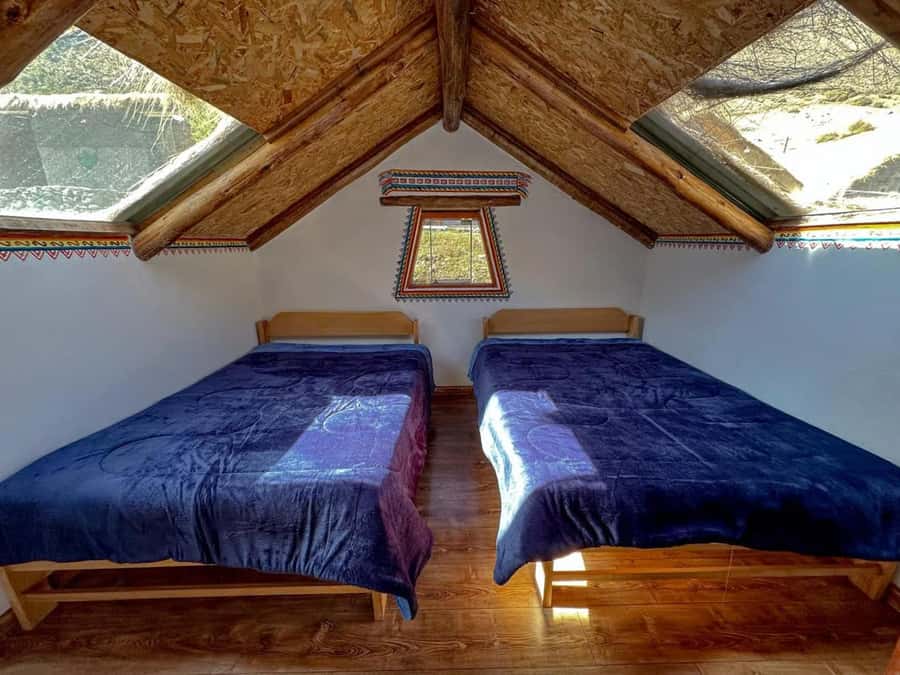
The “glamping” angle is real here. You sleep in a mix of glass-roof cabins, Sky Huts, and jungle domes, plus you get coca tea each morning and a steady rhythm of tea-time snacks so the day doesn’t feel like endless trekking with nothing in between. Just note that mornings start early (pickup at 4 a.m.), and the route hits serious altitude, so you’ll need a steady pace and the right clothing.
If you get the right fit, this trek is one of the best ways to reach Machu Picchu with more nature and fewer people in your photos.
In This Review
- Key highlights worth planning for
- Why Salkantay to Machu Picchu feels different than the Inca Trail
- Price and what you’re actually getting for the money
- Day 1: Cusco pickup, Soraypampa, and Humantay Lake at 4,200m
- Day 2: Salkantay Pass (4,630m) via the Trail of the 7 Snakes
- Day 3: Santa Teresa Valley walk, coffee tour, and optional Cocalmayo hot springs
- Day 4: Llactapata and the original Inca Trail flavor before Aguas Calientes
- Meals, camp comfort, and the small things that keep you going
- Day 5: Guided Machu Picchu at 8:00, plus optional hikes
- Guides and small group dynamics on a 5-day trek
- Who this glamping Salkantay trek suits best
- Should you book this Salkantay Trek to Machu Picchu with glamping?
- FAQ
- How long is the Salkantay trek to Machu Picchu on this glamping option?
- What’s included in the price besides the trekking?
- Is the Machu Picchu entrance ticket included?
- Do I pay extra for Humantay Lake and the hot springs?
- What kind of sleeping arrangements should I expect?
- Do I need to carry all my luggage?
- Are vegetarian or vegan meals available?
- What should I bring, and can I rent gear?
- Is zipline included?
Key highlights worth planning for
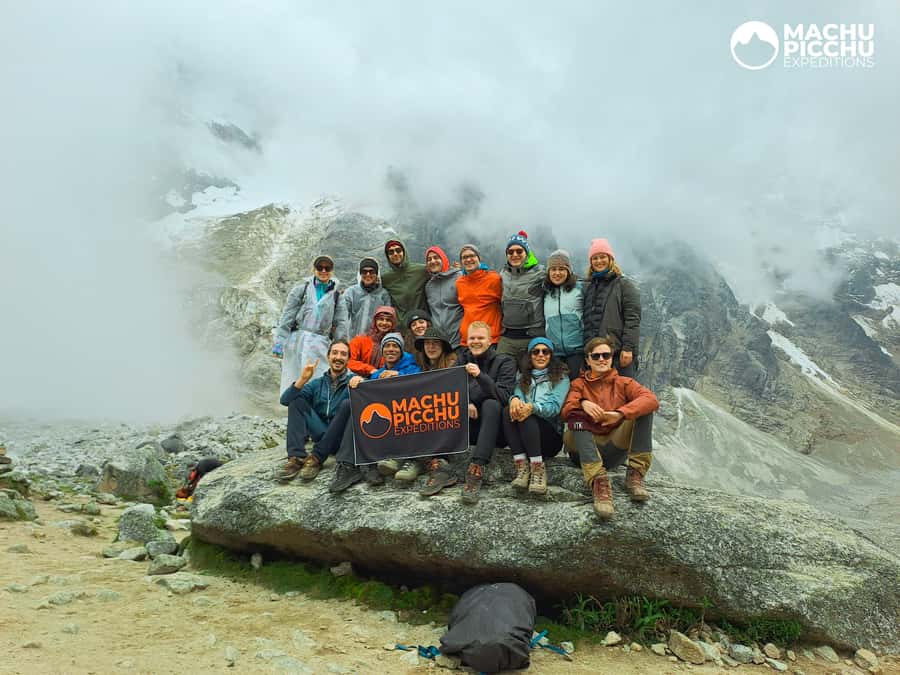
- Humantay Lake (4,200m) plus a camp setup that feels special after a long climb
- Salkantay Pass (4,630m) and big views from the top, with the famous Trail of the 7 Snakes
- Cocalmayo hot springs + coffee tour + optional zipline as your mid-trek recovery day
- A taste of the Inca world via a section of the original Inca Trail to Llactapata
- Chef-driven meals and snacks (coca tea mornings, plus afternoon tea-time treats)
- Machu Picchu guided circuit on the official 8:00 am slot (Ticket not included)
Why Salkantay to Machu Picchu feels different than the Inca Trail
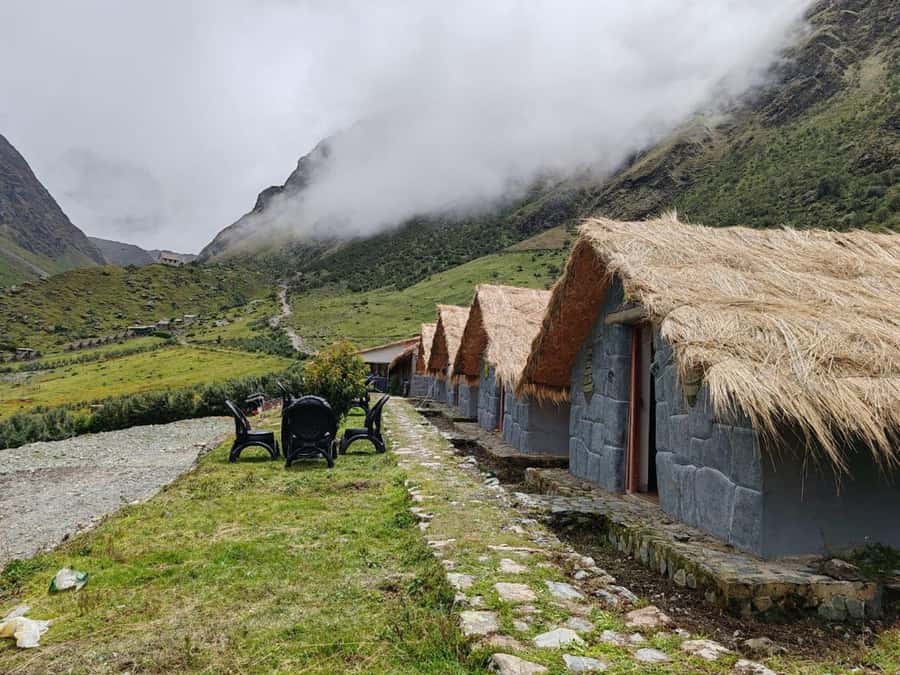
The Salkantay route is popular as an Inca Trail alternative for a good reason: it’s more remote, more rugged, and often noticeably quieter. You trade some of the famous Inca Trail branding for raw mountain scenery and a calmer trekking feel. The payoff is that when you crest the heights and then watch the route drop toward the warmer valleys, the whole trip feels like a real journey through changing Peru ecosystems.
This itinerary also adds a smart blend: high-altitude trekking days, then a warmer valley section with hot springs and a coffee stop, then a final day that uses a portion of the original Inca route vibe before reaching Aguas Calientes. You’re not only walking to Machu Picchu—you’re experiencing how the mountains “hand off” to the jungle.
You can also read our reviews of more tours and experiences in Cusco.
Price and what you’re actually getting for the money
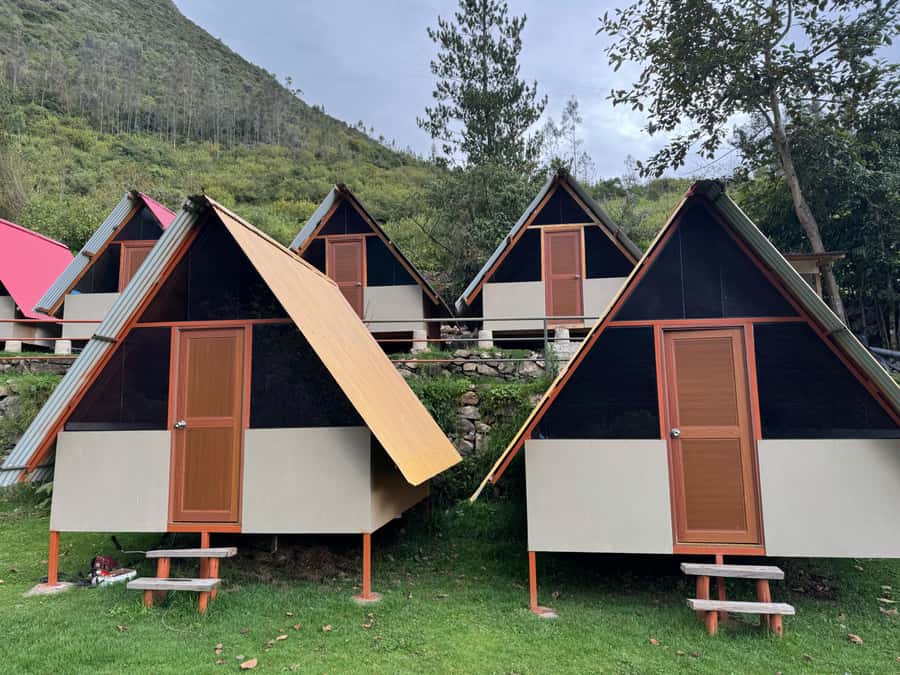
The listed price is $35 per person, and that’s a tempting number. The value is that a lot of the hard parts are baked in: pickup in Cusco’s historic center, private transport to the trailhead, an English/Spanish professional guide, a chef team with cooking equipment, multiple breakfasts/lunches/dinners, glamping/camp stays, and even a 3-star hotel night in Machu Picchu town.
That said, the trip is not “all-in” for Machu Picchu. You must budget separately for:
- Machu Picchu entrance (Circuit 2B/7 at 7:00 am is listed as a ticket option; your guided visit is scheduled for an 8:00 am circuit)
- Humantay Lake entrance (PEN 20)
- Hot springs entrance and transport (PEN 10 for entry, PEN 40 for the ride)
- A few other practical items like bottled drinking water, optional hot shower fees, and Wi-Fi
So here’s the honest math mindset: if you want the low-planning, high-convenience version of the trek, this is strong. If you want the lowest possible total cost, you’ll need to account for the ticket gaps and optional extras early.
Day 1: Cusco pickup, Soraypampa, and Humantay Lake at 4,200m
Day 1 starts fast: pickup from your Cusco historic center hotel at 4:00 a.m. You’ll ride in comfortable transport, then stop at Mollepata for breakfast before beginning the trek from Challacancha toward Soraypampa.
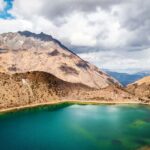
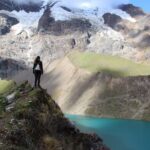
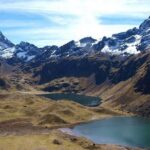
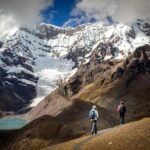
Soraypampa is where you settle into camp. After lunch and rest, the climb to Humantay Lake (4,200m) is the kind of effort that feels worth it when the lake finally appears. Plan for cold air, thin air, and changing light as you ascend. The trail gives you the classic “first big vista of the trip” moment, then you return to camp for dinner with a sunset view and a quiet night.
Where this day can be tricky: the early start plus altitude means you’ll benefit from walking slow and steady rather than trying to “power hike” your way through. Also, this is day one, so bring your warm layers before you get tired and wish you had them.
Day 2: Salkantay Pass (4,630m) via the Trail of the 7 Snakes
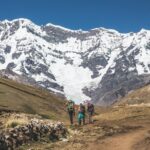
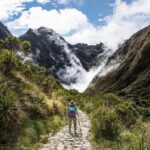
Day 2 is the main altitude challenge: wake up with coca tea, breakfast, then start trekking toward Salkantay Pass (4,630m). The route is described as the Trail of the 7 Snakes, which hints at a winding, steep climb. Expect it to take more out of you than you think—this is high elevation work, not a casual walk.
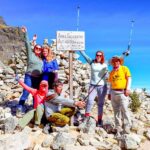
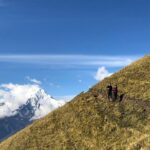
When you reach the pass, you’re rewarded with views of Salkantay (6,271m). That kind of sight is hard to explain in words, but it does something practical: it makes you feel like your effort was aimed correctly.
After the long day, you drop down to Collpapampa (2,950m) for dinner and sleep in the Sky Huts camp. That lower elevation can feel like a relief, but you’ll still want warm clothing for evening. If you’re the type who gets cold easily, prioritize layers and gloves.
Day 3: Santa Teresa Valley walk, coffee tour, and optional Cocalmayo hot springs
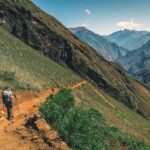
Day 3 shifts from “high climb” energy to a more recovery-friendly rhythm. After a 6 a.m. tea and breakfast, you head out from camp and trek toward La Playa. Along the way you walk through the Santa Teresa Valley, which helps the route feel less punishing than back-to-back high-altitude days.
Lunch is at camp, and then you get options. You can visit the Cocalmayo hot springs for a soak (entry and transport are not included, but the activity itself is built into the day), and you can choose an optional zipline experience. If you’d rather go low-key, you can simply unwind at camp—this is one of your best chances to let your legs reset.
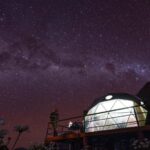
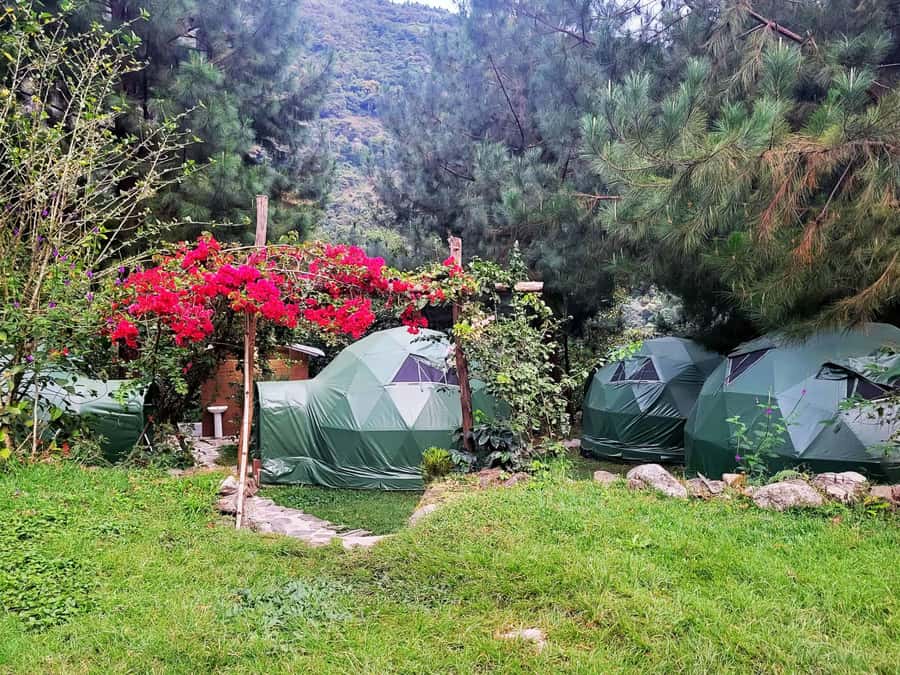
Later you settle into your jungle dome for dinner and night. This dome setup is one of the reasons this tour feels like trekking meets comfort. You’ll still hear nature all around you, but you’re not sleeping on bare ground.
Day 4: Llactapata and the original Inca Trail flavor before Aguas Calientes
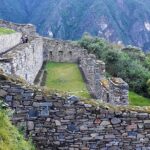
Day 4 is a big “transition day.” You eat a filling breakfast, then start the final trek push, including a section of the original Inca Trail feeling as you move toward Llactapata (2,700m).
You’ll do a 2-hour uphill climb first, which helps set the pace for the day. Llactapata is an archaeological site with views linked to the broader Machu Picchu area. Then you descend for about 2 hours, and you get glimpses of the citadel area before stopping for lunch in Hidroeléctrica.
From Hidroeléctrica you arrive in Aguas Calientes, where you check into a 3-star hotel (and then you have dinner at 7:00 p.m.). This matters because it positions your Machu Picchu morning properly. You’re not trekking that last night. You’re resting, eating, and getting your entry day gear ready.
One practical heads-up from experience on similar routes: Aguas Calientes can be loud depending on where your room faces. If you’re sensitive to noise or you’re counting on warm showers, it’s worth confirming these details with your operator before you lock in anything.
Meals, camp comfort, and the small things that keep you going
One of the most loved parts of this trek is food. This trip runs with a professional chef and cooking equipment, so your meals aren’t just calories. You get breakfasts, lunches, and dinners across the days, plus 3 tea-time snack breaks each afternoon with popcorn, cookies, chocolate, and coffee. You also get coca tea each morning to help you start the day in a very traditional way.
You also get comfort upgrades that actually help on a cold, high-altitude route:
- Personal pad and pillow
- Duffle bag for up to 6 kilos, carried by horses (so you’re not hauling your full daypack weight uphill)
- Free electricity in all camps to charge devices
- First-aid equipment, walkie-talkies, and an oxygen bottle for emergencies
These details matter because they reduce stress. When the day is already physically demanding, you want to avoid unnecessary friction like dead batteries, cold hands, or dragging a heavy load when you don’t have to.
Day 5: Guided Machu Picchu at 8:00, plus optional hikes
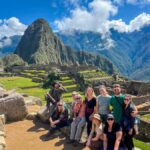
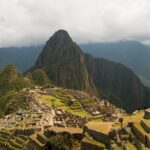
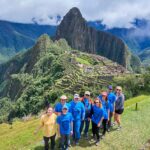
You’ll wake up for Machu Picchu day with the long-arc feeling that your earlier trekking is finally paying off. Your guided tour is about 1.5 hours, and it uses the scheduled circuit time (your tour listing notes Circuit 2B/6 with the 8:00 am slot).
The guide helps you move through the site without guessing. That’s not just convenient—it helps you notice what matters. You’ll also get time afterward to explore on your own with options including:
- Hiking Huayna Picchu (2,720m)
- Hiking Machu Picchu Mountain (3,000m)
- Visiting the Sun Gate (2,729m)
- Visiting the Inca Bridge
Because ticket rules can change and access may depend on your exact entry, plan your day with flexibility. If you want one of the hikes, decide early so you’re not rushing while everyone else is still gathering photos.
After the tour, the next step is up to you. If you’re returning to Cusco by bus from Hidroeléctrica, you’ll need to plan the walk from Machu Picchu town to Hidroeléctrica first. There’s also an optional train route from Machu Picchu town to Ollantaytambo, then bus onward (listed as a higher-cost alternative).
Guides and small group dynamics on a 5-day trek
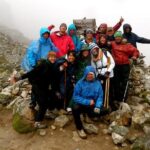
This is a small group trek, limited to 15 participants, with an English/Spanish speaking professional guide. That size is important because it affects your pace, your breaks, and how easily you can get help if altitude hits harder than expected.
You may meet guides such as Ruben, Roger, Reynaldo, or Tupac and Nidia, depending on the departure. Whoever the guide is, the best sign of a good operation is simple: they manage timing without drama. They keep the trekking groups together and make sure you understand what’s happening next.
If you’ve got questions about what’s included versus optional on a given day (especially around hot springs or zipline), ask clearly before you leave camp. This is one of those treks where the details matter.
Who this glamping Salkantay trek suits best
I think this trek fits you if you want:
- Big mountain scenery with less crowd intensity
- A comfortable sleep setup after hard hiking days (glass-roof cabin, Sky Huts, jungle domes)
- Proper meals cooked on-site
- A guided Machu Picchu experience on a fixed morning slot
It may not be the right choice if you’re dealing with major mobility limits or if high altitude is a concern. The tour notes it’s not suitable for pregnant travelers, people with heart problems, people with back problems, wheelchair users, children under 18, people with respiratory issues, people with epilepsy, and anyone over 70. If you’re unsure, it’s smart to consult your clinician about altitude exposure and trekking exertion.
Should you book this Salkantay Trek to Machu Picchu with glamping?
If you want the best blend of rugged Peru plus real comfort, I’d say this is a strong booking. The combo of Humantay Lake, the Salkantay Pass crossing, a recovery day with coffee tour and optional hot springs, and a guided Machu Picchu visit makes the whole week feel purposeful rather than random.
Book it if you’re ready for early mornings, steady uphill hiking, and an honest altitude day. Don’t book it if you’re hoping for a fully all-inclusive Machu Picchu package with zero add-ons, or if high-elevation effort isn’t realistic for your body right now. If you do book, keep your budget flexible for the Machu Picchu ticket and hot springs, and pack warm layers early so you’re not stuck improvising when the cold hits.
FAQ
How long is the Salkantay trek to Machu Picchu on this glamping option?
It runs 5 days / 4 nights. There’s also a 4D/3N option mentioned in the overview, with availability and starting times depending on the departure.
What’s included in the price besides the trekking?
You get pickup from your Cusco historic center hotel, private transport to the trailhead, an English/Spanish guide, mountain-chef meals (including 5 breakfasts, 4 lunches, 4 dinners, and 3 snacks), coca tea each morning, glamping and camp stays (3 nights in glamping/Sky Huts/Domes plus 1 night in a 3-star hotel in Machu Picchu town), and a guided Machu Picchu visit.
Is the Machu Picchu entrance ticket included?
No. Machu Picchu entrance is not included, and the ticket costs are listed for the circuit options on the official Peruvian ticket sales site (availability-based).
Do I pay extra for Humantay Lake and the hot springs?
Yes. Humantay Lake entrance is listed as PEN 20, and the hot springs are listed as PEN 10 for entry plus PEN 40 for transportation.
What kind of sleeping arrangements should I expect?
You’ll sleep in a mix of a cabin with a glass roof, Sky Huts, and jungle Domes during the trek, then in a 3-star hotel in Aguas Calientes.
Do I need to carry all my luggage?
No. You’ll get a duffle bag for up to 6 kilos, carried by horses during the trek, while you keep what you need in a daypack.
Are vegetarian or vegan meals available?
Yes. Vegetarian and vegan options are available on request with no additional charges.
What should I bring, and can I rent gear?
Bring warm clothing, a hat, sunglasses, hiking shoes, sunscreen (including biodegradable), a reusable water bottle, and a daypack. You can also rent walking sticks (US$10) and a sleeping bag (US$10) for the whole trek.
Is zipline included?
Zipline on day 3 is optional and not included in the base price. You can book it for $28 USD.