REVIEW · HANOI
From Hanoi: 2-Day Sapa Trekking Tour with Homestay
Book on GetYourGuide →Operated by MOC MIEN RESORT SERVICES COMPANY LIMITED · Bookable on GetYourGuide
Your shoes meet the villages of Sapa. This 2-day trek strings together Y Linh Ho, Lao Chai, and a homestay in Ta Van, with an English guide (I’m drawn to the way Mao Co shares her family and culture). I also like that the walking days are planned around Black H’mong and Red Dao communities, so you’re not just collecting views—you’re getting context.
The main consideration is effort. Expect about 15 km of trekking over two days, plus a late start with a sleeper bus, so this trip is best for people who can keep moving on rough paths.
In This Review
- Key things I’d circle before you go
- How the Hanoi-to-Sapa sleeper bus shapes your timing
- Day 1: Y Linh Ho, Lao Chai, and why the Muong Hoa Valley crossing matters
- Ta Van homestay: meals, village visits, and the spring roll moment
- Day 2: Giang Ta Chai and the Red Dao communities
- Fitness, weather, and what to pack for a 15 km trekking plan
- Price and logistics: what $75 really buys you
- Who this trek suits best (and who might want a different plan)
- Should you book this Sapa 2-day homestay trek?
- FAQ
- What is the meeting point in Hanoi?
- What time does the sleeper bus depart from Hanoi?
- What time do you arrive in Sapa, and what happens first?
- How long and how far is the hiking?
- Where do you stay overnight?
- What meals are included?
- What language is the guide?
- Who is this tour not suitable for?
- Can I cancel and get a refund?
Key things I’d circle before you go

- Small group size (max 12) means easier pacing and more time to ask questions.
- Two village networks: Black H’mong stops (Y Linh Ho, Lao Chai) and Red Dao trails (Giang Ta Chai).
- Homestay in Ta Van includes meals and a hands-on spring roll cooking class.
- Guided bridge/tunnel crossing helps you move between sections of the Muong Hoa Valley.
- Real timetable: you’ll sleep in Sapa after an early arrival, then trek both mornings.
How the Hanoi-to-Sapa sleeper bus shapes your timing
This is a 2-day tour, but it starts the night before. You’re picked up in Hanoi Old Quarter or at Hanoi Capsule Station around 9:30 PM, then you ride a sleeper bus toward Sapa. The upside is simple: you save a hotel night in Hanoi, and you wake up in the mountains with the day already working for you.
The bus arrives around 4:00 AM. That’s early, but the plan isn’t just drop-and-go. You get a window to rest until 6:00 AM, then you start the day with breakfast after your guide connects you to your hotel pickup. In practice, this structure helps you avoid the common Sapa problem: arriving tired and then burning energy on logistics.
A small tradeoff: you’re trading comfort for time. If you’re the type who hates broken sleep, you might feel it on Day 1. Also, you’ll want to treat your first day as a “steady effort” day, not a sightseeing sprint. The itinerary does this well by giving you a big hike in the morning and a homestay reset in the afternoon.
If you’re coming from central Hanoi, this kind of pickup matters. Knowing you can meet at Hanoi Capsule Station (22 Tran Nhat Duat) or your nearby hotel lets you start smoothly, without a long taxi scavenger hunt.
You can also read our reviews of more tours and experiences in Hanoi.



Day 1: Y Linh Ho, Lao Chai, and why the Muong Hoa Valley crossing matters

Day 1 is built around a 6 km hike to Y Linh Ho, followed by about 3 km to Lao Chai. The route goes southeast of Sapa, and you’re moving through the kind of paths that make Sapa feel different from a viewpoint town. The walking isn’t just exercise; it’s your way of reaching villages that sit above the valley.
In Y Linh Ho, you’ll meet a Black H’mong village setting. This stop is valuable because it’s not only about photos. The village visit gives you a chance to hear how people live in this altitude-and-farm rhythm. And since the tour is limited to 12 people, you’re more likely to get back-and-forth conversation instead of a one-way walk-by.
From Y Linh Ho, you continue toward Lao Chai, another Black H’mong village. The itinerary notes that to get there you’ll traverse a small tunnel or bridge that connects you toward the Muong Hoa Valley area. That detail matters because it’s often where your day’s pacing changes. Bridges and tunnels can be short, but they can also break the monotony and remind you that you’re traveling along working village routes—not park trails.
By around 12:30 PM, lunch happens at Ta Van village. Then you check in, rest, and shift from trekking mode to people-and-place mode. Late morning hiking plus lunch in Ta Van is a smart combo: it keeps you from dragging the day too long and gives your legs time to recover before the afternoon.
The afternoon is also well thought out. You’ll visit villages and then head back around 4:00 PM to the homestay. That reset time is the difference between a hike that feels hard and a hike that feels worth it.
Ta Van homestay: meals, village visits, and the spring roll moment

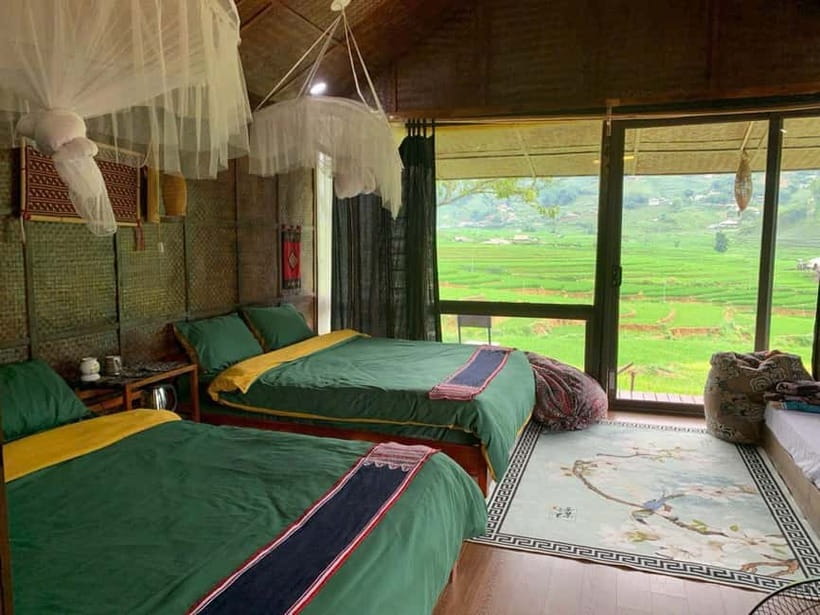
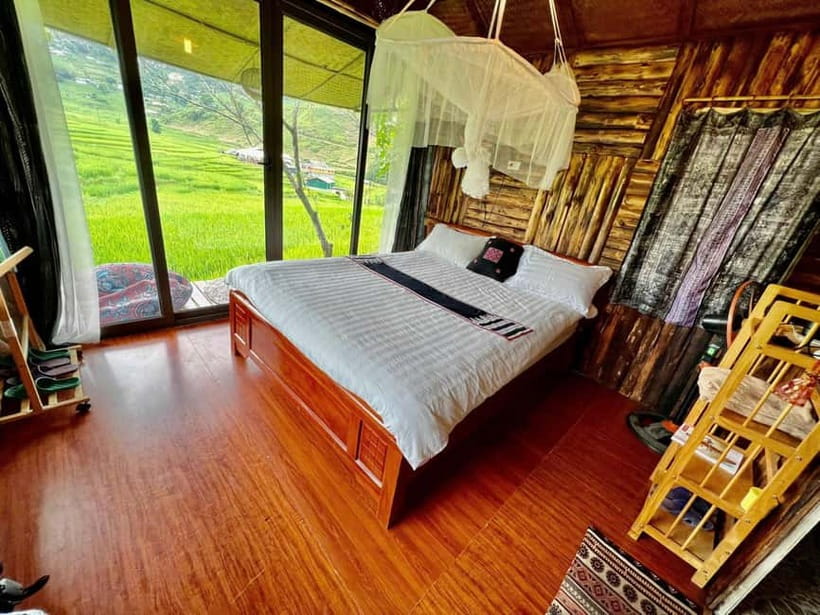
The star of the second half of Day 1 is the homestay in Ta Van. Sleeping in a village—not just visiting for an hour—changes how your experience lands. You’re there for daily rhythm: meals, quiet moments, and the chance to ask questions when the group isn’t sprinting to the next photo spot.
You’ll have time to participate in a cooking class after you settle back in (the itinerary specifically includes making Vietnamese spring rolls). This is more than a fun activity. It’s a practical way to understand what ingredients matter, how preparation works, and how local cooking fits into daily life. Even if you’re not a kitchen person, it’s one of those low-pressure cultural moments where you can contribute a little and learn a lot.
Dinner is included, and the tour also includes meals through the schedule (breakfast, lunch, dinner). Since coffee and soft drinks aren’t included, you’ll probably want water handy and skip the extra add-ons if you’re watching your budget.
One thing I appreciate in this setup: the homestay block includes both rest and interaction. You’re not trapped in one long program. You can recover, freshen up, and then take part in evening activities at a comfortable pace. That’s also where guides tend to shine, because you’re no longer just moving. The tone becomes conversational.
And yes—this is where guide quality matters. In feedback associated with this tour, the guide name Mao Co comes up for her warmth and clarity, including the kind of family-and-culture stories that make a homestay feel personal instead of staged.
Day 2: Giang Ta Chai and the Red Dao communities
Day 2 starts with breakfast at 7:00 AM, then trekking begins at 8:00 AM. You’re looking at an 8 km hike to Giang Ta Chai, described as a Red Dao village. The trail takes you through two Red Dao communities, so you’re seeing more than one neighborhood and not just passing through a single stop.
Why this section is worth it: it keeps the second day from being a repeat of Day 1. You’re in a different ethnic community context, which means different everyday details—how people arrange their spaces, how they move through routines, and how the guide helps connect what you’re seeing to local life.
You’ll have lunch around 12:00 PM at a local restaurant, then time to rest. That rest is important because your body will already be working from the morning hike. If you’ve got any ankle stiffness from Day 1, this downtime can be the difference between feeling okay and feeling wiped.
Then it’s back to Sapa by car at 2:00 PM, and you board the sleeper bus for Hanoi between 3:00 and 3:30 PM. Arrival in Hanoi is around 9:30 PM on Tran Quang Khai Street, which is a handy end point for getting moving again.
This day is designed like a loop: trek early, eat mid-day, recover, then ride back before you’re too exhausted. It’s an efficient structure that protects your energy without turning the tour into a grind.
Fitness, weather, and what to pack for a 15 km trekking plan
This route is not a stroll. The itinerary calls the hike moderate-high fitness because you’ll cover about 9 miles (about 15 km) total across the two days. The numbers are helpful, but the more important part is the terrain. Expect uneven paths, changes in elevation, and walking that can feel longer than the distance on a map.
Here’s what you’ll want to do to make it easier:
- Wear comfortable shoes or hiking shoes you already trust.
- Bring rain gear and sunscreen. Weather can change quickly in the north.
- Pack water and a hat for sun exposure.
- Use biodegradable insect repellent (the tour specifically mentions it).
- Carry your passport or ID card.
Also, this tour isn’t suitable for pregnant women, wheelchair users, or people over 95 years. That’s not a judgment—just a reality of trekking routes and homestay conditions.
If you’re on the fence fitness-wise, use this simple test: you should be able to do a sustained walk at a steady pace without needing frequent long breaks. The itinerary includes rests, but you’ll still be hiking most of the morning blocks.
And if you’re someone who gets cold easily at night in Vietnam’s north, remember you’ll be in a sleeper bus and then outdoors early. A light layer in your daypack can save you.



Price and logistics: what $75 really buys you
At $75 per person for a 2-day tour, the value comes from the mix of costs that are already included. You’re paying for:
- Round trip sleeper bus Hanoi ↔ Sapa
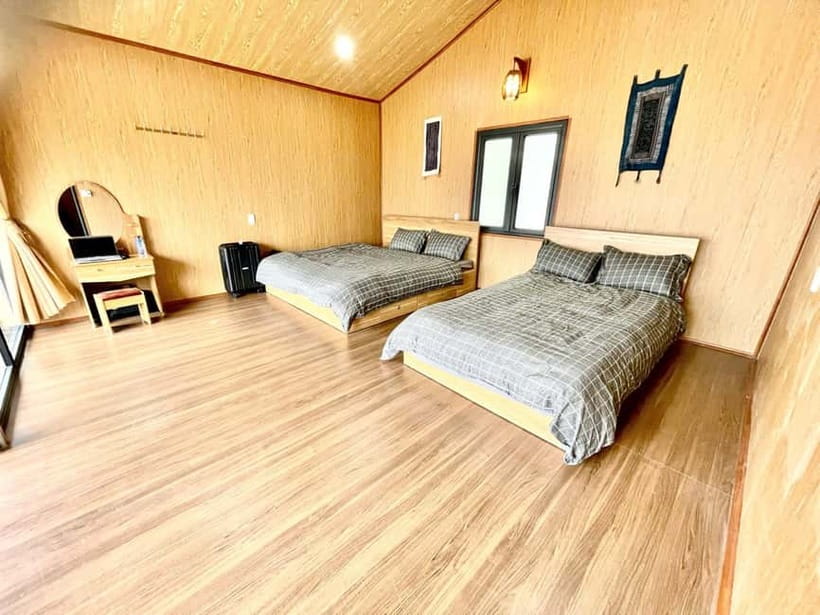
- 1 night homestay in Ta Van
- Guide and scheduled sightseeing tickets
- Meals across the itinerary
What’s not included is also clear: coffee and soft drinks, and insurance. That means if you’re the type who adds lots of drinks or snacks, your final spend can creep up. But even with that, the baseline price covers the big chunks that often inflate short trips.
The other value driver is group size. With a limit of 12 participants, you’re not stuck with a huge herd. That often translates into smoother timing when you reach villages and when the group needs to wait for everyone to arrive at the next point.
Finally, the overnight plan matters. Many Sapa tours either rush you or make you pay for extra nights. This one folds the transport into the experience, so you get more walking time and less downtime spent figuring out logistics.
Who this trek suits best (and who might want a different plan)

This tour fits best if you want:
- A small-group guide experience in English
- A homestay you can actually enjoy, not just check off
- Village walking that includes both Black H’mong and Red Dao areas
- A structured schedule with meals built in, so you don’t waste time hunting food
You might want to look for another option if:
- You dislike early starts or any night bus travel
- Your fitness level can’t handle a moderate-high hike around 15 km total
- You need wheelchair-friendly routes (this isn’t built for that)
If you’re a solo traveler, the small group format can feel friendly without being overwhelming. And if you love travel details—like understanding village life through cooking, conversation, and walking routes—this schedule gives you enough “in-between” time to ask questions.
Should you book this Sapa 2-day homestay trek?
If you’re aiming for a Sapa experience that’s more than viewpoints, I think this is a solid pick. The combination of Y Linh Ho + Lao Chai on Day 1, a Ta Van homestay with spring roll cooking, and a Giang Ta Chai Red Dao hike on Day 2 gives you variety without losing structure.
Book it if you can handle the hiking effort and early transport. Pass if you’re hoping for an easy day with minimal movement. For the right fit, it’s the kind of trip where the memories come from people, footsteps, and simple meals—not just a postcard view.
FAQ
What is the meeting point in Hanoi?
You’ll be picked up around 15 minutes before the scheduled time at either Hanoi Capsule Station (22 Tran Nhat Duat, Dong Xuan, Hoan Kiem) or your hotel/hostel in Hanoi Old Quarter.
What time does the sleeper bus depart from Hanoi?
The tour starts at 9:30 PM in Hanoi.
What time do you arrive in Sapa, and what happens first?
The bus arrives around 4:00 AM. You can rest until 6:00 AM, then you have breakfast and begin Day 1 trekking.
How long and how far is the hiking?
The trek is about 15 kilometers (about 9 miles) total over two days, and it’s rated moderate-high fitness.
Where do you stay overnight?
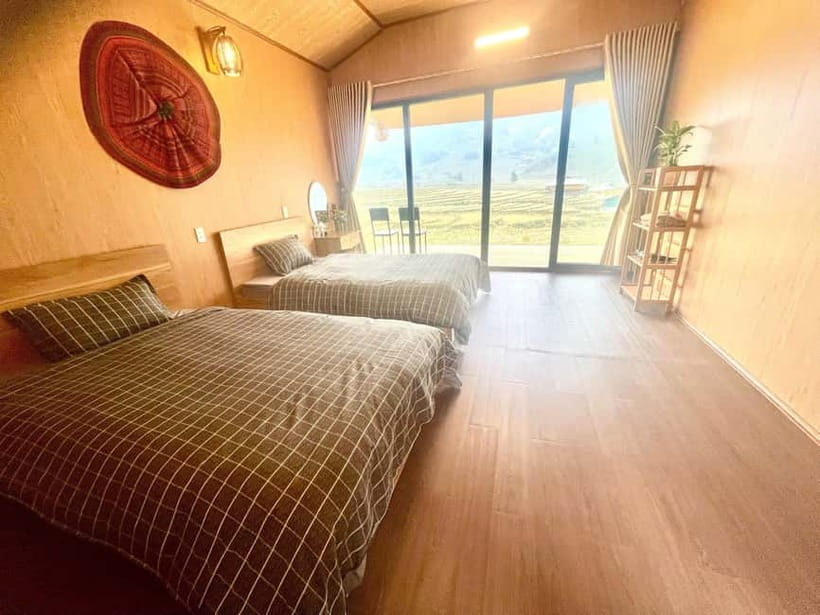
You stay 1 night in a homestay in Ta Van village.
What meals are included?
Meals are included across the itinerary, including breakfast, lunch, and dinner. Coffee and soft drinks are not included.
What language is the guide?
The tour includes a live English-speaking guide.
Who is this tour not suitable for?
It’s not suitable for pregnant women, wheelchair users, or people over 95 years.
Can I cancel and get a refund?
Yes. There’s free cancellation up to 24 hours in advance for a full refund.