REVIEW · MARRAKECH
Mt Toubkal Trek 2 days
Book on Viator →Operated by EASYGO TOURS · Bookable on Viator
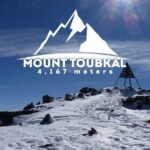
Toubkal gets under your skin fast. This two-day trek from Marrakech to the highest peak in North Africa (Toubkal, 4168m) is interesting because you get real mountain time without a long, complicated travel day. I also love how it threads through Berber villages and stops by the Sidi Chamharouch marabout before the real climbing begins.
What I like most, though, is the human side of it: an English-speaking guide plus a cook, and muleteers to handle luggage so you can focus on your legs. In the guide support, I kept seeing the same names come up, including Lahcen as the organizer and guides such as Mohamed, Khalid, and Smain, with a strong theme of patient pacing for different fitness levels.
One thing to consider: this trip needs good weather and you should come with moderate physical fitness. If weather shuts things down, the operator may swap dates or offer a full refund, which is smart—but it means you should stay flexible.
In This Review
- Key highlights that matter on the ground
- Why Toubkal Works as a 2-Day Trek from Marrakech
- Meeting in Jemaa el-Fna: The day starts easy, not complicated
- Day 1 from Imlil: Villages, altitude breathing, and your first overnight
- The Sidi Chamharouch stop: Culture on the way up
- Day 2: Sunrise on Toubkal and the return down to Imlil
- Guides and pacing: English support plus real patience
- Neltner mountain hut: What the overnight actually means
- Price and value: Is $210 fair for a summit trek?
- Fitness, age, and what to bring (without guessing the details)
- Vegetarian option and dietary needs
- Cancellation and weather: Plan like a mountaineer, even if you’re not
- Who should book this Mt Toubkal trek?
- Should you book this Mt Toubkal Trek with EASYGO TOURS?
- FAQ
- What time does the Mt Toubkal trek start?
- Where do I meet and where does the tour end?
- Is the tour really about 2 days?
- How many people are in the group?
- Is there an English-speaking guide?
- What meals and accommodation are included?
- Is there a vegetarian option?
- Is the trek suitable for beginners?
- What happens if weather is bad?
- How does cancellation work?
Key highlights that matter on the ground
- Sunrise summit timing for big mountain photos before the long descent
- Berber villages + Sidi Chamharouch marabout for culture alongside altitude
- Small group size (max 11) so the day doesn’t feel chaotic
- Neltner mountain hut sleep in the Toubkal refuge area for a true overnight
- Mules for luggage so your pack stays reasonable
- English-speaking guide and cook with vegetarian option if you plan ahead
Why Toubkal Works as a 2-Day Trek from Marrakech
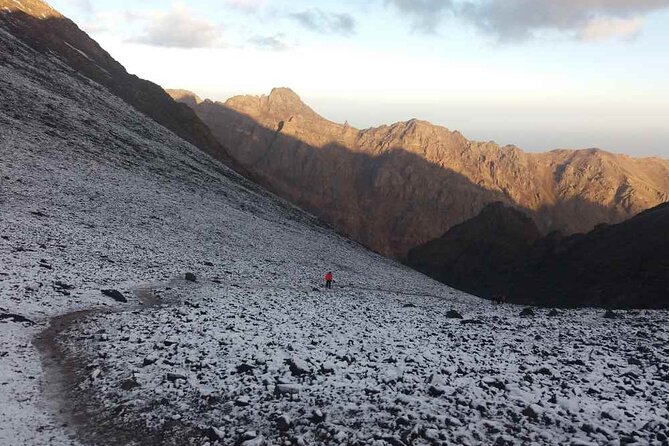
Mt Toubkal is the tallest mountain in North Africa, and that alone pulls people in. What makes this specific trek work well is the short hop from the city to the trail area. You leave Marrakech early around 8:00am, then shift gears from streets to High Atlas mountain life before the first real climb day even starts.
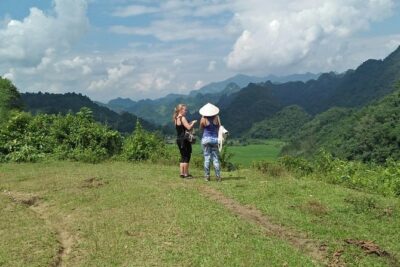
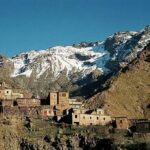
You’re also not just chasing a summit number. The day-one route moves through villages like Armoud and includes a stop at the Sidi Chamharouch marabout, which gives the experience more texture than a straight-up hike. That mix matters on a two-day schedule: it prevents the trip from feeling like a single long line to the top.
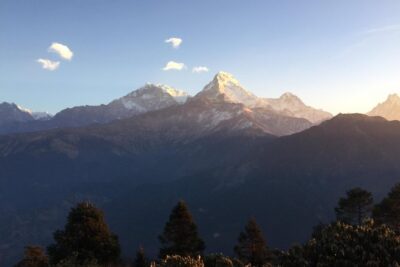
And yes, the views from the summit matter. The trip is built around a final push timed for sunrise from the top, then you return toward the refuge and back down to Imlil. If you like your mountains with a story—village-to-hut-to-summit—this fits that mood.
You can also read our reviews of more tours and experiences in Marrakech.

Meeting in Jemaa el-Fna: The day starts easy, not complicated
You meet at Jemaa el-Fna (Jamaâ El-Fna), Marrakech 40000 at 8:00am. That’s a good setup if you’re staying in or near the medina area, since you’re not trying to find some remote starting gate.
The tour ends back at the same meeting point, which is one less logistical headache at the end of an exhausting day. It also helps with timing: when you’re done hiking, you’re not hunting for a new ride or figuring out a pickup window.
The trip uses a mobile ticket, and you’ll get confirmation at booking time. That sounds minor, but on Morocco days—when plans can shift due to weather or traffic—having your basics squared away helps.
Day 1 from Imlil: Villages, altitude breathing, and your first overnight
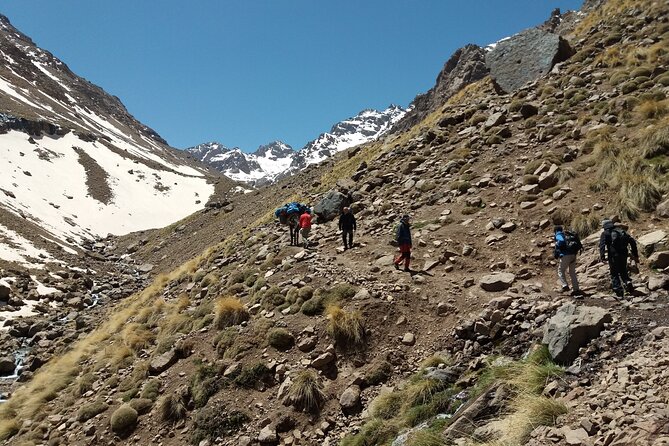
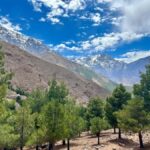
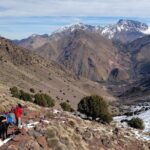
Your first day begins with a drive out of Marrakech toward the High Atlas region. When you reach Imlil village, you leave the vehicle and start walking, crossing the village of Armoud before reaching the Toubkal refuge area at the foot of the mountain.
This is the part of the trek where pace and packing decisions really show. You’re on the move for about 4 hours on the Imlil-to-refuge segment, and the trip is designed so you don’t arrive at camp crushed. Dinner and your overnight happen at the refuge area, with accommodation at the Neltner mountain hut.
Here’s why I like how this first day is structured: it gives you time to get your body used to the climb rhythm without forcing a summit day immediately. It also sets up the second day as the real challenge—sunrise, then the summit push—rather than making everything one long, exhausting slog.
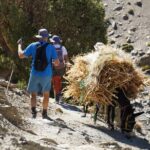
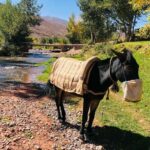
Another practical detail: the tour includes muleteers and mules for luggage. That means you can keep your personal load more reasonable. On a two-day trek, that difference can be the whole game.
Food-wise, you’re not left guessing. Dinner is included on day one, and you’ll also get breakfast for the second day. Even though menus can vary from place to place, the point is you don’t need to carry extra meals through the hardest part of the hiking schedule.
The Sidi Chamharouch stop: Culture on the way up
One of the highlights listed for this trek is Sidi Chamharouch marabout, alongside Berber villages. Even if you’re mainly trekking for the mountain, this kind of stop helps the two days feel anchored in place instead of just moving through scenery.
A marabout is a religious shrine tied to local tradition, and in Morocco these stops often give you a quick window into how people live, pray, and mark important sites. It’s also a reminder that this trek isn’t happening in a vacuum. The trail runs through a human landscape as much as a physical one.
If you like short cultural moments you can actually reach during a hike—not just a long drive to a monument—this is a nice balance.
Day 2: Sunrise on Toubkal and the return down to Imlil
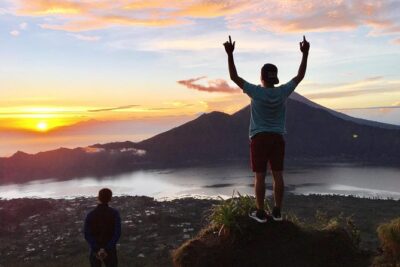
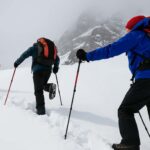
Day two is the payoff. You start early so you can reach the top in time for sunrise. That early start matters, because it changes the feel of the summit: less crowds, softer light for photos, and a sharper sense of accomplishment before the long return.
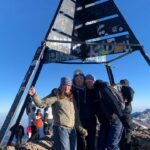
Once you arrive, you get time to take breaks and enjoy the view from Toubkal’s height. The trek description focuses on watching the sunrise from the summit, then taking photos and soaking in the moment before turning back toward the refuge.
After the summit experience, the plan shifts to recovery and motion. You return to the refuge, then continue down to Imlil village where you meet the vehicle and drive back to Marrakech, dropping you at your hotel.
On a two-day trek, the descent can feel longer than the climb. The good news is the tour has support built in: you’re not on your own, and you’re heading back to a known endpoint with included meals along the way.
Lunch is included twice, and you’ll have your second-day breakfast before the big climb. So you’re not trying to stretch energy with a random snack purchase mid-route.

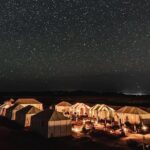
Guides and pacing: English support plus real patience
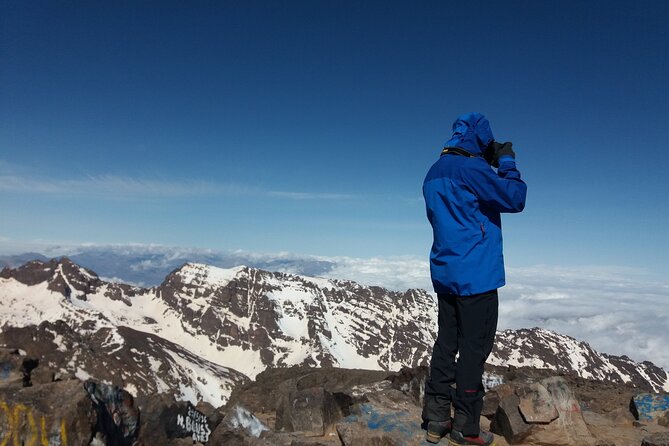
This is the part of the trek that people remember, and it shows in the pattern of names linked to the experience: Lahcen for organizing, and guides like Mohamed, Khalid, and Smain. The common thread is support and pacing—especially for hikers who might not be sprinting uphill like a movie hero.
The tour includes an English-speaking guide and cook, and there’s also the note that it may be multi-lingual depending on operations. Either way, you get someone responsible for timing, route decisions, and keeping the group moving together.
Why this matters for you: on Toubkal, the biggest risk isn’t getting lost. It’s pushing too hard too soon. A guide who adjusts the pace for different hikers helps keep the group together and improves the odds that more people reach the summit safely and confidently.
Neltner mountain hut: What the overnight actually means
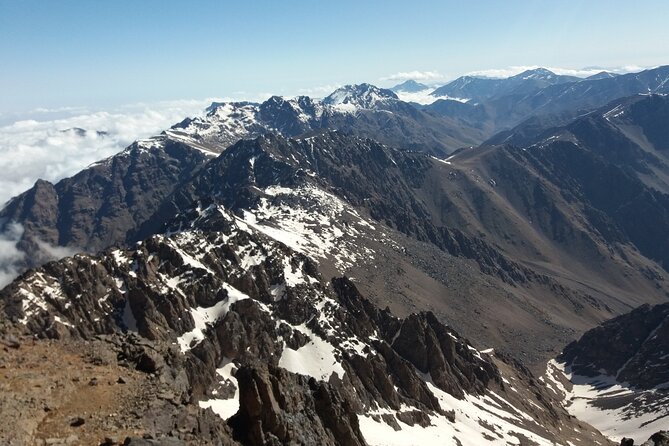
You sleep at the Neltner mountain hut in the refuge area. That choice is part of what makes this trek realistically doable in two days for most visitors with moderate fitness.
A hut overnight means you’re not commuting back and forth between trailheads. You get to settle, eat, and wake up already in the mountain rhythm. That’s a major value point for a short trek: it reduces stress and makes the sunrise plan possible.
Also, since dinner and breakfast are included, you don’t need to manage your own meal logistics in the middle of the mountains. On a two-day itinerary, that’s huge.
Price and value: Is $210 fair for a summit trek?
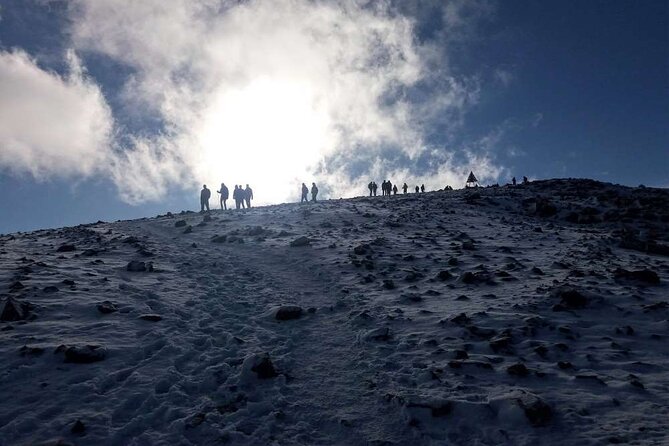
At $210 per person for roughly two days, the value comes from what’s bundled.
You’re paying for:
- An English-speaking guide and cook
- Mule support for luggage (muleteers and mules are included)
- Accommodation at the Neltner mountain hut
- Meals: dinner, breakfast, plus two lunches
- Transport from Marrakech to Imlil and back, finishing at the same meeting point
- A free admission ticket tied to Imlil timing on day one
When people think about trek pricing, they often focus on the hike itself. But on the ground, the cost drivers are usually food, guide labor, and getting everyone and everything to the hut safely. Here, those pieces are covered.
This trip also has a maximum of 11 travelers, which often translates to more manageable group dynamics than large bus-style tours. A smaller group can also help with pacing, since the guide has fewer people to manage.
If you’re counting every expense, note what’s not included: travel insurance, plus tips and personal expenses. For many people, insurance is a must simply because mountains are mountains, and plans can change due to weather.
Fitness, age, and what to bring (without guessing the details)
The tour asks for moderate physical fitness, and it sets a minimum age of 18. That’s a straightforward filter.
In practice, you’ll want to be comfortable with sustained uphill walking and doing it early in the day again. This is where pacing matters, and the guide support is designed to help different fitness levels get through together.
The data doesn’t list gear requirements like boots or layers, so I’ll keep this practical: treat the summit day as cold-and-windy potential at altitude, and dress in layers you can adjust. Even without exact temperature specs from the trip details, mountain mornings can be harsh on exposed paths.
Also, plan your personal pack accordingly. With mules handling luggage, your daypack should focus on the items you’ll reach for during the hike.
Vegetarian option and dietary needs
A vegetarian option is available if you tell the operator when booking. That’s good to know, because many mountain treks assume you’re fine with whatever meal is available at the hut.
If you have other dietary needs beyond vegetarian, the safest move is to contact the provider before booking and ask how they’ll handle it. The tour data only confirms the vegetarian option, not other restrictions.
Cancellation and weather: Plan like a mountaineer, even if you’re not
This trek requires good weather. That’s not a small footnote; it affects whether you can climb as scheduled. If it’s canceled due to poor weather, you’ll be offered a different date or a full refund.
There’s also a minimum number of travelers required. If that minimum isn’t met, you’ll get an alternative or full refund as well.
So the real travel advice here is to keep your Marrakech dates flexible if you can. Two-day mountain plans can shift, and you’ll feel better if your itinerary gives you room to absorb changes.
Who should book this Mt Toubkal trek?
This is a great match if you:
- Want a real mountain summit without spending a week on the road
- Enjoy early starts and sunrise experiences
- Want village life mixed into your hike, not just trail time
- Prefer a small group with mules and solid guide support
It may not be ideal if you:
- Don’t want to deal with potential weather-related date changes
- Are looking for a fully accessible trek with no physical demands (moderate fitness is required)
- Need a tour that runs regardless of conditions
Should you book this Mt Toubkal Trek with EASYGO TOURS?
If you want the shortest route to the top of North Africa’s highest peak, this two-day format makes a lot of sense. The best reasons to book are practical: meals, hut lodging, guide support in English, and mule luggage help, all wrapped into a small-group schedule with a true sunrise plan.
The main reason to hesitate is also practical: weather matters, and you’re paying for a mountain experience that can change on mountain time. If you can stay flexible and you have moderate fitness, this trek is a strong choice.
My take: it’s the kind of trip that feels both earned and efficient. You spend two days in the mountains, you get culture along the way, and you come back with sunrise-at-the-top memories that don’t need a thousand photos to prove they happened.
FAQ
What time does the Mt Toubkal trek start?
The start time is 8:00am at Jemaa el-Fna in Marrakech.
Where do I meet and where does the tour end?
You meet at Jemaa el-Fna, Marrakech 40000, Morocco, and the activity ends back at the same meeting point.
Is the tour really about 2 days?
Yes, the duration is listed as approximately 2 days.
How many people are in the group?
The trek has a maximum of 11 travelers.
Is there an English-speaking guide?
Yes. The tour includes an English-speaking guide and cook, and it may also be run by a multi-lingual guide.
What meals and accommodation are included?
Dinner and breakfast are included, plus two lunches. You also get accommodation at the Neltner mountain hut.
Is there a vegetarian option?
Yes, a vegetarian option is available. You need to advise the operator at the time of booking.
Is the trek suitable for beginners?
The trek is for people with moderate physical fitness. It also has a minimum age of 18.
What happens if weather is bad?
The experience requires good weather. If it is canceled due to poor weather, you will be offered a different date or a full refund.
How does cancellation work?
Free cancellation is available up to 24 hours in advance for a full refund. If you cancel less than 24 hours before the start time, the amount paid is not refunded.