REVIEW · POKHARA
2 Days Very Short Poon Hill Trek from Pokhara
Book on Viator →Operated by CAN Travels · Bookable on Viator
Sunrise on Poon Hill is a time machine. In 2 days you’ll hike from Pokhara’s edge into the Annapurna foothills, then watch the peaks light up; I love the Poon Hill sunrise most, and I also like how guides such as Amrit (and sometimes Biru) explain the culture and mountain geography as you walk. The main thing to watch is weather—clouds can steal some or all of the sunrise.
If you’re short on time, this trek is built for you. You’ll get a mix of mountain scenery, village passing, and a simple overnight in a guest house—no marathon planning required. I also like that the tour includes trekking poles, permits, and a guide with a basic first-aid kit, so you can focus on the walk instead of paperwork.
One more practical note: this is a moderate fitness trek. The days are short, but the climbs (especially for sunrise) still ask for steady legs.
In This Review
- Key things to know before you go
- Two Days, One Sunrise: What This Poon Hill Trek Really Delivers
- From Pokhara to the Trail: How the Route Fits a Tight Schedule
- Day 1: Ghorepani Walk, Village Feel, and a Practical Guest-House Night
- The Ghorepani overnight: what to expect
- A small tip that pays off
- Day 2: The Poon Hill Climb, Sunrise Timing, and Peak Views
- Why sunrise on Poon Hill feels different
- If you miss sunrise, you still won’t be empty-handed
- Guide, Poles, and Safety: The Support You’re Paying For
- Trekking poles: small gear, big effect
- Price and Value at $220: What You’re Getting for Two Days
- One cost note to plan for
- How Hard Is It, Really? Fitness and What You Should Pack
- What to pack (based on what the schedule implies)
- Who This Trek Suits (and Who Might Want a Longer Plan)
- Should You Book This 2-Day Poon Hill Trek?
- FAQ
- How long is the 2-day Poon Hill trek from Pokhara?
- Is pickup and drop-off included?
- What’s included in the price of $220 per person?
- Is food included?
- What fitness level do I need?
- What is the cancellation rule?
Key things to know before you go
- Two days, one big payoff: sunrise at Poon Hill and big Annapurna-area views without a long trek commitment
- Guide support matters: a government-licensed English speaking trekking guide helps with safety, pacing, and mountain/culture talk
- Guest-house simplicity: you sleep in basic accommodations, not luxury lodges
- Permits and Poon Hill entrance included: less cost and hassle once you’re in Nepal
- Weather is the wildcard: if it’s cloudy, you may get dramatic mountains without the full sunrise show
Two Days, One Sunrise: What This Poon Hill Trek Really Delivers
This is a short trek that still feels like a real mountain experience. You’re not stuck in a vehicle all day, and you’re not doing a weeks-long commitment either. The rhythm is simple: walk into position, sleep near the trails, then climb for the early sunrise moment.
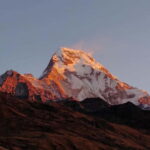
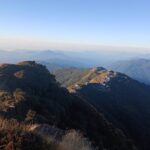
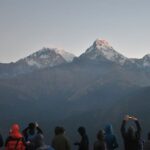
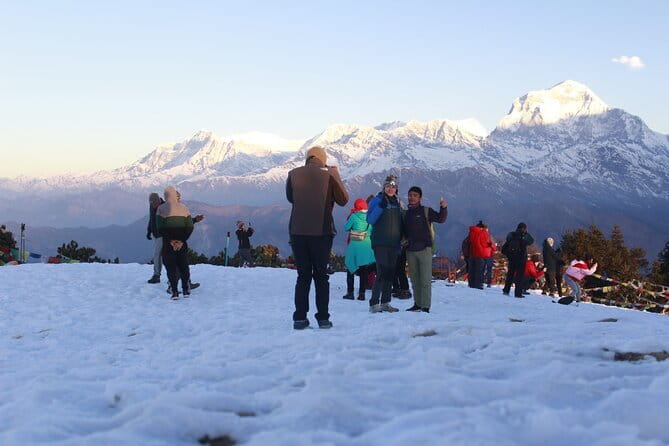
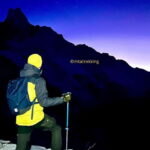
The star is Poon Hill. From there, you get broad views across the Annapurna region. The goal isn’t just pretty scenery—it’s the lighting and timing. Early hours bring the sharpest contrast: dark ridgelines, then a change as snow starts catching light. If the sky cooperates, it’s the kind of view that makes your camera feel too slow.
The second payoff is how much you learn while you walk. In the best cases, your guide (people like Amrit and Biru showed up in past experiences) doesn’t just point at mountains. They translate what you’re seeing—names, direction, and what the landscape means locally. That kind of explanation turns the trail from exercise into context.
What I like most, though, is that the trek is structured for short attention spans and busy calendars. Two days is enough to feel you got out of the city and into the mountains, without turning your whole vacation into one long trek.
You can also read our reviews of more tours and experiences in Pokhara.
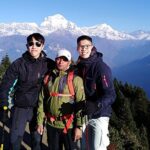
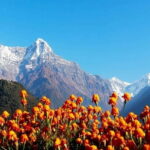
From Pokhara to the Trail: How the Route Fits a Tight Schedule
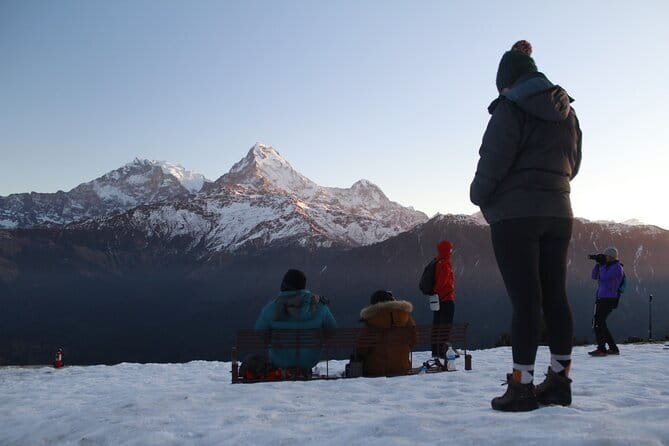
You’ll start in Pokhara with pickup and drop-off included. From there, you ride toward the trail access area—via scenic mountain views, rivers, and green fields along the way.
This matters more than you might think. A short trek lives or dies by logistics. If you’re doing only two days, you want the driving done efficiently and the walking focused on the right sections. Here, the day one movement is planned so you can actually reach the Ghorepani area and settle in.
The included transfers cover travel between Pokhara and the higher starting point area, including Pokhara to Ulleri to Pokhara using shared jeep or bus. You’re not left coordinating everything at the last minute, which is a big comfort factor when you’re working with limited time.
Also keep in mind: mountain roads can be slow and bumpy. Even when the schedule is tight, it’s still Nepal-style road travel. I’d mentally budget a little extra patience for the ride, especially in rain or off hours.
Day 1: Ghorepani Walk, Village Feel, and a Practical Guest-House Night
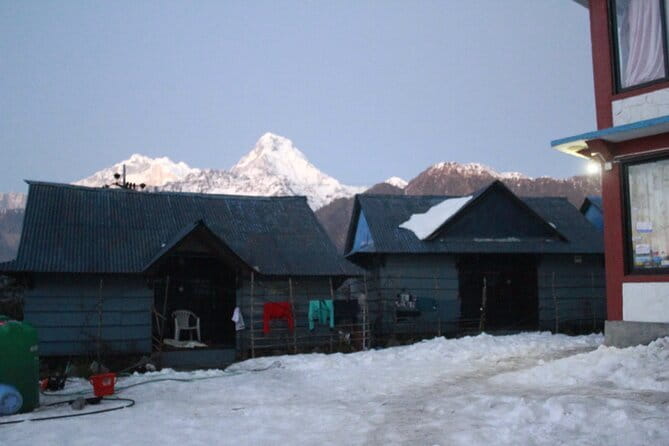
Day one is built to get you from lowlands to the Ghorepani area with enough energy left to enjoy your evening. It typically runs about 7 hours including trekking and transit.
You’ll do a drive from Pokhara toward Nayapul, then start the walking portion. That first stretch has a useful purpose: it gets your body warmed up for the altitude feel without hitting you with a multi-day grind.
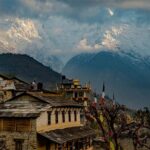
Along the way, you’ll pass through landscapes that can include rhododendron forests and village areas. Even in a short trek, these details matter. Rhododendron season changes the look of the trails, and village sections help you understand the rhythm of life people maintain in the mountains—tea, terraces, and guest houses that serve trekkers.
The Ghorepani overnight: what to expect
You’ll stay in a guest house. Translation: expect simple rooms, shared dining areas, and basics you can count on (warm-ish layers, beds that get the job done, and meals you can buy).
This overnight is the hinge point for day two. You’ll want to arrive with enough time to eat early, check the weather if you can, and get sleep so the sunrise climb feels manageable. In a short trek, there isn’t much buffer. If you’re planning layers, bring them with purpose.
A small tip that pays off
Plan to keep your valuables dry and organized. You’ll likely be moving between village areas and trail sections, and it’s easy to misplace things when your schedule is fast. A small day bag you trust is better than juggling pockets.

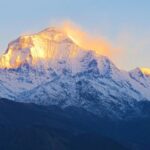
Day 2: The Poon Hill Climb, Sunrise Timing, and Peak Views
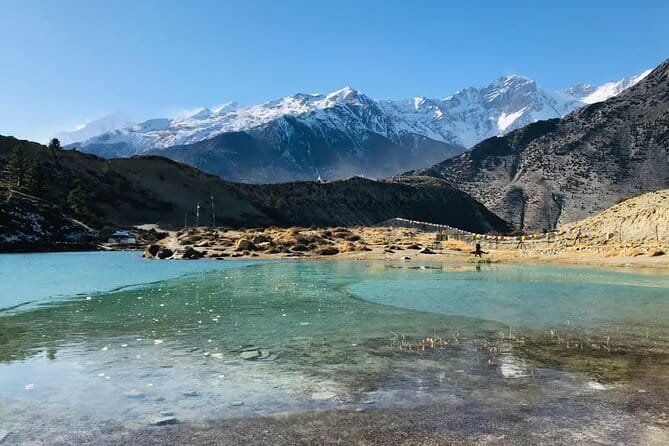
Day two is the highlight day, and it’s the one you’ll talk about later. It runs about 8 hours, and it centers on climbing to Poon Hill early enough for sunrise.
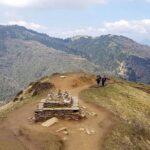
The basic flow is straightforward: climb up, reach the viewpoint area, watch the horizon change, then descend and wrap up the day’s trek before returning toward Pokhara.
Why sunrise on Poon Hill feels different
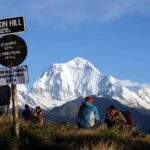
Sunrise is not just a pretty moment here. It’s the whole point of the trek. When visibility is good, you get that layered view effect—different ridges in different tones, snowlines that look sharper, and the way light changes quickly.
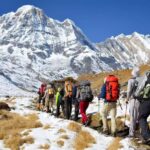
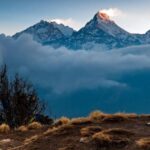
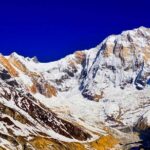
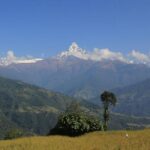
You’re aiming to see the Annapurna range with major peaks including Dhaulagiri and Machapuchare in the broader panorama. That combination is a big deal because you’re seeing multiple landmarks from one accessible viewpoint rather than chasing them across multiple days.
If you miss sunrise, you still won’t be empty-handed
A real consideration: clouds happen. One past experience in rainy season noted that sunrise didn’t show as expected, but the mountains still appeared between clouds at times. That’s the honest version: you might not get the full show, but you can still get dramatic mountain glimpses if the weather plays along intermittently.
So your goal should be flexible. Go for the whole experience, not a single minute of sunrise. If the sky cooperates, great. If not, at least you’re in position for the changing views.
Guide, Poles, and Safety: The Support You’re Paying For
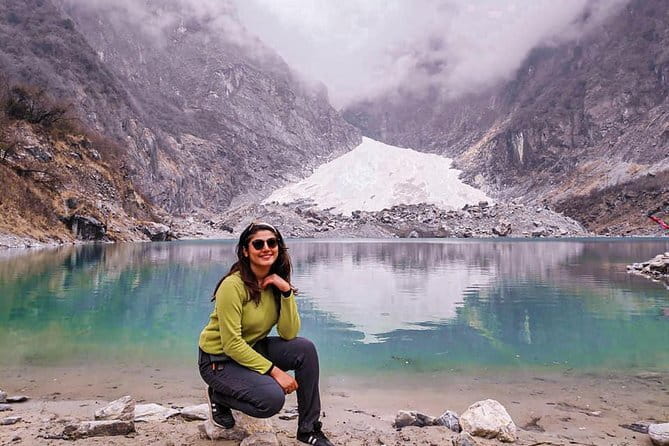
This trek includes a government-licensed English speaking trekking guide, plus an emergency normal first aid kit carried by the guide. It also includes trekking poles, with one per person.
That combination is worth real money on a short trek. When you compress time into two days, you need fewer mistakes. A good guide helps you keep a steady pace, prevent unnecessary stops, and stay aware on the steeper sections.
Based on guide-focused feedback from past travelers, the guides can also be a big part of the enjoyment. People have described guides like Amrit as supportive and attentive—checking comfort and safety during the walk. Another experience praised a guide named Biru for being funny, kind, and excellent, including explaining culture, nature, and mountain context.
Even when you’re physically capable, having someone who knows the rhythm of the route helps. You’re not guessing which way to go, and you’re not trying to interpret weather and timing alone at the last minute.
Trekking poles: small gear, big effect
Poles aren’t luxury on this kind of trek. They take pressure off knees during descents and make climbing feel more stable when the ground is uneven. If you’ve never used poles on a hike, this is a good place to try—short enough to learn, steep enough to notice the benefit.
Price and Value at $220: What You’re Getting for Two Days
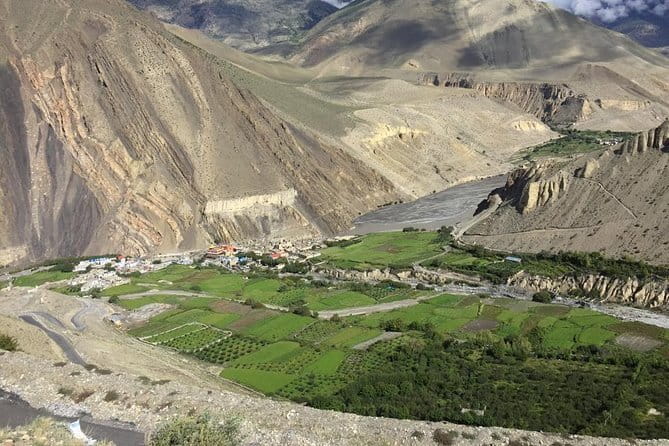
At $220 per person, this trek is priced like a full-service short adventure: not cheap like DIY hiking, but not “luxury trek” money either.
Here’s what’s included in the value calculation:
- Hotel pickup and drop-off
- Trekking permit and official documents
- A government-licensed English speaking guide
- Guest-house accommodation during the trek
- Entrance fees at Poon Hill
- Trekking poles per person
- Emergency basic first aid kit with the guide
- Private tour structure (only your group participates)
- Transport support via shared jeep or bus for Pokhara to Ulleri and back
Then what’s not included:
- Food and drinks (you’ll buy them along the way)
- Gratuities (optional)
For many people, the best value is the total package. You’re not paying separately for permits, guide, poles, and entrance—those add up fast if you try to assemble it yourself in a hurry.
Private tour also matters. Even if two days sounds short, having your own guide and group plan can reduce friction. It can make the sunrise timing less stressful, and it keeps the walk focused on your pacing.
One cost note to plan for
Because meals and drinks are not included, budget for daily food purchases. In the mountains, prices can be higher than in town, and you may end up buying more warm drinks than you planned. Bring some cash and expect to make simple choices: tea, dal bhat, noodles, and snacks.
How Hard Is It, Really? Fitness and What You Should Pack
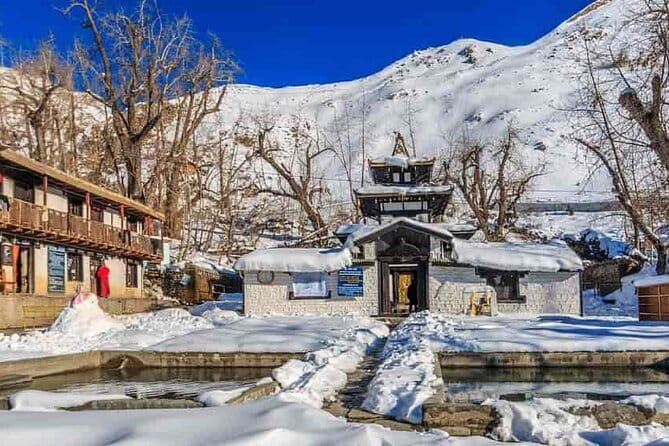
The trek is designed for moderate physical fitness. That means you don’t need to be a mountaineer, but you do need to handle uphill walking and early-morning climbing.
Two days doesn’t mean “easy.” You’ll still cover real elevation, especially on the sunrise climb. The best mental strategy is steady pace. Don’t race the first half. Save your effort for the time when the light is changing and your legs are starting to ask questions.
What to pack (based on what the schedule implies)
Your biggest needs are comfort and warmth:
- Layered clothing for cool early hours (sunrise starts before comfortable daylight)
- A rain shell if weather turns (rain season can bring low clouds)
- Good shoes with grip for uneven trail sections
- A small day bag to keep essentials accessible
Because the trek uses guest houses, you’ll be returning to basic rooms each night, so you don’t need a fancy camping setup. But you do need clothes you can handle moving from cool mornings to warmer midday conditions.
Who This Trek Suits (and Who Might Want a Longer Plan)
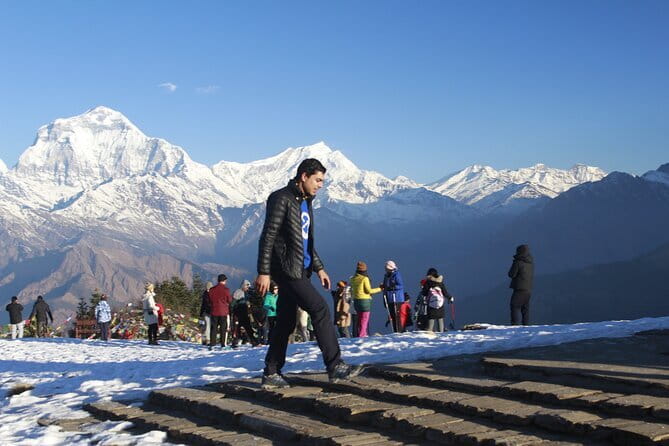
This 2-day Poon Hill trek is ideal if:
- You want a real Annapurna-area experience without weeks of hiking
- You’re traveling through Pokhara and want a focused mountain add-on
- You like guided explanations and don’t want to manage permits or route details yourself
- You can walk steadily for several hours and handle an early morning climb
It may feel tight if:
- You want lots of time for long village wandering or slow photography sessions
- You don’t like early starts or steep sections, even when they’re short
- You’re hoping for maximum chance of clear sunrise every day (weather controls that)
If you’re the type who wants deeper trekking days and more time between viewpoints, you might consider a longer Annapurna trek later. But for a quick, guided taste of the Himalayas, this one hits the sweet spot.
Should You Book This 2-Day Poon Hill Trek?
If your goal is a short trek with a major payoff, I’d say yes. The included permits, guide, poles, entrance fees, and guest-house stay make it easier to trust the plan. And the strongest reason to book is the sunrise opportunity at Poon Hill paired with real mountain context from your guide—people like Amrit and Biru have shown how much that can shape the experience.
One last decision tip: be realistic about sunrise. If you’re flexible and you can enjoy the mountains even when clouds roll in, you’ll likely feel satisfied either way. Also, remember meals are on you—so plan a simple budget for food and warm drinks.
If you want a reliable two-day mountain break from Pokhara, this is a strong choice. Just make sure your fitness matches the moderate climb and that you bring layers for early, chilly hours.
FAQ
How long is the 2-day Poon Hill trek from Pokhara?
The trek is about 2 days total, with day one around 7 hours and day two around 8 hours.
Is pickup and drop-off included?
Yes. Hotel pickup and drop-off are included.
What’s included in the price of $220 per person?
Included items are hotel pickup and drop-off, trekking permit and official documents, a government-licensed English speaking guide, guest-house accommodation, trekking poles for each person, an emergency first aid kit with the guide, entrance fees at Poon Hill, and Pokhara to Ulleri to Pokhara round-trip transfer by shared jeep or bus. Private tour is also included.
Is food included?
No. Food and drinks are not included, but you can purchase them along the way.
What fitness level do I need?
You should have a moderate physical fitness level.
What is the cancellation rule?
You can cancel for a full refund up to 24 hours before the experience starts. If you cancel less than 24 hours before, the amount you paid is not refunded.