REVIEW · ANCHORAGE
Matanuska Glacier Ice Fall Trek
Book on Viator →Operated by Planet Earth Adventures, LLC · Bookable on Viator
Matanuska Glacier looks one way from the road and another up close. This guided Ice Fall trek from Anchorage is built around hands-on glacier walking and real-time route changes, so you get instruction as conditions shift. Two things I really like: you spend about 3 hours on the ice with crampons, and the guide helps you see glacier features like crevasses and bright blue ice in a way that actually clicks.
The main thing to consider is the physical piece. You’ll be on crampons for a few hours, and the tour asks for moderate fitness—plus it doesn’t stop for a full lunch, so you’ll want to plan for light snacks and bottled water instead.
In This Review
- Key highlights at a glance
- Why the Matanuska Ice Fall Trek Feels Different Than a Scenic Stop
- What You Actually Do on the Glacier (3 Hours of Crampons and Care)
- Crevasses, Seracs, and Blue Ice Up Close
- Getting to Matanuska: Meeting Point, Timing, and a Full Day Schedule
- Equipment and Snacks: What’s Covered and What You Still Need
- Price and Value: Is $299 Fair for a 7-Hour Guided Ice Trek?
- Who This Trek Suits Best (And Who Might Choose a Private Option)
- Weather and Day-Of Conditions: The Glacier Sets the Plan
- Should You Book the Matanuska Glacier Ice Fall Trek?
- FAQ
- What’s the total duration of the Matanuska Glacier Ice Fall Trek?
- Where do I meet for the tour?
- What time does the tour start?
- Is hotel pickup and drop-off included?
- What equipment is provided for the glacier trek?
- Are snacks and drinks included?
- Is there a minimum age for the tour?
- What’s the maximum group size?
- What language is the tour offered in?
- What happens if the weather is poor?
Key highlights at a glance
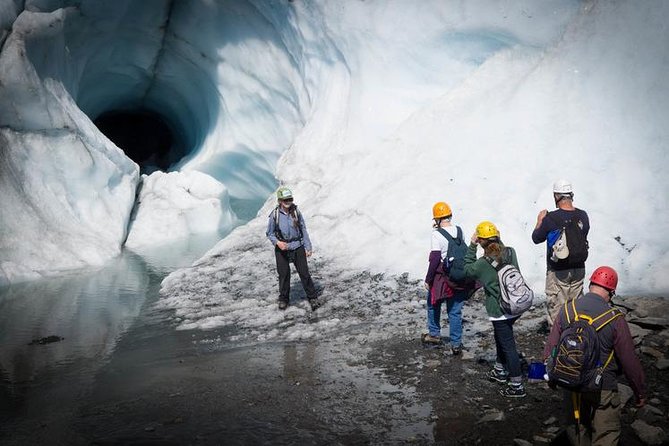
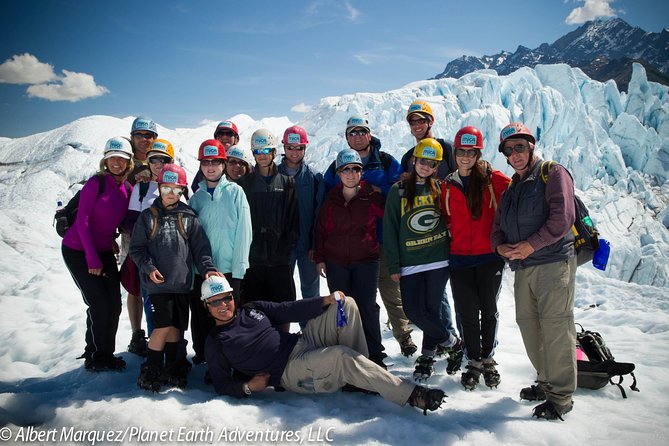
- Crampon-guided walking on the glacier with a professional guide and helmet included
- Real glacier features you can see up close, like crevasses, seracs, and ice formations
- 3 hours on the ice inside a longer 7-hour day that includes transport and fitting up
- Small group size with a maximum of 11 travelers
- Route adjusts daily based on conditions and your group’s abilities
Why the Matanuska Ice Fall Trek Feels Different Than a Scenic Stop
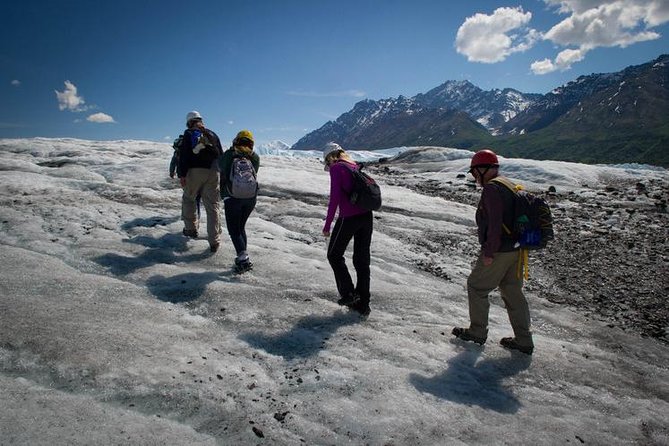
If you’ve ever done the classic glacier photo-from-the-bus thing, this is a different category. The value here is not just getting to the Matanuska Glacier—it’s learning how to safely walk on it, then using that skill to actually notice the details that make glaciers fascinating.
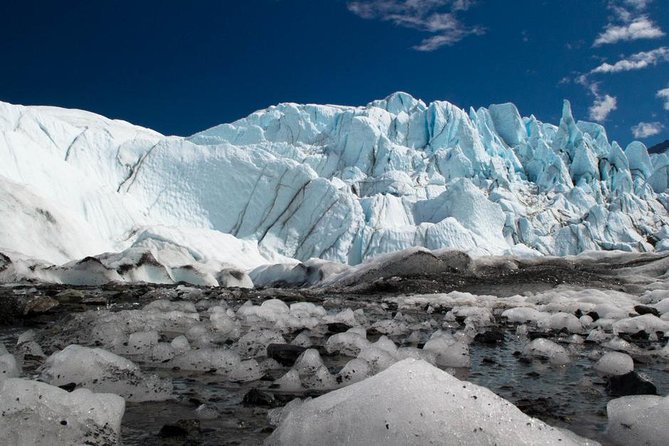
One big plus is the close-up focus. You’re not rushing past views; you’re on foot, close enough to understand what you’re looking at: fractures in the ice (crevasses), chunky ice towers (seracs), and the color shift that happens when light hits glacier ice at certain angles. On the day, a good guide turns those into a story you can follow.
And you’ll feel the difference in guide quality. In the reviews I read, guides including Morgan, Arthur, and Albert were praised for professionalism and clear glacier knowledge, and for making the handoff to the glacier trek smooth.
The other practical win: hotel pickup and drop-off are included, so you’re not stuck figuring out logistics at 7:00 am.
You can also read our reviews of more tours and experiences in Anchorage.
What You Actually Do on the Glacier (3 Hours of Crampons and Care)
Your day starts early. You meet at the William A. Egan Civic & Convention Center at 555 W 5th Ave in Anchorage at 7:00 am, then you’ll be picked up and transported as part of the tour flow. The total experience runs about 7 hours, with the glacier walking itself lasting about 3 hours.
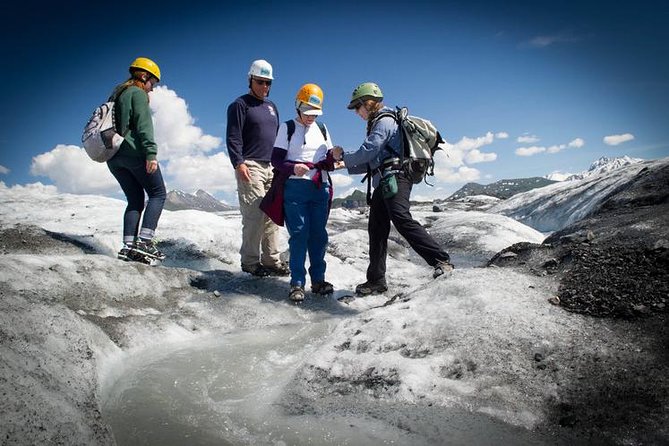
Once you arrive, you strap on crampons and get a helmet for safety. Your guide provides instruction for walking on ice. That matters because glacier ground is uneven, and the route depends on conditions of the day and the abilities of your group. In other words, the tour isn’t a fixed checklist where everyone follows the same path no matter what the glacier is doing.
What you should expect from the walking time:
- You’ll move with a guide who is watching footing and adjusting the path.
- You’ll spend time exploring glacier features where the terrain is accessible that day.
- You’ll come away with photos, but also with a basic sense of how glaciers form and change.
This is also a good tour if you like structure. You’re not just wandering; you’re following guided instruction, then getting time to look and learn.
Crevasses, Seracs, and Blue Ice Up Close
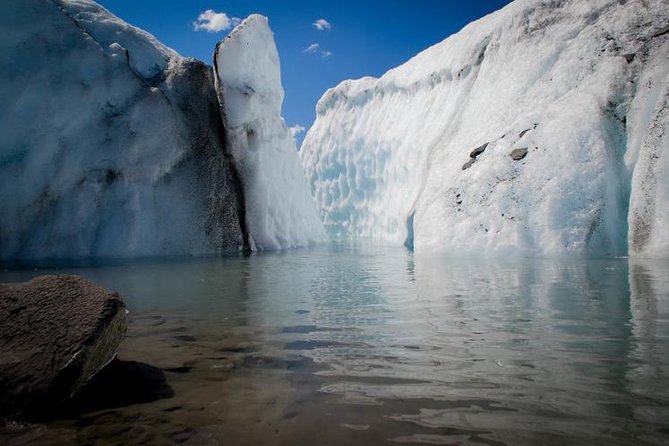
The glacier is always changing, and that’s part of the magic. On this trek, your guide brings you close to features like crevasses, seracs, and ice formations. Even if you’re not a science person, you can still see patterns once you know what to look for.
Here are the kinds of sights you’ll likely notice during the walk:
- Crevasses: deep cracks that can look impossibly thin from certain angles.
- Seracs: jagged, broken ice blocks that can form dramatic towers.
- Ice color shifts: striking blue tones that show up in certain exposed areas.
I like that the trek is designed around being close enough to actually see these things clearly, not just catch a glimpse. And because your route can shift based on conditions and group abilities, you’re more likely to have an experience that matches the day’s reality rather than forcing an ideal scenario.
Just remember: you’re on a living glacier. What’s visible, what’s accessible, and what the guide recommends can change.
Getting to Matanuska: Meeting Point, Timing, and a Full Day Schedule
This tour is built for a full day with early morning pickup. You’ll start at the William A. Egan Civic & Convention Center at 7:00 am, and the activity ends back at that same meeting point.
Hotel pickup and drop-off are included. Airport drop-off is also available at the conclusion of the tour. That’s a real convenience if you’re doing Anchorage as a base and need to connect to a flight later.
One logistics detail worth planning around: the tour does not stop for lunch. It includes light snacks and bottled water, but you won’t have a dedicated meal break. If you need more than a snack-style mid-day, you’ll want to plan your day accordingly around the tour’s schedule.
Also note the pickup nuance: hotel pickup is included, but pickup from private homes, apartments, or B&Bs isn’t part of the standard arrangement. If that’s your lodging situation, contact the operator for the nearest pickup location.
Equipment and Snacks: What’s Covered and What You Still Need
The included gear is a major part of the value. You get:
- Crampons for walking on ice
- A helmet
- A trekking pole (optional)
- Light snacks and bottled water
That means you’re not traveling with glacier-specific equipment. In places like Alaska, that’s not a small deal—trying to source the right gear last minute is stressful, and it can cost more than you expect.
What’s not included is food and drinks beyond the light snacks and bottled water. Since there’s no lunch stop, the tour is best if you’re okay with a lighter eating plan.
For your own preparation, the tour operates in most weather conditions, but you still need to dress appropriately. The practical goal is simple: stay warm and able to move comfortably for about three hours on ice. Don’t ignore this. Cold discomfort makes everything harder, including listening to your guide.
Price and Value: Is $299 Fair for a 7-Hour Guided Ice Trek?
At $299 per person, this is not a budget add-on. But it also isn’t just a scenic outing with a view. You’re paying for:
- Guided instruction for walking on ice
- Safety gear (crampons and helmet)
- Transport via hotel pickup/drop-off
- Light snacks and bottled water
- A small group experience with up to 11 travelers
When you break it down, the core cost driver is the guided glacier time plus the specialized equipment. A glacier walk is exactly the kind of activity where “cheap” often ends up meaning you either compromise on safety, skip key gear, or lose the instruction that helps you enjoy what you’re seeing.
I’d also call out something intangible but important: the reviews highlight smooth transitions to the glacier segment and guides who explain things clearly. That’s part of what you’re buying. You’re not only buying access to ice; you’re buying interpretation and confidence while you’re on it.
So is it worth it? For most visitors who care about seeing real glacier features instead of just passing them, yes. If you’re looking for a casual, minimal-effort outing, you may feel the price tag more than the physical effort.
Who This Trek Suits Best (And Who Might Choose a Private Option)
This trek is best for people who:
- Want an actual guided glacier walk, not just a quick photo stop
- Are comfortable following instructions and adjusting to route changes
- Have moderate physical fitness
It’s also a family option with clear limits. The minimum age is 10. Children may not be carried in arms, backpacks, strollers, or anything else. If you have kids under 10, you can book a private trek with a minimum age of 8, but you’ll need to contact the operator for that option.
If you’re traveling with teens or adults who like learning and taking photos from “real vantage points,” this fits well. If you have mobility limitations or you know you’ll struggle on uneven, icy terrain for a few hours, look for alternatives that match your comfort level.
The small group size also helps. With a maximum of 11 travelers, it’s easier to get attention from the guide and keep the group moving at a safe pace.
Weather and Day-Of Conditions: The Glacier Sets the Plan
Weather is part of Alaska reality, and this tour is designed around that. It operates in most weather conditions. Still, it requires good weather. If it’s canceled because of poor weather, you’ll be offered an alternative date or a full refund.
Here’s what that means for your planning: have flexibility in your Anchorage schedule. Glacier conditions can change, and even when the tour runs, the exact route depends on conditions of the day and the abilities of your group.
In the reviews, the sunny-day experience came up strongly, and that makes sense. Bright weather helps with visibility, and it can help you capture that famous glacier color and texture. But even on less perfect days, the guided element still helps you get something meaningful out of the trek.
Should You Book the Matanuska Glacier Ice Fall Trek?
I’d book this if your goal is a guided, crampon-based glacier hike with real time on the ice and instruction that makes the scenery understandable. The included helmet and crampons, the 3 hours on the glacier, and the small group limit all point to an experience built for safety and learning, not just sightseeing.
I wouldn’t book it if you want a slow, easy nature stroll, or if you’re trying to fit it into a day where being outside for three hours is a stretch. Also, plan around the fact that there’s no lunch stop—light snacks and bottled water are included, but it’s not set up like a meal break outing.
For most visitors to Anchorage who want their Alaska photos to come from somewhere you can actually stand and look at glacier features up close, this is a strong choice.
FAQ
What’s the total duration of the Matanuska Glacier Ice Fall Trek?
The experience runs about 7 hours total, with approximately 3 hours spent trekking on the glacier.
Where do I meet for the tour?
You meet at the William A. Egan Civic & Convention Center, 555 W 5th Ave, Anchorage, AK 99501. The tour ends back at the same meeting point.
What time does the tour start?
The start time is 7:00 am.
Is hotel pickup and drop-off included?
Yes. Hotel pickup and drop-off are included, and airport drop-off is also available at the conclusion of the tour.
What equipment is provided for the glacier trek?
Crampons and a helmet are included. A trekking pole is provided as optional.
Are snacks and drinks included?
Light snacks and bottled water are included. Food and drinks beyond that are not included, and there is no lunch stop.
Is there a minimum age for the tour?
Yes, the minimum age is 10. Children may not be carried in arms, backpacks, strollers, or anything else. A private trek option is available for children under 10, with a minimum age of 8.
What’s the maximum group size?
The tour has a maximum of 11 travelers.
What language is the tour offered in?
The tour is offered in English.
What happens if the weather is poor?
The tour operates in most weather conditions, but it requires good weather. If it’s canceled due to poor weather, you’ll be offered an alternative date or a full refund.