Dawn at Poon Hill hits hard. This nine-day trek puts you in the Annapurna Conservation Area, with included meals and a Poon Hill sunrise payoff that frames the Annapurna and Nilgiri ranges in one long, jaw-dropy morning. The team also handles logistics end-to-end, so you can focus on hiking, not spreadsheets. One heads-up: most days are 4 to 7 hours of walking, so if you want a laid-back stroll, this plan will feel like work by day two.
A big value win here is how the trip smooths the rough edges: airport meet-up in Kathmandu, tourist-bus travel to Pokhara, and lodging covered in both cities plus guesthouse nights during the trek. In past trips with this operator, I’ve seen praise for a steady, helpful approach from the planning side (Mr Saran) and guides such as Kumar or Bikki, with porters called out for taking care of people in the mountains.
You’ll also get more than just viewpoints. The route threads through rhododendron and oak forest, crosses suspension bridges and small waterfalls, and ends with village time in places like Ghandruk where Gurung culture is front and center.
In This Review
- Key highlights worth your attention
- Where this trek fits in Nepal: Annapurna views with practical pacing
- Day 1 in Kathmandu: using Thamel to get your footing fast
- Kathmandu to Pokhara by tourist bus: the long-but-easy transit day
- Ulleri to Ghorepani: rhododendron trails, suspension bridges, and that rising ridge feeling
- Ghorepani and Poon Hill sunrise: the morning that sells the whole trek
- Ghandruk: when the views turn into village time
- Walking back out: Nayapul, Pokhara, and Phewa Lake time
- The long return to Kathmandu: trishuli river views and an early finish
- Logistics that matter: guide team, gear rental, and meal coverage
- Price and value: what $439 covers and what you’ll still need to budget
- What the day-by-day walking feels like (and how to pace it)
- Who should book this trek, and who should consider a different route
- Should you book the Ghorepani Poon Hill trek?
- FAQ
- How much does the 9 Days Ghorepani Poon Hill Trek cost?
- How long is the trek?
- What transport is included between Kathmandu and Pokhara?
- Are meals included?
- Where is accommodation included?
- Do you provide trekking gear like a sleeping bag or down jacket?
- What time does the Kathmandu airport meet-up start?
- Is travel insurance included?
- Is tipping included in the price?
Key highlights worth your attention
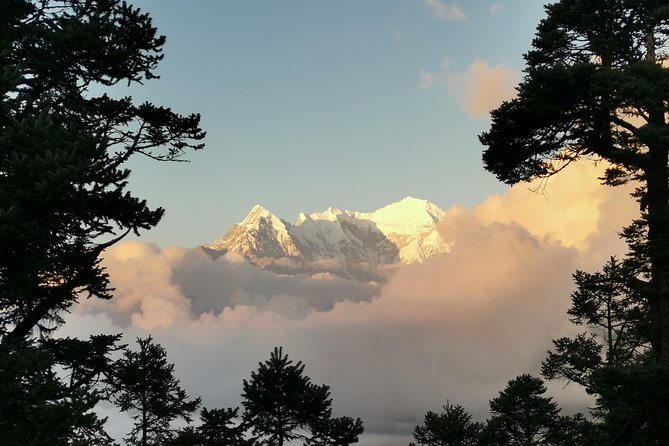
- Poon Hill sunrise: a single early hike that puts Nilgiri, Hiunchuli, and multiple Annapurna peaks on your horizon
- Gear help included: complimentary sleeping bags and down jackets to keep you comfortable on the cold mornings
- Meals planned for you: breakfast on most days and lunch/dinner while trekking, so daily decisions don’t slow you down
- Village-to-village walking: Ulleri, Ghorepani, Tadapani, and Ghandruk give you real rhythm beyond a single scenic day
- Transport that’s organized: tourist bus between Kathmandu and Pokhara, so your first and last travel days aren’t chaotic
- Team responsiveness: reviews repeatedly mention friendly support and handling last-minute changes well
Where this trek fits in Nepal: Annapurna views with practical pacing
The Ghorepani Poon Hill trek is one of those Nepal routes that earns its reputation for a reason: you’re not just going uphill for one peak photo. You’re hiking through a living mountain world, then stacking big-view moments across multiple days.
This version gives you a clean arc. Start in Kathmandu to get oriented. Head to Pokhara by tourist bus. Then ease into trek life through Hile and Ulleri, build toward Ghorepani, and finish with Ghandruk and the walk back to Nayapul. The pacing is built around day hikes in the 4–7 hour range listed in the schedule, which is demanding but doable for most people who can walk steadily.
And because the trek sits in the Annapurna Conservation Area, you’re moving through forests and settlements shaped by local biodiversity—not only by scenery.
You can also read our reviews of more tours and experiences in Kathmandu.
Day 1 in Kathmandu: using Thamel to get your footing fast
Day 1 is all about arrival day sanity. You’ll be met after landing at Tribhuvan International Airport and taken to your Kathmandu hotel. After that, you’re free to explore Thamel and the surrounding streets, which makes sense for a first Nepal day: you’ll find shops, restaurants, and plenty of chances to sort out anything you forgot (like socks, sunscreen, or a last-minute warm layer).
What I like about this kind of start is simple: it reduces stress. Instead of wandering the city jet-lagged and trying to figure out local logistics, you get a guide team that already knows your name and your plan.
A small tradeoff: Thamel is close to public transport, but it can still be busy. If you need quiet, plan a slower evening rather than piling onto nightlife.
Kathmandu to Pokhara by tourist bus: the long-but-easy transit day
On Day 2, you ride a tourist bus from Kathmandu to Pokhara. The route follows the Prithvi Highway, including a stop area around Muglin and a lunch stop at Dumre. You also cross a suspension bridge at Muglin, which is a nice little teaser for what’s coming later.
This matters more than you might think. When a trek includes a big travel leg, you want the transport handled. Here, you’re not arranging seats or transfers on your own. You’ll arrive with time to settle into Pokhara and catch distant glimpses of the Annapurna range and Machhapuchhre.
In practice, Pokhara is also a useful base emotionally. After a day of motion, you’re not stuck in a city where everything feels unfamiliar. You’re in the foothills, gearing up for the next day’s start.
Ulleri to Ghorepani: rhododendron trails, suspension bridges, and that rising ridge feeling
Day 3 begins with a short ride from Pokhara to Nayapul via Lumle. As you drive, vegetation increases gradually, so you get that visual sense of the trek climbing into a different world.
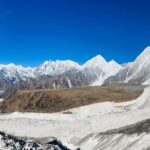
Once you start walking, you follow the Bhurungdi Khola bank and ascend toward Hile via Birethanti. The schedule also mentions suspension bridges, waterfalls, and a close-up look at Annapurna South (listed at 7219m) along the way. Finally you reach Ulleri via Tikhedhunga.
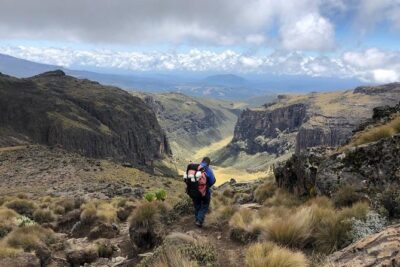
Day 4 shifts you from Ulleri toward Ghorepani. The route is described through rhododendron and oak forest, with stone-paved paths and lush scenery. Then comes a steep climb to a ridge top at Nangethanti, followed by a final push to Ghorepani.
Two things I really like about this segment:
1) It’s a steady build. You’re not thrown into the hardest section on day one.
2) The trail types change, so you don’t feel stuck doing the same thing for hours.
Possible drawback: that ridge climb on Day 4 is exactly the kind of moment where you’ll appreciate any warm layer and good pacing. The itinerary doesn’t spell out steepness in numbers, but it does clearly call out a steep climb—so take it slow rather than racing your fitness ego.
Ghorepani and Poon Hill sunrise: the morning that sells the whole trek
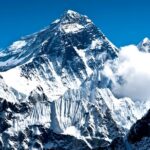
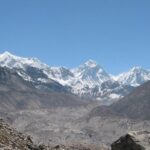
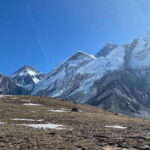
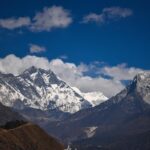
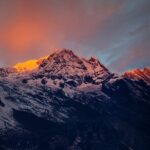
Day 5 is the headline act: an early morning hike to Poon Hill. You’ll ascend through stairs and stony paths, then reach the viewpoint. This is where you get the list of peaks in one view: Nilgiri (7061m), Hiunchuli (6441m), Annapurna I (8091m), Annapurna South (7219m), and other snow-capped peaks.
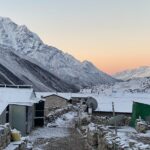
Then you head back to Ghorepani and continue trekking toward Tadapani, with stops and trail segments through Deurali and Banthanti. You’ll pass through rhododendron and bamboo forest on the way.
Here’s the practical truth: your enjoyment depends heavily on two things you can control—your willingness to go out early and your ability to keep your eyes up, not just your feet. If you’ve ever been annoyed by an early wake-up, treat this as a deal: you earn your sleep later. Also, the trek includes complimentary sleeping bags and down jackets, which helps you stay comfortable during cold morning hours before and after the hike.
Ghandruk: when the views turn into village time
Day 6 takes you from Tadapani down toward Ghandruk. The schedule mentions descending through rhododendron forest, crossing small rivers, passing Bhaise Kharka, and dealing with sloppy trails along the way. That combo is typical mountain trekking reality: even when the scenery is great, the trail surface can be unpredictable.
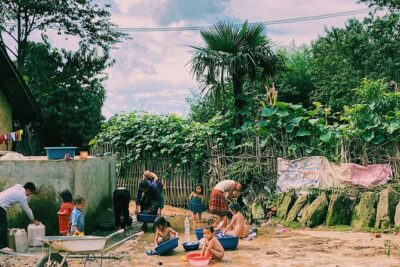
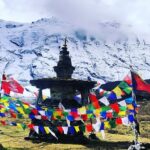
When you reach Ghandruk, the day becomes more than hiking. You can visit a local museum, a monastery, and nearby temples. Ghandruk is described as the second biggest Gurung village, and it’s known for north-facing Himalayan views.
This stop is valuable because it slows the whole trip down. After a couple of days of moving through forests and ridges, you get a chance to learn a bit about the people living here, not just the mountains above them.
Walking back out: Nayapul, Pokhara, and Phewa Lake time
Day 7 is your exit from the trekking circuit. After breakfast you head to Nayapul, following the Modi Khola bank. The route passes through Syauli Bazaar and continues toward Birethanti before reaching Nayapul.
Then there’s a short drive back to Pokhara. Once you’re in Pokhara, you get time to roam near Phewa Lake in the evening.
This is a good moment to reset. Your legs will feel it by now, so I like that the schedule doesn’t pile on extra sightseeing deadlines. Instead, you can choose your pace: easy strolls, a meal, or just sitting by the water and letting your brain catch up.
The long return to Kathmandu: trishuli river views and an early finish
Day 8 heads back to Kathmandu by road. The drive crosses Dumre and Muglin and follows along the Trishuli River. You also get to observe settlements of Brahmin and Chhetri communities, which is a nice reminder that this is a real country with real daily life happening outside your trekking bubble.
You stop for quick lunch at Muglin, then continue to Thankot to reach Kathmandu. You’ll have one more full night in the capital.
Day 9 is the final day: you’re dropped at the airport about two hours before your scheduled flight. No extra adventures here—just a smooth wrap-up so you’re not sprinting for check-in.
Logistics that matter: guide team, gear rental, and meal coverage
This tour is built around reducing decision fatigue. You’re not hunting for guesthouses. You’re not figuring out food plans at each village. The guide arranges logistics including meals, accommodation, and even rental of sleeping bags and down jackets if you need them.
That sleeping-bag and down-jacket part is not fluff. On treks like this, the cold is usually the problem that makes people miserable, not the altitude itself for most hikers. Having the right cold-weather gear offered helps you avoid arriving under-prepared.
The tour also includes:
- a first aid kit
- an English-speaking guide and their expenses
- all fees and taxes
- private transportation
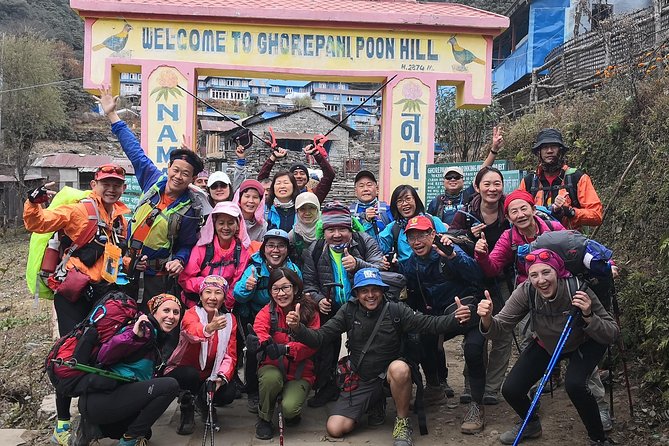
From the review notes I saw, people consistently praised the staff for friendliness, responsiveness, and helping with last-minute changes. Some reviewers named guides like Kumar, Rosni, and Bikki, and mentioned porters taking care of them in the mountains. That kind of recurring feedback is a decent indicator that the operation runs with real human backup, not just a checklist.
Price and value: what $439 covers and what you’ll still need to budget
At $439 per person, the value here comes from how much is included versus what hikers often pay separately on their own.
You’re paying for:
- trekking support with an English-speaking guide
- meals while trekking (with breakfast listed for 9 days, plus lunch and dinner during trekking days)
- accommodation in Kathmandu and Pokhara, plus guesthouse nights during the trek
- complimentary sleeping bags and down jackets
- tourist bus transport between Kathmandu and Pokhara, and private transport on the rest of the road legs
- all fees and taxes
What’s not included is also clearly spelled out:
- Nepal visa fee
- travel insurance
- tipping for guides/porters/drivers
My suggestion: compare this price to the cost of piecing everything together (guide, meals, lodging, and transportation). If you’re planning to trek with no support, you might end up “saving” a bit, then spending the savings on gear, guesthouse planning, and risk if something goes off track. Here, the structure is meant to keep your trek predictable.
What the day-by-day walking feels like (and how to pace it)
Even without exact elevation numbers, you can predict the effort. The schedule’s hiking blocks show 4 hours early on, then 6–7 hours on several days, with at least one steeper climb on the way to Ghorepani.
For me, the trick on routes like this is pacing:
- Start slower than you think you should on the steep ridges.
- Save your energy for Poon Hill morning, where you’ll want to enjoy the climb instead of fight it.
- When trails get rough (the schedule mentions sloppy trails and river crossings), keep moving steadily instead of stopping every time the ground feels annoying.
Also, remember you’ll have stairs and stony paths on Poon Hill day. Bring the mindset of a long climb, not a sprint.
Who should book this trek, and who should consider a different route
This trek is a solid fit if:
- you want big Himalayan views with logistics handled
- you’re comfortable walking 4–7 hours a day
- you like the idea of village culture stops, not only viewpoints
- you’d rather not worry about cold-weather gear thanks to included sleeping bag and down jacket support
It may be less ideal if:
- you want a fully relaxed holiday with little hiking
- you have very limited mobility, because the plan includes multiple trail days with stairs and uneven surfaces
If you’re the kind of traveler who enjoys simple, human travel—tea stops, stone paths, forest walks, and the moment peaks appear through the morning haze—this fits.
Should you book the Ghorepani Poon Hill trek?
If you’re chasing a classic Nepal “wow” morning and you want the rest of the trip to run smoothly, I think this is a good call. The biggest reason: the package covers the moving parts that usually complicate treks—guide support, meals, lodging, and cold-weather gear help—so you can focus on the actual hiking and the views.
Book it if you can handle early starts and steady walking. Skip it if you’re hoping for an easy walk every day.
If you do book, do yourself a favor: plan to take Day 5 seriously as your main effort day, and don’t treat the other hikes like warm-ups you can ignore.
FAQ
How much does the 9 Days Ghorepani Poon Hill Trek cost?
The price is $439.00 per person.
How long is the trek?
It runs for about 9 days.
What transport is included between Kathmandu and Pokhara?
Transport between Kathmandu and Pokhara is by tourist bus. Private transportation is included for the other road transfers during the trip.
Are meals included?
Yes. Breakfast is included for 9 days, and lunch and dinner are included during the trek days listed in the schedule.
Where is accommodation included?
Accommodation is included in Kathmandu and Pokhara, and guesthouse accommodation is included during the trek nights such as in Ghorepani and Ghandruk.
Do you provide trekking gear like a sleeping bag or down jacket?
Yes. Complimentary sleeping bags and down jackets are included.
What time does the Kathmandu airport meet-up start?
The start time is 7:45 am at Tribhuvan Airport in Kathmandu.
Is travel insurance included?
No. Travel insurance is not included, and you’re advised to buy it before you go.
Is tipping included in the price?
No. Tipping for guides, porters, and drivers is not included.