REVIEW · KATHMANDU
10 Days Everest Base Camp Trek
Book on Viator →Operated by Everest Trekking Routes Pvt. Ltd. · Bookable on Viator
Everest feels close here, in a way you can walk to. I like that this trek mixes classic Everest viewpoints with the Sherpa-country rhythm of lodges, small towns, and mountain culture. I also like that you’re not doing it solo: you travel with a licensed trekking guide and team support along the way.
One thing to plan for: this route depends on weather, especially the flights to Lukla. You’re also stacking real altitude work day after day, so the “easy” parts still ask for steady pace and common sense.
In This Review
- Key Highlights You’ll Care About
- Everest Base Camp in Real Life: What Makes This Trek Special
- Price and Logistics: Is $1,470 Good Value?
- Kathmandu Setup: Durbar Square and Then Thamel Reset
- Day-by-Day Reality: From Lukla to Phakding to Namche
- Day 2: Lukla to Phakding
- Day 3: Phakding to Namche (about 6 hours)
- The drawback of early intensity
- The Middle of the Trek: Phortse, Dingboche, and Lobuche
- Day 4: Phakding to Phortse (about 6 hours)
- Day 5: Dingboche (about 6 hours)
- Day 6: Dingboche to Lobuche (about 5–6 hours)
- Gorak Shep to Everest Base Camp (5364m): The Payoff Day
- Kalapathar (5545m) and the Longest Kind of Morning
- The Return: Pheriche to Namche to Lukla
- Day 9: Phiriche to Namche (about 7 hours)
- Day 10: Namche to Lukla (about 7 hours), overnight at lodge
- Back to Kathmandu: Thamel Day and Final Hotel Drop-Off
- Comfort, Food, and What You Must Budget Separately
- Weather Reality and Altitude: The Two Things That Decide Your Experience
- Who This Trek Suits Best (and Who Should Rethink It)
- Should You Book This Everest Base Camp Trek?
- FAQ
- How long is the Everest Base Camp trek, and why does it say 10 days but run to 12?
- Where does the trip start in Nepal?
- What time is the meeting point?
- What kind of transportation is included?
- Are permits included for trekking?
- Where do you stay during the trek?
- What meals are included?
- Is a guide provided?
- What costs are not included that you should plan for?
- What happens if weather is bad?
Key Highlights You’ll Care About
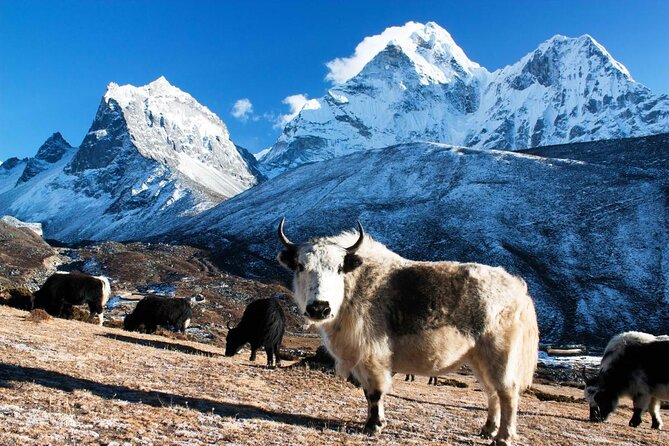
- Lukla flights built in, so you start the mountains sooner instead of spending days crossing Nepal by road.
- Tea house nights (9 nights on the mountain), which keeps the trek authentic and logistically simple.
- Two big altitude payoffs: Everest Base Camp (5364m) and Kalapathar (5545m) for sunrise-style views.
- Small-group feel and strong guide attention, including support mentioned by trekkers like Dhansingh and PJ.
- Meals and core logistics handled: 10 lunches, 10 dinners, permits, and airport/hotel transfers.
Everest Base Camp in Real Life: What Makes This Trek Special
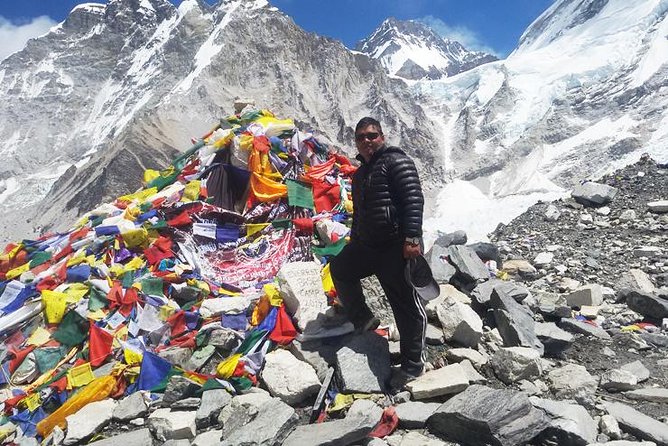
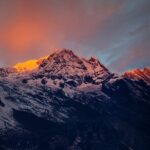
This isn’t a quick photo safari. It’s a walking trek through the Everest region where the mountains keep getting bigger, then bigger again, until the effort finally makes sense.
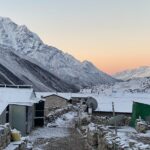
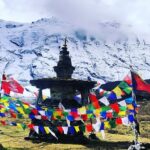
You start with Kathmandu culture, then you shift into Sherpa country the day you fly to Lukla. From there, the trip is about gradual altitude steps, steady walking, and the simple comfort of tea houses at the end of each day. The views aren’t just impressive from one spot; they’re part of the whole rhythm—valleys, ridgelines, prayer flags, and the constant sense that the Himalaya is right there with you.
The big emotional payoff is that Everest Base Camp is only one milestone. Kalapathar usually becomes the moment you remember when you think about why you came. And along the way, you’ll pass towns like Namche, Dingboche, and Pheriche where the trekking story turns into a human story—food, greetings, and daily life adapted to high altitude.
Possible drawback: if you’re chasing a low-effort trip, this isn’t it. Expect uphill days, cold mornings, and the kind of fatigue that makes you grateful for a warm drink when you arrive.
You can also read our reviews of more tours and experiences in Kathmandu.
Price and Logistics: Is $1,470 Good Value?
At $1,470 per person, you’re paying for more than a walk to a point on a map. You’re covering the big-ticket pieces that trip planning often makes complicated: domestic flight(s) both ways, a licensed guide, trekking permits, and mountain accommodation.
Here’s what’s handled in the price:
- 2 nights hotel in Kathmandu with breakfast
- 9 nights tea house accommodation on the mountain
- 10 lunches and 10 dinners
- Trekking permit
- Airport/hotel pickup and drop by private vehicle
- Domestic flights (to Lukla and back to Kathmandu)
- Adventure certificate after the successful trip
- Taxes included
- Mobile ticket mentioned as part of the features
What’s not included (so you don’t get surprised later):
- Extra Kathmandu meals and any extra accommodation
- Bottled drinks and boiled water (both commonly extra in Nepal)
- Hot shower and trekking Wi-Fi
- Recharging electronics on the trek (often an extra cost)
- Tipping for your guide and porter (porter not listed, but tipping is clearly on your list of extras)
- Travel insurance and evacuation insurance
So is it value? For many people, yes—especially if you want the planning taken care of and you’re aiming to reduce uncertainty around flights and permits. The price looks most fair when you add up flights + permits + guided support + tea house lodging across the full stretch.
Your biggest “real cost” is probably not the money. It’s attention. At altitude, you can’t rush the body. That means doing this trip with patience and a steady pace.
Kathmandu Setup: Durbar Square and Then Thamel Reset
This trek uses Kathmandu as a real launchpad, not just a one-night stop.
On the first day, you get a short orientation with time around Kathmandu Durbar Square. It’s a useful warm-up: you get your bearings, see the old-city energy, and let your body acclimate to Kathmandu’s busier altitude and traffic. The schedule includes a short drive to your hotel and quick sightseeing, so you aren’t spending the day in transit.
Later, after you finish the trek, you fly back and you get a day in Thamel. That matters more than people think. Thamel is where you can sort gear, refill basics, and eat something that feels like comfort food after tea house meals. If you’ve been wearing layers and drying your stuff over days, the reset day gives you breathing room.
In a good trip, Kathmandu is where you get ready mentally. Here, you get that space.
Day-by-Day Reality: From Lukla to Phakding to Namche
The trek starts with one of Nepal’s most memorable transitions: flying from Kathmandu to Lukla, then immediately moving into hiking mode.
Day 2: Lukla to Phakding
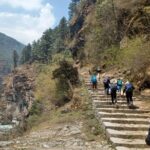
After the short flight, you walk toward Phakding. This first hiking day usually works best if you treat it like a warm-up. You’re still getting used to the rhythm—finding your pace, adjusting to thinner air, and keeping your breathing smooth.
Day 3: Phakding to Namche (about 6 hours)
This is one of the early “work” days. The schedule is about six hours of trekking to Namche. Namche is where the Everest region begins to feel like a hub: more lodges, more trekkers, and more of the Sherpa economy built around trekking life.
You also have a stop at an Irish Pub on the way to or around Namche. That sounds random until you realize why it’s there: trekkers want familiar comfort after a cold walk. Even if you don’t make it for drinks, the presence of places like that tells you how well developed this route is.
The drawback of early intensity
The biggest risk at this stage is overconfidence. It’s early days, so some people push too hard because they feel good. You don’t need to crush the first climbs. You want steady, controlled effort.
The Middle of the Trek: Phortse, Dingboche, and Lobuche
As you move deeper, the itinerary keeps you in small communities that are built for high-altitude trekkers.
Day 4: Phakding to Phortse (about 6 hours)
Walking to Phortse takes you through classic mountain trekking terrain and gives you another foothold to acclimatize. This day is about rhythm: keep moving, don’t sprint, and save energy for the bigger elevation days ahead.
A River Resort stop is listed. It’s likely a rest point and a chance to break the day in a way that feels human—sit down, check in with your guide, and enjoy the views without turning it into a performance.
Day 5: Dingboche (about 6 hours)
The trek ends at Dingboche with a stop at a View Point along the way. Dingboche is one of those towns where the air feels different. The views are strong, and the altitude prompts you to respect your pace.
Day 6: Dingboche to Lobuche (about 5–6 hours)
Lobuche comes next. Days like this are where you start noticing how every decision matters: how much you drink, how often you rest, and how carefully you manage your breathing.
Gorak Shep to Everest Base Camp (5364m): The Payoff Day
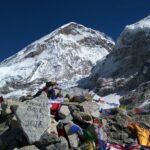
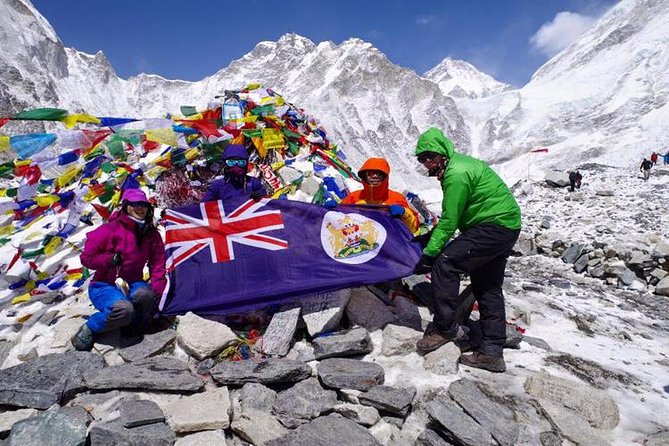
Day 7 is the moment that many people book this trek for: getting to Gorakshep and then trekking up to Everest Base Camp (5364m).
What you can expect here:
- Big, dramatic scenery that makes the earlier miles feel like homework you finally got credit for
- A sense of space—like you’re on the edge of the world
- Cold conditions common at these elevations, especially in the early morning and evening
This day is also mentally intense. The world-famous destination can still feel surreal when you arrive in real conditions, not postcards.
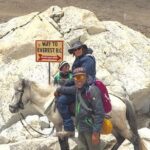
Practical note: if you’re the type who gets overwhelmed by heights, you’ll want your guide to know early. Support from guides is a repeated strength on this trek, including examples where Dhansingh and assistant PJ were attentive to trekkers who felt uneasy with exposure.
Kalapathar (5545m) and the Longest Kind of Morning
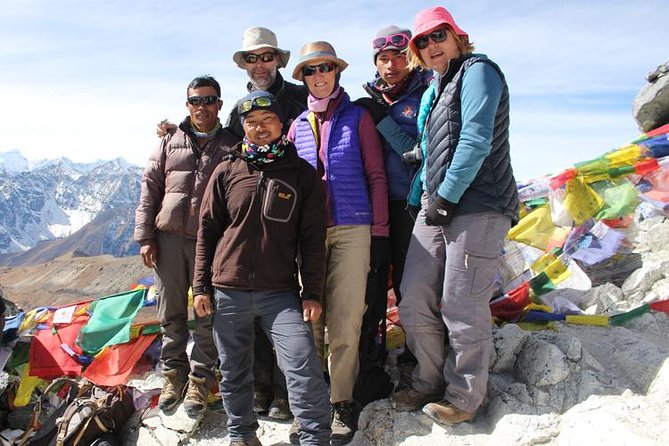
Day 8 includes the hike to Kalapathar Peak (5545m), then trekking onward to Phiriche.
Kalapathar is often the best “view-to-effort” trade on the whole trek. You’re going higher, but the reward tends to be worth it. This is also a day that teaches patience: you climb carefully, stop when you need to, and let the view arrive instead of chasing it.
Then you continue to Phiriche. That part matters. Some people only think about the peak and forget the day still needs an ending. Having a scheduled trek onward helps you avoid the chaos of deciding in the cold.
The Return: Pheriche to Namche to Lukla
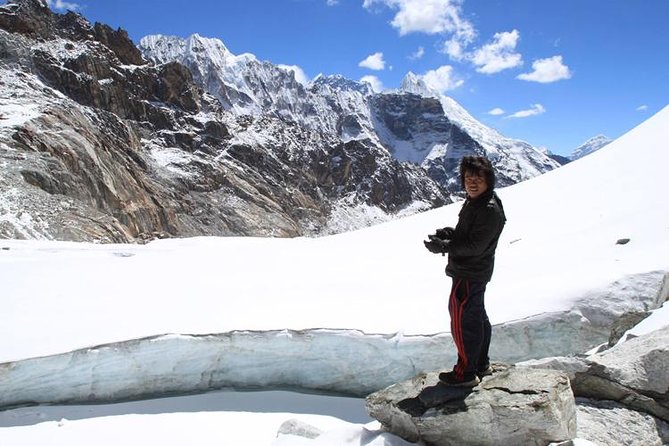
Your descent isn’t one straight downhill line. It’s a controlled return through the same mountain communities, and your body still has to work.
Day 9: Phiriche to Namche (about 7 hours)
A seven-hour trek is not a casual stroll, even as you head toward lower elevations. Treat this like recovery-by-movement: steady pace, fluids, and a calm mind.
Day 10: Namche to Lukla (about 7 hours), overnight at lodge
This day brings you back to Lukla for an overnight lodge stay. It’s a useful buffer before flying.
Why that matters: flight timing can feel like the only “wild card” in the whole plan. Having an overnight on the mountain side gives you less stress than rushing back to catch a single, tight window.
Back to Kathmandu: Thamel Day and Final Hotel Drop-Off
On Day 11, you fly back to Kathmandu and spend time in Thamel. Use that day smart:
- Replace what you used up (snacks, water, basics)
- Stretch out your legs
- Confirm you’re feeling okay after altitude
Day 12 is a final departure from Kathmandu back to your hotel. You’ll appreciate the simplicity after the long trek days.
Comfort, Food, and What You Must Budget Separately
Tea houses are part of the authenticity here. They’re also part of why this route works for many first-time trekkers: you don’t need to carry everything. Your accommodation is 9 nights in tea houses on the mountain.
Still, comfort has boundaries:
- Hot shower is not included
- Trekking Wi-Fi and device recharging are extra
- Bottled drinks and boiled water aren’t included
- Hot drinks may cost extra (listed as the additional size of pots)
Food is mostly taken care of:
- 10 lunches and 10 dinners are included
- Breakfast is listed as included (and you also get breakfast on your Kathmandu hotel nights)
My advice: treat meals as fuel, but don’t treat them like fine dining. You want something warm, something you can digest, and something you’ll eat even when you’re tired. The tea house system is built for this.
Weather Reality and Altitude: The Two Things That Decide Your Experience
Two issues can change how this feels on the ground.
1) Weather and flight dependence
The experience notes it requires good weather. If it’s canceled due to poor weather, you’re offered a different date or a full refund. That’s a comfort, but it still means you should be flexible with your overall Nepal schedule.
2) Altitude effort
Even if the itinerary is well-paced for acclimatization through the region’s towns, you’re still walking at altitude. Your job is simple: don’t chase speed. Let your breathing lead. The guide’s role becomes critical here—especially if you have anxiety about heights or want help finding a safe pace.
Who This Trek Suits Best (and Who Should Rethink It)
This trek fits best if you want:
- A guided Everest Base Camp trip with permits, flights, and lodging handled
- The full experience, not just reaching one destination
- A balance of mountain milestones (EBC and Kalapathar) plus culture through Sherpa towns
It might be less ideal if you:
- Want a low-effort vacation
- Dislike cold mornings and long walking days
- Are not willing to budget for extras like bottled drinks, boiled water, hot shower, Wi-Fi, and tipping
Also: you’ll want moderate physical fitness. That’s the only fitness target stated, and honestly, it’s the right one. You don’t need to be a marathoner, but you do need to handle sustained trekking days.
Should You Book This Everest Base Camp Trek?
I’d book this trek if you value clear structure. You get the flights, permits, tea house accommodation, and day-to-day guidance bundled into one plan. For $1,470, the value is strongest when you compare it to doing everything alone—especially permits and coordinating flights to Lukla.
I’d think twice if you’re trying to keep costs ultra-low, because several common comforts are not included (hot shower, Wi-Fi, recharging, water basics, bottled drinks). I’d also watch your flexibility. Weather can affect flight timing, and the trek is tied to conditions up high.
If you want an Everest trip that feels practical and guided—while still delivering that moment when you’re standing near Everest Base Camp—this one makes a lot of sense.
FAQ
How long is the Everest Base Camp trek, and why does it say 10 days but run to 12?
The experience is listed as 12 days approximately, and the route includes flights, trekking days, and time in Kathmandu before and after the hike.
Where does the trip start in Nepal?
It starts in Kathmandu, Nepal.
What time is the meeting point?
The start time is 6:15 am.
What kind of transportation is included?
You get airport/hotel/airport pickup and drop by private vehicle, plus both-way domestic flights.
Are permits included for trekking?
Yes. The trekking permit is included.
Where do you stay during the trek?
On the mountain, you stay 9 nights in tea house accommodation.
What meals are included?
The tour includes 10 lunches and 10 dinners, plus breakfast (breakfast is listed in the included items as well).
Is a guide provided?
Yes. A licensed trekking guide is included.
What costs are not included that you should plan for?
Not included are things like extra meals/accommodation in Kathmandu, bottled drinks, boiled water, hot shower, Wi-Fi on the trek, electronic recharging, travel/evacuation insurance, and tipping for the guide and porter.
What happens if weather is bad?
The experience requires good weather. If it’s canceled due to poor weather, you’ll be offered a different date or a full refund.