REVIEW · KATHMANDU
20 Days Annapurna Circuit Trek
Book on Viator →Operated by The Great Adventure Treks & Expedition - Private Day Tours · Bookable on Viator
Kathmandu before the trekking boots matters more than you’d think. This 20-day Annapurna Circuit trip stitches together classic Himalayan scenery with hands-on cultural stops, plus real logistical help from a licensed guide and porter setup. I especially like that you get a full Kathmandu warm-up (Pashupatinath, Boudhanath, and Kathmandu Durbar Square), then a structured trek that gives you time to adjust before the big crossing.
One thing to keep in mind: the circuit is demanding. You’ll face steep sections and a serious altitude day around the Thorong La Pass (5,416 m), and the pace can feel intense even if you train for it.
In This Review
- Key Points That Make This Trek Worth Your Time
- First Nights in Kathmandu: Temples, Squares, and Setting the Tone
- Small drawback to plan for
- The Ride to the Trailhead: Bumps, Time, and Why You Should Expect It
- What I like about this approach
- A consideration
- Dharapani to Chame: Steep Early Steps and the First Vegetation Shift
- Why early days matter
- Possible drawback
- Chame to Pisang and Onward to Manang: Seeing the Annapurna System Grow Closer
- Why Manang is a big deal
- One note
- Yak Kharka, Thorong High Camp, and the Long Day to the Pass
- Why you’ll feel proud here
- A practical drawback to prepare for
- Muktinath to Marpha: Sacred Stops and the Kali Gandaki Descent
- Why I like the route logic here
- A consideration
- Lete to Tatopani: Big Weather and Vegetation Changes on the Same Trek
- Why Tatopani works as a recharge
- A practical drawback
- Ghorepani and Poon Hill: Views for Sunrise People and Camera People
- If you’re choosing between sleep and views
- One note about energy management
- Down to Pokhara: Rural Walks, Waterfall Country, and a Real Day Off
- Why the ending feels like value
- Price and What’s Included: Where the $1,200 Actually Goes
- My value take
- The main financial gotcha
- Who This Trek Suits Best (And Who Should Think Twice)
- Should You Book This 20 Days Annapurna Circuit Trek?
- FAQ
- What is the highest point on this trek?
- Is airport pickup and drop included?
- How does the trip handle luggage?
- Are meals included during the trekking days?
- Does this include Kathmandu sightseeing?
- Are temple entry fees included?
- What permits are included?
- Is this a private tour?
- What cancellation window is offered?
Key Points That Make This Trek Worth Your Time
- Licensed guide + porter support (with a 25 kg porter limit) so you can focus on walking
- Kathmandu culture built in with major UNESCO site and temple visits before you head uphill
- Manang acclimatization day, the kind of buffer that helps you feel safer on summit day
- Thorong La Pass early start planning to beat cold wind and maximize your timing
- Meal plan included (breakfast, dinner, and lunch during trekking days) with drinks left out
- Pokhara rest and lake time after the long trek, not just an instant hustle back to Kathmandu
First Nights in Kathmandu: Temples, Squares, and Setting the Tone
Your trip starts in Kathmandu with airport pickup and a hotel transfer, then a sightseeing day that’s designed to help you understand the region before you start climbing. You’ll visit Pashupatinath Temple on the Bagmati River, one of the most important Hindu sites in the world. Even if your trekking mindset is already switched on, it’s worth paying attention here. Kathmandu’s religious life isn’t a backdrop; it’s part of the landscape of daily Nepal.
Next is Boudhanath Stupa, a major Buddhist landmark with the iconic “eyes” motif and a peaceful feel compared with the busier streets. Then you finish with Kathmandu Durbar Square, where past royal power shows up in stone, carvings, and the layout of the complex.
Why this matters for your trek: it puts you in the right frame. After days of mountain villages and teahouses, you’ll be more likely to notice the same care for tradition in a smaller scale.
You can also read our reviews of more tours and experiences in Kathmandu.
Small drawback to plan for
Temple entry fees are not included for Pashupatinath, Boudhanath, and Kathmandu Durbar Square. If you’re budgeting, check your wallet before you go. Also, these visits are time-bound, and Kathmandu can move fast. Wear comfortable shoes you don’t mind getting dusty.
The Ride to the Trailhead: Bumps, Time, and Why You Should Expect It
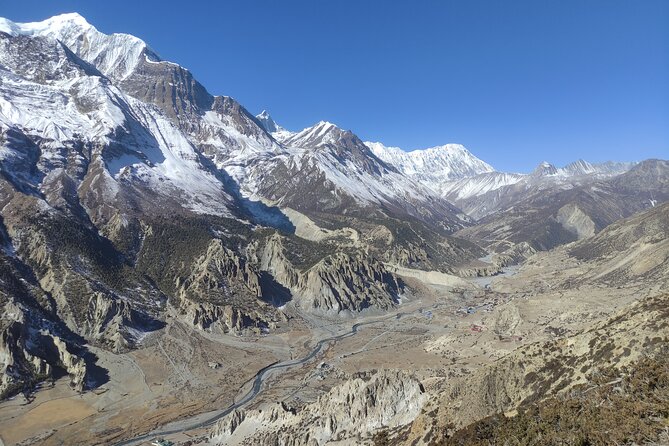
On Day 3 you take a scenic drive toward the Pokhara highway, which is a good “transition day.” You’re moving from city Nepal into hill country, passing through foothill views that help you understand how the trek will later feel: ups, downs, and changing air.
By Day 3 evening you’re heading to the trekking side via regular transport (bus to Besisahar, then a sharing jeep to Syange). The exact drive times vary, but you should treat this as a real day of travel, not a warm-up stroll.
What I like about this approach
Starting with multiple transport legs is common for the Annapurna Circuit, but here it’s planned so you reach Syange in time for the first real hiking day. That means you’re not losing daylight on Day 4 trying to catch up.
A consideration
Long travel days can make your legs feel tight. If you’re the type who gets restless during rides, bring something small to pass the time: headphones, a book, or even just simple hand stretches when the vehicle stops.
Dharapani to Chame: Steep Early Steps and the First Vegetation Shift
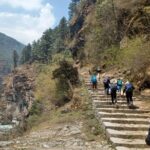
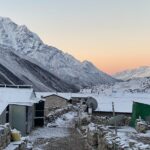
Day 4 is where the trek genuinely starts. You’ll trek from the Besisahar area toward Dharapani, passing gorges, waterfalls, and snow-capped peaks. The trail is described as steep for the first half hour, but it quickly opens into lush terraces and farming areas.
Day 5 continues toward Chame (6 hours). This is where the air cools and the vegetation changes. You move through forests before reaching Bagarchhap and then onward, which is a nice early taste of what’s coming: you’re not just walking up one type of scenery; you’re walking through zones.
Why early days matter
Your body learns the rhythm of steady effort here. You’re not yet at the highest points, but the pattern—short climbs, longer stretches, breaks at villages—sets you up for the later altitude work.
Possible drawback
Because Day 4 begins with a steep push, start conservatively. If you go out too hard, you’ll feel it later when you’re trying to keep your breathing controlled for altitude.
Chame to Pisang and Onward to Manang: Seeing the Annapurna System Grow Closer
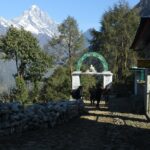
Day 6 hikes from Chame to Pisang (3,200 m). It’s a 5–6 hour walk and follows the northern bank of the river. The key change is that you start getting more frequent big-mountain views, and the air begins to feel thinner in a way you notice, not just measure.
Day 7 moves to Manang. From Pisang onwards, the trekking trails offer constant peak views and a climb that starts steep and then settles into a more sustained effort.
Then Day 8 gives you something many treks skip: a full acclimatization day in Manang. You’ll explore the village—around 500 flat-roofed houses—and enjoy the scenery around Annapurna massif views. This isn’t a “free day” in the sense that you should ignore your body. It’s a day to move gently, hydrate, and let altitude catch up slower.
Why Manang is a big deal
That acclimatization day helps when you’re later climbing toward the Thorong La Pass at 5,416 m. It’s also where you learn your own altitude tolerance. You want your worst-case feeling to happen while you still have options to adjust, not when you’re standing near the pass.
One note
There can be cold spells and fast weather shifts at altitude, so treat this day as “comfortable walking plus smart clothing,” not as a warm-weather vacation.
Yak Kharka, Thorong High Camp, and the Long Day to the Pass
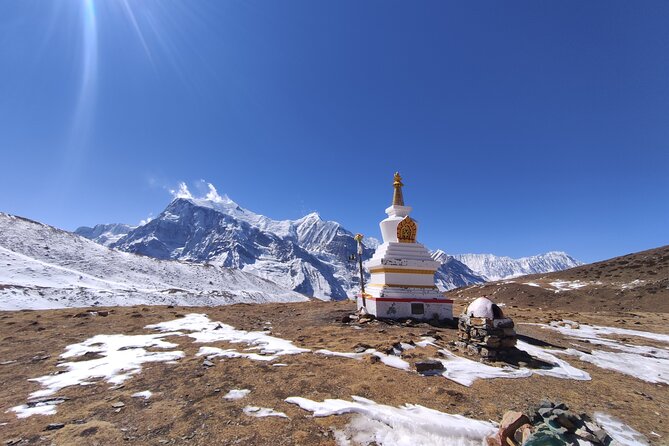
Day 9 takes you from Manang toward Yak Kharka, a slow climb that brings close-up views of peaks like Annapurna II and Gangapurna, and also Tilicho and Chuli when weather cooperates. You head into barren winds as altitude increases, which is part of the Circuit’s famous personality: the terrain gets less green as you go higher.
Day 10 goes to the Thorong High Camp viewpoint area, starting from Yak Kharka and climbing to Ledar’s last settlement area. You’ll keep receiving grand views as you near the highest zone.
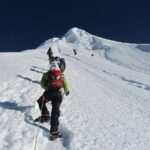
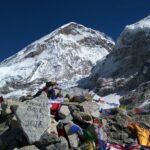
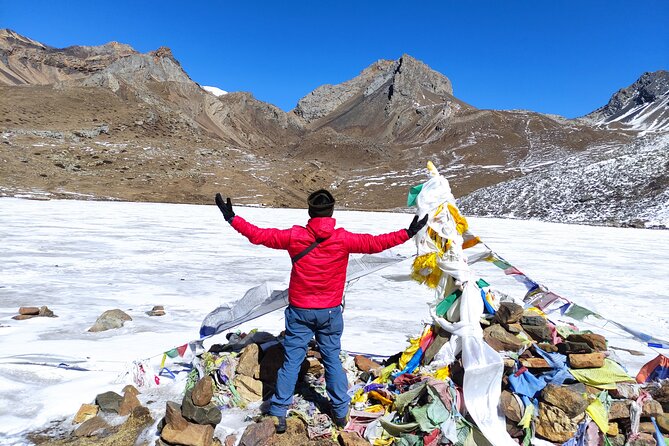
Day 11 is the key crossing day: you start early so you reach the Thorong La Pass before cold wind picks up. The climb is described as strenuous at the beginning with a steep stretch. After the pass, the descent takes you to Muktinath Temple (around 3,800 m), and this day can feel like the longest day you do on the trek in terms of effort.
Why you’ll feel proud here
Crossing a pass at over 5,400 meters is not just a tick-box achievement. It forces controlled breathing, smart pacing, and resilience. Even if you’ve hiked before, this is the moment where your training becomes real.
A practical drawback to prepare for
Early starts mean early mornings, and high passes mean wind chill. Pack and wear layers that you can adjust quickly: one layer that handles sweat while climbing, then a warmer layer you can pull on before you slow down.
Muktinath to Marpha: Sacred Stops and the Kali Gandaki Descent
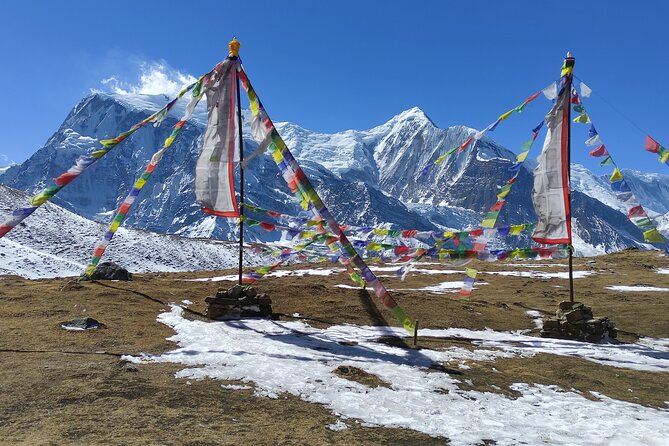
Day 12 takes you from Muktinath down to Marpha. The trek descends about 1,200 m to the Kali Gandaki river valley floor. You’ll stop briefly at Ekale Bhatti, literally described as a lonely teahouse settlement. Those “in-between” stops are often where you get the most human feel on the route: a chance to sit, drink, and reset.
Marpha is a different kind of highlight than the pass day. After the intensity, you get relief in the form of lower altitude and an easier walking rhythm.
Why I like the route logic here
The Circuit doesn’t just go higher and higher. It gives you a serious descent and then reintroduces village life. That’s what makes it more than an endurance hike. It’s a full travel story.
A consideration
Descent days can still be hard on knees and ankles. If you’re prone to soreness, use trekking poles and take your time on downhill sections, especially in teahouse zones where trails can get crowded.
Lete to Tatopani: Big Weather and Vegetation Changes on the Same Trek
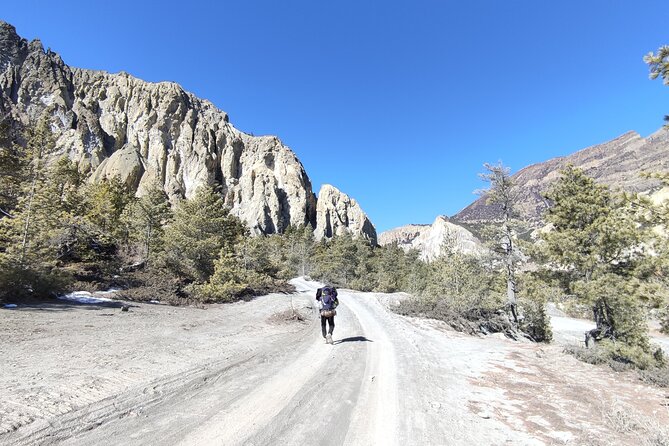
Day 13 moves from Marpha toward Lete, following the Kali Gandaki river downstream toward Tukuche village and the Dhaulagiri/Tukuche peak views (weather depending). You’ll walk through village settings with strong mountain presence overhead.
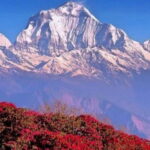
Day 14 heads to Tatopani. This is where you feel the big environmental switch: the trek goes from dry, arid zones into pine and conifer forests. The route passes between Dhaulagiri and Annapurna, which is exactly the kind of “one trek, multiple worlds” feeling people chase on the Circuit.
Why Tatopani works as a recharge
Tatopani is a place you’ll likely appreciate after days of trekking. Even without guessing too much beyond what’s listed, the change in vegetation alone is mentally refreshing. You get a break from barren wind zones and a more shaded, forest-floor hiking feel.
A practical drawback
Vegetation shifts often mean weather shifts. You can go from sun and dry air to cooler forest air. Keep an eye on clouds, and don’t overheat early.
Ghorepani and Poon Hill: Views for Sunrise People and Camera People
Day 15 brings you from Tatopani to Ghorepani (2,860 m), a 6–7 hour walk. You’ll cross a suspension bridge over the Kali Gandaki river, and the route becomes a classic Circuit mix of trail and short settlement passages.
Day 16 includes a morning hike to Poon Hill (3,195 m) if weather permits, aimed at sunrise over a panorama that can include Dhaulagiri, Annapurna, and Mt. Manaslu range. It’s a fan-favorite because it’s one of those viewpoints that rewards early effort. Then you return to continue onward.
If you’re choosing between sleep and views
If you want sunrise views, you’ll need patience and a willingness to start before you’re fully awake. If you’d rather rest, talk to your guide on how strict the timing is given weather. The plan is weather-dependent, so you won’t force it if conditions aren’t right.
One note about energy management
This day has “short hike energy” in the morning and then a trek afterward. Eat fast, drink plenty, and plan for a full day, not just a photo stop.
Down to Pokhara: Rural Walks, Waterfall Country, and a Real Day Off
Day 17 takes you to Pokhara, about 7 hours trekking. You’ll pass through rural farm villages and nearby cascading waterfalls before reaching the lakeside town.
Day 18 is a true leisure day in Pokhara. You’ll have time to do sightseeing and spend time around Phewa Lake, Begnas Lake, and Rupa Lake. This is the moment where the trek stops feeling like a schedule and starts feeling like a memory you can enjoy.
Day 19 brings you back to Kathmandu via drive/bus (about 8 hours), with scenic hills and river views such as Trisuli and Marsyangdi.
Why the ending feels like value
A lot of trek packages end with a transfer and call it done. Here, you get a proper rest day in Pokhara after finishing the harder altitude work. That makes the whole trip feel more humane.
Price and What’s Included: Where the $1,200 Actually Goes
The listed price is $1,200 per person for about 20 days. That’s not pocket change, so here’s what you’re effectively paying for: a structured plan plus human support.
Included highlights:
- Airport pickup and drop
- Kathmandu sightseeing by car
- Transport segments to the trek start (Kathmandu to Besisahar by regular bus, then Besisahar to Syange by sharing jeep)
- A professional trekking guide with government license plus a porter (2 guests per porter)
- ACAP permit (Annapurna Conservation Area Project) and TIMS card
- Meals: breakfast, lunch, and dinner during the trek days listed
- A mobile ticket feature
What’s not included:
- Visa and international flights
- Drinks (soft and hard)
- Tips for staff
- Rescue and evacuation cost
- Temple entry fees for sites visited in Kathmandu (and fees vary by nationality)
- Any special accommodation outside standard plan
My value take
You’re getting more than “someone points you uphill.” You’re getting permits, meals, and the guide/porter team that reduces daily friction. For a high-altitude multi-day trek, that’s a real cost saver in time, stress, and planning mistakes.
The main financial gotcha
Temple entry fees plus drinks and tips. If you’re sensitive to add-ons, budget a little beyond the base price so you don’t hit surprises mid-trip.
Who This Trek Suits Best (And Who Should Think Twice)
This is best for you if you:
- Want a classic Annapurna Circuit experience with acclimatization built in
- Prefer walking with a licensed guide and porter rather than going fully independent
- Like the blend of culture and trekking, not just peak-chasing
It may be tough for you if:
- You’re new to altitude hiking and expect it to feel like easy trekking
- You struggle with early starts or steep sections (Day 11 in particular)
A note from past client experiences with the company: the team has included staff that communicate well, and at least one past traveler highlighted an owner who speaks Chinese and is very kind and polite. That kind of communication can reduce stress if you’re more comfortable with clearer guidance.
Should You Book This 20 Days Annapurna Circuit Trek?
If you’re aiming for the full Circuit arc—Kathmandu culture, changing climates, a serious pass crossing, then a calmer finish in Pokhara—this package is a solid pick. I like the way it schedules Manang acclimatization and builds in a genuine Pokhara rest day.
If you want a trek that’s more guided, more structured, and less guesswork about permits, meals, and transport, book it. If you’re on a tight budget, factor in temple fees, visa, flights, drinks, and tips before deciding.
Bottom line: this trek looks like good value because a lot of the complicated parts are handled for you, letting you spend your energy on one thing—walking toward the big views.
FAQ
What is the highest point on this trek?
The trek crosses Thorong La Pass, which is listed at 5,416 meters.
Is airport pickup and drop included?
Yes. The package includes airport pickup and drop with a representative who will transfer you back to the international airport at the end.
How does the trip handle luggage?
You’ll have a guide and a porter, with a porter setup of 2 guests to 1 porter, and a listed porter capacity of 25 kg max.
Are meals included during the trekking days?
Yes. The plan includes breakfast (18), lunch (15), and dinner (15) as listed. Drinks are not included.
Does this include Kathmandu sightseeing?
Yes. Kathmandu is covered by car with visits to Pashupatinath Temple, Boudhanath Stupa, and Kathmandu Durbar Square.
Are temple entry fees included?
No. Entry fees for Pashupatinath, Boudhanath Stupa, and Kathmandu Durbar Square are not included, and fees vary by nationality.
What permits are included?
You’ll receive the Annapurna Conservation Area Project Permit (ACAP) and a TIMS card.
Is this a private tour?
Yes. It is listed as a private activity where only your group participates.
What cancellation window is offered?
You can cancel up to 3 days in advance for a full refund. If you cancel less than 3 days before the start time, it isn’t refunded.