REVIEW · SAPA
Sapa 2-Day Trek & Homestay in Ta Van Village – Be a Local
Book on Viator →Operated by SAIGONESE TREKKING HOUSE · Bookable on Viator
Two days in Ta Van, with hands on culture.
This Sapa 2-Day Trek & Homestay in Ta Van Village is interesting because it mixes rice-terrace village walking with an evening indigo dyeing workshop, then ends with a private bungalow stay in local surroundings. Run through Saigonese Trekking House, it’s the kind of trip where you don’t just watch daily life, you do parts of it with your hosts.
What I love: the private overnight in a homestay setting (you’ll stay at Giay’s Local House in a private room) feels comfortable without losing the real village vibe. I also like the way the day is built around hands-on moments, like picking fresh vegetables, shopping for dinner ingredients at the village market, and cooking a traditional meal together with your local family.
One consideration: along the trek, some people can be very insistent with sales pitches. If you prefer a quiet, no-interruptions trail, it helps to set your expectations and use a friendly but firm no.
In This Review
- Key highlights at a glance
- Why the Ta Van Homestay Night Feels Different From a Standard Trek
- Day 1: Sapa Town to Y Linh Ho, Lao Chai, and Ta Van Village
- From Market to Meal: Cooking Dinner With Your Host Family
- Indigo Dyeing With the H’mong: Make Your Own Natural Indigo Fabric
- Day 2 Trek: Giang Ta Chai, the Bamboo Forest, and Su Pan
- Food, Comfort, and the Small Touches That Add Up
- Price and Logistics: Is $45 Actually Good Value?
- Who This Tour Suits Best (and Who Might Want Something Else)
- Should You Book This Sapa Local Life Trek?
- FAQ
- What is included in the Sapa 2-day trek and homestay?
- Where do I stay overnight?
- How long is the tour?
- Which villages are included on the trek?
- Is pickup available?
- Do I get to dye fabric or is it just a demonstration?
- Is bottled water included?
- What happens if the weather is bad?
- Is free cancellation available?
Key highlights at a glance
- Small group size (up to 15), so the experience stays personal rather than chaotic
- A classic village loop through Y Linh Ho, Lao Chai, Ta Van, Giang Ta Chai, a bamboo forest stretch, and Su Pan
- Garden-to-meal time, with vegetable picking and shared cooking with your host family
- Hands-on H’mong indigo dyeing, including making and taking home your own dyed fabric
- Comfort included, with an overnight at Giay’s Local House in a private room
- Practical logistics handled, including pickup and transportation back to Sapa town
Why the Ta Van Homestay Night Feels Different From a Standard Trek
Sapa has plenty of trekking options. This one stands out because it’s built like a homestay experience first, trekking second. You start with real mountain walking through ethnic villages, but you don’t end the day by simply finding a bus and moving on. You slow down, settle in, and join the rhythms of Ta Van Village life.
The overnight setup matters. You’re not sleeping in a crowded dorm or bouncing from one stop to another. You check into a private bungalow area and get an actual private room for the night at Giay’s Local House. That sounds simple, but after two days of walking, it’s a big part of why this tour scores so highly for comfort.
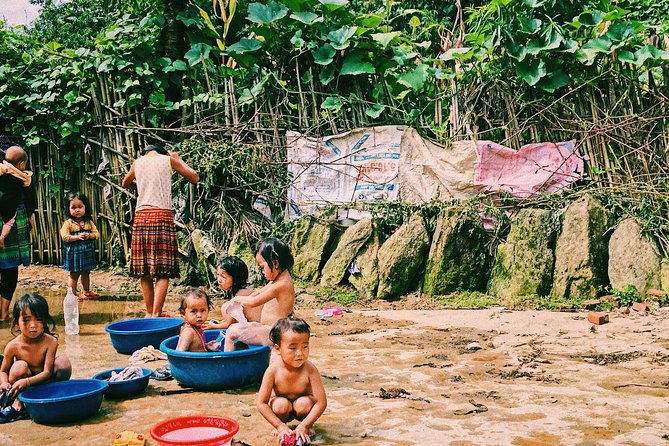
Then there’s the human part. Your host isn’t just a friendly face with a map. You’re invited into daily activities. From the garden to the market to the cooking, the day is structured around participating, not observing from a distance. That is the difference between a photo-heavy day trip and something that feels like you stepped into someone’s normal life for 24 hours.
Day 1: Sapa Town to Y Linh Ho, Lao Chai, and Ta Van Village
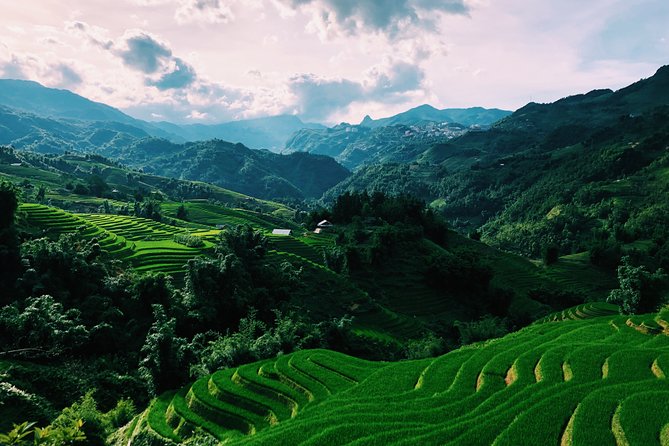
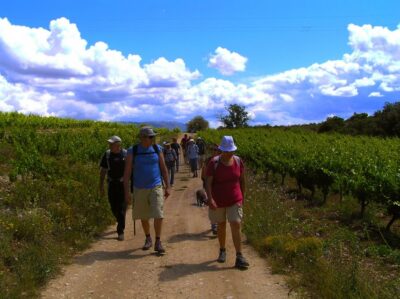
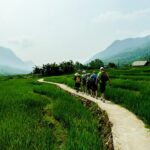
Your first day begins with a trek that takes you out of Sapa town and into the village route. The trail includes Y Linh Ho, then Lao Chai, and finally Ta Van. This is a great starter itinerary if you want variety without feeling like you’re rushing through six different places in one morning.
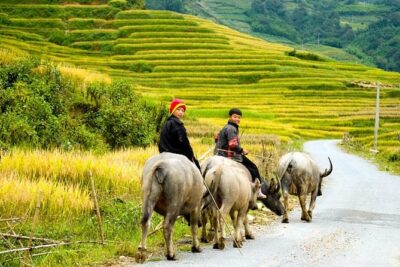
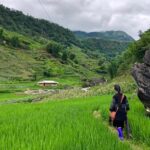
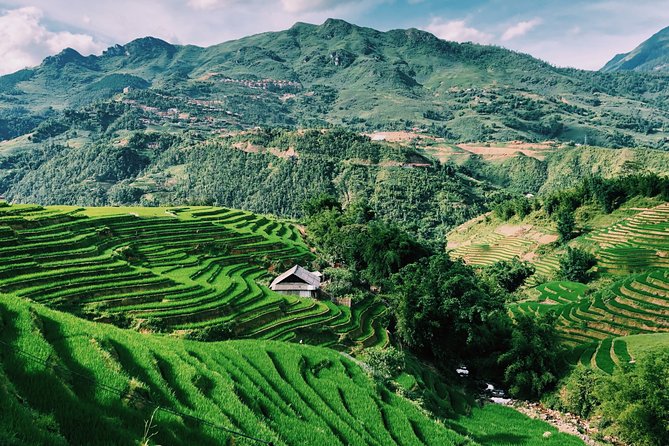
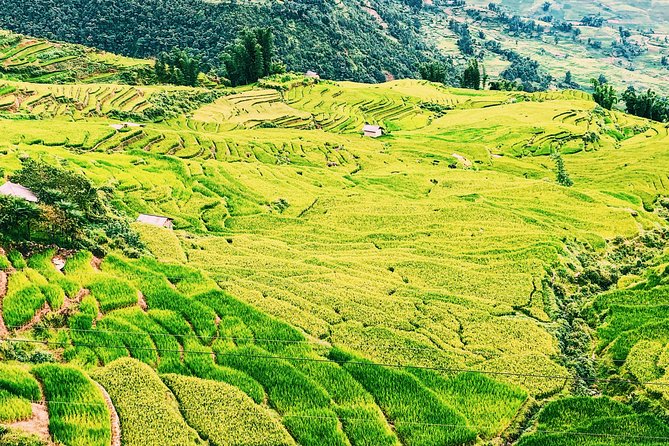
What you’ll notice on the way is how the villages shape the walk. The route isn’t just a single scenery strip. It’s a series of small community stops and changing views where you can see how people live close to the land. The rice terraces are a big draw, but the real value is the mix of terraces and village life along the way, not just one long overlook.
Two details make Day 1 feel more meaningful:
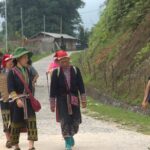
- You’re not alone with your camera. Your guide helps connect what you see with how people live. In past experiences on this route, guides like Sue have explained local village life and the way different tribes live in Sapa, with clear English support for people who don’t speak Vietnamese.
- You transition from walking into living right away. When you arrive in Ta Van, you don’t just check in and disappear. You unpack, relax, and then your host nudges you toward participation with the garden and dinner planning.
Day 1 also includes that practical homestay flow: bottled water is provided, and you’ll be guided through the evening activities so you know what’s happening and when.
From Market to Meal: Cooking Dinner With Your Host Family
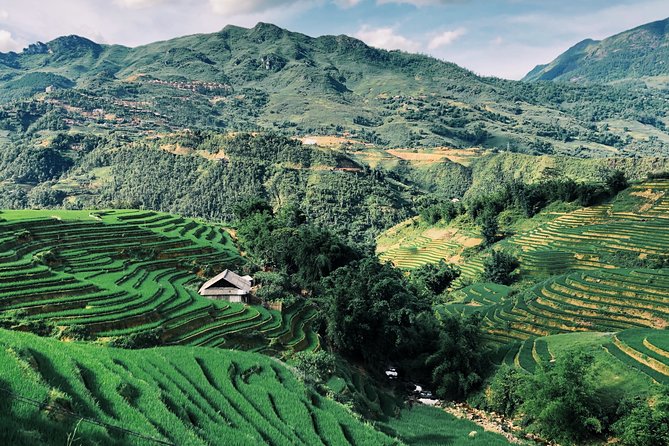
After you arrive in Ta Van Village and settle into your private room, the tour shifts into a local-life schedule. This is where the experience earns its name: Be a Local.
Here’s the flow:
- You can join your host for garden time, including picking fresh vegetables.
- You can visit the local market to buy ingredients for dinner.
- Then you cook together with your local family and share the meal.
Even if you’re not a confident cook, you’ll usually find enough small jobs to do. It turns dinner into an activity, not just a sit-down meal. And it’s also one of the best ways to learn without a classroom vibe. You get questions answered naturally while you’re chopping, mixing, or gathering items.
You also get the meals covered in the tour price. Breakfast and lunch are included, and dinner is specifically dining with your local family. That’s a lot of “you don’t have to plan” value for a trekking itinerary, where many tours only include partial meals.
Indigo Dyeing With the H’mong: Make Your Own Natural Indigo Fabric
The evening indigo dyeing workshop is the most memorable cultural skill part of the trip. You’ll learn a H’mong tradition using natural indigo dye, and you get to dye a piece of fabric yourself. Then you take your dyed fabric home.
The key point here is that it isn’t just a demonstration. You’re part of the process. That matters for two reasons:
- It gives you a souvenir with real personal effort behind it, not something you buy off a rack.
- It also gives you context for why the tradition matters. When you’re working with the dye and seeing how it affects the fabric, the craft becomes understandable in a practical way.
If you’re the type who likes craft culture more than dance shows, this is a strong fit. You’ll leave with an object you made and a story that makes sense because you were there during the steps.
Also, because the workshop happens after dinner in the homestay setting, it feels like a continuation of the day instead of a separate tourist stop. You’re still in the Ta Van world.
Day 2 Trek: Giang Ta Chai, the Bamboo Forest, and Su Pan
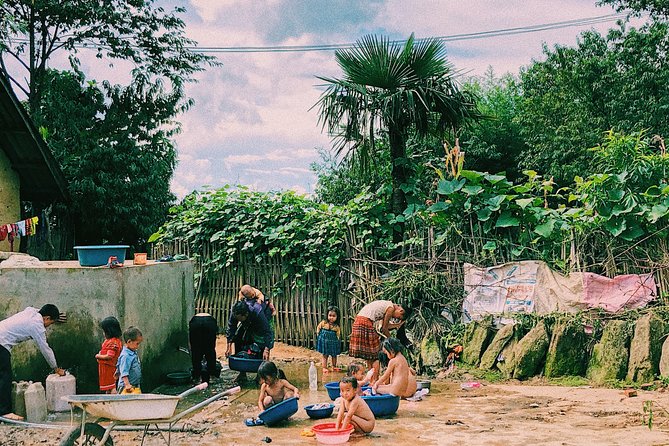
Day 2 starts with breakfast, then check-out from the homestay. After that, you continue trekking through Giang Ta Chai Village, then into a bamboo forest stretch, and finish at Su Pan.
That mix is smart for a two-day format. Giang Ta Chai Village keeps the village thread going, while the bamboo forest adds a different texture to the trail. Instead of repeating the same kind of walking from Day 1, you get another change of scenery and atmosphere.
As you approach the end of the trail, the tour shifts back into practicality. A car will be waiting at the end to take you back to Sapa town. That means you don’t have to negotiate transport at the finish line, which is a common hassle after short treks.
If you like a clear start and finish, you’ll appreciate this structure. It helps you enjoy the trek itself rather than thinking ahead to what you’ll do next.
Food, Comfort, and the Small Touches That Add Up
At $45 for two days, this tour’s value is mostly in the basics that people often forget to budget for. You’re not paying extra for:
- Breakfast, lunch, and dinner
- Overnight accommodation in a private room
- Bottled water
- Transportation back to Sapa town
- A small-group trek format (max 15)
The comfort is also more thoughtful than you might expect for an overnight trek. The private room at Giay’s Local House helps you recover after Day 1 walking. And since it’s a homestay bungalow setting, you’re not switching hotels or hopping dorm-to-dorm.
Food is a major part of why this works. The shared dinner with your local family is central, and the homestay rhythm makes it feel like part of the cultural exchange. When someone plans a trek around cooking time like this, you usually get more conversation, more explanation, and a more relaxed evening than the typical rushed overnight.
One small caution: dinner is included, but the tour data doesn’t list specific dishes. You can expect traditional Vietnamese-style home cooking, and you’ll likely have the chance to help prepare it. Keep your curiosity open and treat it like a shared meal, not a restaurant order.
Price and Logistics: Is $45 Actually Good Value?
Let’s talk value honestly. $45 per person is low for a two-day package that includes transportation back to town, multiple meals, an overnight in a private room, and a guided cultural night with hands-on indigo dyeing.
So why is it priced like this? Part of it is that the tour is efficient: it focuses on one trekking loop and one homestay base rather than spreading across many hotels. And the group size cap (up to 15) suggests the provider can keep costs controlled while still providing guide-led support.
A few details that improve logistics for you:
- Pickup is offered.
- You’ll receive a mobile ticket.
- It’s typically booked about 5 days in advance, which tells you it’s popular but not always sold out weeks early.
- Group discounts are available, which can reduce the per-person cost if you’re traveling with others.
What’s not included is also clear. Tips aren’t included, and insurance isn’t included. That’s normal, but it’s worth planning for so you don’t get surprised at the end.
Weather matters too. The tour requires good weather, and if it gets canceled due to poor conditions, you’ll be offered a different date or a full refund. That’s important in Sapa, where trail conditions can change.
Who This Tour Suits Best (and Who Might Want Something Else)
This is a strong match if you want a Sapa experience that feels personal and active. You’ll enjoy it most if you like:
- Cultural activities you actually participate in (garden time, market ingredient shopping, cooking, dyeing fabric)
- Trekking that stays organized and guided through specific village stops
- An overnight stay that’s comfortable enough to feel restful
It’s also ideal for first-time Sapa visitors who don’t want to plan a DIY route. The tour handles the key pieces: meals, overnight, and transport back to town.
You might not love it as much if you strongly dislike any sales pressure along the trail. One drawback that comes up on this route is excessive pushing of local sales people. You can still do the trek, but you’ll want to keep a calm, polite boundary mindset so it doesn’t ruin the day.
Should You Book This Sapa Local Life Trek?
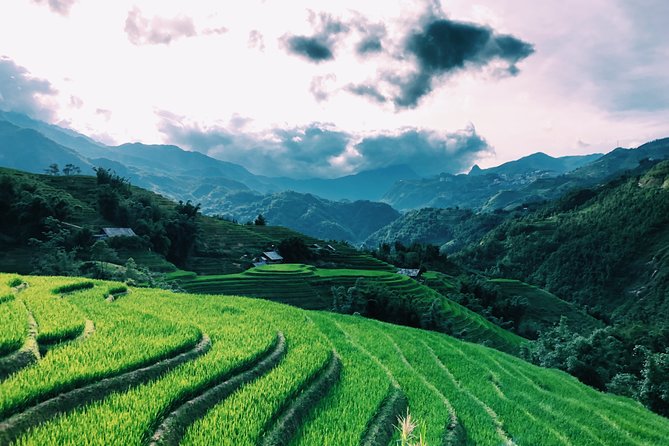
If you want rice terraces and real village culture, this is a book-worthy option. The combination of a guided two-day trek, a private overnight at Giay’s Local House, cooking with a local family, and hands-on H’mong indigo dyeing is exactly the kind of package that turns Sapa into more than scenery.
Book it if you:
- Want a small-group experience (up to 15)
- Care about doing cultural activities, not just watching them
- Like the idea of taking home a craft you made yourself
Consider something else if you:
- Hate being interrupted by sales pitches while walking
- Prefer a trek with minimal community stops and fewer social interactions
If your schedule is flexible and you’re ready for good-weather conditions, this tour has enough included value to feel like a smart deal rather than a short lived add-on.
FAQ
What is included in the Sapa 2-day trek and homestay?
You’ll get breakfast, lunch, and dinner dining with the local family, plus overnight at Giay’s Local House in a private room. The tour also includes transportation back to Sapa town and bottled water.
Where do I stay overnight?
You stay overnight at Giay’s Local House in Ta Van Village, in a private room.
How long is the tour?
The duration is about 2 days.
Which villages are included on the trek?
The trek includes Y Linh Ho, Lao Chai, Ta Van, Giang Ta Chai Village, the bamboo forest area, and Su Pan.
Is pickup available?
Yes, pickup is offered.
Do I get to dye fabric or is it just a demonstration?
You’ll learn the indigo dyeing tradition and you receive a piece of fabric to dye yourself, which you can take home.
Is bottled water included?
Yes, bottled water is included.
What happens if the weather is bad?
The tour requires good weather. If it’s canceled due to poor weather, you’ll be offered a different date or a full refund.
Is free cancellation available?
Yes. You can cancel up to 24 hours in advance for a full refund. If you cancel less than 24 hours before the experience starts, the amount paid is not refunded.