REVIEW · KATHMANDU
7 Days Langtang Valley Trek from Kathmandu
Book on Viator →Operated by Nomad Mountain Club - NMC · Bookable on Viator
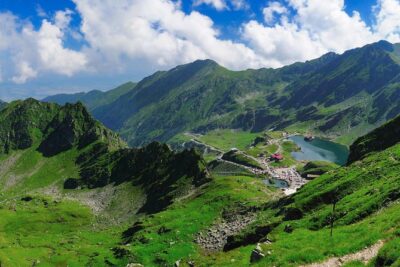
Langtang gets you on the trail fast. The big win here is how close it is to Kathmandu, so you spend more time hiking and less time bouncing around in a vehicle. I also like that the route mixes Tamang and Tibetan-influenced villages with serious mountain scenery, including peaks such as Langtang Lirung, Dorje Lakpa, and Yala Peak.
The second reason this trek appeals to me is the payoff around Kyanjin Gompa. You get the cultural stop at Kyanjin Gompa and then you also have a timed early-morning visit to Kyanji View (4,800m / 16,404ft) for sunrise views, which is the kind of planning that turns a long day into a memorable morning. Past trips have highlighted guides like B iru and Amrit for being steady, supportive, and practical on the ground.
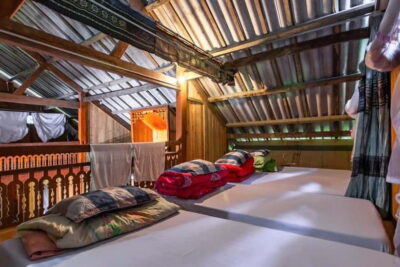
One consideration: the trek-side lodging is guest-house style, and at least one traveler found the accommodation and food average rather than fancy. Also, while the itinerary is described as not overly testing, you should still be ready for a moderate fitness level and the reality of higher elevation days.
In This Review
- Key highlights worth your attention
- Getting to Langtang: the Kathmandu-to-trail advantage
- Day 1 Shyabrubensi (via a forest drive): setting the pace
- Day 2 to Day 3 along the Langtang Khola: woods, bridges, and views
- Day 4 Kyanjin Gompa: yak pastures, mani divider, and higher altitude
- Day 5 Kyanji View sunrise (4,800m) and the downhill back toward Lama Hotel
- Day 6 Syabrubensi: lush vegetation and a legs-almost-free finish
- Day 7 return to Kathmandu: rest with a real change of gear
- What you’re really paying for: permits, guide quality, and logistics
- Your best-value add-ons: what’s not included and what to plan for
- Who this trek suits best (and who should reconsider)
- Should you book Nomad Mountain Club for the Langtang Valley Trek?
- FAQ
- What time does the Kathmandu pick-up start?
- How long is the Langtang Valley trek?
- What is included in the price?
- Is hotel pickup and drop-off included?
- Are permits included?
- How is transportation handled to the starting point?
- What kind of accommodation is provided on the trek?
- What about meals?
- Is this trip private or shared?
- What fitness level do I need?
- Can I cancel and get a refund?
Key highlights worth your attention
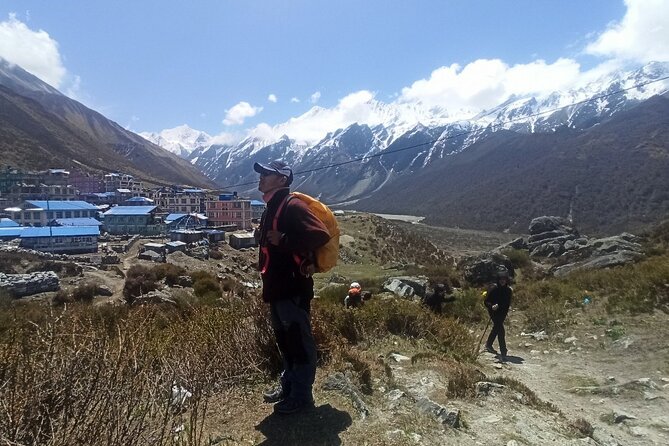
- Kathmandu pick-up at 6:30am: You start with a morning handoff and drive through forested hills toward Shyabrubensi.
- Langtang Khola trail personality: Thick woods, tea-houses, and suspension bridges give you a varied walking day, not a single-note hike.
- Kyanjin Gompa area culture + altitude: Yak pastures, chortens, and crossing big spiritual landmarks as you go higher.
- Kyanji View sunrise timing (4,800m): A very specific early visit that can make the entire valley feel worth it.
- Permits and paperwork handled: TIMS card plus Langtang National Park/Conservation Area permit are included.
- English-speaking guide + first-aid support: A guide on the ground and a first-aid kit carried by the guide.
Getting to Langtang: the Kathmandu-to-trail advantage
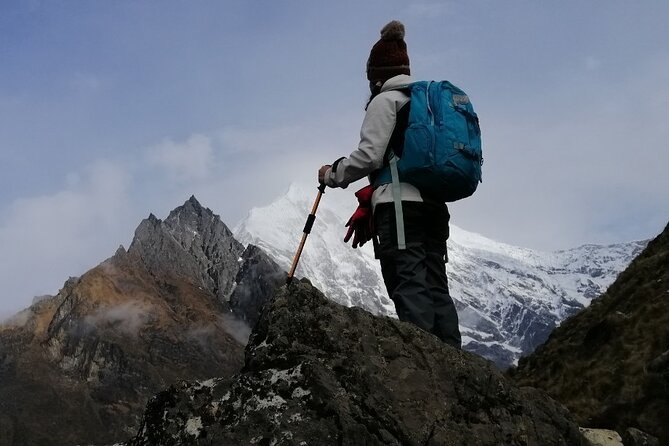
A lot of Himalayan treks have a deal-breaker: you lose half the trip to travel days before your boots even hit dirt. Langtang is different. You’re based out of Kathmandu, and the trek is close enough that the schedule focuses on walking days rather than long transfers.
That matters for two reasons. First, you get more time for the actual experience: river valleys, forest trails, high alpine views, and village stops. Second, you’re less likely to arrive already worn out from days of road travel. If you like your adventure to start quickly, this is a strong match.
You can also read our reviews of more tours and experiences in Kathmandu.



Day 1 Shyabrubensi (via a forest drive): setting the pace
Day 1 starts with an early hotel pick-up in Kathmandu around 6:30am, followed by a drive that runs through lush green forest and winding roads across the hills. The goal of this day is not to race. It’s to get you to the trailhead area and let your body adjust to being on a trek routine.
You’ll end the day at Hotel Garden Inn Shyfru Bensi (listed as Shyfru Bensi / Shyabrubensi in the itinerary). What I like about starting here is that it makes the trek feel like a real transition day: you’re not hiking straight away, but you’re also not stuck in a random in-between place. It’s also a practical way to keep Day 2 from feeling like a wall of effort.
Day 2 to Day 3 along the Langtang Khola: woods, bridges, and views
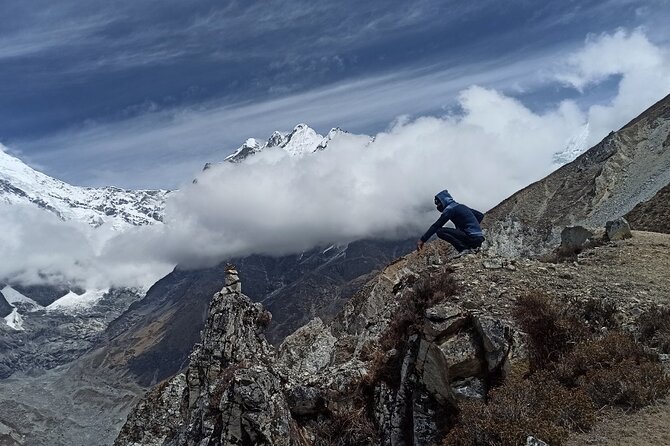
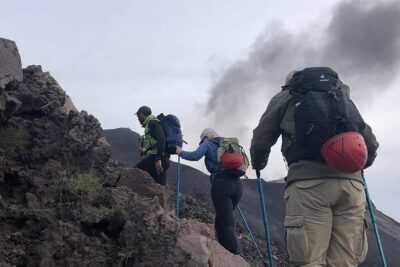
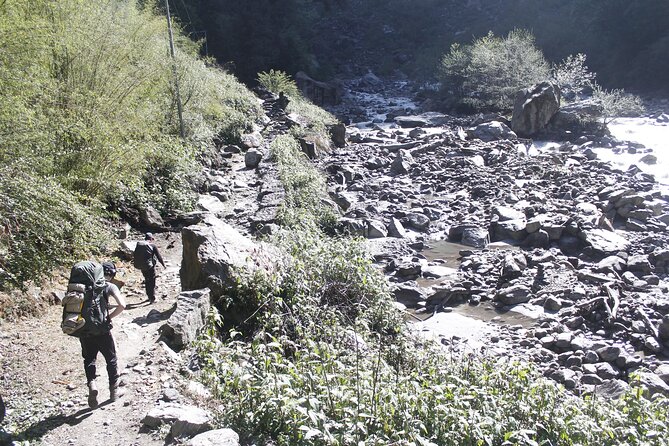
Day 2 is your first trek day, following the Langtang Khola (river). You move through thick woodlands, cross a few suspension bridges, and pass tea-houses along the way. Even though the trail is described as looking steep, it’s also presented as not overly testing. That’s a helpful combination for many first-time Langtang hikers: you get excitement from the terrain without needing extreme technical ability.
Tea-houses matter more than people think. They break the day into manageable chunks and give you a chance to reset—snack, drink something warm, and keep your pace steady rather than charging through everything. Also, suspension bridges add a small dose of novelty, and they’re one of those details you remember later because they change the rhythm of walking.
Day 3 pushes further into the valley trek route. The trail continues through thick woods, then opens up for grand views of Langtang-Lirung. Along the way, you pass water-related structures and see chortens, plus hillside scenery that feels more dramatic as you go. If you like treks where the scenery gradually turns from forest to big mountain moments, this day does that job.
Day 4 Kyanjin Gompa: yak pastures, mani divider, and higher altitude
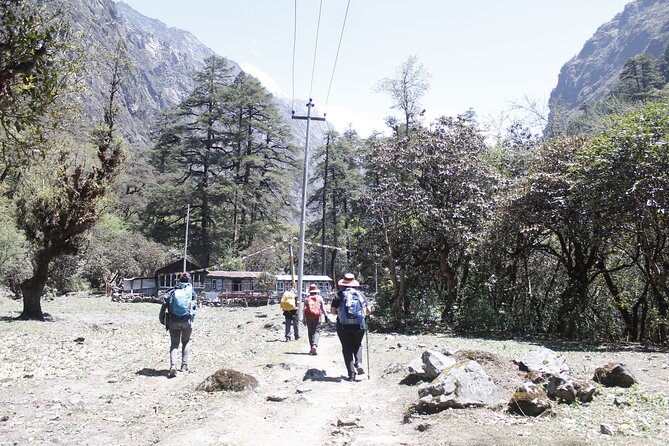
Day 4 is where Langtang starts to feel more than scenic. You leave town behind and head into an area with yak pastures, plus crossings and small climbs that reflect real elevation change. The itinerary notes crossing the biggest Mani divider in Nepal and passing wooden scaffolds, which hints that this route has a visible mix of faith landmarks and trail infrastructure.
Then comes Kyanjin Gompa. This is the core cultural stop for the trek. You’re not just walking to a photo viewpoint—you’re moving through a working mountain culture where monasteries and religious markers sit in the middle of daily life. The walk here also signals that the air feels different. The itinerary even suggests you may start to feel the elevation as you go higher, so it’s a good day to keep your effort smooth rather than forceful.
Practical note: when you’re climbing into higher zones, your pace should slow naturally. If you try to hike like you’re on a flat city sidewalk, you’ll likely burn out faster than you expect.
Day 5 Kyanji View sunrise (4,800m) and the downhill back toward Lama Hotel
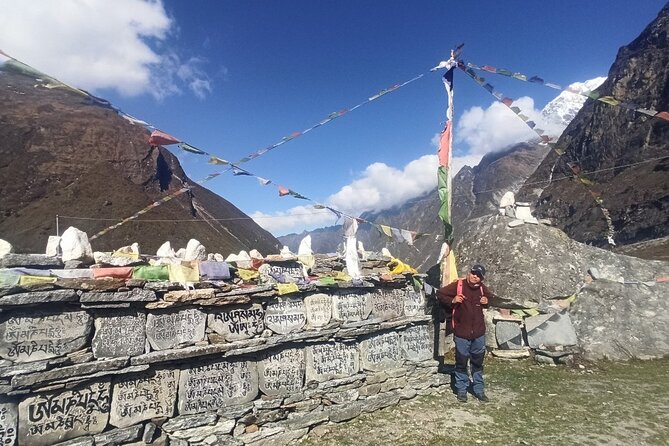
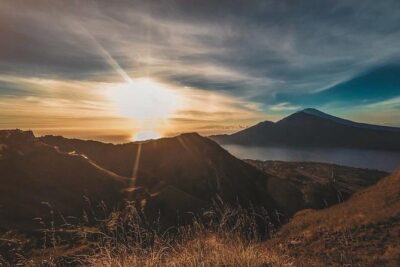
Day 5 starts early with a visit to Kyanji View (4,800m / 16,404ft) for sunrise views. This is a very specific plan, and that specificity is a big part of the value. A lot of treks give you viewpoints at vague times. Here, you get a timed moment: go up early, watch the sky change, and then transition into the next walking segment.
After breakfast, you continue onward and the itinerary frames it as a downhill walk back toward Lama Hotel, described as about a 4 to 5-hour stroll from Kyanjin Gompa. Downhill days can feel easier mentally, but your knees and ankles will still notice. If you tend to stomp when you’re tired, use lighter steps and keep your balance. Trek poles can help, especially on steep or uneven descents.
What I like about this day is that it mixes two kinds of satisfaction: a high-altitude sunrise payoff and then a walking day that feels like recovery compared with the harder climbs. It’s a rhythm that keeps the trip from feeling like constant grind.




Day 6 Syabrubensi: lush vegetation and a legs-almost-free finish
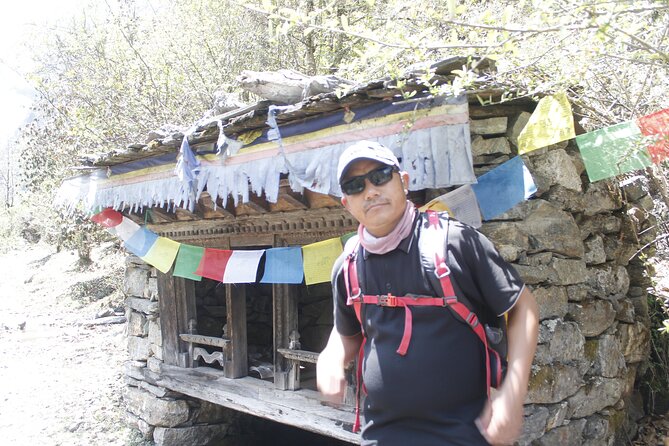
Day 6 is a trek down to Syabrubensi, listed as about a 5-hour walk. The description leans into the simple downhill trail through lush green vegetation, with lunch after arrival.
This is often when you realize the trek is really ending. The day feels more forgiving because you’re not pushing toward a higher goal. Still, don’t underestimate the “downhill” part. Your muscles relax, but your joints work harder.
The itinerary also hints at some spare time on arrival (the text is truncated, but it clearly suggests you may have downtime). If you’ve got a little time, it’s a nice moment to stretch, shower if available, and organize your gear for the final day ride back.
Day 7 return to Kathmandu: rest with a real change of gear
On Day 7, you drive back to Kathmandu and transfer to your hotel. Then it’s your leisure time: you’re back in the city, able to sit down properly, eat something you actually crave, and let your feet recover.
This final day is more than a checkbox. Trek fatigue can linger even after you finish hiking, so having a straightforward return day helps you enjoy Kathmandu instead of spending it in pain. It’s also a good buffer for anyone who wants to connect the trek with additional sightseeing afterward.
What you’re really paying for: permits, guide quality, and logistics
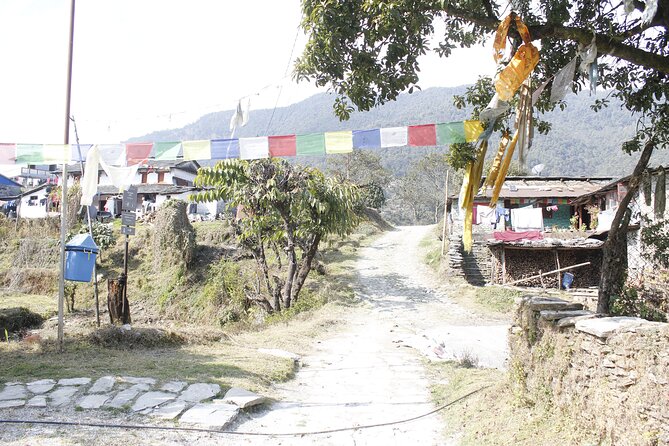
The listed price is $410 per person for an approximately 7-day trek. On paper, that can look like a bargain or a lot, depending on what you compare it to. Here’s the value angle: the package includes the things that usually cost money and time to handle yourself—an English-speaking guide, hotel pickup and drop-off, accommodation during the trek in guest houses, sharing bus transportation to and from the starting point, and required access paperwork (Langtang National Park/Conservation Area permit plus the TIMS card).
It also includes a first-aid kit carried by the guide, which is a small line item that matters when you’re far from clinics.
One of the strongest themes from guide praise is consistency. Names like Biru and Amrit show up in past trip feedback for being warm, supportive, and focused on safety and comfort. You don’t need a celebrity guide persona on a trek like this. You need someone who keeps the day moving, explains what you’re walking through, and watches the pace so your group finishes each section feeling functional.
Your best-value add-ons: what’s not included and what to plan for
The package does not include personal expenses or gratitude (optional). Since personal expenses aren’t itemized, you’ll want to budget for the in-between costs that pop up on any multi-day trek. A practical approach is to carry enough cash for tea-house stops, snacks, hot drinks, and any small purchases along the route.
Meals and drinks aren’t clearly listed as included, so you should assume you’ll be paying for a good part of your day-to-day nourishment at tea-houses. The itinerary does mention tea-houses, but it does not say food is included in the price. When you plan your trip budget, that’s the kind of detail that prevents surprises.
Also, the itinerary notes private trip for your group, plus group discounts. That combination can be great if you’re traveling with friends and want your own pacing, while still getting some pricing help.
Who this trek suits best (and who should reconsider)
This trek fits best if you want big mountain scenery without a multi-week logistics puzzle. You should be comfortable with moderate physical fitness and a schedule that includes early mornings and steady walking days.
Choose it if you like:
- a trek that’s accessible from Kathmandu
- a cultural stop that includes Kyanjin Gompa and spiritual landmarks
- sunrise timing at a specific viewpoint (Kyanji View)
- hiking days that are long enough to feel like a trek, but not described as extreme endurance slogs
You might reconsider if you:
- need guaranteed high-comfort lodging and high-end food every night
- prefer a trip where meals and drinks are clearly included in the package price
- hate early departures (pick-up is listed around 6:30am)
Should you book Nomad Mountain Club for the Langtang Valley Trek?
I’d book this setup if your priorities are clear: more trail time, a guided route with the paperwork handled, and a real chance at memorable views—especially that Kyanji View sunrise moment.
It also feels like a sensible choice for first-timers to Langtang because it’s structured: guided pacing, guest-house stays, and a route that blends forest trekking with higher-elevation cultural highlights. The main downside is that lodging and food may not be a highlight, so if you’re the type who wants comfort to be the star of the show, this might disappoint.
If you want a trek that respects your time and delivers the mountains and culture with practical guidance, this is a solid bet.
FAQ
What time does the Kathmandu pick-up start?
The start time is listed as 6:30am.
How long is the Langtang Valley trek?
The duration is listed as 7 days (approx.).
What is included in the price?
The included items are hotel pickup and drop off, an English-speaking guide, accommodation during the trek in guest houses, sharing bus transportation to/from the starting point, Langtang National Park/Conservation Area permit and TIMS card, a first aid kit carried by the guide, and a private trip.
Is hotel pickup and drop-off included?
Yes. Hotel pickup and drop-off are included.
Are permits included?
Yes. The Langtang National Park / Conservation Area Permit and TIMS card are included.
How is transportation handled to the starting point?
You travel by sharing bus to and from the starting point.
What kind of accommodation is provided on the trek?
Accommodation during the trek is listed as guest house stays.
What about meals?
The tour inclusions list accommodation and a guide, but they do not specifically list meals. Personal expenses are not included, so you should budget for what you eat during tea-house stops.
Is this trip private or shared?
It’s listed as a private trip. Only your group will participate.
What fitness level do I need?
The additional info states travelers should have a moderate physical fitness level.
Can I cancel and get a refund?
Yes, it’s free cancellation. You can cancel up to 24 hours in advance for a full refund.