REVIEW · ETHIOPIA
6 Days Bale Mountains Trekking
Book on Viator →Operated by Armaye Ethiopia Tours · Bookable on Viator
Ethiopia’s high camps mean real wildlife. This 6-day Bale Mountains trek strings together Dinsho birding, alpine wolf country, and a hike into Harenna Forest, with pickup at Goba and a small group size.
I love the chance to see endemic mammals and birds up close, from Menilik’s Buchbuck and Mountain Nyala to Black-headed siskin and Wattled Ibis. I also like how the trip is run with a calm, personal touch, with guides such as Armaye (and Awel/Awol on some departures) and quick pre-trip communication.
The one thing to plan for is the altitude and the walking days: you’re sleeping around 3,100–3,900m and you’ll do an 18-kilometer hike on Day 2.
In This Review
- Key points before you go
- Where the Bale Mountains trek starts: Goba Airport to Dinsho
- Day 1 at Bale Mountains National Park HQ: Juniper woodland wildlife at 3,100m
- Day 2 to Sodota Camp: 18km between the Wolla and Web rivers
- Day 3 through Mararo Valley: eagles nesting and another shot at Ethiopian Wolf
- Day 4’s geology day: super-volcano ridges and ice-age shaping
- Day 5 in Harenna Forest: waterfall walk, bamboo trail, and Bale Monkey
- Day 6: transfer back to the airport after camp
- Small group trekking with Armaye Ethiopia Tours: what that means in real life
- Price and what you actually get for $488
- Pace, altitude, and your packing priorities (based on the schedule)
- When weather matters: how the trek handles bad conditions
- Should you book this 6-day Bale Mountains trekking tour?
- FAQ
- What is the duration of the Bale Mountains trekking tour?
- Where do you get picked up, and where does the trek start?
- What is included in the price (at $488 per person)?
- What is not included in the tour price?
- How big is the group?
- What fitness level do I need?
- What kinds of wildlife and birds might I see?
- Does the tour include Harenna Forest?
- What happens if weather is poor?
Key points before you go
- Pickup from Goba and drive to Dinsho so Day 1 starts without stress
- Endemic wildlife focus around Bale Mountains HQ, including Mountain Nyala and Menilik’s Buchbuck
- Real hiking distances at altitude, including an 18 km day and multiple 7–9 hour trekking days
- Harenna Forest on Day 5, plus waterfall and a bamboo trail walk
- Small group limit (max 10) for a more personal, manageable pace
Where the Bale Mountains trek starts: Goba Airport to Dinsho
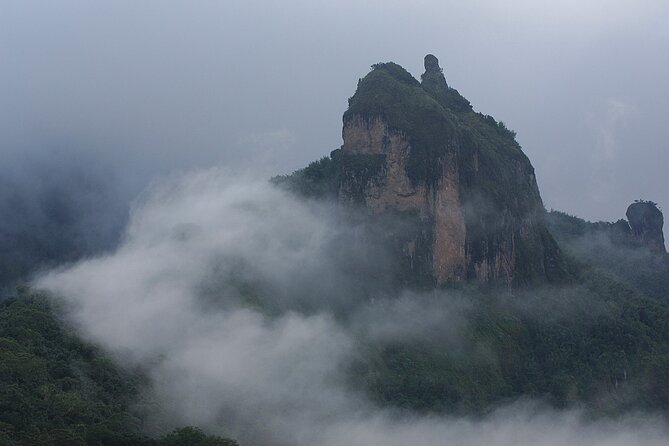
This trek begins with pickup from Goba airport, then a drive to Dinsho for the park headquarters area. It’s a nice setup because you aren’t spending your first day figuring out logistics—you go straight into mountain life.
Dinsho sits at about 3,100m, which you’ll feel right away. If you’re the type who gets cold fast, start layering immediately when you arrive—higher ground and evenings in the Bale Mountains can feel sharp.
You can also read our reviews of more tours and experiences in Ethiopia.
Day 1 at Bale Mountains National Park HQ: Juniper woodland wildlife at 3,100m
Day 1 is your first hit of the Bale Mountains’ special feel. You walk through the park headquarters area, which matters because this is where you have a strong chance at seeing animals that are unique to Ethiopia, plus birds that don’t show up everywhere else.
You’re aiming for a mix of endemic and endangered mammals such as Menilik’s Buchbuck, Mountain Nyala, Warthog, Reedbuck, Gray Duikers, and Baboons. On the bird side, look for Black-headed siskin, Wattled Ibis, and Abyssinian cat bird in the juniper woodlands.
What I like about this start is that it gives you variety without exhausting you. You’re still getting that full-wildlife excitement, but you’re not jumping straight into the toughest day.
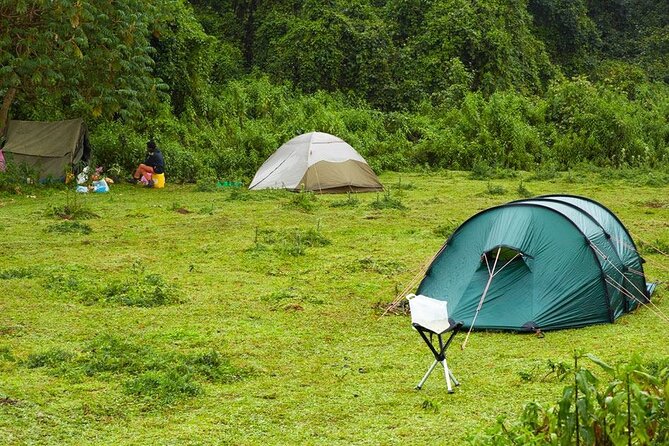
Overnight is at Dinsho Campsite (3,100m). It’s camping, so think “in nature” rather than “hotel.” You’ll want sleep like it’s part of the trek plan, because the next days build.
Day 2 to Sodota Camp: 18km between the Wolla and Web rivers
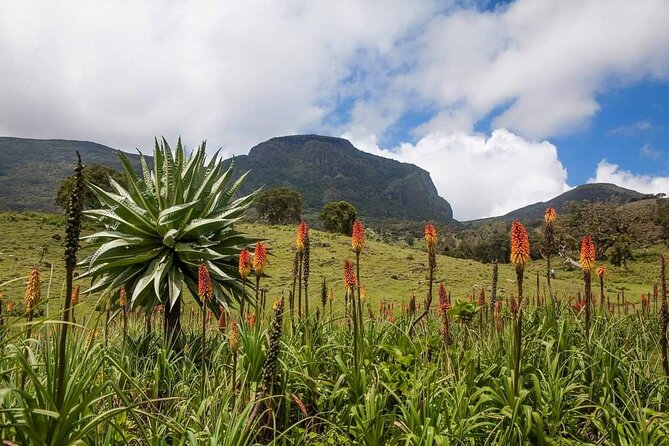
After breakfast, Day 2 sets the walking tone with an 18-kilometer hike to Sodota Camp. The route runs near the Wolla and Web rivers, and that helps break up the day. Water plus altitude tends to mean cooler air and more frequent sighting opportunities.
This is also one of your best days for “highland Ethiopia” wildlife. You might spot Ethiopian Wolf, plus rock hyrax, and birds of prey. Even when you don’t see a specific animal, this kind of hike keeps your eyes moving, which is half the fun on a wildlife trek.
Sodota Camp sits around 3,500m, so you’ll be in that thin-air range again by night. If you’re prone to breathlessness, take it slow on the climbs. A steady pace beats “fast for five minutes” in this kind of altitude day.
Your overnight is Sodota campsite, around 3,500m. The good news: the day is long enough to feel like a real trek, but it’s not trying to be a forced march.
Day 3 through Mararo Valley: eagles nesting and another shot at Ethiopian Wolf
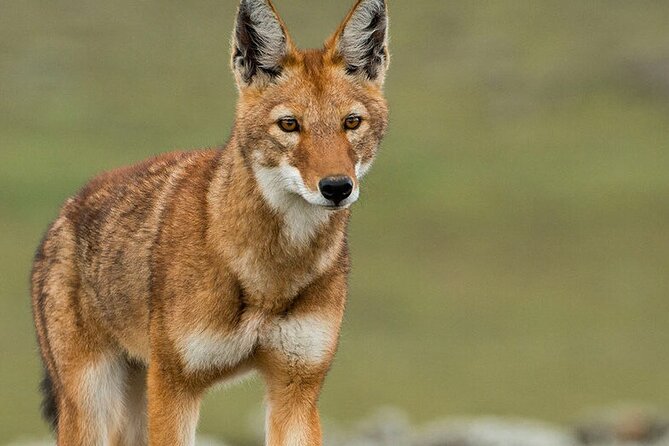
Day 3 keeps you in Bale Mountains National Park, trekking for about seven hours through Mararo Valley. This day has a strong birding angle: you may see eagles nesting alongside verros as you pass through.
It’s also another day where an Ethiopian Wolf sighting is possible, along with several distinctive bird species. That “possible but not guaranteed” feeling matters here because the Bale Mountains reward patience. Your job is to keep moving quietly and not get in your own way.
If you’re comparing this trek to more classic “big game” safaris, this one is different. You’re reading the habitat—valley edges, nesting areas, and changes in vegetation—more than scanning for a single animal from far away. It’s slower in feel, but it gets more satisfying once you start noticing what’s around you.
Overnight is at Wasema campsite, around 3,900m. That’s high. Expect colder nights and plan to keep your body warm early, not just when you feel it getting chilly.
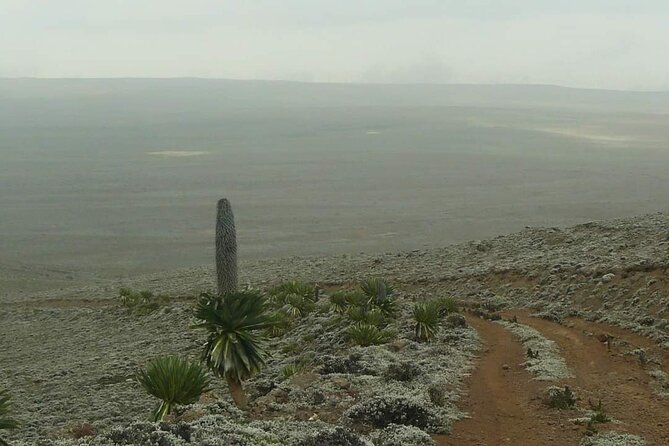
Day 4’s geology day: super-volcano ridges and ice-age shaping
Day 4 is described less in wildlife terms and more in how the mountain itself formed. As you trek, you’ll see how the local range’s formation comes from a prehistoric super-volcano—and how the ice age also shaped Ethiopia’s relief.
What’s useful for you: this is the day where you can connect the dots between what you’re walking on and what you’re seeing. When you notice ridges, valleys, and how the terrain changes, you’ll understand that these aren’t random shapes. They’re the result of major events over a huge timescale.
This day runs about eight hours. If the earlier days felt like “animal and river,” Day 4 feels like “terrain education while you walk.” It’s a nice balance, and it helps the trek feel more than just point-to-point hiking.
Admission is included on the day’s programming, so you’re staying inside the protected area without having to think about extra fees mid-trip.
Day 5 in Harenna Forest: waterfall walk, bamboo trail, and Bale Monkey
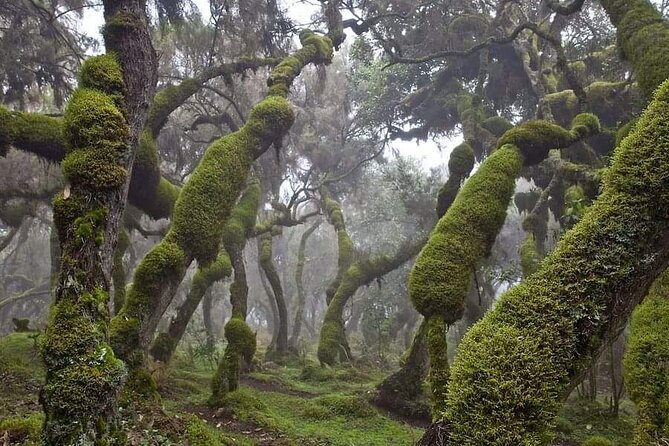
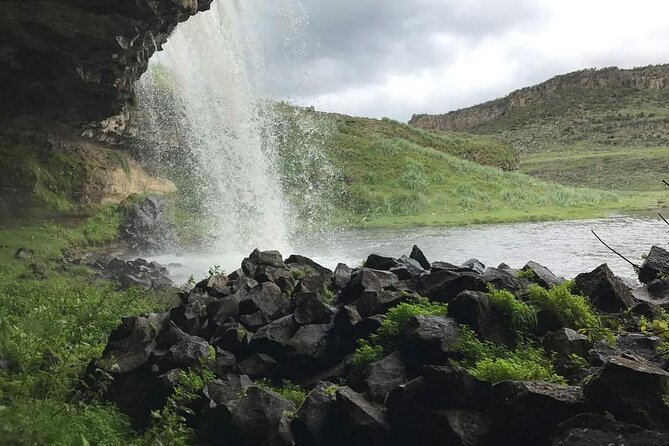
Day 5 takes you away from the classic high-altitude feel and into Harenna Forest, described as the second tropical rain forest in Ethiopia. That shift is a big deal. The air, the soundscape, and the way animals show themselves can feel totally different once you enter forest terrain.
You’ll drive toward Harenna Forest, then hike to a waterfall and a bamboo trail. If you like variety in a single trek, this is the day.
Wildlife here includes canid species such as Ethiopian Wolf again, plus Abyssinian Hare. Water birds may include Blue-winged Goose, Ruddy shell duck, and Wattled Crane. And you should keep your eyes open for the Bale Monkey in the area, along with other bird species.
This is also the kind of day that rewards silence and slow steps. In dense forest, quick movement doesn’t help you see more—it usually just raises your own stress level.
Overnight is Tokuma or similar. You’ll be in a different camp vibe than the earlier high camps, but you should still treat nights as cool and make sleep a priority.
Day 6: transfer back to the airport after camp
Day 6 is simpler: after breakfast, you transfer to the airport for your flight back to Addis. The transfer time is listed as about two hours, so you’re not ending your trek with a long haul on your legs.
One practical note: domestic flight fees are not included, even though the day ends at the airport for your return flight. You’ll want to budget for that leg separately.
Small group trekking with Armaye Ethiopia Tours: what that means in real life
This tour caps at 10 travelers, which is a sweet spot for a trek. You get enough people to keep the trip lively, but not so many that you lose the personal feel of moving with your guide.
The guiding and coordination side seems to be a real strength for this operator. People highlight quick communication before the trip, and guides named Armaye as well as Awel/Awol for being kind, responsive, and good at making you feel safe while still letting you enjoy the wild parts.
Even if you’re solo, this kind of small-group format can be a comfort. You still do your own pace, but you’re not out there alone with zero support.
The trip also uses a mobile ticket and offers pickup, which reduces the common pre-trek headache of figuring out where to go and how to start.
Price and what you actually get for $488
At $488 per person (6 days approx.), this trek is priced like a wildlife-and-camping experience with structure, not like a bare-bones DIY hike. The value comes from what’s included:
Included items you can plan around:
- Accommodation for the nights during the trek
- Breakfast (5), lunch (5), dinner (5)
- Bottled water
- Coffee and/or tea
- Air-conditioned vehicle for transfers
- All fees and taxes
- Admission tickets included during the trek days described
What’s not included:
- Domestic flight fee
- Tip
- Miscellaneous expenses, like alcohol or souvenirs
For me, the biggest value piece is that meals and camps are handled. When you’re trekking high altitude, the last thing you want is to be thinking about where your next meal comes from. This plan removes that pressure.
The only budget caution is the domestic flight fee. If you’re assembling the full trip from abroad, make sure you don’t accidentally treat the return flights as included.
Pace, altitude, and your packing priorities (based on the schedule)
This trek is listed as requiring moderate physical fitness. The schedule supports that. You’re looking at about 7 hours on multiple days, plus Day 2 with an 18 km hike, Day 4 with about 8 hours, and Day 5 with about 9 hours.
Your highest camp listed is Wasema at about 3,900m. That matters because even people who are fit can get hit by altitude fatigue. Your goal isn’t to “win” the trail. It’s to keep your breathing steady, move consistently, and save energy for the wildlife moments.
Practical packing suggestions (general trekking basics, since the trek includes camping):
- Comfortable trekking boots with good grip
- Warm layers for cold nights at altitude
- A rain layer, because you’re in Ethiopia’s mountain and forest zones
- Reusable water plan, but you can rely on bottled water being provided on the tour
Also, start thinking about footwear and walking comfort early. A long day at 3,500–3,900m can punish bad socks and rushed decisions.
When weather matters: how the trek handles bad conditions
This experience is described as requiring good weather. If it’s canceled due to poor weather, you’ll be offered a different date or a full refund.
That’s an important consideration if you’re planning around fixed-flight schedules. If your flights are flexible, it’s easier to roll with changes. If they’re not, you’ll want to build a little breathing room into your overall Ethiopia plan.
Should you book this 6-day Bale Mountains trekking tour?
Book it if you want a trek that mixes endemic wildlife, high-altitude camping, and a real change of scenery with Harenna Forest. This is also a strong choice if you like planning that’s already handled—pickup, camps, meals, and admission are built in.
Skip it (or think twice) if you’re not comfortable with long walking days or you know you struggle at higher altitudes. Day 2 alone is a serious chunk of hiking, and the camps climb up to around 3,900m.
If you want an Ethiopia highlight that isn’t just a drive-by safari, this trek is the kind of trip that can make your trip feel truly different.
FAQ
What is the duration of the Bale Mountains trekking tour?
The trek runs for 6 days (approx.), starting at 8:30 am and finishing with an airport transfer on Day 6.
Where do you get picked up, and where does the trek start?
You’ll be picked up at Goba airport and then driven to Dinsho town, where the park headquarters area is.
What is included in the price (at $488 per person)?
Included are accommodation, breakfast (5), lunch (5), dinner (5), bottled water, coffee and/or tea, an air-conditioned vehicle, all fees and taxes, and admission tickets.
What is not included in the tour price?
Not included are domestic flight fees, tips, and miscellaneous expenses such as alcoholic drinks and souvenirs.
How big is the group?
The tour has a maximum of 10 travelers.
What fitness level do I need?
The tour says you should have moderate physical fitness.
What kinds of wildlife and birds might I see?
You may see mammals and wildlife such as Menilik’s Buchbuck, Mountain Nyala, Ethiopian Wolf, rock hyrax, Warthog, Reedbuck, and Baboons. Bird examples include Black-headed siskin, Wattled Ibis, Abyssinian cat bird, and eagles nesting in Mararo Valley.
Does the tour include Harenna Forest?
Yes. On Day 5 you’ll drive to Harenna Forest, hike to a waterfall, and walk a bamboo trail. Bale Monkey is mentioned as being seen in the area.
What happens if weather is poor?
The experience requires good weather. If it’s canceled due to poor weather, you’ll be offered a different date or a full refund.