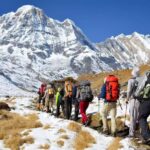
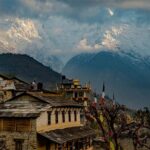
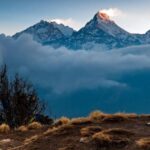
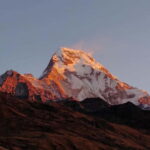
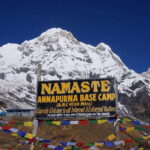
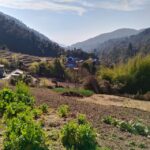
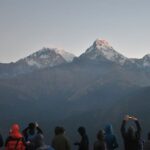
Annapurna views meet Gurung culture in Ghandruk. This private 2 days 1 night trek from Pokhara is interesting because it mixes big mountain panoramas with a real village feel in Ghandruk Village. I love how the route keeps things manageable while still giving you the famous sights of Annapurna, Machhapuchhre (Mt. Fishtail), and Himchuli. I also like the smooth, flexible service, including pickup and coordinated transport that keeps logistics from eating your energy. One consideration: the start time is 12:15 pm, so plan for a mid-day departure and a first day that’s more about getting set up than a long, slow morning.
You’ll begin from Naya Pool near the Pokhara valley and climb through a short section of the well-known Annapurna Base Camp trail before settling into village life. On day 2, after breakfast, you’ll hike back about 2–3 hours to Kimchi, then take a vehicle back to Pokhara.
In This Review
- Key highlights worth knowing
- Pokhara to Naya Pool: setting the tone for your Ghandruk climb
- Day 1 in Ghandruk: mountain views and Gurung village life
- Day 2: the Kimchi walk and the easiest kind of finish
- How hard is it, really: moderate pace, riverbanks, and rice fields
- Price and value: is $200 per person worth it?
- What to pack for a short Ghandruk trek from Pokhara
- Timing and logistics that actually affect your day
- Who this Pokhara to Ghandruk trek suits best
- Should you book this 2-day private Ghandruk trek?
- FAQ
- What is the duration of the 2 Days 1 Night private tour from Pokhara to Ghandruk?
- How much does the Pokhara to Ghandruk tour cost?
- Is the tour private?
- What time does the tour start?
- Where does the trek begin?
- What will I see during the Ghandruk experience?
- How long is the walk back on day 2?
- How do I get back to Pokhara after trekking to Kimchi?
- Is pickup offered, and do I get a ticket?
- What is the cancellation policy?
Key highlights worth knowing
- Private group: only your party joins you, so the pace and stops can feel calmer
- Iconic viewpoints: expect views of Annapurna, Machhapuchhre (Mt. Fishtail), and Himchuli from the Ghandruk area
- Moderate trekking feel: you’ll do some uphill/downhill, including riverbank and rice-field sections
- Short turnaround day: day 2 is a shorter walk (about 2–3 hours) plus vehicle transfer
- Flexible support: the way the service adapts to your timing can make a big difference on a family trip
Pokhara to Naya Pool: setting the tone for your Ghandruk climb
Starting at 12:15 pm changes the rhythm in a good way if you like to travel without rushing. You avoid an early-morning grind, get a chance to settle in Pokhara, and then you move toward the trail when energy is still high. If you’re the type who hates being dragged out at dawn, this timing is a win.
From the Pokhara valley area, your trek begins near Naya Pool. That matters because it helps you ease into the Annapurna region without a long, complicated first day right out of the gate. You’re not jumping straight into a grueling ascent; you’re getting your legs moving while the scenery starts building.
One neat detail: this trek crosses a short section of the Annapurna Base Camp trail. That means you’re on a route that’s part of a bigger trekking story in the region, but your time commitment stays short. You get a taste of the famous trail network, then turn your focus to Ghandruk Village and its culture.
If you’re traveling with anyone who doesn’t want a long day of stairs, or you’re balancing age and energy levels, this “short-and-scenic” approach is a smart fit. It’s not a zero-effort walk, but it’s also not the kind of trek that demands months of high-altitude training.
You can also read our reviews of more tours and experiences in Pokhara.
Day 1 in Ghandruk: mountain views and Gurung village life
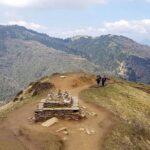
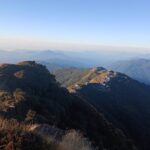
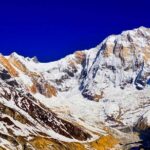
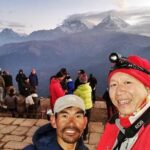
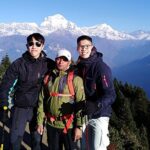
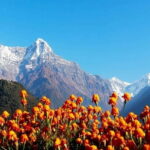
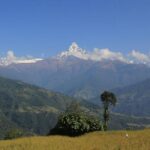
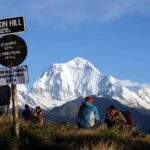
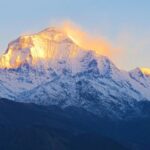
Day 1 centers on reaching and experiencing Ghandruk Village—and the payoff is the view. The Annapurna range, along with Machhapuchhre (Mt. Fishtail) and Himchuli, are the big draw, and the village setting frames them in a way that feels personal, not postcard-flat.
I like that this trek is built around both scenery and culture. The area is known for the Gurung community, and you’ll feel that village rhythm here in a more direct way than you would on a quick viewpoint stop. Even with limited time, it’s the kind of place where local life is close enough to notice: how people move through the day, how the village is organized, and how the mountains sit above everything.
There’s also something practical behind the scenes: people have found the trip well managed end-to-end, including transportation to accommodation. That’s worth caring about. When the travel plan is handled cleanly, you spend your energy on the walk and the views instead of worrying about gaps in the schedule.
Your time in Ghandruk also comes with a cultural “pause.” This is not just a transit point. It’s the place where you wake up in the mountains and see the Annapurna range across the meadows—exactly the kind of morning that makes short treks feel unforgettable.
Also, the Ghandruk stop includes admission ticket free time. That’s a small detail, but it’s helpful. It keeps costs predictable and keeps you from having to track extra entry fees while you’re thinking about weather, layers, and walking time.
The main tradeoff on day 1: because you start at 12:15 pm, you won’t get the full early-day hiking window. For many people, that’s fine. For others—especially if you love sunrise light—you might want to adjust your expectations and accept that your “best photo hour” might be later in the day or the next morning.
Day 2: the Kimchi walk and the easiest kind of finish
Day 2 starts after breakfast, which is exactly how short treks should work. You get time to recharge in the village setting, then you head out on foot again.
The return walk takes about 2–3 hours to Kimchi, which keeps the end of the trek from turning into another half-day ordeal. I like this structure because it helps you end the trip without feeling wiped out. Your legs get one more workable hike segment, then the day turns lighter as the vehicle picks you up for the ride back to Pokhara.
That “walk, then vehicle” finish is also good for mixed groups. If one person is slower, the timeframe still stays realistic. And if you’re already tired from day 1 climbing, day 2 doesn’t punish you with a long descent.
You’ll also notice something comforting in this design: you don’t have to manage the whole journey back by foot. In short treks, that matters. The best ones feel like a loop you can complete confidently.
One more practical point: you’re returning from Kimchi to Pokhara by vehicle, so it’s easier to plan your evening once you arrive. You’re not stuck with an unknown “maybe we keep walking” situation.
How hard is it, really: moderate pace, riverbanks, and rice fields
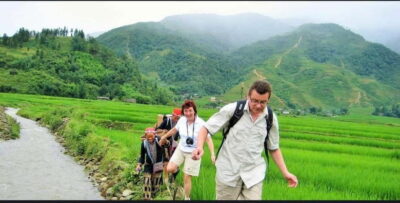
This trek is described as moderate, with few uphill and downhill sections. That aligns with how short, value-focused trekking routes should feel: enough challenge to make it feel like a trek, not so much that the trip becomes survival mode.
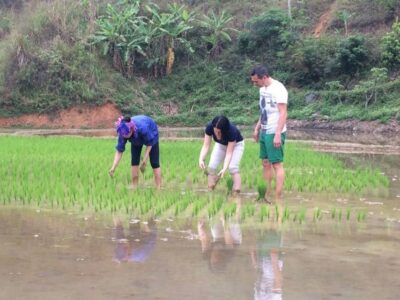
You’ll also pass through sections near river banks and rice fields. These aren’t just scenery extras. They affect your footing and your walking comfort.
- Riverbank paths can be uneven and sometimes feel slippery if conditions are wet.
- Rice-field areas can be muddy depending on season.
- Uphill and downhill that feels “few” still adds up when you’re carrying a small day bag.
So, while this is a moderate trek, it’s not “casual sandals only.” Bring shoes with grip. Take short breaks. And don’t treat it like a race.
If you’re bringing elderly family members, or you’re managing different fitness levels in your group, this kind of route often works better than longer, steeper alternatives. The goal is to keep you moving steadily, with time to stop and look.
Price and value: is $200 per person worth it?
At $200 per person, you’re paying for a private, guided-style experience for 2 days 1 night, including pickup offered and a coordinated setup around transport and accommodation. In Nepal, trekking costs can swing widely depending on how much is organized for you. Here, the value comes from avoiding the most annoying part: piecing together transportation, timing, and overnight logistics.
When service feels flexible and comfortable, the total experience improves fast. People have highlighted that the service was smooth and that the team was humble and available to accommodate anytime. That kind of responsiveness can matter when you’re traveling with family, when weather shifts, or when your group moves at different speeds.
Private pricing is also not just about comfort. It’s about control. If you want to stop for photos, ask questions about the village, or move slower without apologizing, a private setup makes that easier.
The big reason this price can feel worth it: the route is short. You’re not paying for days of complex trekking, guides for a long multi-day grind, or complicated route changes. You’re paying for a smart slice of the Annapurna experience with a culturally meaningful destination.
The key question you should ask yourself before booking: do you want someone else to handle the moving parts? If yes, this is the kind of tour that can feel fair. If you enjoy independent travel and already know how you’ll manage transport and timing on your own, you might find cheaper options. But for many people, the private structure is the deal.
What to pack for a short Ghandruk trek from Pokhara
Because you’re doing one longer walking day (day 1 to reach the village area) and then a shorter return on day 2, you’ll want a pack that’s simple and functional. You don’t need a huge hiking kit, but you do need to think about layers.
Bring:
- Good walking shoes with grip (rice field and riverbank paths can be tricky)
- A light rain layer or dependable weather shell
- A warm layer for the morning and for photo stops
- A day bag for water and essentials
You’ll also be glad you packed a small power bank or charging plan. With a mobile ticket included, it’s easier when your phone battery is reliable. And since you start at 12:15 pm, you may want to keep your essentials ready before you set off.
If you’re traveling with a service animal, the tour notes service animals allowed, so you can plan accordingly.
Timing and logistics that actually affect your day
This tour runs like most good short treks: start in the early afternoon, settle into the village, then return the next morning/early day.
The 12:15 pm start time is the most important logistical detail. If you’re in Pokhara that morning, don’t schedule anything that depends on you being gone by 8 or 9 am. Instead, treat the morning as flexible time to eat well, pick up any last items, and get your bearings.
You’ll also benefit from pickup offered and the fact that it’s a private tour/activity. That usually means less waiting around and less confusion about where your group needs to be. The meeting point is noted, and you’ll get confirmation at booking.
Finally, the “near public transportation” note is helpful if you want a backup plan for getting to your meeting area. It’s not required for everyone, but it adds peace of mind.
Who this Pokhara to Ghandruk trek suits best
This is a strong match for:
- Families looking for a short Nepal trekking holiday
- Elderly travelers who want views without a marathon hiking schedule
- People who want the Annapurna region’s drama—Annapurna, Machhapuchhre, Himchuli—without committing to a long multi-day trek
- Anyone who values easy logistics and a private setup
It’s also a good choice if you want a balance: some walking, a real village experience, and time to enjoy the mountains instead of only moving.
If you’re a hardcore trekker chasing big daily elevation and long-distance hours, you might find the trek short. But if your goal is a meaningful Annapurna taste with a culturally focused destination, this format fits.
Should you book this 2-day private Ghandruk trek?
If you want a short, well-run Pokhara-to-Ghandruk experience with private comfort, coordinated transport, and a real chance to see Annapurna and Machhapuchhre from a village setting, I’d book it. The strongest reason is the balance: moderate effort, meaningful culture, and an ending that doesn’t drain you.
I’d hesitate only if you’re determined to chase an early-morning start every day. The 12:15 pm departure means your first day won’t be built around sunrise hiking. For many people, that’s a fair trade. For a few, it won’t be.
Overall, this is the kind of trip that works well when you want the Annapurna story without turning it into a long, complicated project.
FAQ
What is the duration of the 2 Days 1 Night private tour from Pokhara to Ghandruk?
The tour runs for about 2 days (2 days 1 night).
How much does the Pokhara to Ghandruk tour cost?
The price is $200.00 per person.
Is the tour private?
Yes. It’s a private tour/activity, so only your group participates.
What time does the tour start?
The meeting point/start time is 12:15 pm.
Where does the trek begin?
The trek begins from Naya Pool near the Pokhara valley.
What will I see during the Ghandruk experience?
You can expect views of Annapurna, Machhapuchhre (Mt. Fishtail), and Himchuli, along with the Gurung village cultural experience.
How long is the walk back on day 2?
After breakfast, the return trek to Kimchi is about 2–3 hours walking.
How do I get back to Pokhara after trekking to Kimchi?
After the day 2 walk to Kimchi, you take a vehicle back to Pokhara.
Is pickup offered, and do I get a ticket?
Pickup is offered, and the tour provides a mobile ticket.
What is the cancellation policy?
You can cancel up to 3 days in advance for a full refund. If you cancel less than 3 days before the start time, the amount paid is not refunded.