REVIEW · ETHIOPIA
4 days semien mountain national park trekking,
Book on Viator →Operated by North Ethiopian Tour Operator · Bookable on Viator
Simien Mountains hit fast in the best way. I love the small group size (up to 4) and the fact that your trip includes almost everything you need at camp. You’re set up for real mountain days with an English-speaking guide, a scout, and a professional cook handling the details. One possible drawback: this experience really depends on good weather, and one review notes the trek can feel less impressive in the dry season.
From Gondar to the first camp at Sankaber, this trek has the feel of a classic highland journey, not a rushed checklist. I also like how the day-to-day setup reduces stress: 4WD gets you into the park, and you’re not carrying tents or sleeping gear. If you’re the sort of person who hates uncertainty, keep in mind that the park’s conditions can change your plan.
In This Review
- Key points before you go
- Simien Mountains National Park: World Heritage hiking with real animals
- Price and Logistics: what $2,200 covers (and why it matters)
- Day 1: Gondar to Sankaber with Debark prep and a quick taste of the park
- Day 2: Sankaber to Geech Camp and the rhythm of highland trekking
- Days 3 and 4: finishing the trekking arc inside the park
- What camp life is like: tents, sleeping gear, and a real cooking setup
- Your guides: English support, scouts, and a crew that keeps things smooth
- When to go: dry-season expectations and weather reality
- Who should book this Simien trek (and who should think twice)
- Should you book this 4-day Simien trek?
- FAQ
- How many people are in a group for this trek?
- What’s included in the price?
- What should I bring since camping gear isn’t on me?
- Are flights included?
- Is there free cancellation?
- What happens if the trek is canceled for weather?
Key points before you go
- Small group of up to 4 means quieter hiking and more personal attention.
- All entrance fees, guide, and scout are handled for you.
- Camp setup is included: tents, sleeping bags, and mattresses.
- Food plus bottled mineral water daily keeps the daily rhythm simple.
- Wildlife chances for gelada baboons, Alia ibex, Simien fox, and lots of bird species.
- Weather-dependent experience, with a backup option of a different date or a refund.
Simien Mountains National Park: World Heritage hiking with real animals
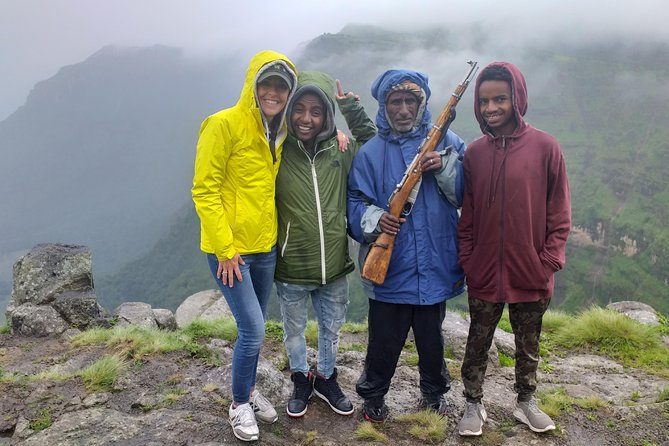
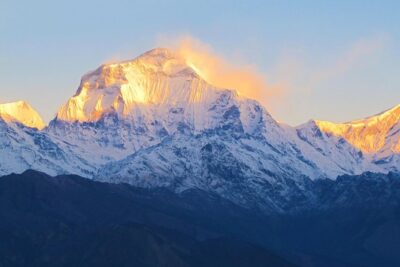
Simien Mountains National Park sits high in Ethiopia, and it’s a World Heritage Site for a reason: the scenery and wildlife here are distinct. You’re in the kind of place where Ethiopia’s highlands feel immediate—big slopes, sharp ridgelines, and a sky that seems close enough to touch.
What I find most compelling is that the park isn’t just about views. The region is famous for animals that are hard to find elsewhere. Look for gelada baboons (often spotted around the first stretch of the trek), plus Alia ibex, Simien fox, and an impressive range of birds—over fifty species are noted for the area. That mix changes how you experience the days. You’re not only hiking; you’re also paying attention to movement, calls, and quick surprises along the trail.
Plant life also plays a role. Even if you’re not a botanist, you’ll likely notice how different parts of the park feel as you move through the terrain. This is the kind of trekking where your senses stay busy, because the setting keeps offering small shocks—an animal sighting, a shifting cloud layer, or a ridge line opening up in an instant.
You can also read our reviews of more tours and experiences in Ethiopia.
Price and Logistics: what $2,200 covers (and why it matters)
The price is $2,200 per group (up to 4). That sounds like a lot until you look at what’s included, because this is not a lightweight, self-catered hike.
You get:
- An English-speaking guide
- A scout
- 4WD transportation to and from Gondar
- All entrance fees
- Tent plus sleeping bags and mattresses
- Plenty of food and bottled mineral water daily
- Complete cooking materials
- A professional cook
Not included:
- Alcohol
- Personal insurance
- Flights
- Tips
For many treks, the costs creep up in the last week: renting gear, buying extra food, paying for park paperwork, and figuring out transport on your own. Here, the big items are already built in. For a small group, that’s real value—especially when you compare it to trying to stitch together local permits, guides, and camp logistics separately.
There’s also a practical benefit to included gear: you can pack for the hike instead of carrying a whole camping kit. And if you’re not a “rough it” person, you’ll appreciate having a tent, sleeping bags, and mattresses rather than improvising with whatever you brought from home.
One caution for your budget planning: alcohol isn’t included, and tips aren’t included. Those aren’t tiny details when you’re budgeting for a group of four, so decide ahead of time what you’ll do on that front.
Day 1: Gondar to Sankaber with Debark prep and a quick taste of the park
Day 1 starts with an early departure from Gondar to Debark, and then onward toward the park. The park office steps are part of your day: you’ll arrange your visit, then you receive your scout and guide before getting driven into the park.
Once you’re in the area, you have a choice that shapes the feel of the first day:
- You can drive all the way to Sankaber, or
- Your 4WD can drop you nearer to Buyit Ras so you can take a short hike first
If you choose the hike option, this is where the trek starts giving you those long, open ridge views right away. It’s also a good moment for animal spotting—gelada baboons are specifically noted as a likely sighting during the early part of the trip.
When you arrive at Sankaber, that’s where the camp rhythm begins. You’re met with supplies, and the day shifts from travel effort to campsite comfort. This matters more than it sounds. The Simien trek is highland walking. The sooner camp is handled well, the sooner you can recover and enjoy the next day.
The main thing I’d watch on Day 1 is pacing. Getting to the park takes energy, and the first hike (if you do it) adds a little more. Keep your start easy, because the trek days ahead are where the experience really forms.
Day 2: Sankaber to Geech Camp and the rhythm of highland trekking
Day 2 moves from Sankaber to Geech Camp—another step deeper into the Simien region. Even without a lot of route detail provided, the structure tells you what matters: you’re transitioning from your first base camp into the heart of the trekking phase.
This is often where trekking starts to feel like trekking: steady walking, frequent stops for views, and the constant background work of altitude and breathing. You won’t be hiking alone, either. Your guide and scout are there for navigation and safety, and your job is basically to follow, pace yourself, and look up when something catches your attention.
Why Geech Camp matters isn’t only the name. Camps are the backbone of how this trek is comfortable. You’ll have the included support system—tent, sleeping gear, cooking setup—so each hiking day ends with the promise that you’re not going to spend your evening figuring out how to eat.
Wildlife odds also make sense on Day 2. The park’s animals don’t show up on a timetable, but with geladas expected early and the region known for ibex and fox, you’ll want to stay alert as the trail bends and the terrain opens.
A balanced note: one review specifically suggests the dry season may not be the best match for everyone, which could affect how the scenery and trekking feel from day to day. If your goal is maximum drama, plan season carefully.
Days 3 and 4: finishing the trekking arc inside the park
The itinerary covers a total of 4 days and includes round-trip 4WD transport to and from Gondar, so Days 3 and 4 are your continuation toward the trek’s end and your return journey.
Because route names for the remaining days aren’t detailed here, I won’t pretend there’s a precise stop list I can recite. What I can tell you, based on how the trek is structured and what’s highlighted about the park, is what you should be ready for:
- More hours walking between camps, with frequent viewpoint pauses
- A continued chance for wildlife sightings (gelada baboons, Alia ibex, and Simien fox are all part of what the park is known for)
- A focus on birds, since the region is documented for over fifty bird species
This is also where the “togetherness” of a small group matters. With up to four travelers, the pace usually stays smoother, and it’s easier for the guide to adjust the hiking speed based on how people feel that day.
Physically, you should expect a trekking effort that rewards consistency. Don’t sprint from camp to camp. Instead, aim for steady output. If you’re the kind of traveler who loves photography, you’ll likely find that Day 3 and Day 4 have the best chances for the kind of ridge views that feel like they go on forever—especially when clouds and light cooperate.
What camp life is like: tents, sleeping gear, and a real cooking setup
This is one of the smartest parts of the offer: camp logistics are mostly handled for you.
Included:
- Tent
- Sleeping bags and mattresses
- Complete cooking materials
- Professional cook
- Plenty of food and bottled mineral water daily
That combo means you’re not living on dry snacks and hope. You’ll have the energy for the next walking day because meals aren’t an afterthought. One review also points out that the chef put in lots of effort and that the food was good, which lines up with the idea that this operator expects camp quality to matter.
A practical tip: even though bottled water is provided, you’ll still want to manage how often you drink. Highland walking can dry you out, and people often underestimate hydration when temperatures feel cooler than expected.
Also plan for the reality that you’re outdoors. Your tent and sleeping bag system helps a lot, but you should still treat these days like a trekking trip, not a hotel stay. Bring layers you can adjust quickly and wear shoes you trust on uneven ground.
Your guides: English support, scouts, and a crew that keeps things smooth
The human side is what you’ll feel most when the trek is moving—because the terrain and timing can’t be negotiated.
The experience includes an English-speaking guide and a scout. In the reviews, Adem shows up repeatedly as a key figure. He’s praised for smooth organization, expertise, and—important—English that makes the trek easier to enjoy. Another named guide in the group context is Jackson, referenced as part of the guiding team.
That matters for two reasons:
- You understand what you’re seeing—wildlife, terrain cues, and how the day will unfold.
- You don’t spend energy guessing. On a trek, uncertainty costs energy.
Crew support also shows up in how people describe the trip: everything runs smoothly, needs are taken care of, and the chef works hard. One review is mixed about the owner, but the consistent message is that the operating team—guide, cook, and support crew—keeps the experience moving in the right direction.
For me, the best sign is that this trek is built to reduce friction: transport, park entry, camp gear, meals, and guidance are all part of the package.
When to go: dry-season expectations and weather reality
The experience requires good weather. If it’s canceled due to poor conditions, you’ll get an option for a different date or a full refund. That’s not a small detail. In high mountain areas, weather changes quickly, and a trek is only fun when conditions cooperate.
One review specifically suggests not recommending the trek for the dry season, with the idea that it could be amazing after rains. That’s useful guidance for your planning: if you care about scenery that feels extra dramatic, you may want to target a season with better post-rain visuals rather than assuming dry equals best.
You should also be ready for cooler air at elevation and the way clouds can shift the feel of the trek. Bring a hat, gloves if you run cold, and layers you can peel off when you’re working uphill.
Who should book this Simien trek (and who should think twice)
This trek fits best if you:
- Want a guided, small-group experience in Simien Mountains National Park
- Prefer that camp gear, meals, and cooking are included
- Are okay with multi-day hiking and a moderate fitness level requirement
It’s also a good option if wildlife sightings are a big deal for you. Geladas are likely early, and the park is known for ibex and Simien fox plus lots of birds.
Think twice if:
- You’re hoping for a guaranteed itinerary day-by-day regardless of weather. This one depends on conditions.
- You’re going specifically for maximum effect in the dry season. One review flags this as a potential mismatch.
- You dislike “basic outdoors comfort.” Yes, sleeping gear and tents are included, but you’re still sleeping in the outdoors, not at a lodge with room service.
If you’re traveling solo, note that the group cap is four—so you won’t feel swallowed up by a big tour bus crowd. If you’re a couple or small family group, this size is also ideal.
Should you book this 4-day Simien trek?
I’d book this if you want a high-value trek where the hard-to-organize parts are handled: English-speaking guidance, park entry, scout support, 4WD access, and camp setup. The included food and professional cooking make it feel like you can focus on walking, looking, and enjoying the highland rhythm.
I’d hesitate if your trip is inflexible or you’re only aiming for dry-season “peak drama.” Weather can affect plans, and the scenery may feel different depending on conditions.
If you like your travel experiences to be practical and human-paced—good guidance, good camp meals, and time to watch for wildlife—this Simien Mountains trekking option makes a strong case.
FAQ
How many people are in a group for this trek?
The maximum group size is 4 travelers.
What’s included in the price?
The tour includes an English-speaking guide, a scout, 4WD transportation to and from Gondar, all entrance fees, tent, sleeping bags and mattresses, plenty of food and bottled mineral water daily, complete cooking materials, and a professional cook.
What should I bring since camping gear isn’t on me?
You’re provided a tent, sleeping bag, and mattress, but you should still pack personal hiking items and clothing suitable for highland weather. Alcohol is not included.
Are flights included?
No. Flights are not included, and you’ll also need personal insurance.
Is there free cancellation?
Yes, free cancellation is available up to 24 hours in advance for a full refund. Cancellations within 24 hours are not refunded.
What happens if the trek is canceled for weather?
The experience requires good weather. If it’s canceled due to poor weather, you’ll be offered a different date or a full refund.