REVIEW · SAPA
Highland Harmony Trek in Sapa
Book on Viator →Operated by Green Sapa Trekking · Bookable on Viator
One morning walk in Sapa can feel too busy. This trek keeps things steady, starting in Muong Hoa Valley and finishing in the quieter Ta Van area, with plenty of time to notice how people live up close. You get big rice-terrace views early, then shift into village paths, home visits, and a lunch that feels like part of the day, not a tourist pit stop.
What I like most is the blend of walking and culture at a comfortable pace. You’ll spend meaningful time in Black H’mong villages like Y Linh Ho and Lao Chai, then reach Ta Van to see Giay stilt houses along the valley floor. I also really appreciate the local lunch in Lao Chai, described as prepared at a Black H’mong home, plus the way guides share stories about daily life—right down to details like traditional dyeing and farming techniques.
One thing to consider: you should have moderate fitness for narrow dirt paths, steep terraced areas, and a day that can run about 6 to 9 hours. And because the trek depends on good weather, fog or rain can change plans, so build in flexibility.
In This Review
- Key points at a glance
- Why this trek feels calmer than most Sapa walks
- Starting at Green Sapa Homestay: your 8:30 AM day plan
- Muong Hoa Valley descent: rice terraces and quiet village lanes
- Y Linh Ho: first Black H’mong encounters above the valley
- Lao Chai Trail: terrace views, river calm, and a homestay-style lunch
- Ta Van Village: Giay stilt houses and a peaceful finish
- What the guide actually adds (and how to get more from it)
- Trail difficulty: what moderate fitness means in real life
- Price and value: what $29 covers and why it matters
- Who should book this trek—and who might skip it
- Should you book the Highland Harmony Trek in Sapa?
- FAQ
- How long is the Highland Harmony Trek?
- Where does the tour start, and what time?
- How many people are in the group?
- Is there an admission ticket fee?
- What fitness level do I need?
- What happens if the weather is poor or I cancel?
Key points at a glance
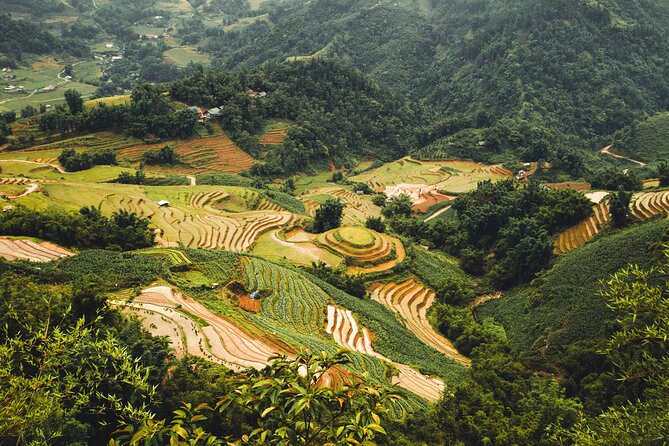
- Small group size (max 10 travelers) helps the walk feel personal and easier to manage on country paths
- Black H’mong + Giay village stops focus on daily life rather than choreographed shows
- Lunch prepared locally in Lao Chai gives you a genuine taste of hospitality in the valley
- Varied walking terrain includes river and forest sections plus bamboo-style trails mentioned in guides’ stories
- Ta Van’s stilt houses and calm finish make the last part of the day feel peaceful, not rushed
- Mobile ticket + pickup from Green Sapa Homestay keeps the start simple at 8:30 am
Why this trek feels calmer than most Sapa walks
Sapa treks can turn into a blur: photo, walk, photo, repeat. This one has a more relaxed rhythm. It starts with a gentle descent into Muong Hoa Valley, then moves through the valley core—Y Linh Ho to Lao Chai—before easing you into Ta Van at the end. That flow matters because you’re not fighting backtracking or doing the same views twice.
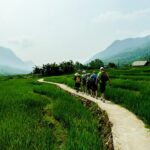
The other calming factor is the tour size. With a maximum of 10 travelers, the guide can keep the group together on narrow paths and slow down where the scenery and village life are best. It also helps with conversations—when there’s room to ask questions and listen, you actually learn more than the basics.
Starting at Green Sapa Homestay: your 8:30 AM day plan
Your day begins at Green Sapa Homestay on Nguyễn Chí Thanh in Sapa, with pickup and the trek start at 8:30 am. The schedule is built for a full-day outing, roughly 6 to 9 hours, and the activity ends back at the same meeting point.
You’ll typically get a mobile ticket, and the important detail is that it removes friction from the start of the day. Instead of scrambling to find paperwork, you can focus on clothing, water, and getting ready for the first walk segment.
At the end, you’re not left to figure out transport back. The vehicle picks you up and returns you to the meeting point. For many people, that’s a big part of the value: you get a real trek without the headache of chaining buses and taxis after you’re tired.
Muong Hoa Valley descent: rice terraces and quiet village lanes
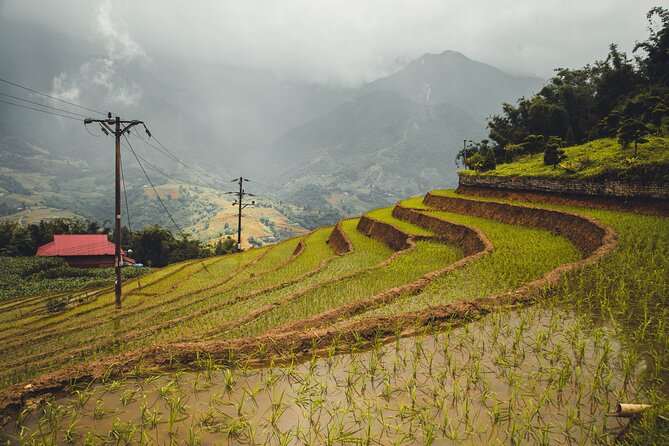
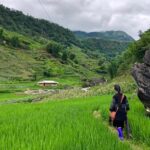
The trek opens in Muong Hoa Valley, with a gentle descent along stone paths and steep terraced hills. This is where the day’s mood starts to set—quiet villages, rice paddies stretching across the slopes, and a sense that you’re moving through a working landscape.
This first section is also one of the best parts for photographers and first-timers. You’re not just looking at far-off views; you’re walking through the valley’s layers. Even if you’re not a hardcore hiker, the early part helps you get your bearings fast: where the paths are, how the terrain changes, and what the pace feels like before the day gets more village-and-river focused.
One practical consideration here: terraced areas can feel steeper than they look on a map. If you’re new to trekking in Sapa, take your time on the downhill and small stone sections. It’s not about speed—it’s about footing and comfort.
Y Linh Ho: first Black H’mong encounters above the valley
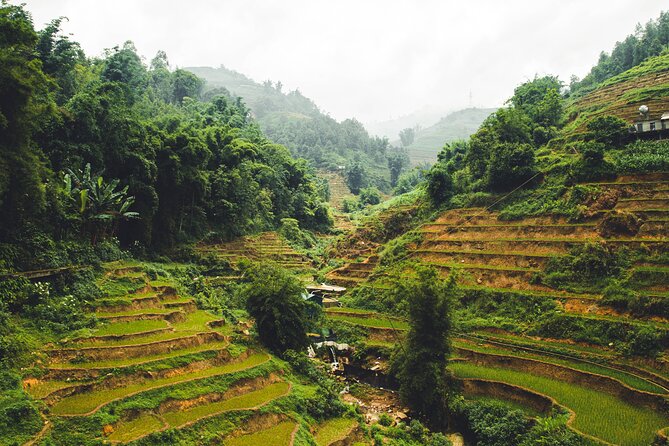
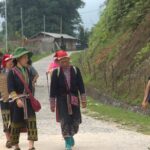
From Muong Hoa Valley, the route rises slightly to Y Linh Ho, a small Black H’mong village tucked into the hills above. This is often the first place you’ll get a deeper sense of local rhythm—how daily routines connect to the terrain, and how village spaces sit within the slopes.
What makes Y Linh Ho special on this route is the mix of early views and authentic interaction. You’re following narrow dirt paths, then pausing long enough to notice what’s around you: the way homes and fields relate to each other, and how people manage daily life with the mountains as your backdrop.
This is also a helpful stop for people who want cultural context without a hard sell. It’s not just walking past buildings. You’re learning the valley’s human side as you go, and guides can connect the scenery to the traditions and farming choices that shape it.
Lao Chai Trail: terrace views, river calm, and a homestay-style lunch
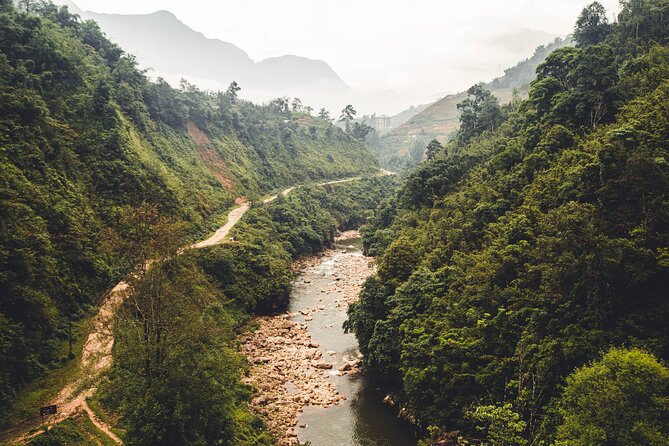
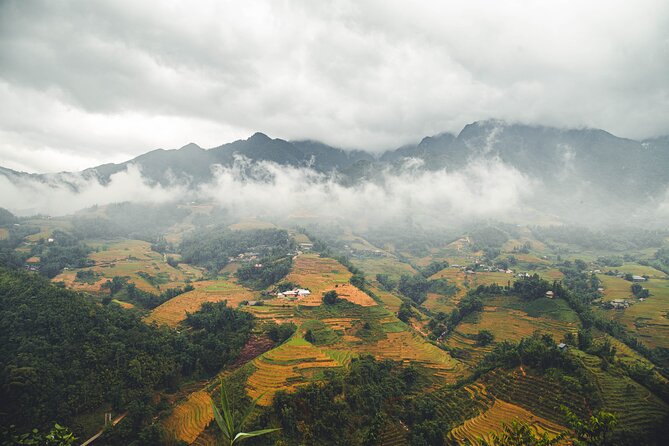
Lao Chai is the heart of the valley on this trek. It’s a larger Black H’mong village, and you arrive surrounded by layered rice terraces and the hum of everyday work. This is the part of the day where you can feel the valley’s scale.
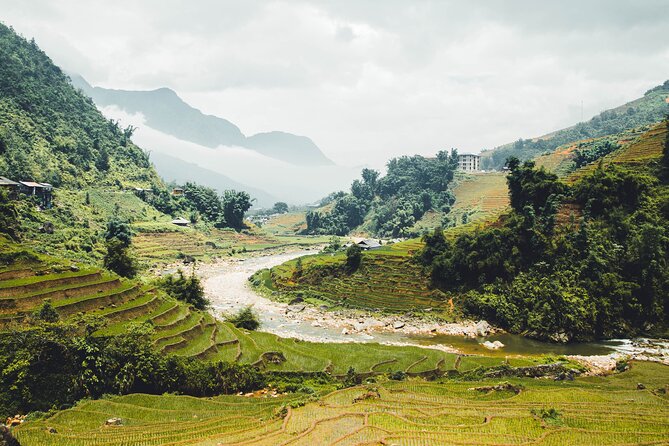
Expect a mix of paths and scenery. There’s mention of calm morning sections along the Muong Hoa River, plus trails that can include bamboo-style walking. Reviews also point to how guide explanations bring this section to life—things like H’mong language and traditions, plus farming techniques and traditional dyeing, including indigo-blue dyeing processes.
Then comes the standout practical piece for many people: lunch at a local H’mong home in Lao Chai. This is not described as a tourist-style meal. It’s presented as locally prepared H’mong hospitality. You’re more likely to feel like a temporary house guest than a customer passing through.
A quick reality check: since lunch happens in a village setting, it may be simpler than what you’d expect in a city restaurant. That’s part of the charm. Just go in with the right mindset—this is about food tied to daily life, not a plated menu experience.
Ta Van Village: Giay stilt houses and a peaceful finish
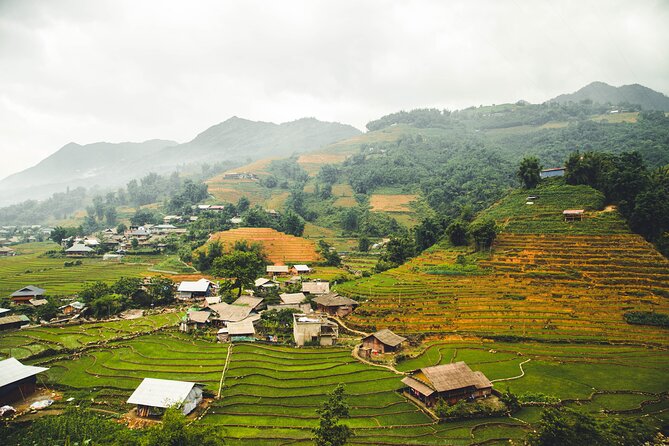
After walking through terraced sections and reaching river crossings, the day ends in Ta Van Village, home to the Giay ethnic group. The vibe shifts here. Instead of the busier energy of a larger village hub, Ta Van is described as tranquil, with stilt houses lining the valley floor.
What you’ll likely notice is how different the settlement feels when you’re down lower in the valley. The surrounding fields and mountain views are still there, but the feel is more grounded and quiet. This makes the end of the trek easier on your body and your brain—you’re finishing with atmosphere, not just effort.
For people who want a meaningful wrap-up, Ta Van is a smart choice. It’s the kind of place where you can sit for a few minutes, take a breath, and actually absorb what you spent the day learning—how these communities live with and around the land.
What the guide actually adds (and how to get more from it)
The guide isn’t just a person holding the group together. On this trek, the guide role is largely about translation between your world and the valley’s daily life.
From what’s described, you can expect explanations about Black H’mong and Giay culture, including everyday practices. Specific stories show up in the way people talk about the day—traditional clothing and dyeing, the meaning behind local customs, and farming techniques connected to rice terraces. There’s also a clear emphasis on keeping the interactions respectful and real, so you’re not just snapping photos and moving on.
If you want to get the most value, come with two or three simple questions you can ask naturally:
- How do you work with the terraces and seasons?
- What does indigo dyeing mean in daily life?
- What’s one thing outsiders usually misunderstand?
You’ll get more out of the walk because the guide has more to work with. And your answers help the day feel personal instead of scripted.
Trail difficulty: what moderate fitness means in real life
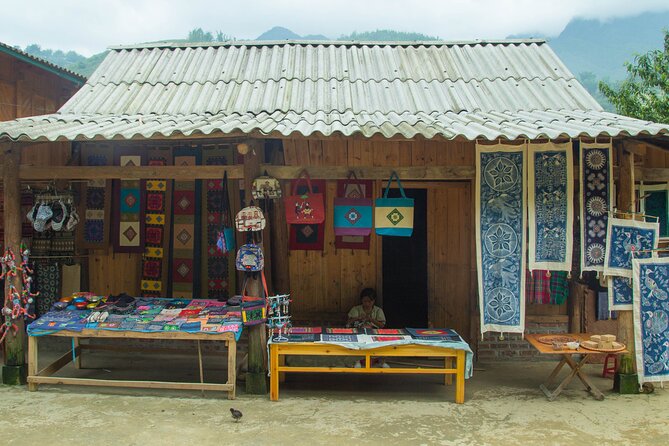
This trek is for moderate physical fitness. That sounds vague until you remember the terrain. Here, it’s narrow dirt paths, steep terraced areas, and walking hours that can stretch toward the 9-hour end depending on conditions and group pace.
The good news is that people describe the trail as easy to follow. In other words, you’re not wrestling with constant route finding. You’re walking with a guide, and the route is planned to feel coherent.
Still, I’d plan for:
- Uneven ground on paths and terraces
- Slower steps when terrain steepens
- A long day that starts at 8:30 am and ends back at the meeting point
If you’re comfortable doing a couple hours of hiking on varied terrain, you’re likely in the right zone. If not, you may still manage—but go slow and treat the day as a cultural walk, not a workout.
Price and value: what $29 covers and why it matters
At $29 per person, this trek is priced like a budget-friendly day, but it doesn’t feel cheap in the way that matters. You’re getting:
- A guide-led route through multiple villages
- A locally prepared lunch in Lao Chai
- Time for cultural interaction, not just a scenic stroll
- Pickup and vehicle return back to the meeting point
Also, the experience data notes an admission ticket free component for stops. And the group cap at 10 travelers can improve the experience enough to justify the fee—small groups often mean less waiting and more meaningful conversation.
The main “cost” isn’t money. It’s time and energy. But if you’re in Sapa for a short stay, this kind of full-day format can be a practical use of your time—one outing that covers several communities and valley sections.
Who should book this trek—and who might skip it
This trek is a great fit if you:
- Want culture and daily life, not just viewpoints
- Enjoy village walks and don’t mind paths that are not smooth
- Like guided stories and practical context about traditions
- Prefer a smaller group feel
You might think twice if you:
- Are aiming for a very low-effort outing
- Get uncomfortable with uneven ground and steep sections
- Need highly predictable weather (the trek requires good weather)
If you’re the kind of traveler who likes to ask questions and slow down, you’ll probably love it.
Should you book the Highland Harmony Trek in Sapa?
Yes, if you want a calmer, village-focused day that actually connects scenery to people. This is the kind of trek where the best moments are often the small ones: rice terraces you walk through, a lunch in Lao Chai that’s part of home life, and conversations that explain how the valley works.
Before you book, pick your expectations carefully. This isn’t a luxury tour with padded comfort and modern conveniences. It’s a solid, guided day outdoors and around real communities, designed for people who value authentic interaction over big spectacle.
If weather looks shaky on your travel dates, stay flexible. The trek is weather-dependent, and you’ll either get a different date or a refund if it’s canceled due to poor conditions.
FAQ
How long is the Highland Harmony Trek?
It runs about 6 to 9 hours, depending on the day and conditions.
Where does the tour start, and what time?
The meeting point is Green Sapa Homestay (3-1 Nguyễn Chí Thanh, TT. Sa Pa, Sapa, Lào Cai). Start time is 8:30 am.
How many people are in the group?
The tour has a maximum of 10 travelers, so it stays small.
Is there an admission ticket fee?
Admission ticket costs for the included stops are listed as free.
What fitness level do I need?
The trek is listed for moderate physical fitness level.
What happens if the weather is poor or I cancel?
The experience requires good weather. If it’s canceled due to poor weather, you’ll be offered a different date or a full refund. Free cancellation is available up to 24 hours in advance for a full refund.