A trek in the Atlas Mountains beats Marrakech noise fast. You’ll hike high pass terrain, then slow down in Berber villages with home-style meals and real mountain hospitality. The guides running this trip—names like Hassan, Mohammed, Nordine, and Abdul come up a lot—tend to focus on safety and pacing.
What I love most is the mix of big scenery with small, human moments: a mountain guesthouse night plus a chance to meet a local Berber family. I also like that you can pick a walking level with three options, so you’re not stuck doing more than your body wants.
One thing to consider: even on easier options, the footing can be rocky and steep in places, and one traveler noted walking near cliff edges. If you’re nervous around heights or you’re expecting flat paths all day, read that twice and choose your itinerary carefully.
In This Review
- Key things to know before you go
- Why this Atlas trek feels different from typical Marrakech day trips
- Choosing your hiking level: how the three itineraries change your day
- Tizi n’ Tamatert Mountain Pass: the views and the walking reality
- Day-by-day flow: what you’ll actually experience on the trek
- Day 1: Marrakech to the High Atlas, then into Berber village rhythm
- Day 2: the second hike, the village encounter, and the return to Marrakech
- Overnight guesthouse + meals: the comfort factor you should plan around
- Guides make or break the hike: what to look for in the people running it
- Price and value: why $69.69 can feel like a bargain
- Group size: why max 12 matters on a mountain hike
- What to pack mentally: the only “prep” you really need here
- Should you book this 2-day Atlas trek?
- FAQ
- What time does the trek start and where do we meet?
- Is pickup from Marrakech included?
- How much walking is there each day?
- Do you sleep in the mountains overnight?
- How many people are in the group?
- What does the price include for $69.69 per person?
- Can I cancel for a refund?
Key things to know before you go
- Tizi n’ Tamatert views: the hike hits the famous pass area for standout mountain panoramas.
- Three walking levels: expect about 4–5 hours, 2–4 hours, or very little walking depending on your choice.
- Overnight guesthouse: you sleep high up in the mountains and eat properly, not just snacks.
- Meet locals in Berber villages: the whole point is village life, not just getting photos from a bus.
- Gear support is common: some trips use a mule or donkey system to carry your stuff.
- Group stays small: up to 12 people, so it feels more personal than big-group day tours.
Why this Atlas trek feels different from typical Marrakech day trips
Marrakech is loud, fast, and full of motion. This two-day High Atlas trek flips the pace. You leave the city energy behind and spend your time in valleys, on footpaths, and in mountain villages where life runs on simple routines.
The standout value is the way the trip balances views and people. You’re not just climbing for a quick payoff; you’re also eating, resting, and interacting with the community. Many travelers come away talking about their guide and the food at the guesthouse and on the trail, not only the views.
And it’s built for different bodies and expectations. You don’t have to “perform” a hard hike to enjoy it. Pick the itinerary that matches your comfort with walking time, then let the guide handle the route and the timing.
You can also read our reviews of more tours and experiences in Marrakech.


Choosing your hiking level: how the three itineraries change your day
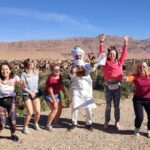
One of the smartest things about this trek is that you can match the walk to your fitness level. The options are clearly structured:
- a harder plan with roughly 4–5 hours of walking per day
- a mid-level plan with about 2–4 hours of walking per day
- an easier plan with very little walking
Here’s the practical translation for you: the harder option is for you if you want longer stretches on winding footpaths and you’re comfortable with uneven ground. The mid-level plan is the sweet spot for many people who want real hiking without burning out. The easiest plan can still be scenic, but you’ll likely spend more time moving slowly, stopping for breaks, and enjoying the village atmosphere.
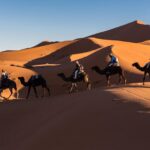
Also, pay attention to what you think you mean by hiking. One traveler described the first day as shorter on a less intense setup, with more tea time and even a camel stop. That doesn’t mean it’s bad—it just means you should choose the itinerary that fits what you want your day to feel like.
Tizi n’ Tamatert Mountain Pass: the views and the walking reality
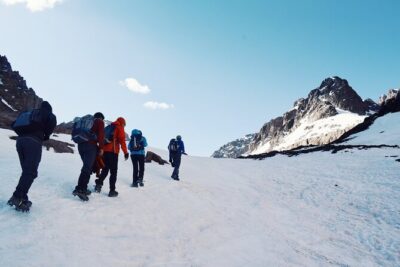
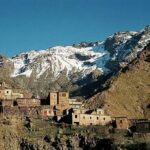
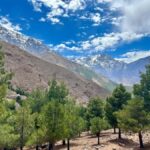
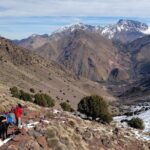
The big highlight is hiking toward the Tizi n’ Tamatert mountain pass area. Even if you’re not aiming for speed, you’ll feel the altitude shift. The views are the payoff: wide mountain angles, valleys dropping away, and that sense of being far from roads.
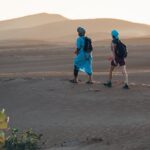
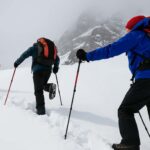
Now for the reality check. This is not a boardwalk stroll. One traveler mentioned loose stones that made the downhill tougher, and another noted some walking along cliff-edge sections. So even if the itinerary says a time window, the terrain matters.
If you get anxious on steep paths, make your choice based on comfort, not wishful thinking. Pick the fewer-walking option and communicate your concerns. A good guide will adjust the pace, offer support, and keep you moving safely.
Day-by-day flow: what you’ll actually experience on the trek
Day 1: Marrakech to the High Atlas, then into Berber village rhythm
You start at 8:30 am. The day begins with transfers out of the city and into the High Atlas region, which helps you get into the mountains without a complicated DIY plan. Once you’re out there, the vibe shifts fast—from city bustle to mountain quiet.
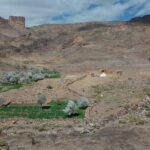
On day one, you’ll walk rural paths through valleys and pass through areas where village life is close by. Many people enjoy this transition because it’s not just “hike until done.” You’re moving through lived-in scenery.
You’ll also likely have time for tea stops and slow moments before or during the walking. One traveler specifically called out tea time and a camel moment on their version of the trip. If those slower cultural pieces matter to you, the easier walking options may actually feel like a better match.

Day 2: the second hike, the village encounter, and the return to Marrakech
Day two continues the hiking and brings you back toward Marrakech after you’ve had that overnight mountain experience. The goal is for you to take in more of the pass area and spend time around traditional Berber villages.
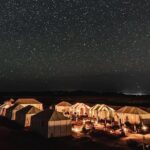
This is where the trip can feel most meaningful. You’re not only looking at villages from a distance—you’re visiting, sharing meals, and seeing how hospitality works in the mountains. One traveler mentioned that their stay wasn’t with a family in a home setting, but rather in a separate guesthouse. That still can be comfortable and scenic, but if you’re expecting a full-on family living experience, go in with flexible expectations.
The return day usually includes time for travel back to Marrakech, so plan for a long-ish full day. You’ll get back without needing to coordinate buses or find someone to organize your luggage.
Overnight guesthouse + meals: the comfort factor you should plan around
For a two-day trek, one of the biggest comfort wins here is that the trip includes accommodation and meals as part of the package. That matters more than it sounds. In the mountains, you’re not scrambling for food or trying to figure out where to eat when you’re tired.
The guesthouse itself gets a lot of praise. Travelers mention very pleasant stays, good meals, and cozy touches like warm blankets. People also call out the chef side of the program—salads and meals were described as fresh and well prepared.
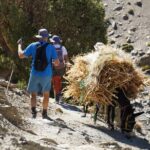
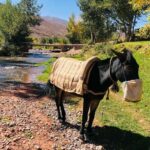
You also often have help with your gear. One traveler referenced donkey carrying luggage, which is a practical way to reduce the load on your back. If you’ve ever done a trek with your own backpack plus water plus extra layers, you’ll appreciate this part fast.
Guides make or break the hike: what to look for in the people running it
A huge theme in the feedback is that the guides keep things safe and moving without turning it into a race. Names that come up include Hassan, Mohammed, Nordine, Samir, Hussein, Yussef, Omar, Mustapha, and Abdul. While you can’t pick the guide in advance from the information here, you can still use the pattern: guides tend to focus on patient support.
Look for the behaviors you care about:
- checking in and adjusting pace for people who need it
- steering you through rocky downhill sections with care
- keeping the experience fun and not just work
One traveler even mentioned their guide feeding them fresh walnuts along the way. That’s the kind of small detail that turns a hike into a memory, not a chore.
If you’re traveling with kids, older parents, or a mixed group, you’ll probably appreciate a guide who can handle different walking speeds without turning the hike into constant waiting.
Price and value: why $69.69 can feel like a bargain
At $69.69 per person, this trek looks like a very budget-friendly option for what’s included. You’re paying for more than “a guide and a trail.” The package includes transfers, accommodation, and meals—plus a small group cap and the pass-focused hiking.
Here’s how I think about value for you:
- If you try to DIY this, transportation, driver time, guide contracting, and food logistics can get expensive fast.
- Paying one set price for a ready-to-go plan saves effort and reduces decision fatigue.
- Because group size is kept modest (max 12), you usually get a more personal experience than you would with bigger commercial hikes.
One more value signal: it’s typically booked around 23 days in advance on average. That suggests demand, and it also hints the operator keeps this running on a steady schedule.
Group size: why max 12 matters on a mountain hike
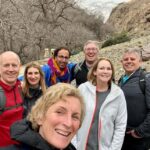
A maximum of 12 travelers sounds small for a group tour. That matters on mountain routes where space and attention are limited. Smaller groups can mean smoother timing—less bunching up, fewer long waits, and easier adjustments if someone needs more time.
In practice, you’ll feel it most during transitions: tea pauses, photo stops, and moving from one village area to the next. If you’re the type who likes to ask questions without feeling rushed, the small group size is a plus.
What to pack mentally: the only “prep” you really need here
You don’t need a travel degree to enjoy this trek. You do need to match your expectations to the terrain. The key factors are:
- rocky footpaths
- steep downhill stretches
- and the possibility of narrow or exposed sections in some routes
If loose stones and uneven steps bother you, choose the shorter walking option. If you get nervous about heights, tell the guide early and stick to your comfort level.
And if you’re someone who likes village contact, keep your mind open. Some versions feel more family-focused, and some feel more guesthouse-focused. Either way, you’re still spending time in Berber mountain areas, eating shared meals, and seeing daily life close up.
Should you book this 2-day Atlas trek?
Book it if you want an easy-to-use plan that gets you into the High Atlas with a real guide, an overnight stay, and meals handled. The combination of pass views, village visits, and a small group size makes it a strong fit for first-timers in Morocco who still want something authentic.
Consider skipping or choosing the easier walking option if:
- you’re scared of heights or exposed sections
- you don’t want long stretches on loose, rocky ground
- you need a very predictable day-by-day timing with no “tea and short stops” style moments
If you can handle moderate mountain terrain and you care about meeting local people, this is the kind of trip that turns Morocco from a city story into a mountain story.
FAQ
What time does the trek start and where do we meet?
The start time is 8:30 am. The meeting point is described as near public transportation, which helps you get there without complicated arrangements.
Is pickup from Marrakech included?
Yes. Pickup is offered as part of the experience.
How much walking is there each day?
You can choose among three hiking itineraries based on fitness: about 4–5 hours walking per day, about 2–4 hours walking per day, or very little walking.
Do you sleep in the mountains overnight?
Yes. The tour includes an overnight stay at a guesthouse high in the mountains, and you’ll have meals during the experience.
How many people are in the group?
The tour has a maximum of 12 travelers.
What does the price include for $69.69 per person?
The tour is priced at $69.69 per person and is described as hassle-free, including transfers, accommodation, and meals.
Can I cancel for a refund?
Yes. You can cancel for a full refund up to 24 hours in advance of the experience start time. If you cancel less than 24 hours before, the amount paid is not refunded.