REVIEW · POKHARA
From Pokhara: 4-Day Mardi Himal Base Camp Trek
Book on GetYourGuide →Operated by Snow Peak Tours and Travels pvt. ltd. · Bookable on GetYourGuide
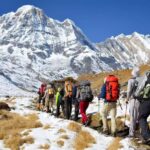
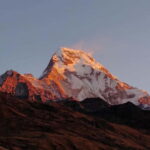
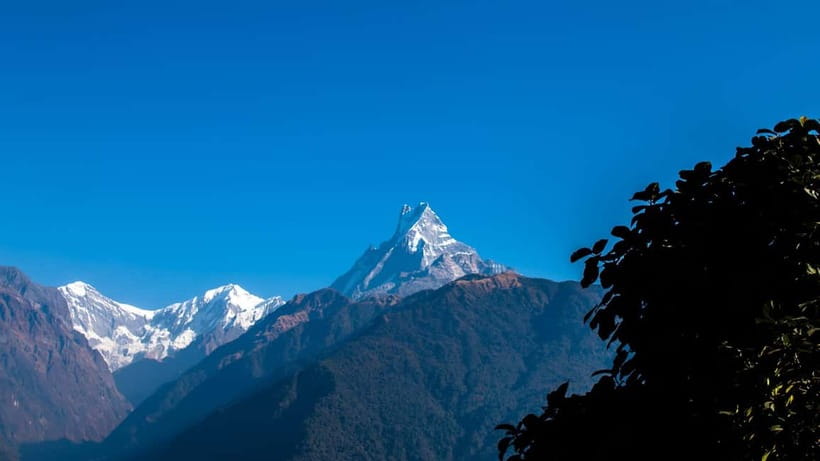
That Machhapuchhre sunrise is the big payoff. This 4-day private Mardi Himal trek from Pokhara threads you through rhododendron forests and up to High Camp, then pushes you toward a sunrise-over-Machapuchhre style viewpoint schedule. I like how the route mixes forest quiet with big Himalayan views, and you still get a classic Annapurna-area finish without needing a huge time commitment.
One thing to plan for: this is not a stroll. Expect steep stairs and uphill hours, especially on Day 2 and during the early push on Day 3, and you’ll want to be honest about your fitness and cold tolerance.
In This Review
- Key Highlights You’ll Actually Care About
- Why Mardi Himal Works as a 4-Day Trek from Pokhara
- Day 1: Pokhara to Kande and Up to Forest Camp (2,550 m)
- Day 2: Forest Camp to High Camp (3,580 m) Through Rhododendron and Oak
- Day 3: Mardi Viewpoint Sunrise (about 4,200 m) and Optional Mardi Himal Base Camp (~4,500 m)
- Day 4: Low Camp Down to Siding, Lumre, and Back to Pokhara
- Tea Houses, Food Options, and a Note on Meal Included Pricing
- Guides, Porters, and the Real Meaning of a Private Trek
- Price and Value: What $138 Gets You (and What Might Cost Extra)
- What to Bring: Cold Mornings, Proper Shoes, and Paperwork
- Weather, Sunrise Plans, and How to Think About the Early Start
- Who This Trek Suits Best
- Should You Book This Mardi Himal Trek?
- FAQ
- Is this trek private, and what language will the guide speak?
- What is the highest point on this itinerary?
- Are meals included, and can I choose an option?
- Do I need permits, and are they included?
- How do pickup and transport work from Pokhara?
- What should I pack and is travel insurance required?
Key Highlights You’ll Actually Care About
- Quiet trail energy: peaceful paths far from the busiest trekking corridors.
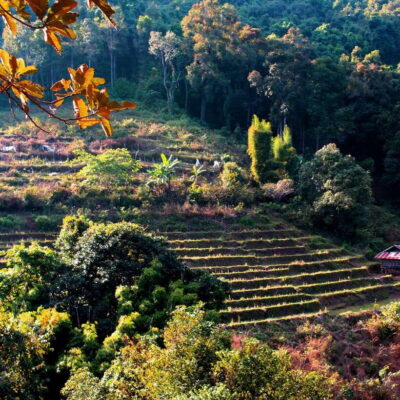
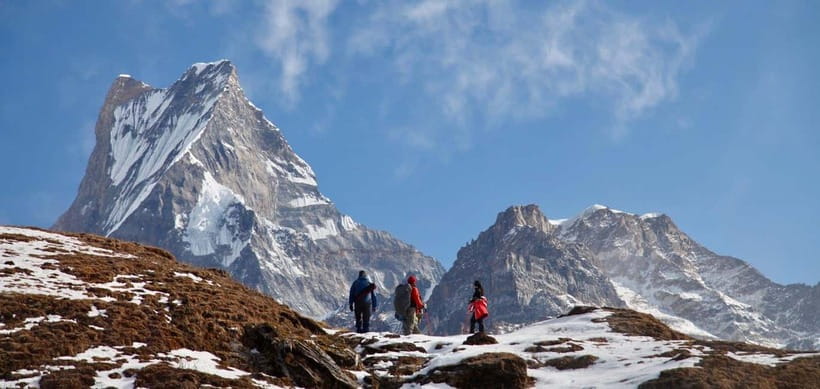
- Forest-to-alpine changes: rhododendron and oak forests shift into higher, more open scenery.
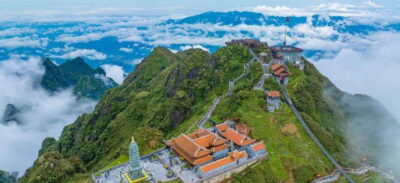
- High Camp at 3,580 m: strong Machhapuchhre and Annapurna South views.
- Day 3 sunrise strategy: hike early to Mardi Viewpoint (about 4,200 m), with an optional step higher to base camp (~4,500 m) if you’re fit.
- Cozy tea-house nights: simple lodges along the way keep things warm and workable.
- A pace that matches you: private guiding means you’re not stuck marching to someone else’s rhythm.
Why Mardi Himal Works as a 4-Day Trek from Pokhara
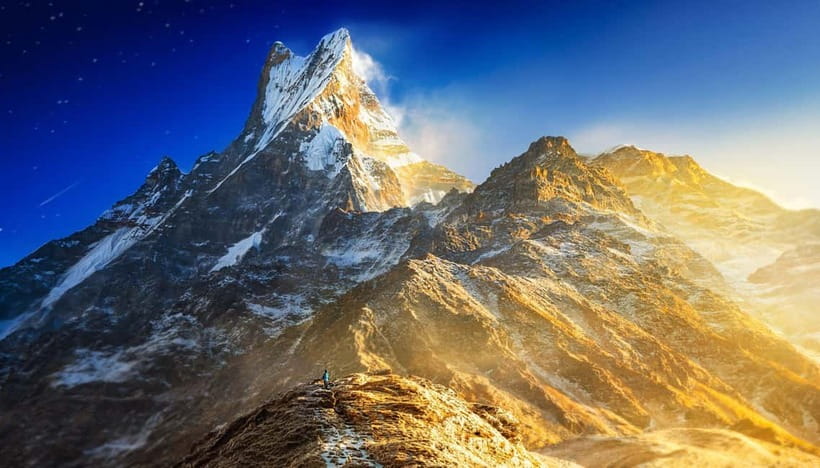
Mardi Himal is the kind of trek that rewards the days you feel like you’re working. You start in the forest world, climb into colder air, and end up with the sense that you earned the view.
This route is especially good if you want the Annapurna region without the long grind. In four days, you can get major scenery shifts—forest trails, high camps, and viewpoint mornings—while still having time for a proper finish back down toward Lumre and Pokhara.
The biggest “value” here is that your walking is focused. You’re not doing random extra loops. Each day has a job: reach Forest Camp, earn High Camp, go early for Mardi Viewpoint (and possibly base camp), then get you down to Siding and Lumre.
You can also read our reviews of more tours and experiences in Pokhara.
Day 1: Pokhara to Kande and Up to Forest Camp (2,550 m)
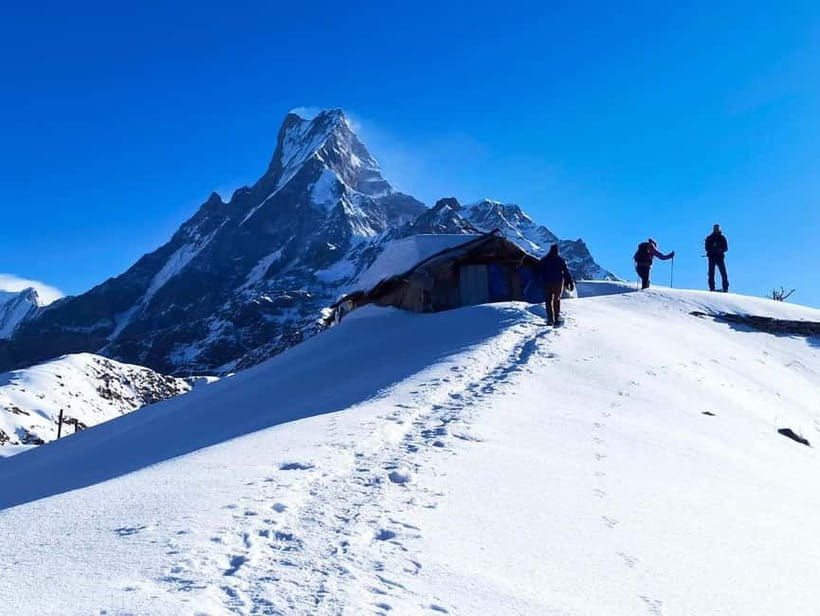
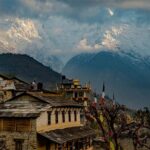
You begin with a morning drive from Pokhara to Kande (about an hour). From there, your hike starts along trails through areas like Australian Camp and Pothana—so you’re warming up with views before the climbing fully hits.
Your Day 1 target is Forest Camp at 2,550 m, reached after about 5 to 6 hours of trekking. The vibe on this day is classic: forest shade, mountain glimpses, and that gentle build-up that helps you settle into the rhythm. You’ll likely feel the altitude more on the walk than you did in Pokhara, but this is still the day that keeps things manageable for many first-timers.
Possible snag: this is still a long walking day. Even if it feels “just day one,” you’ll want to start slow and save energy for the uphill on Day 2.
That first-night setup matters too. You’ll sleep in a teahouse at Forest Camp, and these lodges are part of the appeal—simple rooms, basic comfort, and the chance to recharge without complicating your trip.
Day 2: Forest Camp to High Camp (3,580 m) Through Rhododendron and Oak
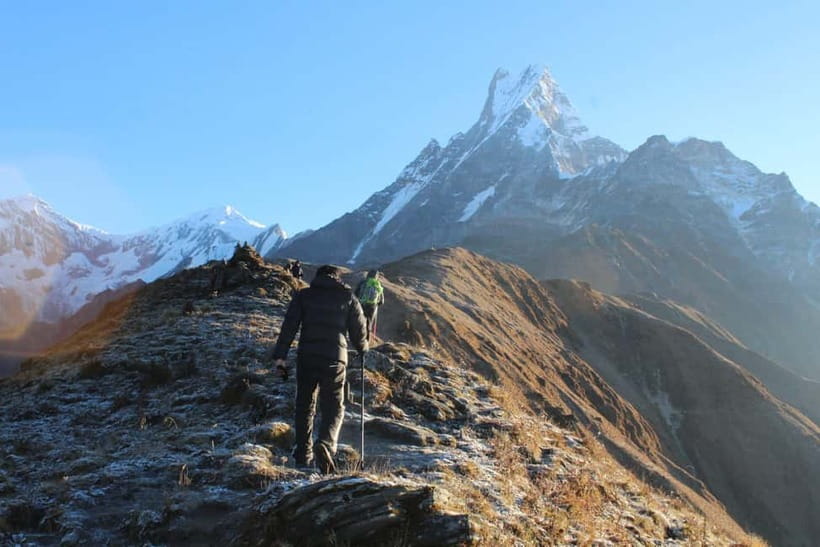
Day 2 is the workday. The hike climbs for roughly 6 to 7 hours to reach High Camp at 3,580 m. The route is described as dense rhododendron and oak forests, which is more than scenery talk. Forest walking can be mentally easier because the trail feels structured and shaded. It also tends to make pacing simpler: you’re not staring at everything constantly, so you can focus on steady steps and breathing.
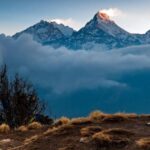
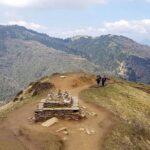
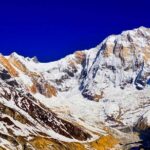
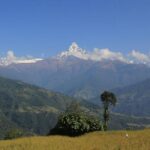
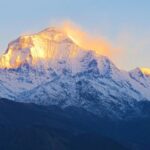
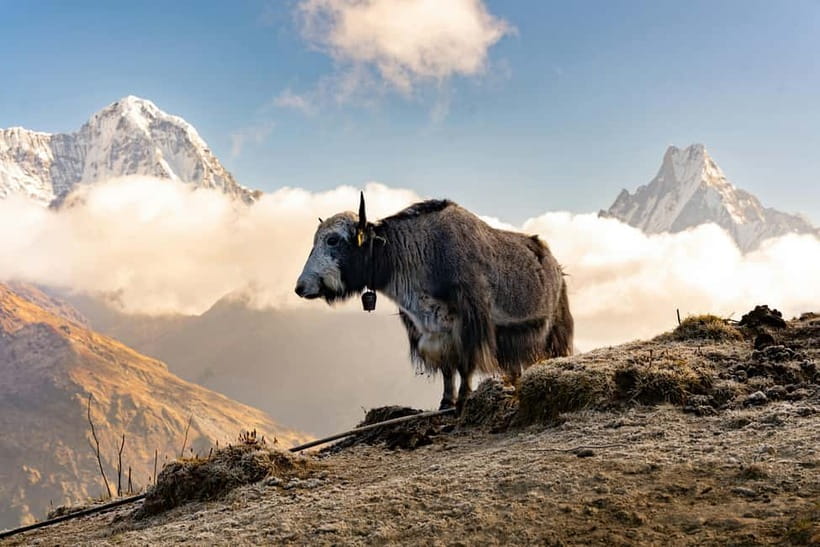
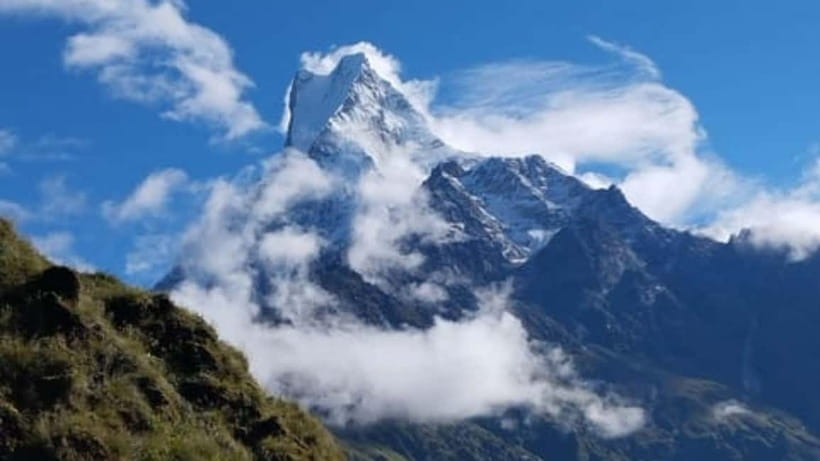
When you arrive at High Camp, you’re rewarded with standout views—especially of Machhapuchhre and Annapurna South. This is the moment where the trek stops feeling like a hike and starts feeling like a Himalayan assignment you’re finally solving.
What to watch: Day 2 is uphill all day. If you’re someone who burns out early, this is where a private guide earns their keep. Many guides on this trek are praised for patience and for adjusting pace to match the group. People specifically mention guides like Anil being attentive and adjusting the climb, and others like Santosh helping with pacing tips and terrain awareness.
That matters because your “correct” Day 2 effort often determines how good your Day 3 sunrise attempt will feel.
Day 3: Mardi Viewpoint Sunrise (about 4,200 m) and Optional Mardi Himal Base Camp (~4,500 m)
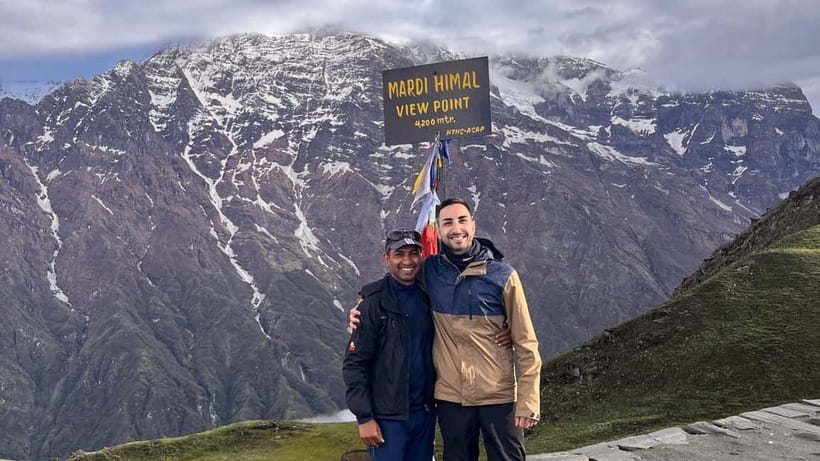
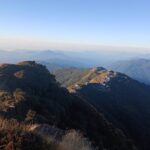
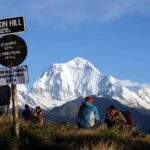
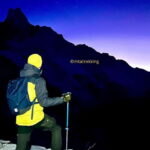
Day 3 starts early—because the plan is sunrise from Mardi Himal Viewpoint, around 4,200 m, reached after about 3 to 4 hours of morning hiking.
This is the day most people remember: clear air, early-morning effort, and the Annapurna range laid out with Machhapuchhre in the mix. The goal is sunrise views, but reality is reality. If clouds roll in, you might lose the exact sunrise moment and still get mountain views afterward. One trekper noted missing sunrise due to cloud cover but still seeing stunning scenery along the route.
After the viewpoint, the trek continues downhill to Low Camp (about 2,970 m) for an overnight stay, taking roughly 3 to 4 hours of descent.
Base camp question: there’s an optional push to Mardi Himal Base Camp (~4,500 m) if you’re fit. This is not presented as a requirement, which is smart. You can treat Mardi Viewpoint as the main win and decide base camp based on how your body feels at altitude.
Practical tip: even if you plan to go higher, don’t let enthusiasm outrun your breathing. The optional segment is there for a reason. Use it only if you can keep the pace controlled.
Day 4: Low Camp Down to Siding, Lumre, and Back to Pokhara
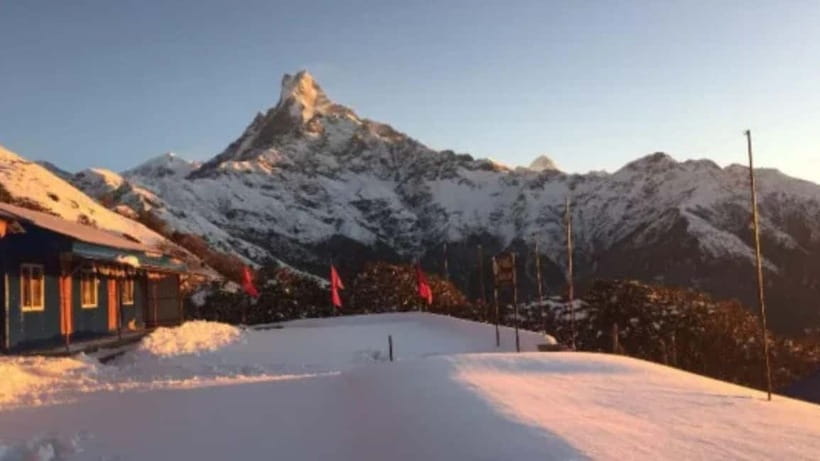
Your final day is a long, satisfying finish. Starting from Low Camp, you trek downhill to Siding village in about 4 to 5 hours. Then you add a short walk—around one hour—to Lumre.
After that, it’s a drive back to Pokhara, about an hour.
This is the day where the trek feels like it’s giving back. Going down can still be hard on knees and quads, and yes, stairs and steps can be part of the mix, but you’re moving toward comfort again. You also get a more gradual “arrival” back to normal life, instead of abruptly dropping from the mountains into a full travel day.
Tea Houses, Food Options, and a Note on Meal Included Pricing
You’ll stay in simple teahouses or lodges along the route—Forest Camp, High Camp, and Low Camp—plus the trek ends with time in the Lumre/Siding area before heading back.
Food is part of the tea-house experience. The trek package includes breakfast, lunch, and dinner only if you choose the meals-included option. If you don’t choose that option, you’ll typically order at the tea houses like many hikers do.
One very specific pricing lesson showed up in the experiences: a solo trekker felt the meals-included add-on was overpriced and preferred ordering normally, since tea-house meals and drinks were still being paid for during the walk. Your best move is to compare the meals-included price against what you expect to spend on the trail, because the tea-house reality is usually simple: eat what you need, keep snacks and drinks practical, and avoid paying for something you would’ve ordered anyway.
Guides, Porters, and the Real Meaning of a Private Trek
This is listed as a private group trek with an English/Hindi/Nepali speaking guide. In practice, private guiding is what changes the experience from “route on paper” to “route that fits you.”
You’ll see the same pattern again and again in the way people describe their guides: patience, pace control, and genuine care. Names mentioned include Anil, Tanka, Dhanapati, Santosh, Jeet, Bala, Bishnu, and Chandra. The recurring theme is that the guide is not just calling out directions. They’re supporting the walking—adjusting effort when someone is tired, encouraging breaks when stairs feel relentless, and giving context about Nepalese culture and the natural world along the way.
If you choose a porter, that’s another quality-of-life upgrade. A porter can help with carrying your load, which often makes the difference between finishing strong and grinding through discomfort.
Why you should care: Mardi Himal has a short timeline. That means you’re more likely to feel pressure if something goes wrong (energy, weather, sickness). A good guide helps you respond instead of pushing blindly.
Price and Value: What $138 Gets You (and What Might Cost Extra)
The price listed is $138 per person for the 4-day trek. That’s a solid starting point when you consider what’s included.
Here’s what is included based on the provided details:
- Transport: round-trip between your hotel, Pokhara International Airport, and the trek starting point (and return at the end). Pickup is available from the Lakeside area, Sarangkot area, and Pokhara International Airport.
- Permits: trekking permits, necessary paperwork, and TIMS fees.
- Lodging: accommodation in simple tea houses/lodges along the route.
- Guide: an experienced, government-certified English-speaking trekking guide, plus guide meals, accommodation, insurance, salary, and transport costs.
- Gear support: trekking stick and sleeping bag as needed.
- First aid kit: included.
- Luggage storage: facilities in Pokhara for safe storage during the trek.
Not included:
- Personal expenses (snacks, souvenirs, extra drinks, phone charging habits, that sort of thing).
Two money-reality checks:
- Meals included is optional. If you don’t select it, you’ll pay for food at tea houses anyway. If you do select it, double-check that the add-on actually matches your eating plan.
- Porter is optional. If you’re carrying camera gear, water, and warm layers, paying for a porter can be worth it because it keeps you from turning a great trek into a burdensome one.
At this price level, you’re paying for the stuff that usually costs time and complexity: permits, a certified guide, and getting you to the trail and back smoothly.
What to Bring: Cold Mornings, Proper Shoes, and Paperwork
Temperatures can swing a lot, and the trek gets very cold at higher altitudes. So your packing should prioritize warmth and practicality.
Bring:
- Passport or ID card (you’ll need it for permits)
- Comfortable shoes and hiking shoes
- Change of clothes
- Camera and a waterproof camera option
- Cash
- Hiking pants
- Hand sanitizer or tissues
- Travel insurance
- Travel gear like a trekking stick and sleeping bag if you’re assigned them as needed
A key admin item: you need to submit a copy of your passport at least one day before the trek so they can arrange permits from Nepal.
And don’t skip insurance. Emergency rescue services are available if required, but travel insurance is described as mandatory for safety and peace of mind.
Weather, Sunrise Plans, and How to Think About the Early Start
The plan includes sunrise viewpoints—especially on Day 3—but you should treat sunrise like a bonus, not a guarantee. Clouds can happen in the mountains. One trek experience shared that sunrise was missed because of cloud cover, even though the mountain views were still excellent.
So go in with the right mindset:
- Wake up early, do your best to get the timing right.
- If the sky cooperates, great.
- If it doesn’t, you’re still climbing toward big views and a memorable day.
Also, expect cold on the viewpoint morning. Layers matter. Even if daytime walking warms you up, sunrise hours can feel sharp.
Who This Trek Suits Best
This trek fits well if you:
- Want a major Annapurna-area view in a short 4-day timeframe
- Prefer private guidance and a pace that can flex for you
- Enjoy forest hiking but also want high camp and viewpoint payoffs
- Are okay with teahouse-style travel (simple rooms, basic comfort, shared mountain routines)
It may be less ideal if you:
- Are looking for a very easy walk. This route is described as physically demanding.
- Hate early starts. Day 3 begins before full daylight.
- Are not comfortable managing cold conditions at altitude.
If you’re recovering from illness or you’re a first-time trekker, the private guide system is a big advantage—as long as you communicate honestly about how you feel.
Should You Book This Mardi Himal Trek?
If you want a short, high-impact trek with mountain views, teahouse nights, and the kind of guided support that helps you keep control of your pace, I’d say yes—this is a strong match.
Book it if:
- You like the idea of forest trekking plus a viewpoint sunrise-style day
- You want permits and a certified guide handled
- You’re open to adjusting expectations based on weather and how your body responds
Hold off or choose a different approach if:
- You’re not ready for uphill days and long descents
- You’re unwilling to plan for cold mornings and altitude discomfort
- You’re expecting a fully hassle-free trek without any effort management (you’ll still be hiking 4 days)
FAQ
Is this trek private, and what language will the guide speak?
Yes, it is a private group trek. The live tour guide speaks English, Hindi, and Nepali.
What is the highest point on this itinerary?
The trek includes Mardi Himal Viewpoint at about 4,200 m. There is also an optional hike to Mardi Himal Base Camp at around 4,500 m if you are fit.
Are meals included, and can I choose an option?
Meals are included throughout the trek only if you select the meals-included option. If you don’t choose it, you’ll cover food as you go at teahouses.
Do I need permits, and are they included?
Yes, trekking permits and TIMS fees are included, along with the necessary paperwork for the trek.
How do pickup and transport work from Pokhara?
Pickup is included from hotels in the Pokhara Lakeside area, the Sarangkot area, and from Pokhara International Airport. The guide and car arrive about 5 minutes early holding a sign with your name and booking details, and you’ll confirm timing with the company after booking.
What should I pack and is travel insurance required?
Bring items like passport/ID, comfortable shoes, warm layers, cash, and camera gear (including a waterproof option). Travel insurance is mandatory, and you should also submit a copy of your passport at least one day before to arrange permits.