REVIEW · KATHMANDU
Ghorepani Poon Hill Trek
Book on Viator →Operated by Outfitter Nepal · Bookable on Viator
A good first trek starts with a simple promise: views. This one hits Poon Hill sunrise over the Annapurna Himalaya, then strings it together with village walking, rhododendron forests, and real stays in tea houses. I also like the small-group size (max 14), because it keeps the pace human and makes guide attention feel personal—names like Amrit, Jitu, Sanjay, and Ravi show up often for a reason.
One possible drawback: weather. When skies are cloudy or rainy, sunrise and mountain views can fade, and some days feel rougher under wet trails. Still, the trip’s structure and support help you keep moving without turning it into a slog.
You’ll also get time off the trail: 3 nights in Kathmandu plus 2 in Pokhara with hotels and breakfast. That matters because you’re hiking high (Poon Hill tops out around 3,180m), so having cultural sightseeing and downtime is part of the value, not an add-on.
In This Review
- Quick hits before you pack
- Why Poon Hill is a smart 10-day target
- Kathmandu + Pokhara: the altitude buffer you’ll thank yourself for
- The trek route, explained day by day (and what it feels like)
- Poon Hill sunrise: the payoff, the reality, the timing
- Rhododendron forests and villages you can actually talk to
- Lodges, meals, and the gear that keeps you comfortable
- Guide and porters: the safety net you feel on steep days
- Price and value: what $700 buys, and what it doesn’t
- When this trek is the right fit
- Should you book Ghorepani Poon Hill for your Nepal trip?
- FAQ
- Where does the trek start?
- How long is the Ghorepani Poon Hill trek tour?
- How many people are in the group?
- What kind of accommodation do you get during the trek?
- Are meals included?
- What’s included in the Kathmandu and Pokhara stay?
- Do you get trekking gear?
- Is emergency rescue possible if something goes wrong?
Quick hits before you pack
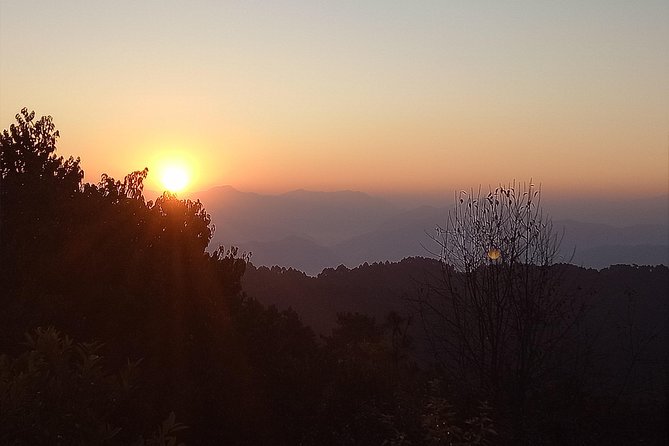
- Sunrise at Poon Hill: early hike, big payoff when the sky cooperates
- Small-group trekking: max 14, with guide support that stays hands-on
- Real village routes: Ghorepani Magar villages and Ghandruk Gurung villages
- Rhododendron forest hiking: a softer, more scenic rhythm than you’d expect
- Gear included: sleeping bag and down jacket (returned after the trek)
- Emergency helicopter arrangement: coordinated through your travel insurance
Why Poon Hill is a smart 10-day target
The Ghorepani Poon Hill trek is built for travelers who want “Himalaya trekking” without committing to a multi-week schedule. You get big scenery from a moderate plan: you climb gradually, sleep in lodges/tea houses along the route, and still reach a landmark viewpoint at sunrise. In practical terms, it’s a taste of Nepal that fits real vacation math.
Poon Hill also works because it’s not only about the peak moment. The path moves through forests and settlements, so you’re not staring at a screen all day or hiking in a straight line between two points. You’ll pass farmland and villages, and you’ll notice how people live at different elevations—small houses, terraced fields, and daily routines shaped by the season.
The trek is labeled moderate, and that feels right based on the route profile and typical trail conditions. Some uphill stretches can be steep, and high-altitude mornings are cold. If you’re active and used to walking days, you’ll likely feel challenged but not defeated.
You can also read our reviews of more tours and experiences in Kathmandu.
Kathmandu + Pokhara: the altitude buffer you’ll thank yourself for
This is not a “land at the airport, hike nonstop for ten days” plan. You start with three nights in Kathmandu, including a sightseeing tour in the Kathmandu Valley. You’ll also get two nights in Pokhara, which is a nice reset after trekking days and an easier place to breathe between mountains.
Kathmandu day time is mainly for orientation and culture. You’ll hit major historic sights within the valley, and the hotel setup includes breakfast, so you’re not budgeting meals while you’re still adjusting to Nepal. That first leg helps you get your bearings fast: food, street life, and basic logistics are handled before you step onto the trail.
Then comes the scenic drive down to Pokhara. The trip uses a 6-hour drive from Kathmandu to Pokhara, and later a similar 6-hour return drive. Road time is a normal chunk in Nepal, but it’s also when you’ll see the country change—hills, settlements, and views that make the trek feel real before your first uphill day.
The trek route, explained day by day (and what it feels like)
Your trail begins after the drive to the start area near Nayapul. From Pokhara, you travel to Nayapul at about 1,050m, then start walking to Tikhedunga (around 1,577m). Expect a steady first day that helps you find your stride. It’s long enough to wake up your legs, but it’s also a good intro to how the trek rhythm works.
The next day takes you to Ghorepani (around 2,675m). This is where the air feels thinner and the trail feels more “up.” At this stage you’ll likely notice more lodge life and trekkers moving in and out of guesthouses. The route also sets up your next big moment: the viewpoint climb and sunrise plan.
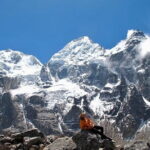
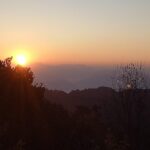
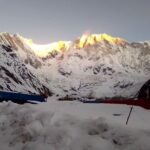
Day of Poon Hill is a two-part day by design. You hike up to Poon Hill (about 3,180m) for sunrise, then keep walking to Tadapani at roughly 2,675m. The sunrise hike usually means very early hours and cold air, so bring layers seriously and take the early start seriously. If visibility is good, you get the classic panorama over the Annapurna region. If it’s cloudy, you still get the effort of a big climb—just without the same crisp payoff.
Then you shift to Ghandruk (about 1,950m). The day from Tadapani to Ghandruk is shorter on paper (around 3 hours), but it can still feel like work because you’re moving through village terrain. Ghandruk is a highlight because it’s tied to Gurung village life, and the settlement feels like a real community rather than a tourist stop. This is also where you tend to feel the culture and the mountain economy together.
After that, you walk back down to Nayapul and transfer to Pokhara. The route from Ghandruk to Nayapul plus the drive back is shorter than some full trekking days. That helps you finish the trek without feeling like your vacation ends in another forced grind.
Finally, you return to Kathmandu for your last night before your departure transfer to the international airport. That last day matters: you’re not exhausted and scrambling for transport. The plan keeps the ending clean.
Poon Hill sunrise: the payoff, the reality, the timing
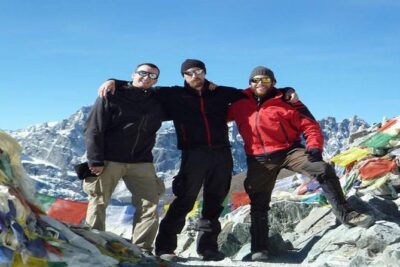
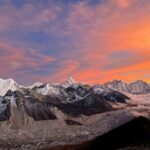
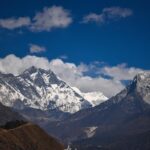
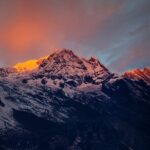
Sunrise at Poon Hill is the headline for a reason. You’re climbing to a viewpoint built for watching the Annapurna Himalaya catch the light. It’s one of those moments that can turn a hike into a memory you keep telling people about for years.
But here’s the reality check. Weather changes fast in the hills. When clouds roll in, you can go from breathtaking views to a gray sky that limits what you can see. Still, the early-morning effort isn’t wasted. Even in less-than-perfect conditions, the hike creates that quiet, cold, expectant mood where the whole mountain region feels close.
The good news: the trip design gives you the chance for that sunrise without turning it into an all-day ordeal. You’re not guessing for days; you go for the planned viewpoint moment, then continue the trek. That’s an efficient way to do it if you want the best chance at views with limited vacation time.
Rhododendron forests and villages you can actually talk to
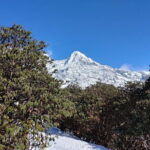
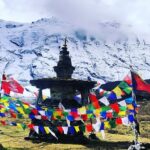
One of my favorite things about this trek is how it avoids the “only rocks, only stairs, only peaks” feeling. Your route passes through rhododendron forests, and those stretches tend to make the walk feel less brutal than you’d expect at altitude. Even when you’re tired, the scenery and plant life give your eyes something to do besides counting steps.
You also get real village stops. Ghorepani is linked to Magar village life, and Ghandruk is tied to Gurung communities. What that means for you on the ground is simple: you’re walking through places where people live their normal day-to-day life, not just moving through a set piece.
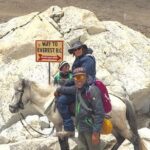
In practice, you’ll likely spend evenings in lodge dining rooms, talking with staff and other trekkers. It’s also common to hear songs and stories while walking, especially in sections where people stop briefly or where the group is moving together. These little human moments are what make the hike feel personal, not just scenic.
Lodges, meals, and the gear that keeps you comfortable
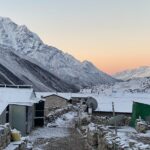
During the trek, accommodation is in lodges/tea houses, and meals are included. The plan includes breakfast plus lunch and dinner on the trekking days, which is a big deal for value. It keeps you from budgeting meals at every stop and lets you focus on hiking, not logistics.
Hotel time in Kathmandu and Pokhara also includes breakfast. Meals lunch and dinner in the cities aren’t included, so you’ll want to budget for that part. The good side: you’ll be choosing meals on your own schedule, and it keeps the trek package price from inflating.
Gear support is one of the more practical perks. You’re provided a sleeping bag and a down jacket, and you’ll get a trekking map too (and you return these items after the trek). If you’re traveling light or don’t want to buy winter gear you’ll barely use again, this can be a huge savings.
That said, you still need to pack your own layers and common trekking basics. The trek goes to high altitude, and mornings near sunrise are often the coldest part of the day. Bring gloves or a warm layer for early starts, and treat the weather seriously even if the afternoon looks fine.
Guide and porters: the safety net you feel on steep days
This is a small-group trek with an experienced guide and porters. The porter setup is listed as 1 porter for 2 people, which helps keep loads reasonable and keeps the trek from turning into a heavy-carry contest. When the trail gets steep or muddy, that support is the difference between walking tired and walking miserable.
Safety shows up in the details. Multiple past trekkers highlighted guides who kept them safe in cloudy or rainy conditions and helped them keep momentum. That kind of practical leadership matters on a trail where footing can change quickly after rain.
The language and communication piece is also important on this route. Several guide names are specifically mentioned, including Jitu and Amrit, and people emphasize clear guidance and English. If you’ve never trekked before, that matters a lot. You don’t want to decode trail advice while you’re also managing breath and fatigue.
Price and value: what $700 buys, and what it doesn’t
At $700 per person for roughly 10 days, the real question is whether the inclusions match what you’d otherwise pay for in Nepal. In this package, you’re covered for a lot of the costly moving parts.
You get:
- Kathmandu hotel (3 nights) and Pokhara hotel (2 nights) with breakfast
- Airport transfers by private vehicle
- Kathmandu–Pokhara–Kathmandu ground transport by tourist bus
- Trek accommodations in lodges/tea houses
- Most trek meals (breakfast, lunch, dinner)
- Guide and porter services, including salary, food, drink, accommodation, transport, and insurance for staff
- Sightseeing in Kathmandu Valley
- Sleeping bag, down jacket, and trekking map (returned after the trek)
- Taxes, VAT, and service charges
What’s not included is also clear, which helps you avoid surprise costs. Drinks and desserts aren’t included, and lunch/dinner in Kathmandu and Pokhara aren’t included. You’ll also pay for your Nepal visa on arrival (with two passport-size photos), and you’ll need to budget entrance fees during the sightseeing tour. Tips for guide, porter, and driver are also not included.
For many first-time trekkers, this package feels like good value because meals, lodging, and staff costs are bundled. The included food reduces day-to-day decisions, and the gear handoff saves money and hassle. Just don’t assume you won’t have extra spending. You will.
When this trek is the right fit
This tour is best for active people who want a classic Himalayan experience in a short window. The route involves multiple days of hiking at moderate altitude and includes some longer hiking segments. If you can handle uphill walks for several hours, you’ll likely enjoy it.
It’s also a good match if you want structure. You’ll start at a clear meeting point (Tribhuvan Airport) and you’ll have private transfers and guided route logistics. The maximum group size of 14 keeps you from feeling lost in a crowd.
If you’re the kind of traveler who hates being cold and exposed, you’ll need to prepare for early morning chill and mountain weather swings. The trek is doable for most active ages, but the altitude and early starts still matter. Go in with realistic expectations, and you’ll be happier.
Should you book Ghorepani Poon Hill for your Nepal trip?
If your goal is Himalaya views + village trekking + a sunrise moment without weeks of time, I think this is a strong choice. The blend of Kathmandu culture, Pokhara recovery time, and a manageable trek makes it one of the most balanced options for a first Nepal visit.
I’d book it if you like guided support, want meals and lodging handled, and you’re okay with the weather roulette that comes with sunrise treks. I’d hesitate only if you’re unwilling to hike in cold mornings or you absolutely need guaranteed clear skies for your main photo moment.
FAQ
Where does the trek start?
The start point is Tribhuvan Airport in Kathmandu, Nepal, with a stated start time of 6:15 am.
How long is the Ghorepani Poon Hill trek tour?
The tour is listed as 10 days approximately.
How many people are in the group?
The maximum group size is 14 travelers.
What kind of accommodation do you get during the trek?
You stay in lodges or tea houses during the trekking portion of the trip.
Are meals included?
Yes. Breakfast is included, and the package includes lunch and dinner during the trek. Lunch and dinner while you’re in Kathmandu and Pokhara are not included.
What’s included in the Kathmandu and Pokhara stay?
There are three hotel nights in Kathmandu including breakfast, and two hotel nights in Pokhara including breakfast. A Kathmandu sightseeing tour is included as per the itinerary.
Do you get trekking gear?
The tour includes a sleeping bag, a down jacket, and a trekking map if necessary, and these items are returned after the trek.
Is emergency rescue possible if something goes wrong?
The provider arranges an emergency helicopter service, and it’s stated that it would be paid by your travel insurance company.