REVIEW · KATHMANDU
14 Days Private Manaslu Circuit Trek in Nepal
Book on Viator →Operated by Heaven Himalaya · Bookable on Viator
Manaslu is the kind of trek that changes your pace fast. You’ll move from Kathmandu’s bustle into river gorges, Gurung villages, and high passes, with the real payoff coming around Larkya La and the views it brings. I like that this trip keeps things structured and calm, so you can focus on walking and weather instead of logistics.
I especially like the way Heaven Himalaya handles the trip end-to-end: transfers into the mountains, arranging nights, and managing the day-to-day flow with an experienced guide. In the same spirit, you’ll get the confidence boost of a team that’s shown up for different kinds of hikers, including solo trekkers, couples, and families, with guides such as Prem Dahal and Bishal mentioned in past trips.
The main drawback to plan around is physical strain and weather timing. The itinerary includes significant altitude gain before your highest day, and the trip needs good weather, so you should be ready for a slow, cautious approach and possible schedule changes tied to conditions.
In This Review
- Key points to know before you go
- Manaslu Circuit Trek: why this route feels quietly worth it
- Price and what you’re really paying for at $1,800
- Fitness, altitude, and weather: the three things that decide your experience
- Day-by-day: Kathmandu to Soti Khola, where the trek starts feeling real
- Day 1: Kathmandu arrival and an easier landing
- Day 2: Drive to Soti Khola, then you step into the river world
- Days 3–6: suspension bridges, hot springs, and the Gurung trail rhythm
- Day 3: Machha Khola and the waterfall village feeling
- Day 4: Jagat and a stronger day of ups, downs, and viewpoints
- Day 5: Nepal village area, rocky trail, and mountain-hugging quiet
- Day 6: Namrung climbs—pine, rhododendron, chortens, and mani walls
- Days 7–9: Samagaon rest day and Samdo’s Tibetan-border vibe
- Day 7: Samagaon and Manaslu’s close presence
- Day 8: A real rest day at Samagaon
- Day 9: Samdo, juniper and birch, and border-town atmosphere
- Days 10–12: Dharamsala (Larkya Phedi) and the Larkya La crossing plan
- Day 10: Dharamsala (Larkya Phedi), altitude prep without rushing
- Day 11: Larkya La pass day, the highest moment of the trek
- Day 12: Dharapani, forest walking, and a gentler release
- Days 13–14: driving back to Kathmandu and finishing with breathing room
- Day 13: Return journey to Kathmandu
- Day 14: Departure day
- Heaven Himalaya’s role: how the team makes this kind of trek less stressful
- Who this trek is best for (and who should rethink)
- Should you book this Manaslu Circuit trek with Heaven Himalaya?
- FAQ
- How long is the Manaslu Circuit trek on this private trip?
- Where does the trek start in Kathmandu?
- What is the price per person?
- Is this a private trek or shared with other groups?
- What fitness level do I need?
- Do you offer pickup from the airport or nearby locations?
- Is mobile ticketing included?
- Does the trek run in any weather?
Key points to know before you go
- Private group feel: only your group participates, which usually means fewer surprises and a smoother day-to-day rhythm.
- Larkya La is the centerpiece: the highest point hits on Day 11, so the days around it are about positioning and pace.
- Kathmandu pickup on Day 1: you land, get transferred to a hotel, and don’t have to improvise your first evening.
- Rest day at Samagaon: this break helps you settle in and gives you time to explore monastery and viewpoints.
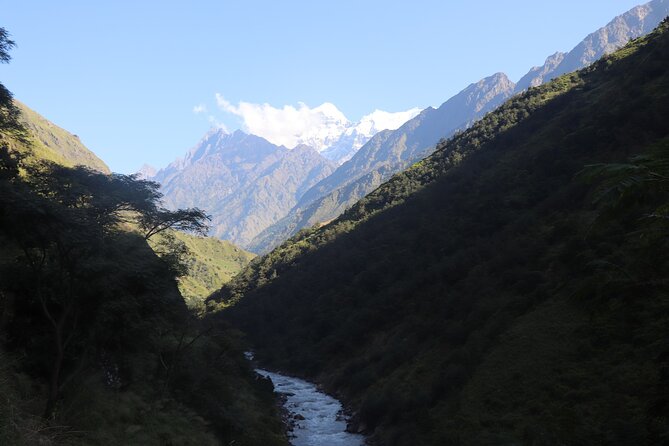
- Lots of real village trail: bridges, forests, chortens, mani walls, and Tibetan-border culture in Samdo.
Manaslu Circuit Trek: why this route feels quietly worth it
If you want mountains without the constant crush of the most famous trails, the Manaslu Circuit is a smart choice. The path threads through farming villages, river crossings, and hillside settlements where daily life keeps moving long after you start feeling the altitude. On this route, culture isn’t a museum stop. It’s what you walk past—shrines, prayer walls, and monasteries that shape how people live and hike.
What also makes this trek interesting is the variety packed into 14 days. You’ll go from forest walking and hot-spring area vibes to high, cold border-town feeling in Samdo. Then comes the pass day, which is less about checking a box and more about doing the hardest walking on the schedule you trained for.
You can also read our reviews of more tours and experiences in Kathmandu.
Price and what you’re really paying for at $1,800
At $1,800 per person, this isn’t a shoestring trek. The value is in the support: you’re not just buying a route, you’re buying someone to keep the trip running while you hike. The trip overview specifically notes that the company helps with transportation, accommodation, and meals, which is a big deal on a remote circuit where your time and energy are better spent on walking than coordinating.
You’re also paying for a private setup. That matters because the pace and the comfort level tend to stay consistent when your group isn’t competing with strangers for beds, attention, or shared decisions. Add in Kathmandu pickup, and you reduce the first-day stress that can otherwise eat your momentum.
One more quiet value point: the company emphasizes responsible and sustainable tourism. That doesn’t guarantee every ethical issue is solved, but it signals that the operator thinks about how trekking affects local communities and the environment, which matters more on longer treks than short city tours.
Fitness, altitude, and weather: the three things that decide your experience
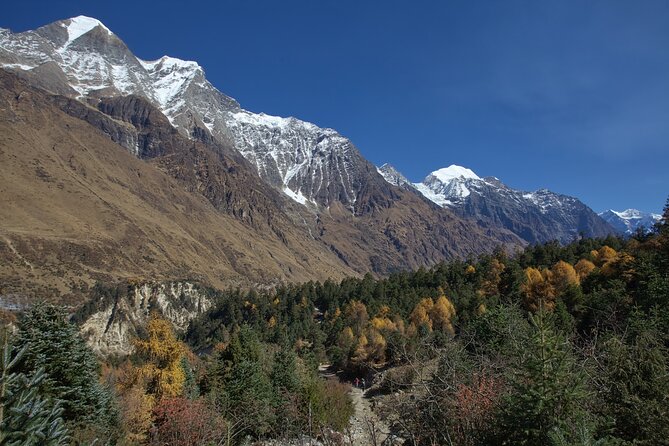
This trek is described for moderate physical fitness, but the key word is moderate with effort. The days include steady walking plus some challenging sections: you’ll climb, descend, cross streams, and spend long hours on uneven trail. Your best strategy is simple: keep your pace slow enough that you can breathe steadily, especially when the air thins.
Altitude is another planning factor even before the highest pass day. The itinerary calls out a day (around Day 10) with a short but challenging gain, and then the big crossing on Day 11. In practical terms, you should treat that period as your “save your legs” window. Move carefully, drink water regularly, and don’t assume you’ll feel great just because you’re resting on paper.
Weather is the deal-breaker. The experience notes that it requires good weather, so you should expect flexibility if conditions turn. That’s not a reason to panic. It’s a reason to pack for cold, be mentally ready for changes, and choose treks that won’t rush you onto unsafe timing.
Day-by-day: Kathmandu to Soti Khola, where the trek starts feeling real
Day 1: Kathmandu arrival and an easier landing
You arrive at Tribhuvan International Airport, get picked up, and transfer to your hotel. The rest of the day is free so you can rest, eat what you like, and do a bit of Kathmandu wandering if you feel up to it.
This matters because your Day 2 is a long travel day into the trekking start area. If you’re tired on arrival, you’ll waste energy. A low-stress first night helps your whole trip.
Day 2: Drive to Soti Khola, then you step into the river world
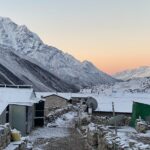
After breakfast, you drive to Soti Khola, the trek starting point. The drive takes about 8–9 hours, with Himalayan views along the way, and it sets the tone: you’re moving from roads and cities into valley walking.
Once you’re in the Soti Khola area, you’ll feel the change right away. It’s not just scenery. It’s the pace of life: slower, quieter, and more connected to the river and the villages.
Days 3–6: suspension bridges, hot springs, and the Gurung trail rhythm
Day 3: Machha Khola and the waterfall village feeling
Today’s walking begins with a gentle climb through lush forests and small villages. You’ll pass the Budi Gandaki River and cross suspension bridges, then reach Lapu Besi before continuing to Machha Khola.
Machha Khola is a small riverside settlement, and it’s known for beautiful waterfalls. Even if you don’t plan a detour, you’ll likely hear and smell the energy of water nearby, which makes the whole day feel alive.
Day 4: Jagat and a stronger day of ups, downs, and viewpoints
Day 4 is tougher: stream crossings and climbing up and down steep hills. The trail runs through forests and terraced fields, then heads toward Tatopani, a Gurung village tied to natural hot springs.
After crossing the Budhi Gandaki River, you finish in Jagat. This is the kind of day where your success is less about speed and more about foot care. If your shoes feel new or stiff, this is when blisters can show up, so take a moment at breaks to check your feet.
Day 5: Nepal village area, rocky trail, and mountain-hugging quiet
You’ll start with a descent to the river and cross another suspension bridge. The path shifts to rocky sections and forests before reaching Deng, a small village with mountain views.
This is a good “settle in” day. The walking style prepares you for later high sections without throwing you too hard too soon.
Day 6: Namrung climbs—pine, rhododendron, chortens, and mani walls
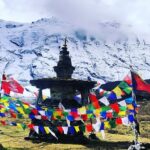
Day 6 is a gradual climb through pine and rhododendron forests. You’ll see chortens and mani walls, stone surfaces tied to Buddhist prayer, which adds a meaningful layer to what could otherwise be only hiking.
You finish in Namrung, a hillside village with strong Himalaya views. If you like trails where culture and religion sit quietly along the route, this stretch delivers.
Days 7–9: Samagaon rest day and Samdo’s Tibetan-border vibe
Day 7: Samagaon and Manaslu’s close presence
The trail takes you through Lihi and Hinang before arriving at Samagaon. The walk includes standout scenery, including views of Mount Manaslu and neighboring peaks.
You’ll also notice a more monastery-focused atmosphere. Samagaon is known for its Buddhist monastery and traditional houses, so the village feels like a mountain outpost rather than a passing stop.
Day 8: A real rest day at Samagaon
Day 8 is a rest day in Samagaon. You can explore the village and its surroundings, including visiting the monastery for mountain views.
If you want movement without committing to another long hike, this is where you can take a shorter hike toward glaciers and lakes nearby. It’s a practical recovery day, not a free-for-all, and it helps you feel better before the altitude build toward the pass.
Day 9: Samdo, juniper and birch, and border-town atmosphere
You move through forests of juniper and birch before reaching Samdo. The village sits on the border of Tibet and is known for traditional Tibetan houses and culture.
This day is a mood shift. Even without adding extra effort, the air and setting start to feel different. It’s an ideal lead-in to the cold, high trekking feel you’ll get over the next couple of days.
Days 10–12: Dharamsala (Larkya Phedi) and the Larkya La crossing plan
Day 10: Dharamsala (Larkya Phedi), altitude prep without rushing
Today is described as short but challenging due to a significant altitude gain. You’ll walk past streams with big mountain views, and then reach Dharamsala, also called Larkya Phedi, which is the base camp for the Larkya La pass.
This is where your behavior matters. Don’t turn it into a race day. Use the time to get settled, eat well, and get an early night. Pass days punish late starts and careless pacing.
Day 11: Larkya La pass day, the highest moment of the trek
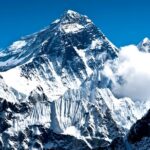
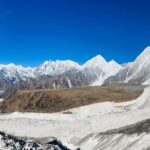
This is the most challenging and exciting day. You cross Larkya La, the highest point of the trek, and the pass brings sweeping views where you can see as far as Annapurna II and Himlung Himal.
After the crossing, you descend to Bhimthang, described as having beautiful landscapes and lush forests. The trick on pass day is to keep your energy for the descent too, because that’s where fatigue can quietly turn into slow, stubborn discomfort.
Day 12: Dharapani, forest walking, and a gentler release
Day 12 is a gradual descent through forests and terraced fields. You pass Tilije and Thonje before reaching Dharapani.
This is the kind of day that makes you feel your body again after pass strain. If you tend to feel stiff after long descents, expect some soreness, then look for steady walking rather than long stops.
Days 13–14: driving back to Kathmandu and finishing with breathing room
Day 13: Return journey to Kathmandu
You drive from Dharapani area back to Kathmandu, which takes about 8–9 hours. The drive passes villages, forests, and rivers.
This doesn’t sound like a trek day, but it matters. You’ll likely feel both relief and quiet fatigue. Plan a low-key evening and don’t schedule a bunch of big plans before you sleep.
Day 14: Departure day
You’ll get transferred to the airport for your flight home. It’s a straightforward wrap-up day so you can reflect on what you did without rushing.
Heaven Himalaya’s role: how the team makes this kind of trek less stressful
A big reason people choose an organized trek is peace of mind. In this case, the company is described as having professional, experienced guides who help plan and execute the journey, including transportation, accommodation, and meals. That’s exactly what you want when you’re walking for 6–9 hours a day and the mountains don’t care about your schedule.
The names that come up in past trips include Ramhari, Sanjeev, Dipak, Babu, plus guides like Prem Dahal and Bishal. Even without knowing who you’ll be assigned, it tells me this operator builds around a real team rather than a one-person setup.
There’s also an emphasis on safety and being flexible. In practical terms, flexibility means you can ask questions and get answers without feeling brushed off. It also means the pace can match your group. I like that for private trekking, because you’re not forced into a generic routine.
Who this trek is best for (and who should rethink)
This trek fits you if you want a challenging but well-supported mountain experience. It’s a strong match for couples and solo hikers who want private guiding and a clear plan. It also suits families and groups, as long as everyone can handle the walking hours listed across the days.
You might want to reconsider if you’re looking for an easy hike with minimal walking. Several days are described as steep, stream-crossing heavy, or altitude-demanding. And since the pass day depends on good weather, you should plan to be flexible with timing and mental expectations.
Should you book this Manaslu Circuit trek with Heaven Himalaya?
If your goal is a private, structured Manaslu experience with end-to-end support, I think booking makes sense. The strongest reason: you get transportation into the mountains, arranged lodge nights, meal handling, and experienced guides, so you’re not spending your limited trek energy on coordination.
I would only pause if you’re not comfortable with altitude buildup and a high pass day that’s clearly the hardest moment of the itinerary. Also be honest with yourself about weather sensitivity. This is a trek where the mountain calls the shots.
If you want a circuit with real village walking, monastery and prayer-wall culture along the way, and the big reward of Larkya La, this is a solid way to do it.
FAQ
How long is the Manaslu Circuit trek on this private trip?
The trip runs for about 14 days.
Where does the trek start in Kathmandu?
You start in Kathmandu, with the meeting point at Tribhuvan Airport. You’re picked up on arrival.
What is the price per person?
The price is $1,800.00 per person.
Is this a private trek or shared with other groups?
It’s a private tour/activity, so only your group participates.
What fitness level do I need?
The information provided says travelers should have moderate physical fitness.
Do you offer pickup from the airport or nearby locations?
Yes. Pickup is offered, including transfer to your hotel on arrival day and onward transfer for departure.
Is mobile ticketing included?
Yes, the trip includes a mobile ticket.
Does the trek run in any weather?
The experience requires good weather, and if it’s canceled due to poor weather, you’ll be offered a different date or a full refund.