REVIEW · KANDE
Pokhara: 4-Day Mesmerizing Mardi Himal Guided Trek
Book on GetYourGuide →Operated by Himalayan Nomad Treks Pvt. Ltd. · Bookable on GetYourGuide
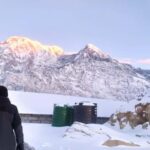
Mardi Himal feels magical at sunrise, and this 4-day guided trek from Pokhara takes you from Forest Camp up to High Camp at 4000m and the 4300m viewpoint with Annapurna and Mount Fishtail views. I love the way the schedule builds toward that early-morning look at the peaks, and I also like the guide support in dense jungle stretches. One consideration: Day 3 begins at 4:00 AM, so you’ll want a warm jacket and a flashlight for the start.
I like that this trek runs as a private group with a guide who can work in English, Hindi, or Nepali, and you may be paired with guides such as Kadesh, Prakash, or Kaji. You’ll also get that classic mountain-trail rhythm—tea-house lunches, camp meals, and lots of friendly faces along the way.
The route spends Day 1 hiking through forests after a scenic drive past green fields and the Seti River, then Day 4 ends with the Mardi River payoff from Siding Village before a jeep ride back to Pokhara. It’s a tight, focused trek for people who want real walking time and meaningful views in just four days.
In This Review
- Key Highlights You’ll Actually Notice
- Mardi Himal in Four Days: Views That Just Keep Coming
- The Real Altitude Plan (And Why It Matters)
- Day 1: Pokhara to Forest Camp (Kande, Seti River, and 5 Hours of Forest Trail)
- Day 2: Forest Camp to High Camp (Dense Jungle, Wildlife Sounds, and Camp Quiet)
- Day 3: The 4:00 AM Sunrise Hike to 4300m (Mount Fishtail Arrives)
- Day 4: Low Camp to Siding Village and the Mardi River Payoff
- Price and Value at $152: What’s Included (And What You’ll Want to Add)
- Guides and Support: Why the Human Side Gets Mentioned So Often
- What to Pack for Mardi Himal (Using the Provided Checklist)
- How to Think About Meals and Tea Stops
- Who Should Book This Trek (And Who Might Feel Strained)
- Should You Book This Mardi Himal Trek? My Practical Take
- FAQ
- What’s the highest point you’ll reach on this trek?
- Where does the trek start and where does it end?
- How long is the Mardi Himal trek?
- Is hotel pickup and drop-off included?
- Do I need trekking permits and TIMS?
- Are meals and a sleeping arrangement included?
Key Highlights You’ll Actually Notice
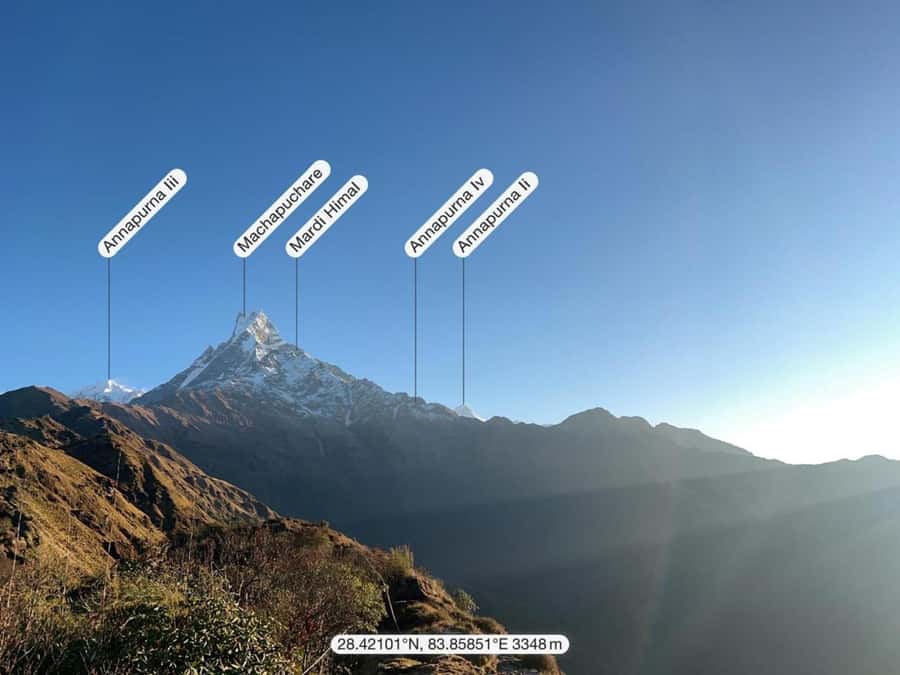
- Sunrise payoff at 4300m: a short, steep early hike timed for the best peak panorama
- Camp ladder to manage effort: Forest Camp (2500m) → High Camp (4000m) → Low Camp (3000m)
- Jungle hiking with living things around you: wild birds and animals are part of the experience
- Mardi River on Day 4: you see where the mountain’s water runs down near Siding Village
- Private-group guidance: English/Hindi/Nepali support, with pacing that helps you stay comfortable
- Permits and paperwork handled: trekking permits and TIMS fee are included, plus a medical kit
Mardi Himal in Four Days: Views That Just Keep Coming
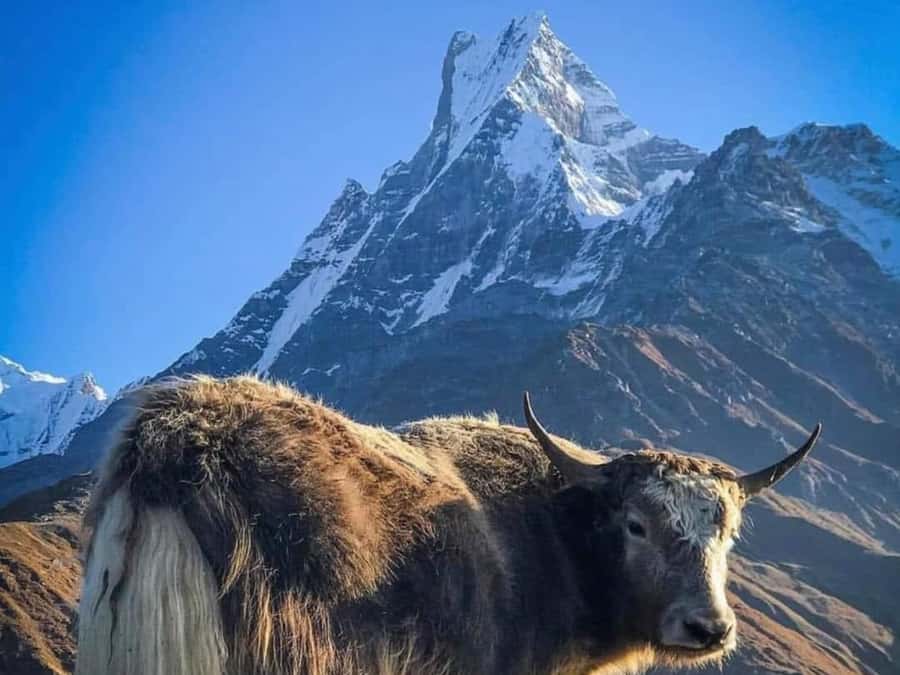
If you’re choosing a trek in Nepal, you’re really choosing a feeling: the slow confidence of walking higher each day, the quiet moments at camp, and that one big moment when the mountains finally “arrive” in full view.
Mardi Himal delivers those beats fast. You start from Pokhara and work your way up through forest trails, camp life, and a sunrise viewpoint that brings Mount Fishtail and the wider Annapurna range into focus. What makes this trek work well is the structure: each day has a clear purpose, and the big climbing effort is concentrated where it counts.
And from the way guides like Kadesh, Prakash, and Kaji are described, the human side matters here too. When you’re tired on a trail, having someone who keeps things practical—checking you’re warm, encouraging you to keep going, and helping you stay comfortable—changes the whole experience.
You can also read our reviews of more tours and experiences in Kande.
The Real Altitude Plan (And Why It Matters)
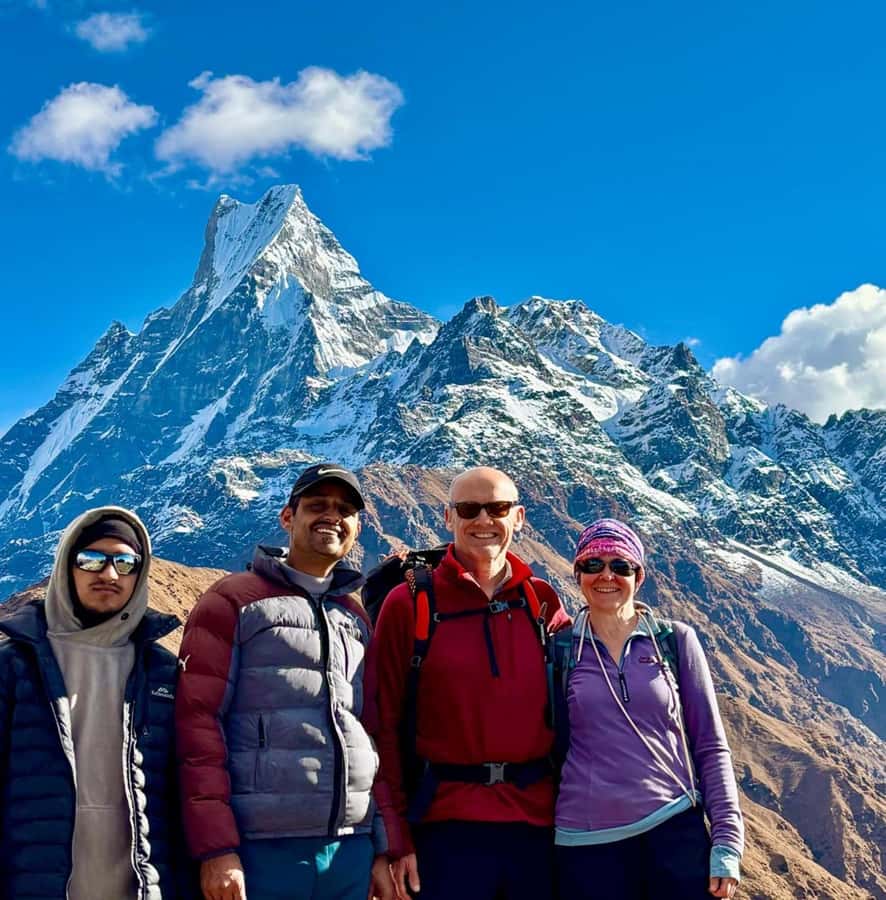
Let’s talk numbers, because they help you pack and pace better.
- Forest Camp: 2500m (Day 1)
- High Camp: 4000m (Day 2, and again early Day 3)
- Viewpoint: 4300m (Day 3 sunrise hike)
- Low Camp: 3000m (Day 3)
- Siding Village: 1800m (Day 4)
- Pokhara: 800m (after the jeep ride)
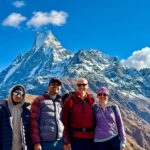
This trek doesn’t try to “spread out” acclimatization for weeks. Instead, it uses a short but effective pattern: you go up to 4000m, then do a morning push to 4300m before descending to 3000m. That morning altitude jump is the most demanding moment, so Day 3 is where you’ll feel the cold air and the thin feeling in your lungs.
Practical tip: treat Day 3 like a cold-weather mission, not a casual hike. Bring warm layers even if you start feeling okay at 4:00 AM, and keep your pace steady on the way up. Slow steps get you to the viewpoint without stress.
Day 1: Pokhara to Forest Camp (Kande, Seti River, and 5 Hours of Forest Trail)
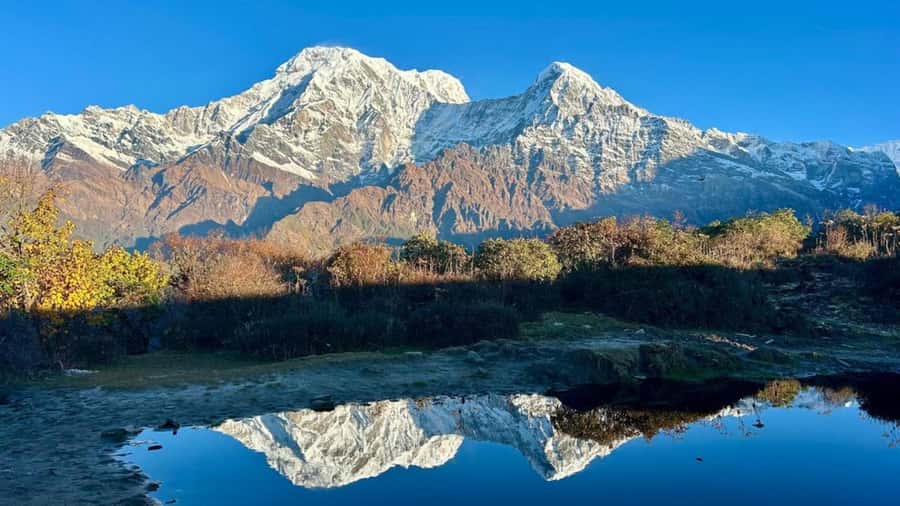
Day 1 starts with momentum. You leave Pokhara early, around 8:00 AM, and drive to Kande for about 1.5 hours. The route is scenic in the way Nepal does best: green fields, forests, mountains in the distance, and views related to the Seti River.
Then you hit the hiking portion. After a lunch stop at a tea house partway along the way, you trek from Kande toward Forest Camp for about 5 hours, largely through gorgeous forest.
What I like about Day 1 is that it doesn’t throw you into the hardest altitude right away. You’re building your walking rhythm on a trail that’s interesting enough to keep you focused. Forest hiking also tends to feel easier on the mind than open slopes—less staring at the next switchback and more looking for birds, movement, and shade.
Possible drawback: Day 1 has both a drive and a long walk. If you’re the type who gets stiff after sitting in a vehicle, plan to stretch briefly during breaks and bring a daypack you can access quickly. Comfort early helps your energy later.
Day 2: Forest Camp to High Camp (Dense Jungle, Wildlife Sounds, and Camp Quiet)
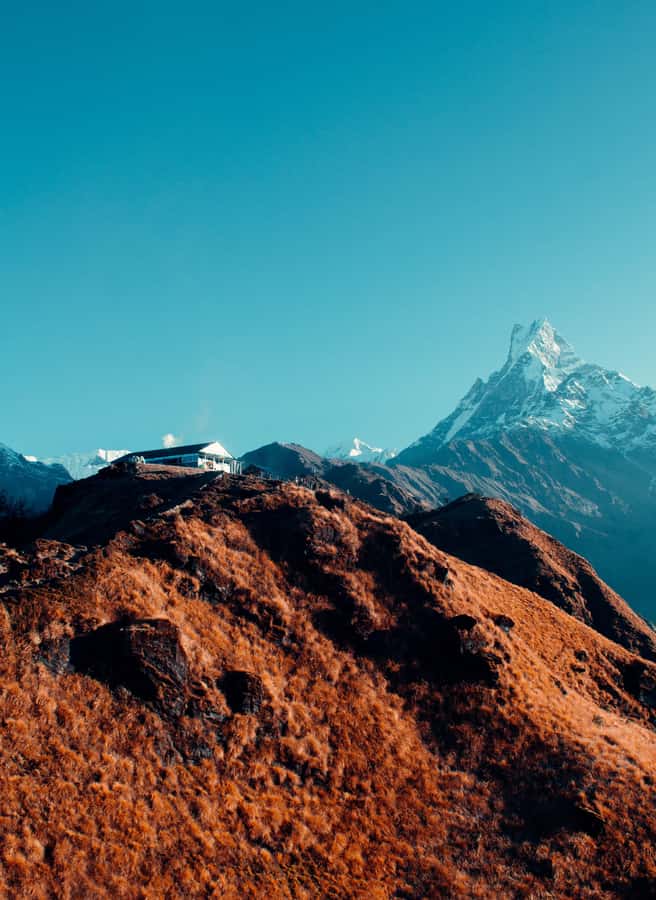
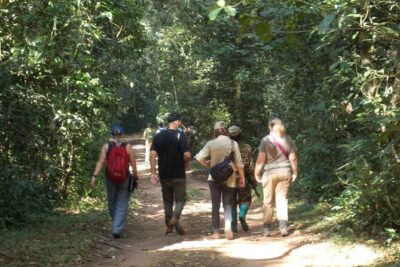
On Day 2, you move from Forest Camp (2500m) up to High Camp (4000m). After breakfast, you trek for about 5 hours through dense jungle.
This is the day where the trek starts feeling more “alive” in the best way. You’ll likely notice birds and the kind of animal presence you only hear—rustles, sudden calls, and the feeling that you’re walking through a working ecosystem, not just a trail.
You end at High Camp and stay overnight.
What to expect (and what to prepare for):
- Colder air at 4000m tends to arrive sooner than you think, especially once the sun drops.
- Jungle trails can be uneven and slippery. Good boots matter more than speed.
- Camp time is when you’ll want to warm up, eat well, and rest early. The next morning starts at 4:00 AM.
If you’re prone to getting sleepy after a full day, this is also where your guide’s pacing helps. A good guide keeps you from rushing the effort too much, so you can sleep instead of just collapsing.
Day 3: The 4:00 AM Sunrise Hike to 4300m (Mount Fishtail Arrives)
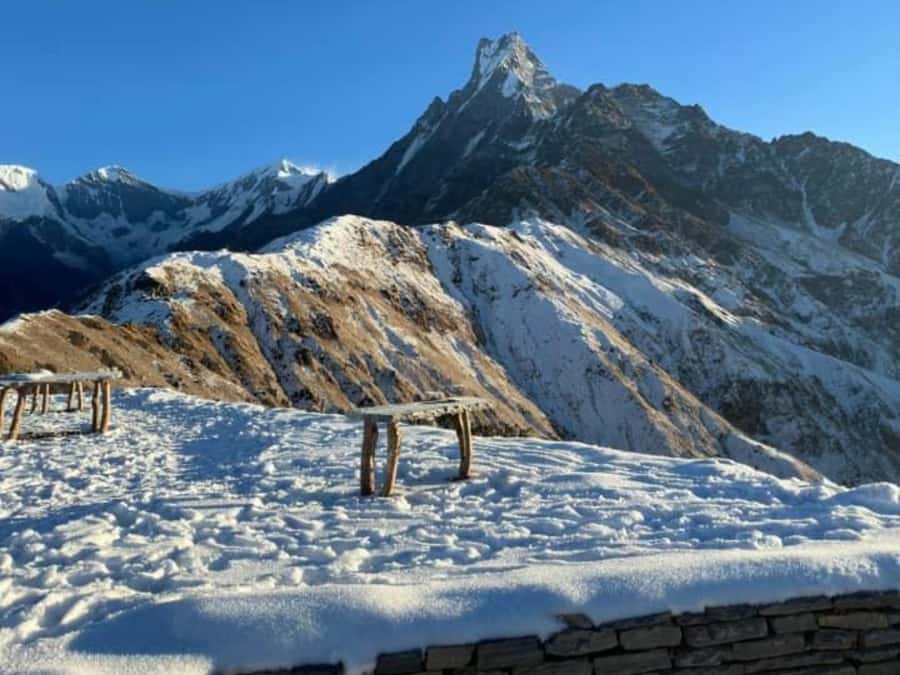
Here’s the moment Mardi Himal is famous for in practical terms: the early hike to a 4300m viewpoint.
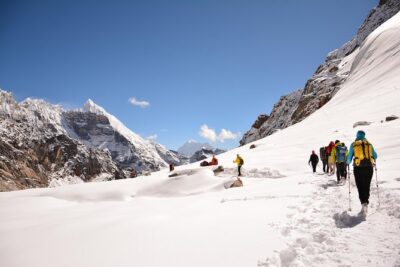
You get up at 4:00 AM, hike for about 2 hours to the viewpoint, and then enjoy the panorama—Mount Fishtail plus the broader Annapurna range. Afterward, you descend back toward High Camp for breakfast, then head down again to Low Camp (3000m).
What makes this day work is the sequencing. You push early while conditions are typically calmer and clearer, then you come back down while you still have energy to enjoy breakfast and start the descent.
Why you’ll probably remember this sunrise:
- The viewpoint hike forces you to focus. No distractions—just steps, breath, and the sky.
- Morning light makes mountains look sharper and closer, so you actually “read” the peaks instead of admiring them from far away.
From the guides described, this is also the day where encouragement shows up. People talk about guides like Prakash being accommodating and checking that everyone has what they need. That matters because early-morning effort can feel harder than it looks on paper.
Possible consideration: sunrise treks mean cold hands and colder air. Pack accordingly and don’t rely on willpower.
Day 4: Low Camp to Siding Village and the Mardi River Payoff
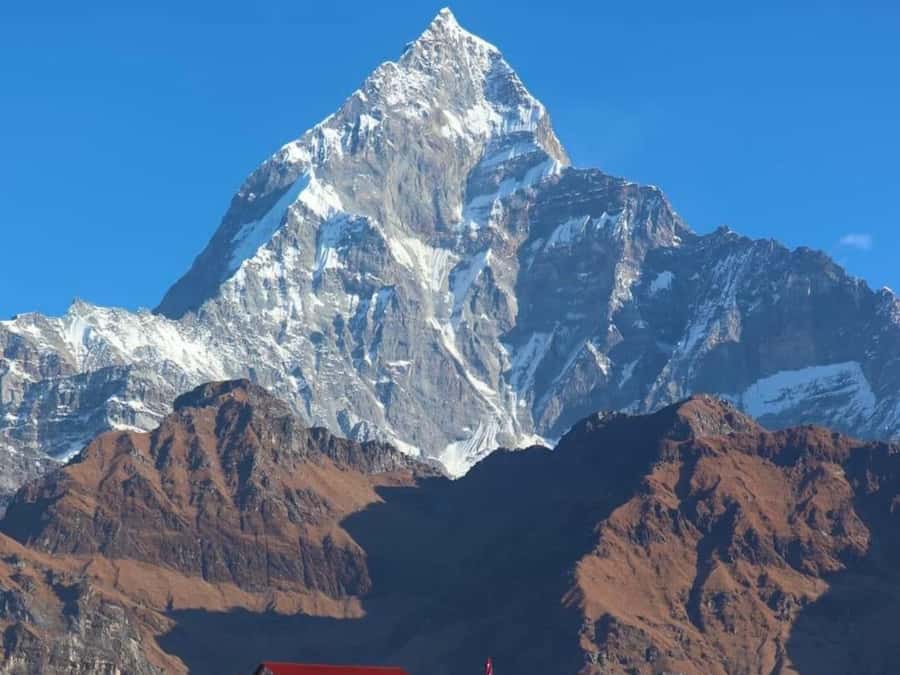
Day 4 is a relief day, in the best sense. You start with breakfast at Low Camp (3000m) at 8:00 AM, then trek down to Siding Village for about 4 hours.
The key moment is what you see at the end: the Mardi River, flowing from the base of the Mardi Mountain you visited up high on Day 3. That’s a satisfying connection—after days of climbing and looking up, you finally see where the mountain’s water comes to life.
At Siding Village, you’ll have lunch and time for local culture and hospitality. Then you get picked up by jeep and driven back to Pokhara for about 2.5 hours.
Practical tip: Day 4 walking is still walking. It’s downhill, but downhill can be rough on knees and feet. Bring trekking poles if you use them, and keep your steps controlled.
Price and Value at $152: What’s Included (And What You’ll Want to Add)
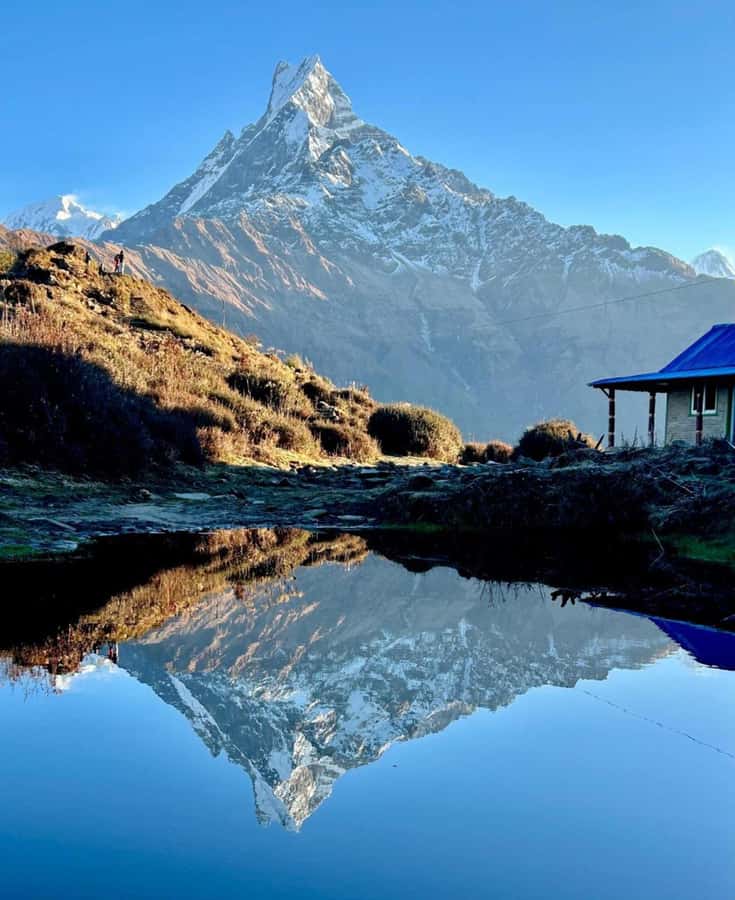
At $152 per person for a 4-day trek, the value comes from what’s handled for you—not just the walking.
Included basics that save stress:
- Hotel pickup and drop-off
- Deluxe transportation as per the plan (the drive segments matter on a trek like this)
- A guide
- Medical kit
- Trekking permits / TIMS fee and paperwork support
- Accommodation during the trek if you choose that option
- All meals if you choose that option
- All staff expenses and government tax
Not included items to plan for:
- Drinks
- Porter (you’d need to arrange one separately if you want help carrying things)
- Travel and rescue insurance
- Any entrance fees during sightseeing
Value angle: permits and TIMS paperwork are the kind of thing that can quietly eat time when you self-organize. Having it handled makes the whole trip smoother. Also, private-group guidance tends to cost more than shared options, so this price feels most fair when you want a consistent pace and clear communication.
Also worth noting: you can typically keep plans flexible with free cancellation up to 24 hours before the trek starts, and reserve & pay later options exist. That’s useful if you’re still finalizing Pokhara logistics.
Guides and Support: Why the Human Side Gets Mentioned So Often
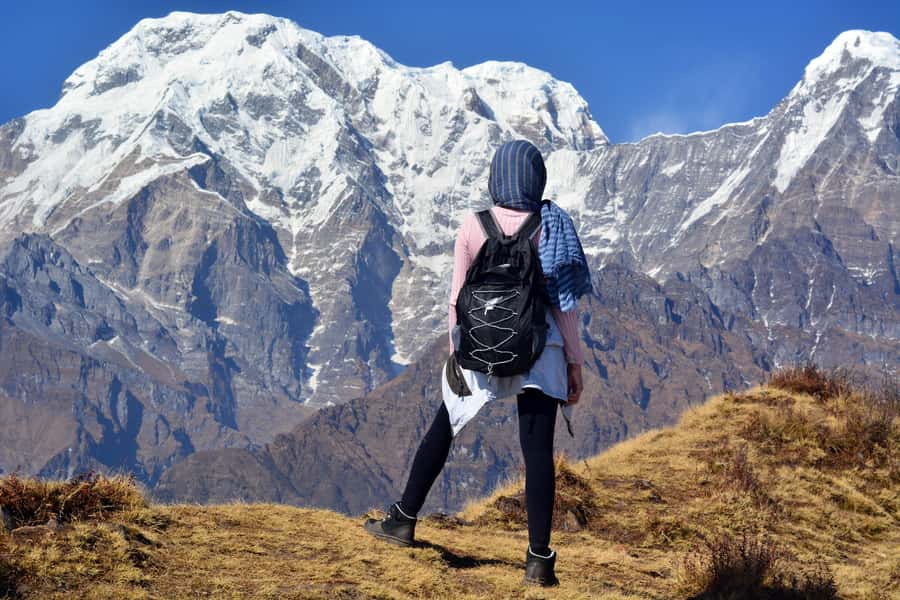
A trek can be “scenic” on paper and still feel exhausting in real life. The difference is usually the guide and the small decisions they make.
In this experience, the guide is part of what people praise most. Guides like Kadesh are described as welcoming and helpful. Prakash is described as accommodating, always making sure everyone had what they needed, and encouraging people when they felt tired. Kaji is described as nice and helpful, with strong support that made the experience enjoyable.
Even if you’re a confident hiker, good guidance affects:
- Pace: not too fast early, not too slow when you still have daylight
- Comfort: warm breaks, food timing, and practical check-ins
- Safety rhythm: staying on track and not cutting corners when footing is tricky
This trek also runs with guides who can work in English, Hindi, and Nepali, which reduces the chance of misunderstandings about clothing, food, or timing.
What to Pack for Mardi Himal (Using the Provided Checklist)
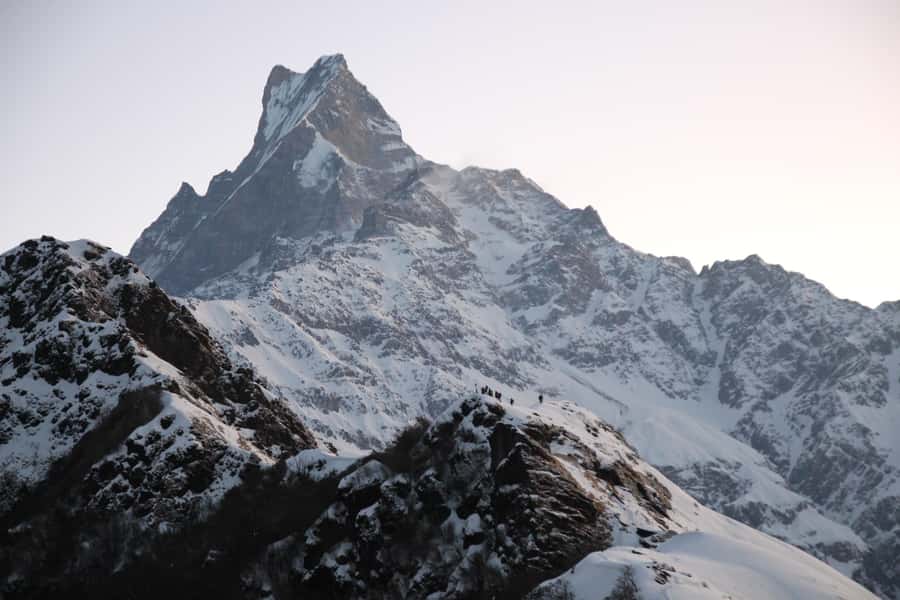
You’ll want to pack for four things: altitude, cold mornings, sun exposure, and trail convenience.
From the list, start with these essentials:
- Passport or ID card
- Sunglasses and sunscreen
- Camera
- Water
- Cash
- Hiking shoes (non-negotiable if you dislike sore feet)
- Daypack
- Long pants, shorts, and a jacket
- Hat
- Flashlight (especially for the early start)
- Sleeping bag (bring what the checklist requests, since nights get cool)
- Trekking gear and change of clothes
Packing thought: don’t bring only one warm layer. At 4300m on a sunrise start, you’ll wish you had options—something to protect your core and something for your hands.
How to Think About Meals and Tea Stops
This trek is built around eating well enough to keep your energy steady.
Lunch on Day 1 happens at a tea house on the way, and meals at camps matter on Days 2–4 too. The plan also notes that all meals are included if you choose that option. If you’re not choosing it, you’ll want to budget for food and drinks along the trail.
Here’s the practical truth: hydration and warm drinks help on cold mornings. Your guide and the tea houses on route can make the trek feel smoother, especially when Day 3 starts before you’re truly awake.
Who Should Book This Trek (And Who Might Feel Strained)
You’ll likely enjoy this trek if you:
- Want a 4-day hike with a clear progression in altitude
- Like sunrise experiences and big mountain views
- Are comfortable with around 5 hours of walking on the first two trekking days
- Appreciate a private-group setup and a guide who can support you day to day
You might want to reconsider if:
- Early starts (like 4:00 AM) are a deal-breaker
- You’re not comfortable with altitude up to 4300m
- You prefer a longer acclimatization schedule spread across more days
If you’re unsure, tell your guide or operator what your pace and stamina look like. A private group means there’s room to keep you comfortable.
Should You Book This Mardi Himal Trek? My Practical Take
If your goal is an efficient trek that hits forests, camp life, a big sunrise viewpoint at 4300m, and a satisfying finish by the Mardi River, this plan makes a lot of sense. The included support—guide, medical kit, permits/TIMS, transport, and pickup—helps you avoid the common hassles that pop up in Nepal treks.
I’d book it if you like structure and you’re okay with a cold, early morning push. I’d hesitate if you struggle with dawn starts or you’re dealing with concerns around altitude.
If you go, prioritize your layering, pack a good flashlight, and trust the pace your guide sets. That’s where the experience turns from a route on paper into a trip you’ll remember.
FAQ
What’s the highest point you’ll reach on this trek?
You’ll reach a sunrise viewpoint at 4300m on Day 3, with High Camp at 4000m on Day 2 and Low Camp at 3000m on Day 3.
Where does the trek start and where does it end?
It starts in Pokhara, with pickup and travel to the trail area, and it ends at Siding Village before a jeep ride back to Pokhara.
How long is the Mardi Himal trek?
The experience runs for 4 days.
Is hotel pickup and drop-off included?
Yes. Hotel pickup and drop-off are included, and you should be ready in the hotel lobby about 10 minutes before pickup.
Do I need trekking permits and TIMS?
Yes, and the plan includes trekking permits, paperwork, and the TIMS fee.
Are meals and a sleeping arrangement included?
Meals and accommodation are included if you choose those options. Drinks are not included.