REVIEW · KATHMANDU
Everest Base Camp Trekking-14 nights/15 Days
Book on Viator →Operated by Himalayan Trekking Path (P). Ltd. · Bookable on Viator
In This Review
- Everest Base Camp Is a Real Schedule, Not a Dream
- Highlights I’d Pack My Brain for
- Everest Base Camp Trekking: What This 15-Day Plan Really Means
- Price and Logistics: Where the $1,600 Holds Up (and Where It Doesn’t)
- From Tribhuvan International Airport to Your Kathmandu Hotel Stop
- The Domestic Flight to Luk and Why It Changes Everything
- What You Can Expect on the Trek: Support That Actually Helps
- Altitude, Weather, and the One Detail You Must Respect
- Permits and Environmental Charges: The Boring Part That Keeps the Trek Honest
- Accommodation Included: What That Means in Practice
- Packing and Budget: The Not-Included List You Should Plan For
- Who This Everest Base Camp Trek Is Best For
- Should You Book This Everest Base Camp Trek With Himalayan Trekking Path?
- FAQ
- Where is the meeting point and what time does the tour start?
- Does the price include hotel pickup and drop-off in Kathmandu?
- Are domestic flights included?
- Is accommodation included?
- Do I get a guide and tour escort/host?
- Are National Park fees included?
- Is food included?
- Do I need travel insurance?
- What documents do I need?
- Is the tour refundable if weather stops it?
Everest Base Camp Is a Real Schedule, Not a Dream
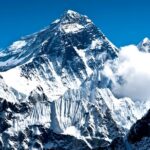
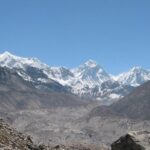
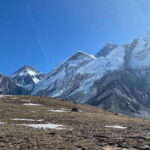
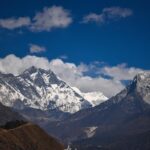
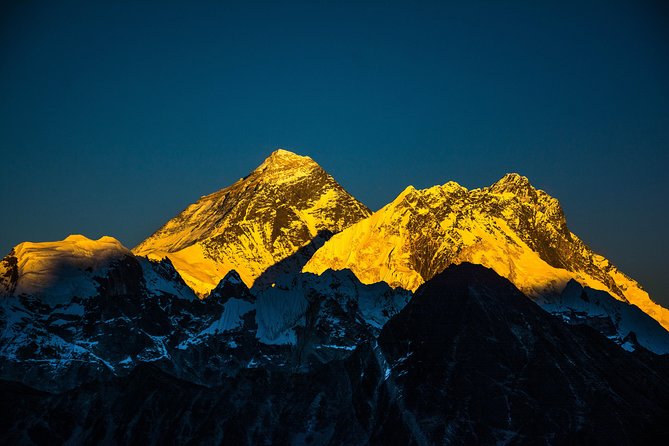
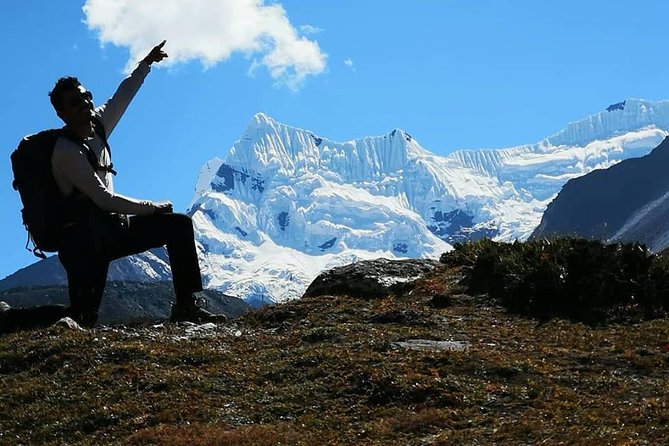
Walking toward Everest Base Camp is the kind of trip that changes your focus fast, and this one is built around easy-to-follow logistics from Kathmandu to the Khumbu. You’re aiming for Everest Base Camp (5,364 m), with the region’s biggest peaks looming in every direction—Mt. Everest (Sagarmatha), plus icons like Lhotse, Pumori, and Nuptse.
What I really liked is that you start with real help—airport pickup, hotel transfer, and staff to get you organized—so your first day isn’t chaos. The second big win is the way this trip reduces load: baggage carried service is included, and you travel with a professional guide and tour escort/host.
One possible drawback: the trek still depends on conditions and your own physical readiness. Even though the provider says it runs in all weather conditions, this experience also requires good weather, and you should plan for possible adjustments. Plus, several key items aren’t included (like food/drinks, visa, insurance, and tips), so budget a little beyond the $1,600.
Highlights I’d Pack My Brain for
- Domestic flight included (Kathmandu–Luk–Kathmandu), which saves real time versus long road travel
- National Park fees + environmental management charge included, so you’re not chasing permits last-minute
- Baggage carried service included, meaning you hike with less weight
- Guide support from named pros like Chandra and Sreekrishna has shown up in client experiences
- Private setup for your group (even though it may still be eligible for group discounts)
- Free cancellation up to 24 hours if plans shift, plus weather-related rebooking/refund if poor conditions stop the trip
You can also read our reviews of more tours and experiences in Kathmandu.
Everest Base Camp Trekking: What This 15-Day Plan Really Means
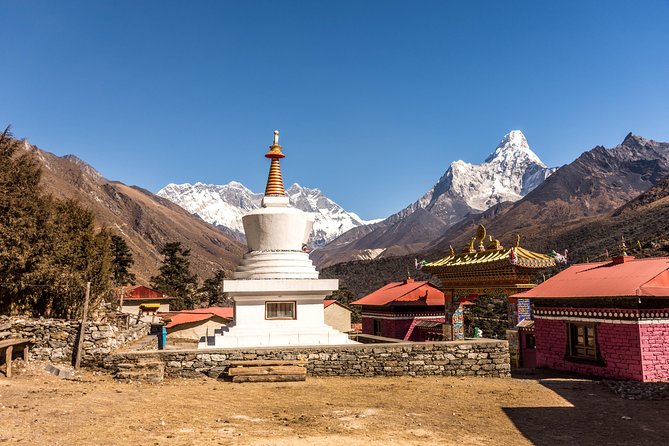
Everest Base Camp is one of those goals that sounds almost too big for normal life. The interesting thing about doing it with a guided Nepal operator is that the trip stops being a vague dream and becomes a set of tasks you can actually handle: getting to the right starting point, having permits sorted, sleeping in planned places, and hiking with a guide who knows how to keep you moving without turning every day into a survival contest.
This specific plan runs 14 nights / 15 days, with a base in Kathmandu (and a 5:45 am start time at the airport meeting point). That early start matters because in Nepal, timing affects everything—flights, check-in windows, and even how you feel once you’re on the move. If you hate early mornings, you’ll need to plan for them, because this isn’t a “sleep in and stroll” vacation.
Also, the way they price it is a clue. $1,600 per person isn’t just for “a guy and a trail.” It includes a lot of the behind-the-scenes costs—guiding, escort/host support, permits, taxes, and the domestic flight between Kathmandu and Lukla (spelled Luk in the details). The trip becomes less about logistics you can DIY and more about spending your energy on the walking.
Price and Logistics: Where the $1,600 Holds Up (and Where It Doesn’t)
Let’s do the value check like an adult.
What’s included (from the details you provided) is solid and practical:
- Accommodation as per the itinerary
- Hotel pickup and drop-off in Kathmandu
- Kathmandu–Luk–Kathmandu domestic flight
- National Park fees and an environmental management charge (Reef Tax)
- All taxes, fees, handling charges, and local taxes
- A professional guide plus a tour escort/host
- Baggage carried service
- Staff food, accommodation, and salary (so the trip runs as a staffed operation)
What’s not included is also clear:
- International airfare
- Visa fees
- Foods and drinks (including drinks/snacks/dessert)
- Travel insurance
- Tips
- Extra activities
That “not included” list doesn’t make the price bad; it just means you’re paying for the mountain logistics, not the day-to-day meals and personal extras. In a trek, food cost adds up, especially as you climb. So if you’re comparing this price to a cheaper option, make sure you’re comparing apples to apples: many lower-cost deals quietly push permits, guides, domestic flights, or baggage/transport costs onto you later.
If you want the simplest math: this package is best when you want less admin work and more predictable support from day one. If you love micromanaging every detail yourself, you might find the value less obvious.
From Tribhuvan International Airport to Your Kathmandu Hotel Stop
Your trip begins at Tribhuvan International Airport, with the meeting point listed along Ring Rd. The start time is 5:45 am, which tells me they’re aiming to line up your day early—likely around flight schedules and getting you settled before trekking prep kicks in.
The itinerary’s first stop is at Himalayan Trekking Path with a 30-minute transfer to your hotel. The details also list admission ticket free for that stop, which sounds like a setup cost being covered as part of the welcome/administration layer. Either way, the point is the same: you’re not wandering Kathmandu trying to find a desk and a timeline while tired jet lag does its thing.
Two things I appreciate about this approach:
- Hotel pickup and drop-off reduces the chance of you getting stranded mid-transfer.
- A staff-led start helps you get your paperwork straight. The details require passport info (name, number, expiry, country) at booking, so having a team there early is useful.
One tip: keep your passport and important documents easy to reach. You’ll thank yourself at least once during a trip like this.
The Domestic Flight to Luk and Why It Changes Everything
This plan includes Ktm–Luk–Ktm flights with domestic airlines. Even if you’ve done treks elsewhere, Nepal’s mountain routes feel different because the geography forces you to use air for access. That flight component matters for three reasons:
- Time saved: You skip long overland travel and get to the trek starting zone faster.
- Less hassle on logistics: The operator carries more of the coordination burden.
- Clearer pacing: Your trek schedule becomes more predictable because the “getting there” day is structured.
Now, a fair warning: flight days in Nepal can still be weather-sensitive. The experience description says it operates in all weather conditions, but it also says the experience requires good weather and if it’s canceled due to poor weather you’ll get another date or a full refund. Translation: don’t treat weather as background noise. Build flexibility into your overall Nepal schedule if you can.
What You Can Expect on the Trek: Support That Actually Helps
Beyond the headline of Everest Base Camp, what matters on trek days is support you can feel in your routine. This package includes:
- A professional guide
- Tour escort/host
- Baggage carried service
- Accommodation arranged according to the plan
That baggage component is more meaningful than it sounds. When your pack is lighter, you can focus on steady breathing and footwork instead of fighting weight. That’s not “comfort theater”—it can be the difference between enjoying the day and grinding through it.
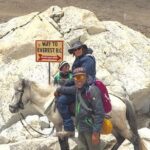
The company also has a pattern of named support roles showing up in prior trekking experiences. Guides like Chandra and Sreekrishna are mentioned in client feedback, and Bikash shows up as a porter in an Everest Base Camp experience. I can’t guarantee which person you’ll get, but it does suggest the operation runs with real people in known support roles, not just vague promises.
As for the trekking itself—what you can say with confidence from the details:
- You’re headed for Everest Base Camp at 5,364 m
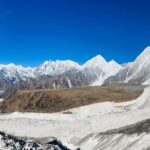
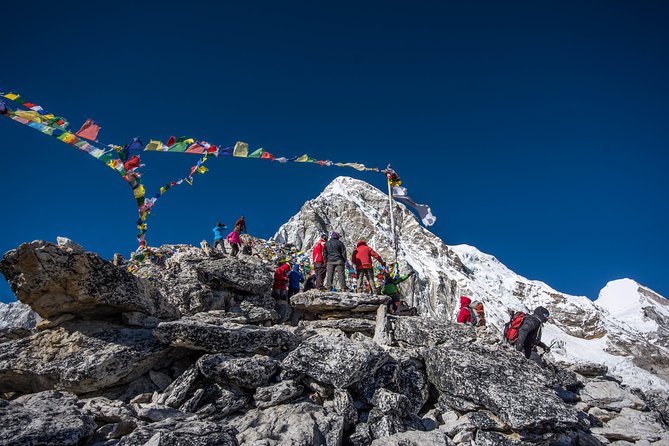
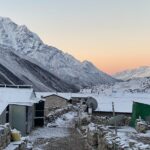
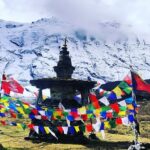
- You’re working inside the Everest region, where Mt. Everest (Sagarmatha) and surrounding peaks like Lhotse, Pumori, and Nuptse shape the views
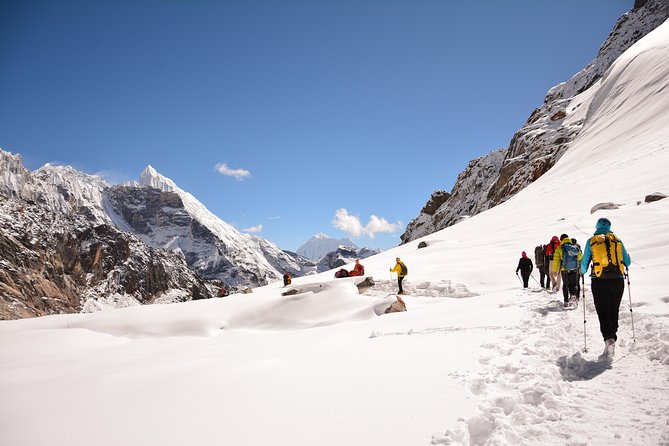
If you’ve trekked elsewhere, you already know the “pattern” of a Himalayan trek: you’ll spend days moving upward, adjusting to air that feels thin, and pausing often enough to take in the terrain and sky. If you haven’t, think of the trek as a slow lesson in pacing.
Altitude, Weather, and the One Detail You Must Respect
Altitude is the real boss of this trip. Everest Base Camp is high, and the region’s conditions can be tough even when the weather is cooperating.
Here’s what the provided details tell me you should plan around:
- The company says it operates in all weather conditions, but you should dress appropriately
- The experience also requires good weather
- If poor weather forces cancellation, you’ll be offered a different date or a full refund
That combination is a reality check: even with a guide and an organized operation, Mother Nature still holds the final say. Your best move is to treat your prep seriously:
- Pack layers you can actually layer in wind and cold
- Have a plan for warm, dry sleeping situations (your accommodation is included, but bring what you need to use it well)
- Stay honest about your own energy and altitude response
If you’re aiming for a “go big or go home” attitude, this trek won’t reward it. It rewards patience, consistent pace, and listening to your guide.
Permits and Environmental Charges: The Boring Part That Keeps the Trek Honest
A lot of tours quietly add permits later. This one lists them upfront, including National Park fees and an Environmental Management Charge (Reef Tax).
Why you should care: in the Everest region, access isn’t free, and waste management is not a small detail. When those charges are handled inside your booking, you’re reducing the chance of last-minute confusion or missing paperwork when you’re already tired and short on time.
For value-focused travelers, this is one of the most “worth it” inclusions. You’re not just buying hiking. You’re buying the ability to hike legally and responsibly in a protected region.
Accommodation Included: What That Means in Practice
The details say you get accommodation as per itinerary, and hotel pickup/drop-off is included in Kathmandu. They also mention staff food, accommodation, and salary, which tells me this is an operationally organized trip where local support staff aren’t dependent on you paying extra each time something shifts.
But one thing I’ll say plainly: the trek side of accommodation isn’t going to feel like a city hotel. This trip is built around the realities of remote trekking. So pack accordingly—expect simple rooms, and plan to dress warm for evenings.
If you need creature comforts, you can still enjoy the trek. Just set expectations early, and don’t let “not fancy” become “ruined.” The whole point is being on the trail in the Everest region.
Packing and Budget: The Not-Included List You Should Plan For
Let’s talk money and packing, because this is where people often get surprised.
Not included:
- Foods and drinks (plus drinks/snacks/dessert)
- Visa fees
- International airfare
- Travel insurance
- Tips
- Extra activities
So even if the core trek price is fixed, you should expect to spend more on:
- Daily meals on the trail
- Hot drinks and basic treats (and yes, those small purchases add up)
- Insurance, which is non-negotiable for high-altitude trekking
- Tips for staff
Packing-wise, you should also plan for cold. The experience notes that it operates in all weather conditions and you should dress appropriately. That means layers, gloves, and a system for staying warm on colder stretches.
Practical move: pack with the assumption that you’ll be cold at some point. Then make it easy to warm up again.
Who This Everest Base Camp Trek Is Best For
This trip is described for people with moderate physical fitness. That’s a good sign. Everest Base Camp isn’t for “casual strollers,” but it’s also not necessarily limited to elite athletes, provided you train and respect altitude.
This plan fits best if you:
- Want a private experience for your group (only your group participates)
- Prefer having a professional guide handling the critical logistics
- Like the idea of baggage carried service instead of hauling everything yourself
- Care about permits and fees being sorted inside the booking
If you’re the type who loves controlling every detail and hates paying for included services, you might feel boxed in. But if you want the stress level to stay low so the trek can stay the main event, this is a strong match.
Should You Book This Everest Base Camp Trek With Himalayan Trekking Path?
For me, the “yes” comes down to two things: support that’s included and key costs handled up front.
This itinerary earns a booking spot if you want:
- A guided, staffed operation with professional guide + escort
- A plan that includes permits (National Park fees plus environmental management charge)
- Less daily carrying thanks to baggage carried service
- Major logistics covered like the Kathmandu–Luk–Kathmandu flight
If you’re on the fence, here are the two checks I’d make:
- Are you ready for an early start at 5:45 am and the reality of weather-dependent trekking schedules?
- Have you budgeted for the items not included—food/drinks, visa, insurance, and tips—so the total doesn’t surprise you?
One more note: the operator offers free cancellation up to 24 hours and if the trek is canceled due to poor weather you’ll be offered a different date or full refund. That flexibility is worth something if you’re booking around uncertain forecasts.
If your goal is to get to Everest Base Camp while spending your time on the trail instead of managing paperwork and logistics, I’d say this is a good bet.
FAQ
Where is the meeting point and what time does the tour start?
You meet at Tribhuvan International Airport (Ring Rd, काठमाडौँ 44600, Nepal) with a listed start time of 5:45 am.
Does the price include hotel pickup and drop-off in Kathmandu?
Yes. Hotel pickup and drop-off are included.
Are domestic flights included?
Yes. The package includes Ktm–Luk–Ktm flight by Domestic Airlines.
Is accommodation included?
Yes. Accommodation as per itinerary is included.
Do I get a guide and tour escort/host?
Yes. The inclusions list a tour escort/host and a professional guide.
Are National Park fees included?
Yes. National Park fees are included, along with an Environmental Management Charge (Reef Tax).
Is food included?
No. Foods and drinks are not included.
Do I need travel insurance?
Travel insurance is not included (the details specifically note travel insurance is not part of the package).
What documents do I need?
A current valid passport is required, and you must provide passport details at booking (name, number, expiry, country).
Is the tour refundable if weather stops it?
Cancellation is free up to 24 hours in advance for a full refund. Also, the experience requires good weather; if it’s canceled due to poor weather, you’ll be offered a different date or a full refund.