REVIEW · KANDE
Pkr. Backpacker Group Dep.: 4 Day Mardi Himal Base Camp Trek
Book on GetYourGuide →Operated by CAN Travels · Bookable on GetYourGuide
Mardi Himal feels like a postcard trail in motion. In four days you climb to about 4,500 meters and get big sunrise and sunset views over the Annapurna Range. I also like that this route is less crowded, so the trek feels calmer and more personal than the usual Nepal checklist. One thing to think about: the days are long and early starts happen, and nights get cold fast once you’re up high.
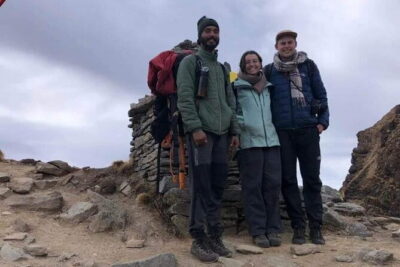
My favorite part, though, was the human touch from the guide—Birendra (Biru) stood out for pacing that actually works for real bodies, and for helping you lock in good overnight spots so you’re not staring at fog all night. You should still plan your own comfort: you may get lots of reminders on slow and careful steps, which can feel a bit much if you’re already an experienced hiker.
In This Review
- Key Highlights You’ll Feel on the Trail
- Why Mardi Himal Base Camp Fits Real Vacation Time
- Day 1: Pokhara to Forest Camp Through Kande, Australian Camp, and Pothana
- Day 2: Forest Camp to High Camp as the Tree Line Fades
- Day 3: The Sunrise Push to Mardi Himal Base Camp (Around 4,500m)
- Day 4: Low Camp to Siding Village, Then Back to Pokhara
- Tea Houses, Meals, and the Rhythm of Your Mountain Day
- Guide Style: Biru’s Flexibility Versus Too-Many Caution Reminders
- Altitude at About 4,500m: Manage the Thin-Air Reality
- Cost and Value: What $181 Usually Buys (and What You Pay Separately)
- What to Bring for Nepal Weather Changes
- Who Should Book This Trek (and Who Might Regret It)
- Should You Book Pkr Backpacker Group Dep: 4 Day Mardi Himal Base Camp Trek?
- FAQ
- How high does the Mardi Himal Base Camp trek go?
- What is the duration of this trek?
- Where does the trek start and how do you get there from Pokhara?
- Is the trekking permit included?
- Are meals included in the price?
- What languages does the guide speak?
- Do I need to book a porter?
- When is the best time to go?
- Is there free cancellation?
Key Highlights You’ll Feel on the Trail
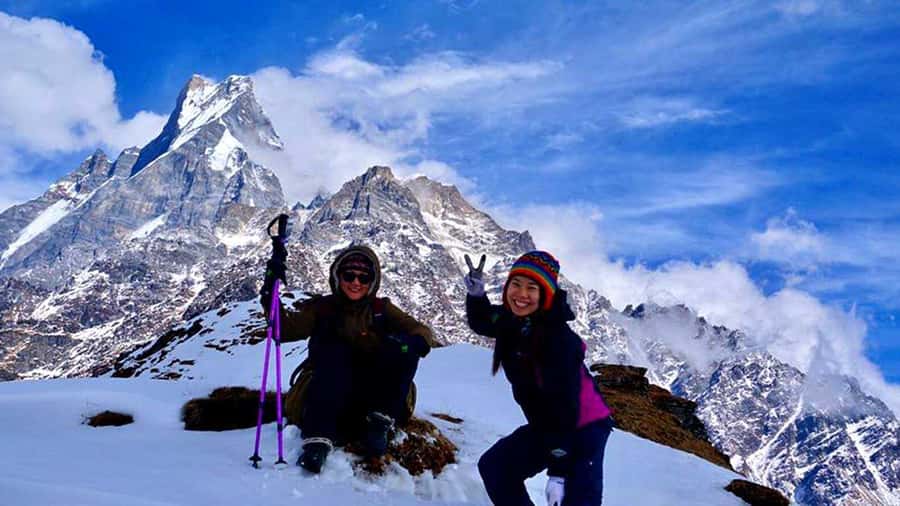
- Lesser-known Mardi Himal route: quieter trekking, less rush, more time to notice the small stuff
- High-mountain views in a short trek: Annapurna peaks plus close views of Machhapuchhre and Mardi Himal
- Rhododendron forests all the way up: a lush, changing walk before the air turns thinner
- Sunrise morning to the base camp: early start, huge payoff, epic light on the peaks
- Biru-style guidance: flexible pace and attention to tea-house comfort
Why Mardi Himal Base Camp Fits Real Vacation Time
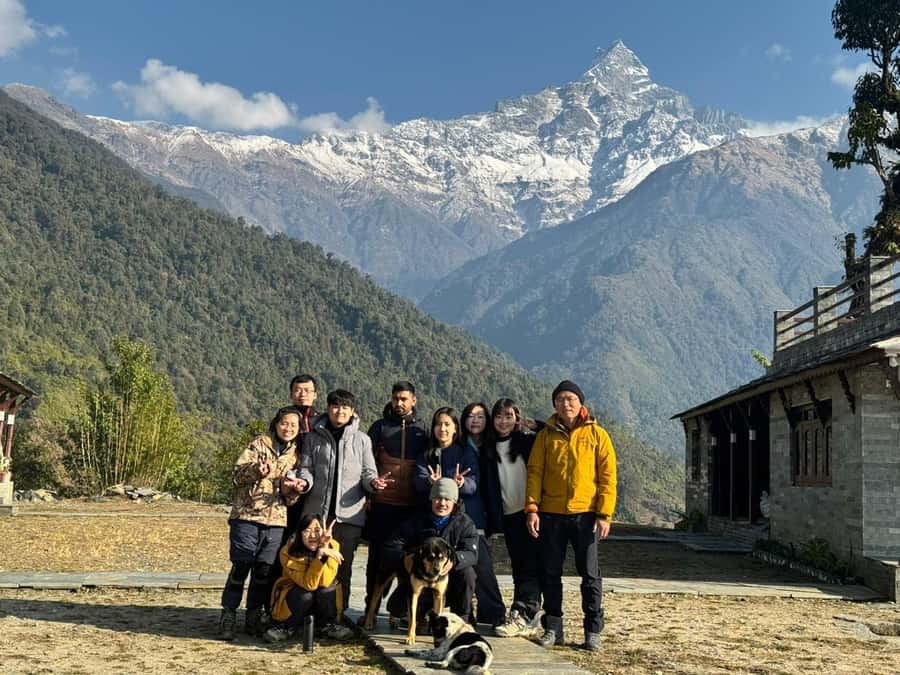
This trek works for one main reason: you get Himalayan drama without committing to a huge expedition. You’re on the move for only four days, but you still reach the zone where mountain views go from scenic to unforgettable.
It’s also a smart choice if you want the Annapurna region’s famous peaks without feeling like you’re hiking in a queue. The route is described as less known, which usually means fewer people on the trail and a calmer vibe at the camps. Add in dense rhododendron forests, and you get variety: cool, green walking early on, then a more open, high-alpine feeling as you climb.
You can also read our reviews of more tours and experiences in Kande.
Day 1: Pokhara to Forest Camp Through Kande, Australian Camp, and Pothana
Your adventure starts from Pokhara. You’ll be picked up from the lakeside area and transferred to Kande by private vehicle—about 1.5 hours. This matters because it cuts the first stress of the day: you arrive at the trail already warmed up and ready to start moving.
Then comes the long scenic walk. Expect 5–6 hours trekking from Kande, passing through spots like Australian Camp and Pothana, with lunch at Australian Camp. That’s a nice rhythm because you’re not only walking through forest—you’re also getting actual viewpoint breaks while you’re still at lower altitude.
The night stop is Forest Camp at around 2,550m, usually at a tea house. This is a good place to settle in because it’s high enough to feel the mountain, but not yet the cold, thin-air shock you’ll feel later.
Day 2: Forest Camp to High Camp as the Tree Line Fades
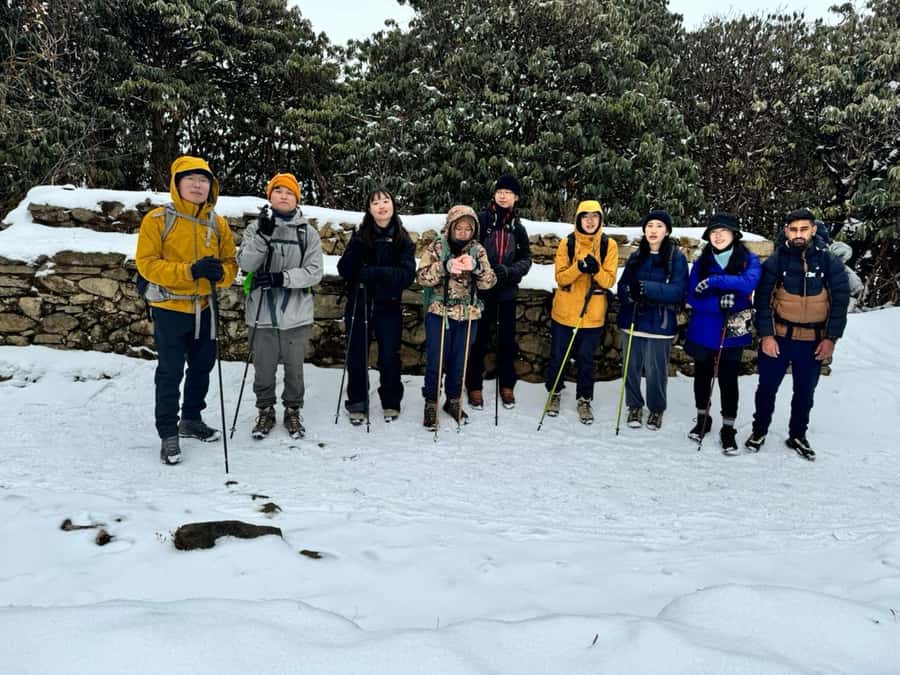
Day 2 is where the trek starts to feel like a real ascent. You’ll trek 5–6 hours from Forest Camp to High Camp (around 3,550m), going via Low Camp.
Early on, you’re still in dense rhododendron forest. That forest section is more than pretty scenery—it’s a natural switch in temperature and mood. You get shade, a slower pace, and a sense of enclosure before the views open.
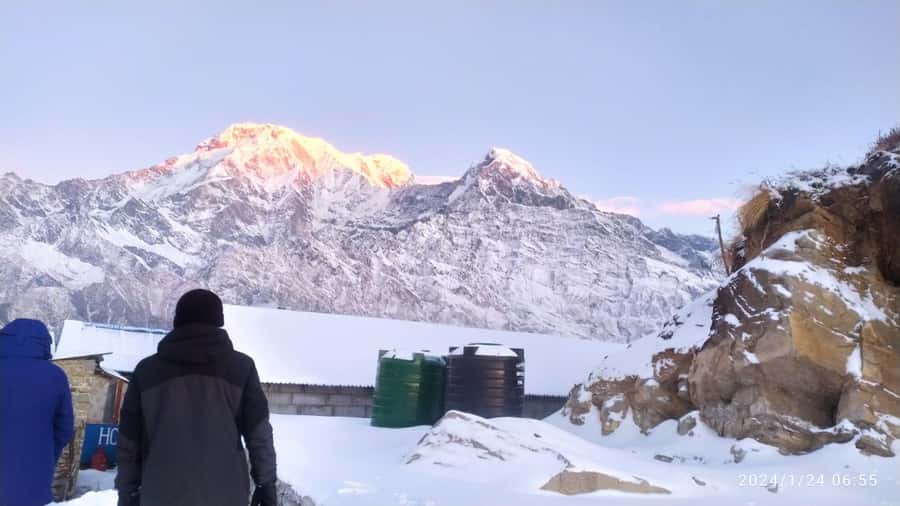
Low Camp is the turning point. It’s described as where the tree line begins to fade, and that’s exactly what you want psychologically: when the forest thins, you can finally see more of the mountains you came for. After lunch, the hike continues to High Camp, where you’re set up for close, clear views of Machhapuchhre and Mardi Himal.
Night two is again a tea-house stay. High Camp can be chilly, but it’s also where the trek starts to feel like it’s leading to something big.
Day 3: The Sunrise Push to Mardi Himal Base Camp (Around 4,500m)
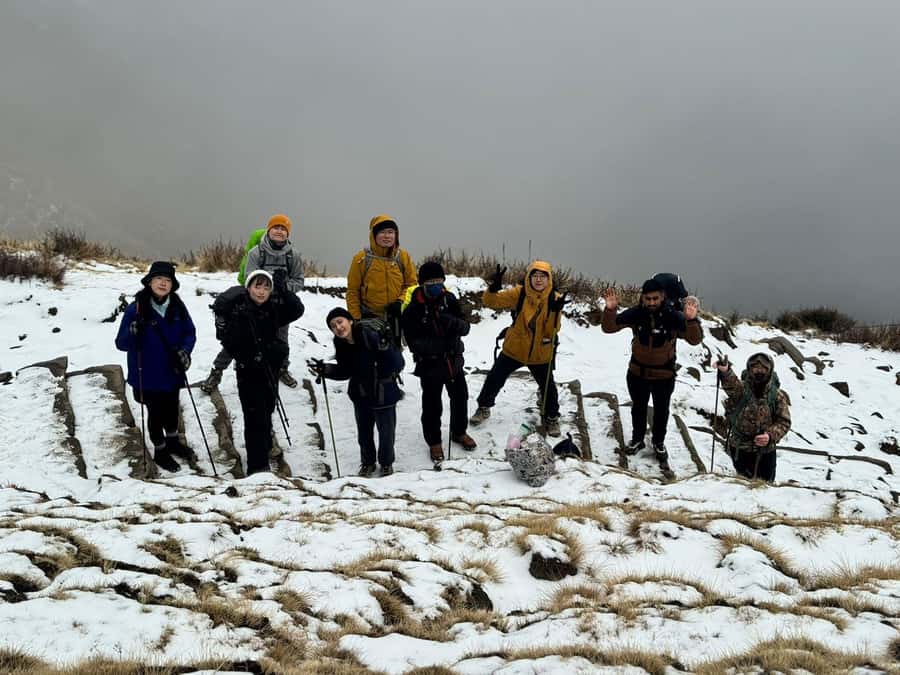
This is the day you plan for. The base camp climb is described as early morning, and that timing is the whole point: sunrise gives you your best chance at crisp visibility over the Annapurna peaks.
You’ll do a 7–8 hour round trip from High Camp to Mardi Himal Base Camp (about 4,500m) and back down to Low Camp for the night. That round-trip structure is important: you’re not only chasing views up top, you’re also budgeting energy for the descent when your legs may feel it.
At the base camp area, you’re rewarded with panoramic views that include Annapurna South, Hiunchuli, and Machhapuchhre, plus of course Mardi Himal itself. This is the kind of viewpoint that makes the “short trek” idea feel true. You don’t just see peaks—you see how they layer.
After spending time up top, you descend to Low Camp for the night. That descent is practical. It helps you recover before Day 4 when you’re heading back toward villages and the return drive.
Day 4: Low Camp to Siding Village, Then Back to Pokhara
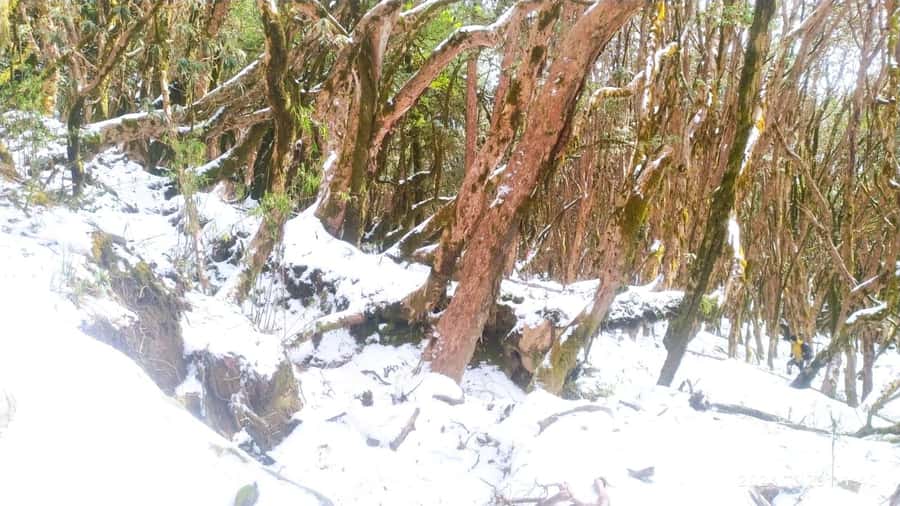
Your final day is lighter, but don’t expect it to be effortless. You’ll hike about 3–4 hours down to Siding Village, then take a jeep ride back to Pokhara (about 2.5–3 hours).
This part is worth it because you’re walking through traditional Nepalese villages on the way down. Even if the main goal is the mountain view, this village segment reminds you where you are in real life: tea houses, local routines, and a slower rhythm compared with the steep climb days.
When the jeep gets you back to Pokhara, you’ve basically done a complete arc: forest trekking, alpine ascent, base camp payoff, and then cultural descent.
Tea Houses, Meals, and the Rhythm of Your Mountain Day
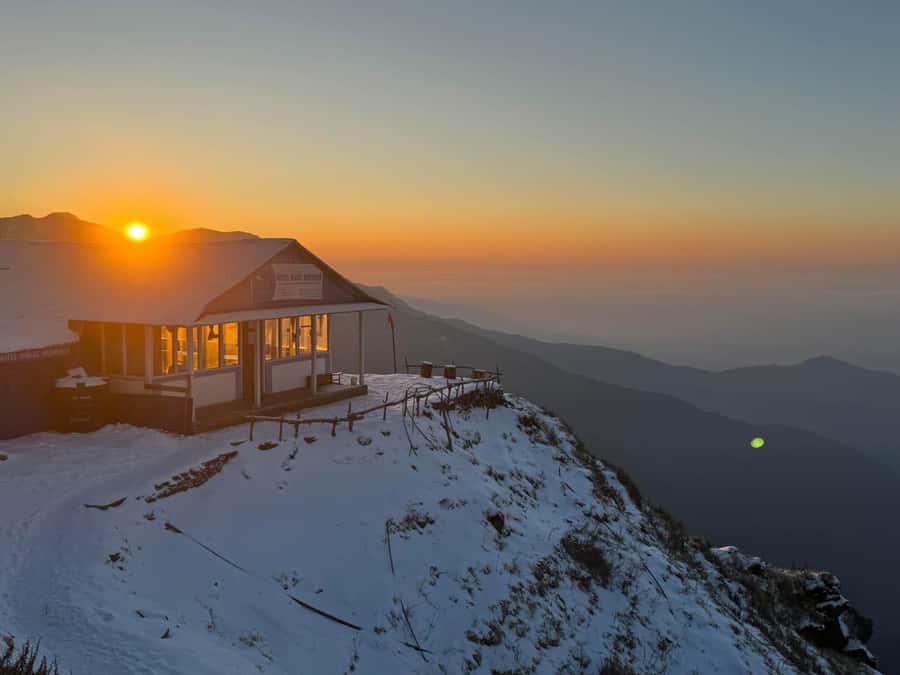
This trek uses tourist-standard guest houses along the way, and most overnight stays are in tea houses. You should expect simple, practical rooms—not luxury. That’s not a complaint; it’s the deal. What matters is that you can rest, eat, and get ready for the next day’s push.
Meals and drinks are not included, but they’re available for purchase. That gives you flexibility, especially if you want something hot that matches your mood that day. One helpful detail from experience with this trek: a good guide approach is choosing overnight stops with strong views and making sure you leave early enough so your afternoon at the camps still feels worth it.
If you’re trying to plan your energy, this matters. Spending more time at camp when visibility is good can feel just as valuable as one more hour on the trail.
Guide Style: Biru’s Flexibility Versus Too-Many Caution Reminders
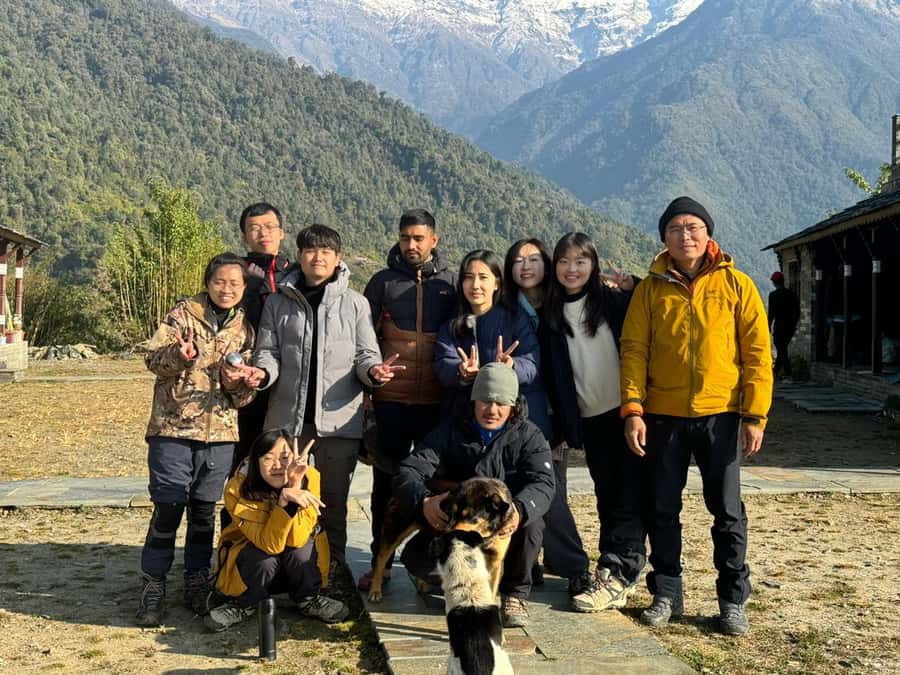
The trek includes an experienced, friendly, license-holder English-speaking trekking guide during the trek. You can also get live guidance in English and Hindi, which is handy if you’re pairing trekking with questions about culture or routes.
In real-world terms, the guide can shape your whole experience. Birendra (Biru) is specifically mentioned for being flexible with pace, even when the group moved at different speeds. He also focused on details like meal timing and good overnight accommodation.
Small group changes can happen too. Even though it’s a group trek, you may end up hiking with just a guide if not many people join. That can actually be great if you want a smoother schedule and a more personal rhythm.
One fair warning from a different experience: if your group has hikers who are already competent, some guides can be overly hands-on with repeated reminders to slow down and be careful. It comes from good intentions, but it can get annoying. If that would bother you, set the tone early: tell your guide your comfort level and ask for guidance that fits your experience.
Altitude at About 4,500m: Manage the Thin-Air Reality
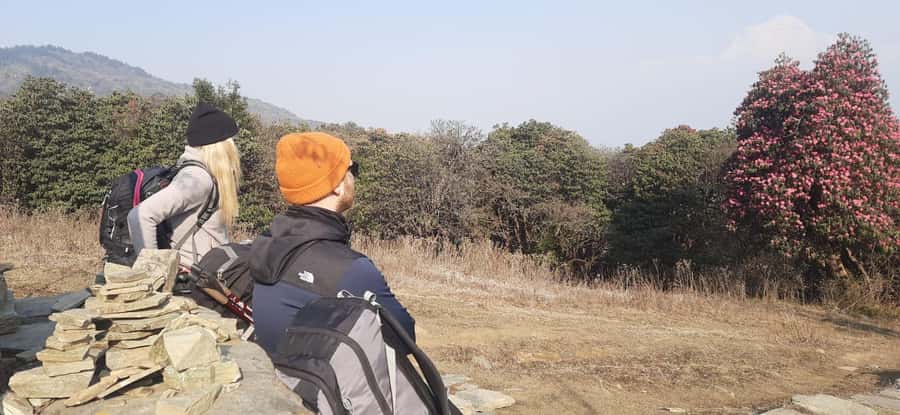
You climb to around 4,500 meters, which is high enough that you should take altitude seriously even on a short trek. The good news is that the trek is fairly structured and builds in day-to-day changes without skipping too much.
Still, you should plan for cold and exhaustion. Nights can feel sharp, and early mornings can be harder than they look on a map. Move steadily, take breaks, and don’t treat the sunrise day like a race.
Also, this trek is not suitable for:
- pregnant women
- people with back problems
- wheelchair users
If you fit one of those categories, this is a respectful pass.
Cost and Value: What $181 Usually Buys (and What You Pay Separately)
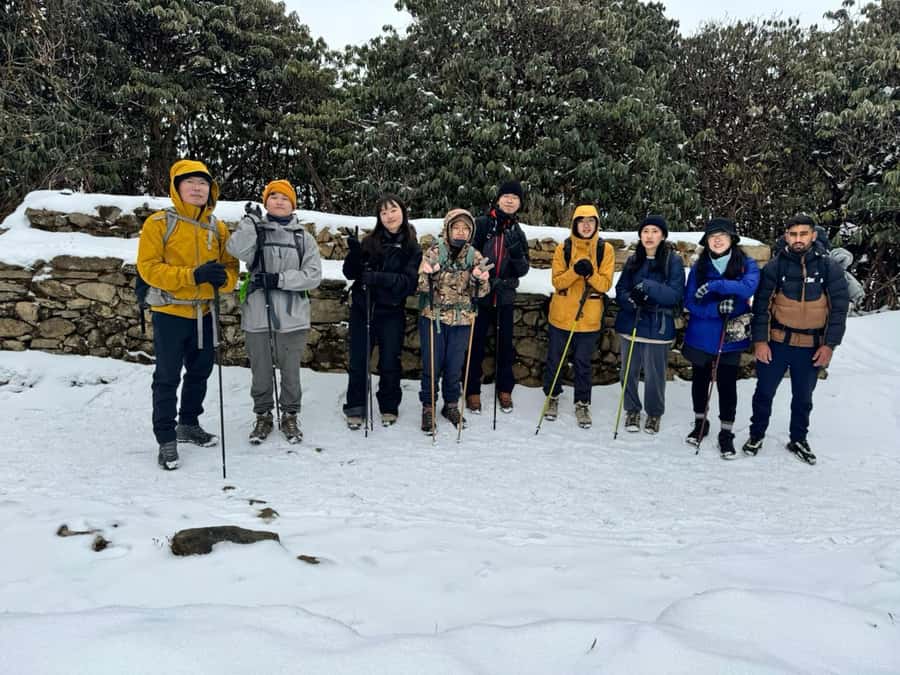
The price is $181 per person for four days, and it includes a lot of the big logistics:
- hotel pick up and drop off in Pokhara
- private vehicle transfer from Pokhara to Kande
- jeep transfer from Siding back to Pokhara
- trekking permit and official documents
- accommodation in tourist-standard guest houses during the trek
- an English-speaking trekking guide (license holder)
- guide expenses
- a normal first aid kit with the guide
- a trekking pole
That’s meaningful value because it removes the usual Nepal headache of permits, private logistics, and figuring out where to sleep.
The big exclusions are also clear:
- food and drinks (available on purchase)
- emergency rescue (covered only by your travel insurance if you have it)
- personal expenses
- porter per day at $25
If you’re traveling light and are comfortable carrying your own daypack, you might not need a porter. If you want help with heavier loads, budget for it.
What to Bring for Nepal Weather Changes
You’ll be walking from warm-ish lower slopes into colder high camp conditions. Pack for layers, even if it’s sunny in Pokhara.
Bring:
- comfortable shoes
- warm clothing
- comfortable clothes
- cash
- passport (copy accepted)
- passport-sized photo
- a reusable water bottle
One practical note: altitude days often make hydration feel boring, but it’s one of the best habits you can keep. A reusable bottle is the simplest way to manage it.
Not allowed: pets.
Who Should Book This Trek (and Who Might Regret It)
This trek is best for you if you:
- want a short Himalayan trek with a serious viewpoint payoff
- like quieter routes and don’t want crowds around every corner
- enjoy forest walking and want rhododendrons as part of the experience
- can handle long trekking days and a sunrise schedule
- want cultural contact along the way, including Gurung culture
It’s less ideal if you:
- need an accessible route (not suited for wheelchairs)
- have back issues that would make steep, uneven trails a problem
- are pregnant
- prefer an itinerary with late starts and minimal stairs
Should You Book Pkr Backpacker Group Dep: 4 Day Mardi Himal Base Camp Trek?
Yes, if you want the Annapurna magic in a compact time window and you’re excited by forest-to-alpine trekking. The included transfers, permits, guide, tea-house stays, and trekking pole make it a solid value for a four-day mountain circuit, especially if you’re coming from Pokhara.
Hold off or choose another option if you’re sensitive to altitude, cold nights, and early departures—or if you know you’ll be bothered by frequent safety reminders. And if you have your own pace preferences, communicate them early, the way Biru’s flexible approach suggests it can really work.
If you’re ready for a short, scenic climb to about 4,500m with big sunrise rewards, this one earns a spot on your Nepal list.
FAQ
How high does the Mardi Himal Base Camp trek go?
You reach an altitude of around 4,500 meters at Mardi Himal Base Camp.
What is the duration of this trek?
The trek runs for 4 days.
Where does the trek start and how do you get there from Pokhara?
You’re picked up from the lakeside area in Pokhara and transferred by private vehicle to Kande. Then you trek from Kande, and later you return from Siding to Pokhara by jeep.
Is the trekking permit included?
Yes. Trekking permit and all official documents are included.
Are meals included in the price?
No. Food and drinks are available on purchase.
What languages does the guide speak?
The guide provides live tour support in English and Hindi.
Do I need to book a porter?
Porter service is not included. If you want a porter, the cost is $25 per day.
When is the best time to go?
The best time is spring (March to May) and autumn (September to November), when you’re more likely to get stable weather and clearer mountain views.
Is there free cancellation?
Yes. You can cancel up to 24 hours in advance for a full refund.