REVIEW · KATHMANDU
Luxury Everest Base Camp Trek – 11 Days
Book on Viator →Operated by Himalayan Trekking · Bookable on Viator
Helicopters first, Everest views later. This 11-day Luxury Everest Base Camp Trek mixes classic Khumbu trekking with helicopter transfers and luxury accommodation in the places that usually feel like pure roughing it.
What I like most is the way it keeps you moving toward the big sights while protecting your time and energy.
Two things I’d put at the top of your list: the Kathmandu to Lukla flight saves the start-of-trek slog, and the plan builds in altitude rhythm with a real rest day in Namche Bazaar.
As a practical trade-off, this is not a bargain-basement trek, so you should only book it if you’re comfortable paying for the added comfort and the air transfers.
In This Review
- Key Highlights You Should Know Before You Go
- Luxury Everest Base Camp, the Real Meaning of Comfort
- Price: What You Pay, What You Get, and Where the Value Comes From
- Kathmandu Setup: Thamel, Pickup, and a Clean Start
- Day 2: Fly to Lukla, Then Trek to Phakding
- Day 3: Monjo to Namche Bazaar, Forest Footsteps and Permit Reality
- Day 4: Everest Viewpoint Day, Big Views Without the Full Grind
- Day 5: Namche Bazaar Acclimatization + Tengboche Direction
- Day 6: Tengboche to Dingboche at 4,410 meters
- Day 7: Chukhung for Extra Acclimatization
- Day 8: Lobuche and the Khumbu Glacier Moraine Feel
- Day 9: Everest Base Camp Day, the Place Everyone Draws in Their Mind
- Day 10: Gorakshep, Setup for the Big Sunrise Push
- Day 11: Kala Patthar Sunrise and the Return to Kathmandu
- Guides, Porters, and the Team Factor You Should Ask About
- What the Included Meals Really Mean for Your Energy
- Comfort Level: Luxury Accommodation on a Mountain Trail
- Who This Trek Fits Best (and Who Should Think Twice)
- Should You Book It or Keep Looking?
- FAQ
- What is the duration of the Luxury Everest Base Camp Trek?
- What is the meeting/start time?
- How do you travel from Kathmandu to Lukla?
- How do you travel back to Kathmandu after the trekking portion?
- What meals are included?
- What’s included in the cost besides lodging?
- Is travel insurance included?
- Are tips included for the crew?
- What group size should I expect?
- Is this trek refundable if I cancel?
Key Highlights You Should Know Before You Go
- Kathmandu–Lukla by helicopter to reduce early fatigue and stress
- Thamel hotel pickup and airport meet-and-greet to get you set up fast
- Namche Bazaar altitude day that slows the pace when your body needs it
- Tengboche visit where you’ll get a spiritual break from the climb
- Everest Base Camp plus Kala Patthar sunrise for two different kinds of Everest magic
- Small group size (max 15) for a calmer, easier-to-manage trek
Luxury Everest Base Camp, the Real Meaning of Comfort
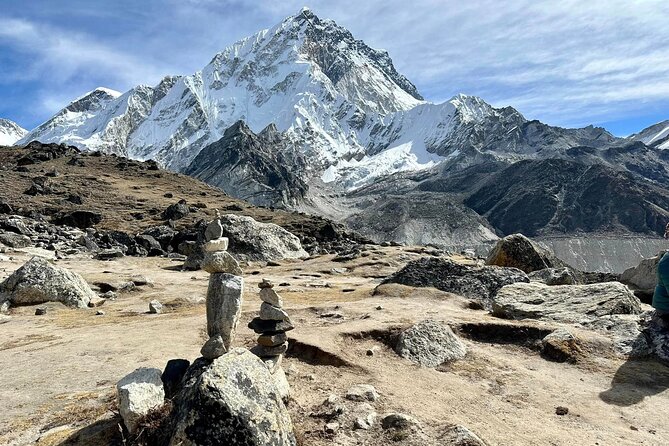
Everest Base Camp is famous for big scenery and big effort. So when a trek calls itself luxury, you should translate that into what it changes for you day to day. In this plan, the big upgrades are comfort on the ground plus less time spent grinding through the hardest logistics.
You’re getting luxury accommodation during the trek, and you also have the support team covered: guide and porters come with their daily wage, insurance, and meals included. That matters because it affects how the trek feels. When porters handle the heavy stuff and your guide keeps the schedule and route sensible, you spend more brainpower on your breathing and your steps instead of on logistics.
One more quiet win: you’re not on your own for the core travel legs. The itinerary includes helicopter flights from Kathmandu to Lukla, and later from Gorakshep back to Kathmandu. That can turn Everest from a marathon of travel delays into something that feels more like a guided expedition.
You can also read our reviews of more tours and experiences in Kathmandu.
Price: What You Pay, What You Get, and Where the Value Comes From
At $4,070 per person for 11 days, this is a premium trek. The value isn’t just a nicer bed. It’s the combination of things that normally cost you extra on other EBC trips: internal flights, guide/porter staffing, and a lot of meals.
Here’s what’s included in the price:
- All fees and taxes
- Luxury accommodation during the trek
- Guide and porters with daily wage, insurance, and meal
- Helicopter: Kathmandu to Lukla
- Helicopter: Gorakshep to Kathmandu
- Meals: breakfast (9), lunch (8), dinner (8)
What’s not included is also important:
- Travel insurance
- International flights to and from Nepal
- Extra hotel nights in Kathmandu
- Most meals in Kathmandu (only breakfast and a farewell dinner are included)
- Personal expenses like laundry, internet, phone calls, water, and shopping
- Tips for the crew
So the way to judge value is simple: if you would rather pay for convenience and support than fight for budget savings, this price starts to make sense. If you’re the type who’s okay with more basic facilities and you can handle heavier self-managed logistics, you might find cheaper alternatives elsewhere.
Kathmandu Setup: Thamel, Pickup, and a Clean Start
Your day one plan is straightforward: your guide meets you at the airport, then takes you to your booked hotel in Thamel. That’s a huge help if you land tired and jet-lagged. Thamel is also close to public transportation, so you’re not stuck feeling isolated before the trek begins.
Also note the early start time: the meeting/start time listed is 5:15 am. That’s a reminder that on Everest time, you don’t wait around. You plan your evenings, keep your gear ready, and go to bed with a real sleep plan.
The tour is capped at a small group size of 15, which usually means you can coordinate quickly without long waits. Past experiences with this operator emphasize smooth transfers and good communication, and you can expect the team to help you get your bearings fast.
Day 2: Fly to Lukla, Then Trek to Phakding
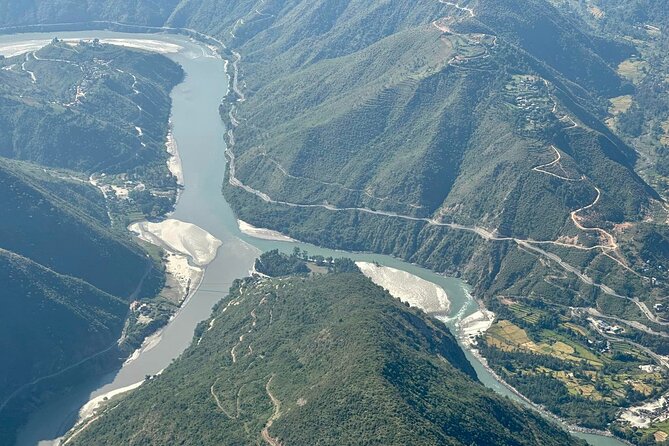
Getting to Lukla is often the stressful part. Here, it’s handled by helicopter from Kathmandu. That means you skip a chunk of travel uncertainty and arrive ready for the trekking portion.
Once you land in Lukla, you meet the trekking crew and start your walk to Phakding. The trek time listed is about 4 hours. It’s the kind of day that works as a warm-up: enough hiking to wake up your legs, not so much climbing that it overwhelms you before acclimatization starts.
A smart mindset for this day: treat it as gear-checking and rhythm-building. Your breathing matters more than your speed. You’ll likely still feel altitude effects in the days ahead, even if this first day is manageable.
Day 3: Monjo to Namche Bazaar, Forest Footsteps and Permit Reality
On the way to Namche Bazaar, the route passes through Monjo. The trail begins with a gentle ascent and moves through pine forest—exactly the kind of walking that lets you settle into a steady pace.
Namche is the “checkpoint town” of the Khumbu. It’s where the trek turns from rural trails into a hub of trekkers and Sherpa commerce. You don’t just pass through. You’ll also learn how the whole region functions: shops, lodges, and the daily rhythm of people living at altitude.
This matters for your experience because it’s where acclimatization becomes real. The itinerary later gives you a chance to slow down here. So Day 3 isn’t just a trek segment; it’s your runway into the high country.
Day 4: Everest Viewpoint Day, Big Views Without the Full Grind
Day 4 includes Everest View Point. That’s a classic add-on because it gives you a strong Everest perspective without forcing you into the deepest exertion right away.
In terms of how it helps you: when you’re already hiking at altitude, view days like this help you stay motivated. They also let you practice pacing and hydration while your body adjusts.
If weather is clear, this kind of day can feel like a reward. If clouds roll in, it’s still useful because it keeps you from rushing. And on the Everest trail, rushing is the fastest route to feeling miserable.
Day 5: Namche Bazaar Acclimatization + Tengboche Direction
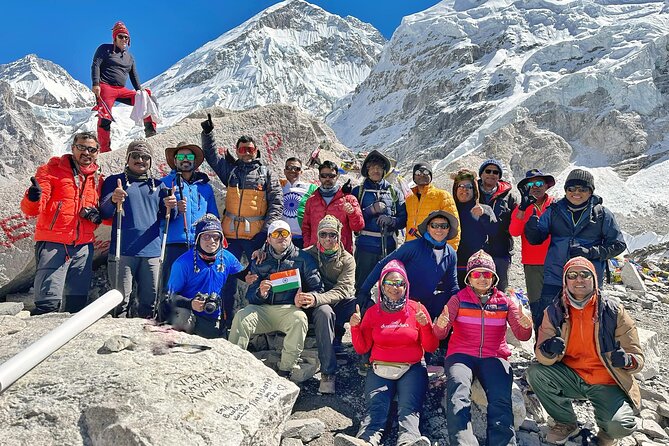
Day 5 is described as a breather day in Namche Bazaar, with no steep climbs—just time to settle. That’s a thoughtful inclusion because Namche is a key altitude adjustment point.
Then the trek continues toward Tengboche. Tengboche is one of the most meaningful stops on the Everest route for many people because of the monasteries and the sense of spiritual pause in the middle of a big physical journey.
What makes this day worth your attention:
- You get a real acclimatization window in Namche
- You shift from town energy into a quieter, cultural space in Tengboche
- You arrive with a better chance of enjoying the scenery instead of just surviving it
The honest drawback is that you still need to be ready for hiking after a rest day. Acclimatization helps, but it doesn’t make altitude irrelevant. Plan your energy like you’re saving it for the next push.
Day 6: Tengboche to Dingboche at 4,410 meters
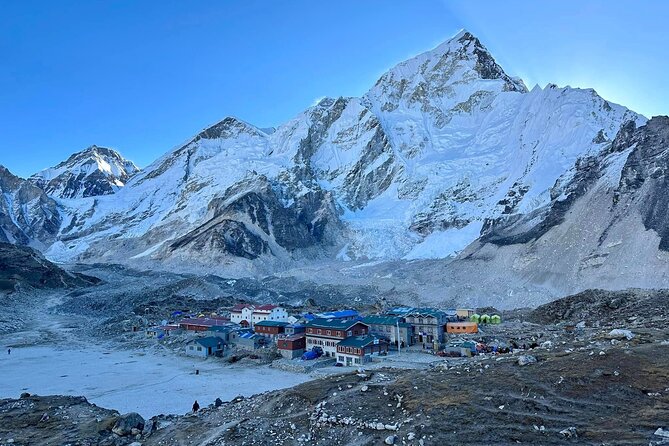
Day 6 heads to Dingboche, listed at 4,410 meters. The trekking time is typically 5–6 hours from Tengboche, and the route follows the Imja Valley.
Dingboche is where many trekkers start to feel the altitude in their sleep and appetite. That can be discouraging if you expect your body to behave like it does at sea level. This is exactly why a planned itinerary matters. You’re not just guessing—you’re following a schedule built around acclimatization.
If you want one practical tip that fits this itinerary: be conservative with your pace on the ascent. Save your effort for your breathing. The goal is to arrive steady, not spiky.
Day 7: Chukhung for Extra Acclimatization
Day 7 includes Chukhung. The itinerary frames it as an acclimatization day, with Dingboche serving as the base for that adjustment.
This is a smart pattern: climb a bit, then return or continue in a controlled way. It helps your body learn altitude without forcing you into a single punishing push. Past experiences with this operator highlight that guides and teams manage logistics well, and that kind of pacing shows up here.
Don’t treat this as a “free day.” Even when the plan sounds lighter, your effort still needs to be disciplined.
Day 8: Lobuche and the Khumbu Glacier Moraine Feel
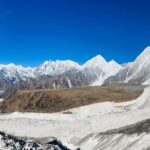
Day 8 moves toward Lobuche. The route mentions passing through the terminal moraine of the Khumbu Glacier. That’s a notable shift: the scenery and ground conditions start to feel more rugged and alpine.
This is where your mind starts counting toward Everest Base Camp. But your body still has work to do. Expect colder air and a sharper sense of exertion. Your goal is not to win the hike. Your goal is to show up fresh for what comes next.
If you’re prone to altitude headaches or nausea, be extra careful with hydration and pacing on this stage. The itinerary gives you the route; you still control your effort.
Day 9: Everest Base Camp Day, the Place Everyone Draws in Their Mind
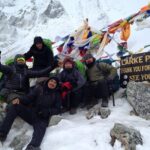
Day 9 is the big one: Everest Base Camp.
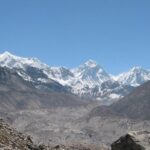
Base Camp is famous for a reason. It’s not just a photo backdrop. It’s the moment where all the smaller climbs and acclimatization days click into one massive feeling. You’re at the gateway to the highest peaks on Earth, surrounded by the stark shapes that define the Khumbu.
A practical way to enjoy it: don’t spend your energy racing through the views. Take time to walk, breathe, and reset your legs. If you’re feeling the altitude, go slow. The best photos often come from calm movement, not frantic speed.
Also, remember that you still have a trek segment afterward. Don’t treat Base Camp like the finish line and then burn out.
Day 10: Gorakshep, Setup for the Big Sunrise Push
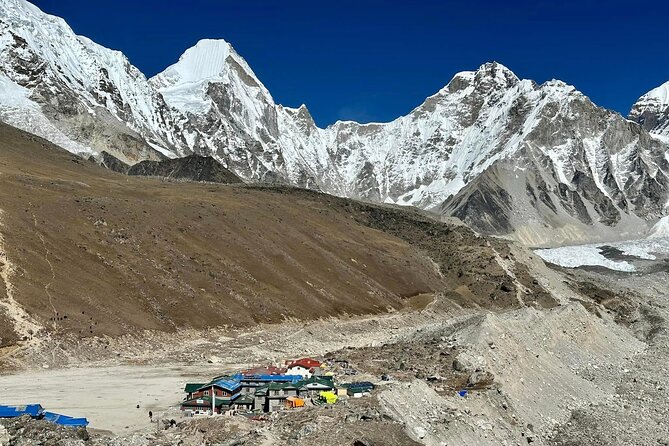
Day 10 brings you to Gorakshep (listed at 5,164 meters). The plan also mentions a helicopter landing at Kalapathar. Even if the exact sequence varies with weather and logistics, the overall intent is clear: position you for the next morning’s iconic viewpoint.
Gorakshep is high, cold, and busy with serious trekkers (and it feels busy even when you’re far from town). Your comfort here depends on how well you manage your evening: eat what’s available, keep warm, and don’t wait too long to get moving early.
This is also where your guide’s role matters. Strong guidance shows up as better timing, better decisions, and fewer wasted hours in uncertain weather.
Day 11: Kala Patthar Sunrise and the Return to Kathmandu
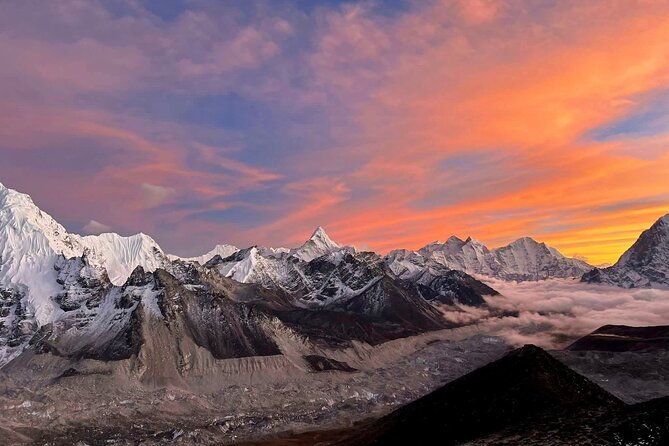
The final day starts early. The itinerary mentions a hike to Kala Patthar at sunrise. Kala Patthar sits on the south ridge of Pumori above Gorakshep, and it’s one of the best ways to see Everest in a more dramatic, layered view.
Then the return is by helicopter from Gorakshep to Kathmandu. After that flight, you’re transferred to the airport and fly home.
This pairing is one of the most “value-like” parts of the trip. You get the iconic sunrise hike, then you avoid the long downhill travel grind that can sap the end of your trip. It’s easier to go home feeling proud instead of wrecked.
Guides, Porters, and the Team Factor You Should Ask About
Luxury trekking isn’t only beds. It’s people. This operator’s crew names that show up in past client experiences include guides like Prakash (also spelled Parkash in one note), Keshab, Babu, and Ram, plus coordinators such as Surya. Porters mentioned include Govinda, Kumar, and Partap.
What you should take from that: the company appears to staff real, recurring mountain professionals, not random day labor. Several notes emphasize feeling safe and well looked after. Even if you prefer to keep to yourself, that kind of support can make a major difference when weather turns or when you’re tired and trying to make smart choices.
Also, one past note mentions the team handling weather problems and flight cancellations efficiently by leaning on local contacts. That’s not a luxury feature you can buy later. It’s the difference between “missed trip” and “still made it happen.”
What the Included Meals Really Mean for Your Energy
Food is often where high-altitude trekkers win or lose. This package includes breakfasts, lunches, and dinners during the trek period, and it also includes breakfast plus a farewell dinner in Kathmandu. Other Kathmandu meals are on you.
Because meals are included, you don’t have to negotiate menus on the fly. That reduces stress. More importantly, it helps you eat on a schedule that supports hiking. Even with luxury accommodation, high altitude still punishes empty stomachs and poor hydration.
One more practical point: if you’re picky, you’ll want to eat early and keep things simple. Your best meals on Everest are the ones you can actually finish while breathing hard.
Comfort Level: Luxury Accommodation on a Mountain Trail
Calling it luxury doesn’t mean you’re on a resort. Everest remains Everest: cold nights, thin air, and daily physical effort.
So what “luxury accommodation” likely translates to in your day-to-day life is better comfort than basic trekking-only setups—plus the fact that you’re not managing every small service yourself. With guide and porters handling their own meal, insurance, and wages, the whole operation feels more managed.
If you’re someone who wants clean convenience in tough places, this style fits. If you expect cruise-ship comfort, you’ll be disappointed. Altitude makes everyone humble.
Who This Trek Fits Best (and Who Should Think Twice)
This itinerary lists a need for moderate physical fitness. That’s useful framing. You’re not signing up for a gentle stroll. You’re signing up for a real high-altitude trek that includes climbing days and early starts, with acclimatization built in.
You should also pay attention to the note about asthma problems. The tour data flags it, so if you have asthma, you should ask the operator directly whether this route and altitude profile are suitable for you. Don’t guess.
This trek is especially appealing if:
- You want classic Everest landmarks (Namche, Tengboche, Dingboche, Chukhung, Lobuche, Base Camp, Kala Patthar)
- You want helicopter transfers to reduce travel fatigue
- You prefer structured days with guide support and porters
- You value small group size (max 15)
It’s less ideal if:
- You’re trying to keep costs as low as possible
- You hate early mornings and high-altitude discomfort
- You can’t or won’t manage altitude risk without medical support
Should You Book It or Keep Looking?
Book this Luxury Everest Base Camp Trek if your top priorities are comfort, good support, and a smoother logistics experience. The included helicopters and included staffing are the heart of the value. Add the altitude plan (Namche rest day, then staged movement through Dingboche and Chukhung), and you get a trek that feels more like an expedition designed for success.
Keep looking if you’re chasing the cheapest price or you’re comfortable self-organizing everything, including transport and meals. Also, if you have asthma or other breathing concerns, you should confirm suitability before committing.
If you want Everest with less hassle and more comfort, this plan is built for that. And on the days that matter most—Base Camp and Kala Patthar—you’ll be in position to enjoy the view without feeling like you spent the whole trip paying for logistics.
FAQ
What is the duration of the Luxury Everest Base Camp Trek?
The trek runs for about 11 days.
What is the meeting/start time?
The listed start time is 5:15 am.
How do you travel from Kathmandu to Lukla?
You fly from Kathmandu to Lukla by helicopter.
How do you travel back to Kathmandu after the trekking portion?
You fly from Gorakshep to Kathmandu by helicopter.
What meals are included?
The package includes breakfast (9), lunch (8), and dinner (8). Meals in Kathmandu are not fully included, except breakfast and a farewell dinner.
What’s included in the cost besides lodging?
All fees and taxes are included, plus a guide and porters with their daily wage, insurance, and meals. Luxury accommodation during the trek is also included.
Is travel insurance included?
No, travel insurance is not included.
Are tips included for the crew?
No, tips to the associated crews are not included.
What group size should I expect?
The maximum group size is 15 travelers.
Is this trek refundable if I cancel?
The policy offers free cancellation up to 24 hours in advance for a full refund, based on local time. The experience also requires good weather, with an option to switch dates or receive a full refund if it’s canceled due to poor weather.