REVIEW · KATHMANDU
Kanchenjunga Circuit Trek 19 Days
Book on Viator →Operated by Nepal Nirvana Trails · Bookable on Viator
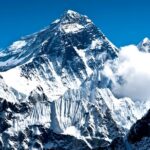
Kanchenjunga feels quieter than most Himalayan treks. This route threads a newly established trail through unspoiled villages and thick forest, then rewards you with multiple Kanchenjunga base-camp angles. The big consideration: plan for long, bouncy 4×4-style jeep time as you move between remote valleys and trailheads.
I also like the small-group feel, capped at max 8 travelers, which makes the trek feel more human-scale. The operation has earned strong marks for guides such as Raj and Jangbu, with KP noted as quick to respond and helpful during planning.
For $2,000 per person, you’re not just buying a “walk in the mountains.” You get permits, Kathmandu hotel support for several nights, domestic flights, ground transfers, a guide/porter team, and a big chunk of meals—so your budget is easier to control once you’re in Nepal.
In This Review
- Key highlights to know before you go
- Why the Kanchenjunga Circuit feels quieter than other treks
- Kathmandu start: Thamel, passport handling, and permit prep
- Getting to Taplejung: flights, jeeps, and the long road to the trail
- Sekathum to Amjilosha: Ghunsa Khola, bridges, and first real mountain effort
- Amjilosha to Ghunsa: forests with fewer settlements and more wildlife chances
- Khambachen and the acclimatization day near glaciers and lakes
- Pushing toward Lhonak: meeting-season routes and Kanchenjunga glacier terrain
- North Base Camp day to Pang Pema: the big milestone hike
- Heading back through Ghunsa, then up to Sele Le
- The high-pass day: Sinion La, Mirgin La, and Sinelapche Bhanjyang
- Yalung Glacier views near Rathong and Kabru
- Rhododendron downhill to Tortong, then Yamphudin and Amji Khola
- Kanyam and the tea cultivation stop before flying home
- Price and what $2,000 buys you in real trekking value
- Food, water, and comfort: basic meals and practical choices
- Who should book this Kanchenjunga circuit trek?
- Should you book Kanchenjunga Circuit Trek with Nepal Nirvana Trails?
- FAQ
- What’s included in the trek price?
- Do I need to arrange my own visa and travel insurance?
- What kind of lodging will I have during the trek?
- How much porter help do I get?
- Are domestic flights and ground transfers covered?
- What is the cancellation policy?
Key highlights to know before you go
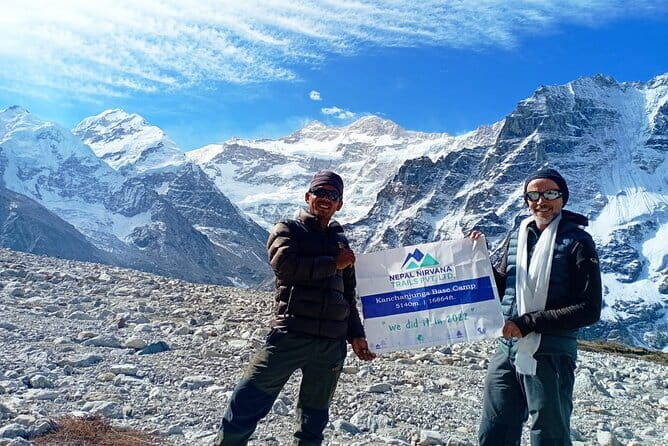
- Less crowd noise: a newer trek corridor means fewer people on the trail than many famous routes.
- North and South Base Camp viewpoints: you get more than one “Kanchenjunga moment.”
- Acclimatization built in: a rest day with a short hike near glaciers and lakes.
- Chance of blue sheep and snow leopard sightings: nature vibes are part of the deal, not a marketing slogan.
- Small group logistics: max 8 travelers, plus porter support at a 2 trekkers to 1 porter ratio.
- Two domestic flights + private jeep legs: real transport, not hand-waving.
Why the Kanchenjunga Circuit feels quieter than other treks
Kanchenjunga’s big draw is simple: variety. You’ll move through places that feel very different from each other—river valleys, dense woodland, small Nepali settlements, and high, icy mountain terrain. What makes this version especially appealing is the “less visited” feel. The trail is newly established compared with the big headline routes, so even in peak season you’re less likely to feel swallowed by crowds.
That quiet matters more than you’d think. When you hike longer stretches without nonstop groups passing you, you hear more. Birds. Wind. The steady crunch of your boots. And when you reach an overlook, the view has space to land.
You can also read our reviews of more tours and experiences in Kathmandu.
Kathmandu start: Thamel, passport handling, and permit prep
Your trek begins in Kathmandu, with pickup assistance and a focus on getting the paperwork handled calmly. On arrival day, you’ll be met at Tribhuvan International Airport and transferred to your hotel in or near Thamel, the standard base area for trekkers.
The next day is all about permits. The team meets you around 9 am to prepare permit paperwork, and you’ll hand over your original passport for that process. At about 5 pm, the team manager meets you again and returns your passport. This rhythm is actually useful: it keeps the busy Kathmandu portion predictable, and you’re not scrambling later.
Practical tip: if you’re the type who likes to carry a passport on you at all times, plan around the fact that it may be held temporarily for permit prep.
Getting to Taplejung: flights, jeeps, and the long road to the trail
Day 3 is your big geographic shift. You fly from Kathmandu to the Bhadrapur area on a domestic route that takes roughly 45 to 50 minutes. Then you drive by local jeep through Kanyam and along the Mechi Highway corridor. It’s a full day of transit, but it’s also how you avoid spending weeks inching through Nepal by road.
Then comes the second transport leg: you breakfast, ride again, and reach your first trekking destination for the day—Sekathum. You can choose to walk some route segments, but this trek uses jeeps to reduce your early-day hiking load.
Here’s the honest tradeoff: transport here is part of the experience. The remote nature of the region means you’ll deal with longer jeep hours than on easier-to-reach treks. If you’re prone to getting travel-sore, bring motion sickness basics and set expectations early.
Sekathum to Amjilosha: Ghunsa Khola, bridges, and first real mountain effort
Once you start walking from Sekathum, the trek becomes much more alive. The route heads into the Ghunsa Khola area and begins with a steady ascent. Expect a lot of bridge crossings and a rhythm that builds your stamina day by day.
By the time you reach Amjilosha, you’ve already transitioned from “transport days” to actual trekking work. The advantage of this approach is that the first trekking stage doesn’t throw you straight into the highest, most technical sections. You’re earning altitude and learning trail pace.
Your day-to-day vibe here is typical of remote Nepal teahouse treks: hike in the morning, eat and rest in the afternoon, then do it again—just in increasingly mountain-focused terrain.
Amjilosha to Ghunsa: forests with fewer settlements and more wildlife chances
Two key stops help shape the feel of the trek: Gyabla (also called Kyapra) and Ghunsa.
On the way to Gyabla, you move through dense forest. The trek description specifically notes areas without human settlement, which usually means quieter trails and more of a “you’re in nature” sensation. This also means you may have fewer opportunities to break the day apart with easy village stops.
Then you reach Ghunsa, often a natural pacing point for acclimatization. You’ll pass through places like Phale village on the way. Ghunsa is a good example of how Kanchenjunga mixes human life with wild surroundings: you get village comfort, but the mountain environment stays close.
If you’re sensitive to altitude, Ghunsa is a place you’ll appreciate—not because it’s the highest point, but because it’s a chance to let your body catch up.
Khambachen and the acclimatization day near glaciers and lakes
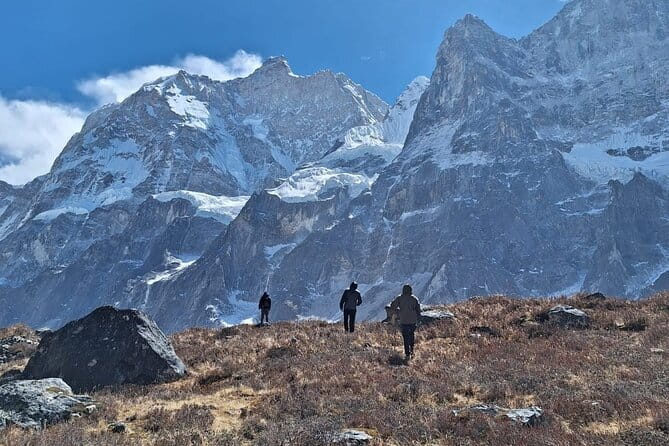
Khambachen is one of the “slow down” moments. After days of forest and village rhythm, this part brings you into open pine forest. You also get repeated wildlife references—blue sheep are mentioned as a possible sighting, and snow leopards are also flagged as a chance.
Important: “chance” is the right word here. You should treat wildlife sightings as a bonus, not a plan. Still, the fact that the region supports these animals is a strong sign you’re in genuine mountain habitat, not a paved tourist corridor.
Also, Khambachen sits in terrain described as landslide-prone in some sections. That’s a reminder to walk carefully and stay alert, especially during or after bad weather.
Then comes the acclimatization stop at Khambachen. Instead of simply resting, you take a short hike to nearby glaciers, viewpoints, and lakes. This kind of movement helps your body adapt while keeping your energy in the right zone.
Pushing toward Lhonak: meeting-season routes and Kanchenjunga glacier terrain
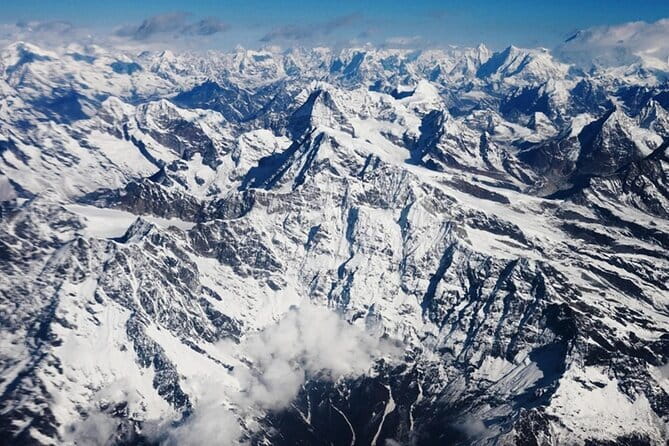
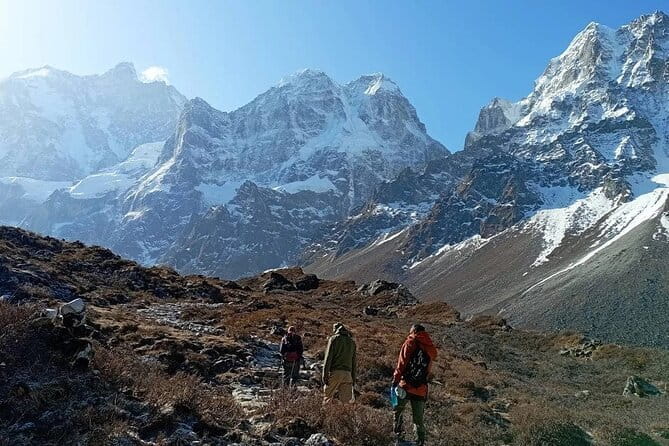
From Khambachen, the trek continues toward Lhonak, described as part of the route alongside the Kanchenjunga glacier track. This is where you start to feel the glacier world more clearly—weather can shift fast, and the air tends to feel thinner.
This also is a day where you might cross paths with others, especially during the main trekking season. One interesting contrast of this circuit is that you can have quiet village stretches, then find yourself sharing the glacier-side corridor with a few more trekkers. It’s rarely “crowded,” but it is more populated than the truly remote forest segments.
If you get cold easily, this is where you’ll be glad you brought warm layers you can actually move in—not just bulky items that trap sweat.
North Base Camp day to Pang Pema: the big milestone hike
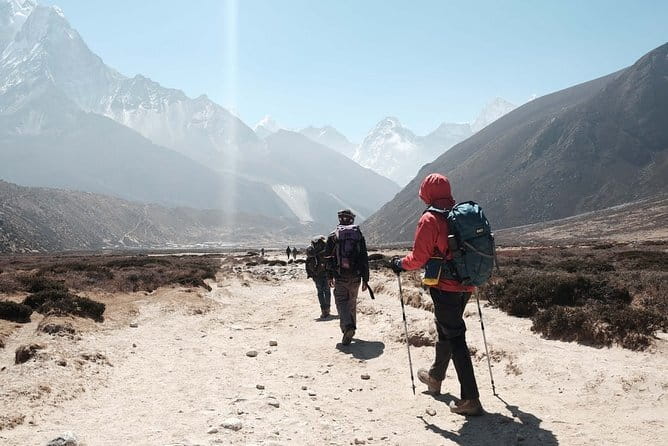
The North Base Camp hike is the headline effort. You go gradually to Kanchenjunga Base Camp, also referred to as Pang Pema. The route climbs along moraines, which means you’re walking over terrain that can feel rockier and more uneven than the smoother trail sections earlier in the trek.
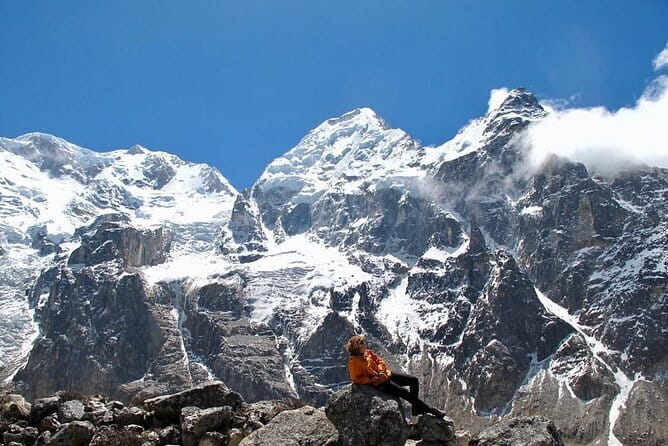
This is the day that makes the circuit feel like more than a long hike. You’re chasing the mountain from a specific angle, with glacier terrain and towering presence around you. Even if you’ve seen big peaks before, this tends to hit differently because of how remote and hard-earned it feels.
Practical pacing matters here. The trek description emphasizes gradual movement. Take that seriously. In altitude country, steady beats heroic.
Heading back through Ghunsa, then up to Sele Le
After North Base Camp, you return toward Ghunsa. The emotional tone of these return days changes. The first base-camp effort is like cresting a wave. Then you pivot to moving back with less urgency but more gratitude.
Next, you reach Sele Le. You leave the trail to Gyabla and continue through dense forest. Snow leopards are again mentioned as a possible sighting. Also, the teahouses here may operate with limited hours (the trek notes they can be open only in certain periods). That’s normal for remote routes. Carry the mindset that services can be simpler than on more established trails.
On this section, flexibility helps. Don’t obsess over exact timing. If the day requires patience, you’ll feel better when you treat it like part of the trek, not a disruption.
The high-pass day: Sinion La, Mirgin La, and Sinelapche Bhanjyang
Day after Sele Le brings multiple high pass points: Sinion La (4,440m), Mirgin La (4,480m), and Sinelapche Bhanjyang (4,645m). That’s a lot of altitude in one concept: pass after pass, with exposure to wind and cold.
The trek description flags it as a hike to high-altitude passes with spectacular panorama views. What you should expect in real life is: lots of pauses for photos and breath-saving, plus a need for serious foot control when the trail is uneven.
This is also where your earlier acclimatization choices pay off. If you took the rest day seriously and kept your pace reasonable, you’ll feel less like your lungs are bargaining with you.
Yalung Glacier views near Rathong and Kabru
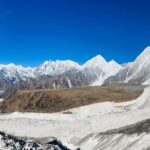
After the high passes, the route moves toward the Yalung Glacier. You head forward after breakfast and climb higher while getting close to the vistas. The trek highlights views of Rathong (6,682m) and Kabru (7,412m), which is a nice bonus when you’re already in Kanchenjunga country.
Glacier-side days often feel like a different climate engine. Light changes fast. Temperature can drop quickly. And because you’re at higher elevation, even small weather shifts can feel big.
This is where I recommend having a layering system you can adjust on the fly—something you can add without taking your whole pack apart.
Rhododendron downhill to Tortong, then Yamphudin and Amji Khola
The circuit turns from high effort to long, rewarding descent. You walk downhill and end at Tortong, passing through rhododendron forests described as bringing tranquility. That shift matters mentally: after intense altitude days, you get a more relaxed feel—still working, but with a different tone.
Then the route continues to Yamphudin via the Amji Khola and passes like Lasiya/Lamite Bhanjyang (3,415m) and Dhupi Bhanjyang (2,665m). The day ends at Yamphudin village, where you can reset and enjoy the fact that your body is finally trending downward.
If you’ve never done a multi-pass circuit before, this is another lesson: descending is not effortless. It can be gentler for altitude strain, but harder for knees and quads. Take your time and watch your footing.
Kanyam and the tea cultivation stop before flying home
The last hiking day starts from Yamphudin and heads through trails alongside Kabeli Khola. Then you leave the mountain villages and take a drive to Kanyam.
On Day 19, the trek transitions into the return logistics. You breakfast, explore a green tea cultivation area for a while, then drive 2 to 3 hours to Bhadrapur airport. Your flight back to Kathmandu is about 45 to 50 minutes, late in the schedule.
That tea cultivation stop is a nice soft landing. After days of stone, ice, and thin air, it reminds you Nepal isn’t only about peaks.
Price and what $2,000 buys you in real trekking value
At $2,000 per person, this trek can look pricey if you think only in terms of “hiking days.” But the included items matter:
- Permits included
- 3-star hotel in Kathmandu for 3 nights with breakfast
- Tea-house accommodations during the trek
- Government licensed guide plus porter support (between 2 trekkers, 1 porter)
- Domestic flights Kathmandu to Bhadrapur and back
- Private jeep transfers for major legs (Bhadrapur to Taplejung/Sekathum and later Yamphudin to Kanyam/Bhadrapur airport)
- First aid kit with basic medication
- Meals: breakfast for 18 days, lunch for 17, dinner for 16
So the real comparison isn’t just “what do I pay?” It’s “how much do I have to manage myself?” Here, the transport, permits, staffing, and most food are handled. That’s a value add on a remote circuit where independent planning is harder.
One caution: travel and health insurance that covers emergency rescue/evacuation is not included. Your $2,000 covers trekking operations, but you still need your own insurance for the scary what-ifs.
Food, water, and comfort: basic meals and practical choices
The trek food is described as very basic. That doesn’t mean it’s bad; it means it’s not a foodie vacation. The advice given is to opt for veg foods while you’re on the trek. That’s a smart, simple way to reduce stomach risk when you’re far from reliable hygiene and consistent kitchens.
You’ll also want to budget for personal expenses that aren’t included: snacks, beer/coke/juice, water, charging, and hot showers (if available). On these routes, “free” isn’t common. Plan for what you’ll want in your daily routine.
Gear-wise, the data only flags a first aid kit with basic meds. That puts more responsibility on you for layering, rain protection, and footwear. If you show up under-prepared, the trek will remind you.
Who should book this Kanchenjunga circuit trek?
This is a strong fit if you want:
- A less-crowded, off-the-beaten-track trek with real mountain villages
- North Base Camp plus South Base Camp angles (the circuit is built around multiple perspectives)
- A small group experience with guide and porter support
- A trek that mixes forest, glaciers, and high passes in one package
You should think twice if:
- You hate long road transfers and bumpy rides (jeeps are a big part here)
- You’re not ready for a high pass day with multiple high-altitude points
- You rely on frequent creature comforts and high-variety food
This is very much a “strong fitness” trek. The provided guidance says you should have a strong physical fitness level—treat that as non-negotiable.
Should you book Kanchenjunga Circuit Trek with Nepal Nirvana Trails?
If you’re craving a genuine Kanchenjunga circuit with less crowd pressure and real logistical support, I’d say this is worth your attention. The big win is the combination of transport + permits + staffing + meals that lets you focus on hiking instead of project managing Nepal logistics.
Book it if you can handle long jeep days, you’ll take acclimatization seriously, and you’re comfortable with basic teahouse meals. Don’t book it if you’re expecting a high-comfort, low-effort vacation. This trek works best when you lean into it.
FAQ
What’s included in the trek price?
The price includes all necessary trekking permits, a 3-star hotel in Kathmandu for 3 nights with breakfast, tea-house accommodations during the trek, a government licensed guide and porter support (between 2 trekkers and 1 porter), private jeep transfers for major legs, domestic flights (Kathmandu to Bhadrapur and Bhadrapur to Kathmandu), a first aid kit with basic medication, and meals (breakfast for 18 days, lunch for 17, and dinner for 16).
Do I need to arrange my own visa and travel insurance?
Yes. Nepal entry visa and international flight tickets are not included, and travel/health insurance (including emergency rescues and evacuations) is also not included.
What kind of lodging will I have during the trek?
You’ll stay in tea-houses during the trekking portion of the journey.
How much porter help do I get?
The trek includes a licensed trekking guide and porter team, with porter support arranged between 2 trekkers for 1 porter.
Are domestic flights and ground transfers covered?
Yes. You’ll take a domestic flight from Kathmandu to Bhadrapur and back, and the plan includes private jeep transfers between key points like Bhadrapur and Taplejung/Sekathum, and later Yamphudin to Kanyam and onward to the Bhadrapur airport.
What is the cancellation policy?
You can cancel for free up to 24 hours in advance for a full refund. If you cancel less than 24 hours before the start time, the amount paid is not refunded.