REVIEW · KATHMANDU
Everest Base Camp Trek
Book on Viator →Operated by Welcome Nepal Treks P.ltd · Bookable on Viator
Everest Base Camp starts with a hop to Lukla. This 14-day trek threads through Sherpa towns, monastery stop-offs, and the classic high-altitude grind toward Everest Base Camp and Kala Patthar.
I like how the route builds for altitude. I especially love the acclimatization pacing in Namche Bazaar and Dingboche, so you gain height without feeling like you’re sprinting. I also like the human side: a strong guide, often Pradip, and a smooth handoff through Kathmandu via the team’s support (including coordination names like Niti and Hari in past guidance).
One consideration: the trek is physically demanding, and lodges on the way up are basic. If you hate early mornings, pack lightly and accept limited charging options, this might feel harder than you expect.
In This Review
- Key highlights to know before you go
- From Tribhuvan to Lukla: the trek begins before sunrise
- Phakding to Namche Bazaar: Sherpa towns and your first altitude lesson
- Tengboche and the monasteries: where the trek gets spiritual
- Dingboche acclimatization: don’t skip the slow day
- Lobuche to Gorakshep to Everest Base Camp: the payoff section
- Kala Patthar and the descent back: the high point and the long way down
- Price and logistics: what $1,500 buys you (and what it doesn’t)
- Lodges, charging, and how to handle creature comforts
- Altitude safety: the itinerary’s structure is your best friend
- Who should book this Everest Base Camp trek
- Should you book Welcome Nepal Treks for Everest Base Camp?
- FAQ
- How long is the Everest Base Camp trek on this program?
- Where do we meet in Kathmandu and what time?
- Are airport transfers included?
- What kind of accommodation is provided in Kathmandu and on the trek?
- What meals are included?
- What happens if the Lukla flight is delayed or canceled?
- Is travel insurance required?
- How does baggage work for the trek?
- What is the cancellation policy for a full refund?
Key highlights to know before you go
- Lukla included: Kathmandu to Lukla flights set the whole adventure in motion fast.
- Sherpa culture at real altitude: Namche Bazaar, Tengboche, and Dingboche are part of the experience, not just checkpoints.
- Acclimatization built in: rest-and-climb days are scheduled where altitude matters.
- Big views day: Gorakshep to Everest Base Camp plus a Kala Patthar push.
- Support team matters: guide-led navigation, plus a porter system (1 porter for 2 people).
From Tribhuvan to Lukla: the trek begins before sunrise
Most EBC adventures start in Kathmandu on purpose: you meet at 5:30 am at Tribhuvan International Airport area. The trip includes airport transfers by private vehicle, so you’re not trying to sort taxis at jet lag speed.
Day 1 is straightforward: you arrive, get picked up, and transfer to your hotel in Kathmandu (a 3-star standard setup with attached bath and hot/cold running water). This matters because on EBC, you want real sleep. Your main goal is to arrive rested enough for the next morning’s early flight.
Then comes Lukla. Day 2 flies from Kathmandu to Lukla (about 2,886 m) and continues by trekking to Phakding (about 2,640 m). This first walking day is a gut-check in a good way: enough time to feel your legs, without the brutal altitude of later days. Expect a mix of stone paths, prayer-flag corners, and those instant mountain-mood moments as the air thins.
Small practical point that people often miss: the route depends on flights. If there’s a delay or cancellation, the team can reschedule your Lukla flight for the following day (subject to availability), and there’s also a helicopter option at extra cost if needed.
You can also read our reviews of more tours and experiences in Kathmandu.
Phakding to Namche Bazaar: Sherpa towns and your first altitude lesson
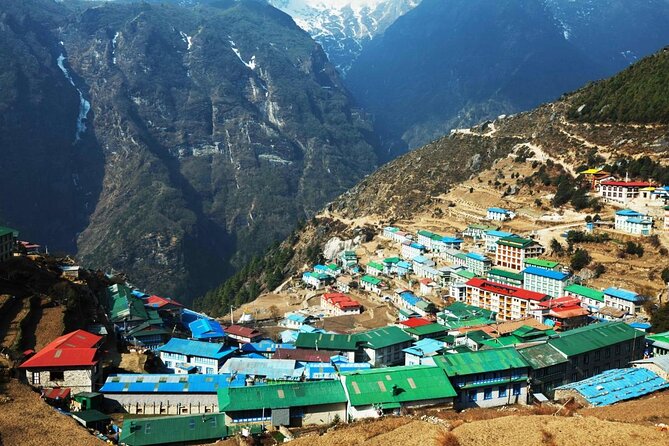
Phakding to Namche Bazaar is a classic early climb, about 6 hours, taking you to around 3,440 m. Namche is the place where the trek starts to feel like a community, not just a trail. You’ll see the everyday rhythm of high-altitude life: tea house culture, shopfronts, and hikers comparing notes over warm drinks.
The next day is a scheduled acclimatization day in Namche Bazaar (around 3,440 m). This is one of the best parts of the whole itinerary because it breaks the “keep climbing every day” mindset. You rest, get your body used to the altitude, and prep for the bigger push toward higher villages.
A real value of this pacing: it lowers the chance you’ll be wiped out before Tengboche and beyond. Altitude doesn’t care how tough you think you are, but good scheduling helps.
Also, it’s in Namche that you’ll appreciate the kind of guide support that turns the trek from work into meaning. In past trips, guides like Pradip were praised for practical mountain knowledge and even spotting wildlife along the way. That sort of attention makes the hours feel shorter.
Tengboche and the monasteries: where the trek gets spiritual
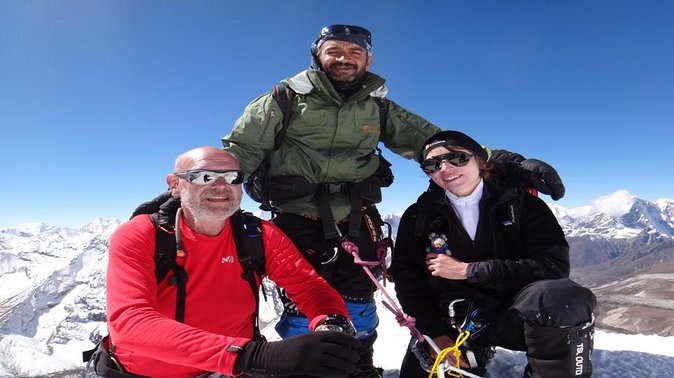
Namche Bazaar to Tengboche takes you to about 3,867 m. Tengboche is known for monasteries, and the tone shifts here. You’ll feel the place as a spiritual stop, not a scenic roadside photo moment.
Day-by-day, this section is about more than altitude. It’s about what you do when the air starts feeling thinner: you slow down, look around, and actually notice the people and routines around you. In Tengboche, the quiet corners and religious atmosphere help you recharge mentally before the higher villages.
Then you move onward toward Dingboche (about 4,260 m). Expect another solid day of walking (around 6 hours). Dingboche feels different from Namche: it’s more out in the high terrain, with a harsher feel and a strong focus on recovery and breathing time.
If you’re chasing the classic “Everest feeling,” this stretch is where it usually starts clicking.
Dingboche acclimatization: don’t skip the slow day
From Tengboche to Dingboche is one step, then the next day is again about adjustment. You spend an acclimatization day at Dingboche (around 4,260 m) with time to walk locally and return to rest.
Why this matters: your body needs time to settle as you approach the higher elevations that make breathing harder. The itinerary uses both Namche and Dingboche as built-in buffer points, so you get more time at altitude without stacking additional risk every single day.
This is also where your guide’s experience helps. A guide with years of time in the Khumbu region can read how you’re moving, how you’re eating, and how you’re coping in the thin air. In past feedback, Pradip was highlighted for being steady in tough terrain and for making people feel safe and informed.
Not every day will feel dramatic. That’s okay. In EBC, the less dramatic days often decide whether you reach the best ones feeling strong.
Lobuche to Gorakshep to Everest Base Camp: the payoff section
Dingboche to Lobuche takes you up to about 4,930 m. This day includes a lunch stop along the way (the itinerary mentions lunch at Dugla around 4,595 m). By now, your pace tends to slow, and the trek becomes more about rhythm than speed.
Then the big day: Lobuche to Everest Base Camp via Gorakshep. The itinerary frames this as one of the most rewarding parts, with the trail winding through rocky terrain. You’ll reach Everest Base Camp at about 5,364 m after moving through Gorakshep (around 5,140 m).
This is where you’ll see why “base camp” is a bit of a myth. It’s not a campground. It’s a hard-earned reach into the Everest zone—cold, windy, and humbling. You’re not just walking; you’re arriving at a place tied to real climbing history and real sacrifice.
One practical note: at this altitude, the views can be spectacular, but conditions can shift quickly. Keep your day pack organized (layers, water method, camera battery plan), and don’t burn energy chasing every photo angle.
If your goal is to say you reached Everest Base Camp, this is the day that makes it true.
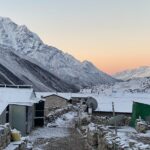
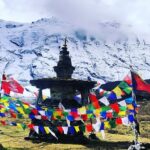
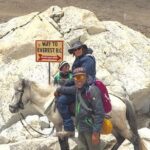
Kala Patthar and the descent back: the high point and the long way down
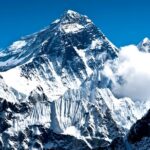
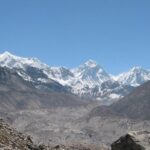
After Base Camp comes Gorakshep to Kala Patthar (about 5,545 m), then down to Pheriche (around 4,243 m). Kala Patthar is the place many people talk about because it gives a strong Everest panorama from above the base camp area.
This day is tough because it’s not only altitude; it’s also effort after you’ve already climbed to Base Camp. The good news: the itinerary then sets you up for an easier pattern of returning.
From Pheriche, you trek back toward Namche Bazaar (down to about 3,440 m) in the late afternoon, giving you a chance to reset mentally. Then it’s Namche to Lukla (about 2,886 m)—a long-ish feeling travel day, but one that closes the loop. Finally, you fly Lukla back to Kathmandu and transfer to your hotel or onward plans.
In the final days, you’ll likely notice your body feels different: your lungs may open up again, but your legs can feel the descent. This is where trekking poles (if you use them) and careful foot placement really pay off.
Price and logistics: what $1,500 buys you (and what it doesn’t)
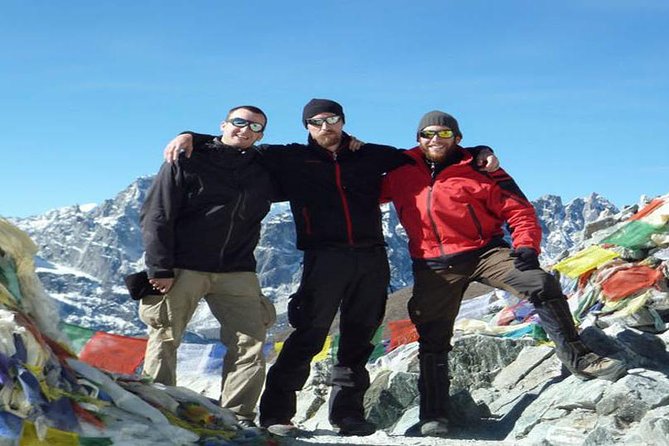
At $1,500 per person for about 14 days, you’re not just paying for a guide and a route. You’re buying a lot of on-the-ground moving parts:
- Guide + porter support (1 porter for 2 people)
- All lodge/tea house stays during the trek
- Kathmandu 3-star hotels (two nights)
- Airport transfers in Kathmandu
- Flights between Kathmandu and Lukla (as part of the plan)
- Meals on the trek: breakfast is included daily (14 breakfasts), with lunch and dinner included on most trek days (lunch 11, dinner 11)
What’s not included: lunch and dinner while you’re in Kathmandu. Drinks are also extra. On the trail, you’ll typically have normal water available, and you can treat it (purification pills are recommended). Bottled or boiled water options may be available for purchase.
Budget reality check: you’ll likely spend on table drinks, snacks, tips, and a few fees. The info shared with you suggests entrance fees around $25 for Kathmandu activities, plus an everyday trekking spending range. Tips are appreciated, and the guidance given is 10–15% of the tour cost for staff.
If your priority is value, focus on whether you’ll actually use the included support. If you’ll rely on your guide for navigation, pacing, and safety decisions, this pricing starts to make a lot of sense.
Lodges, charging, and how to handle creature comforts
On the trail, accommodations are lodges/tea houses—clean and comfortable, but expect simple. Rooms are typically twin share unless you request a single supplement (listed as $200 extra).
Electricity and charging are limited. Some villages have electricity and solar power, so you can recharge camera batteries in certain places. Plan to bring spare batteries, because you might have to pay for recharging where power is available.
Hot showers can appear sometimes, but not every day. The best move is to pack for practical comfort, not hotel standards.
This is also where your porter system helps. Your main luggage is carried for you while you carry a day pack with essentials like a water bottle, camera, sunscreen, and a spare layer. Reducing what you carry usually makes the trek feel fairer.
Altitude safety: the itinerary’s structure is your best friend
This trek includes acclimatization days in Namche Bazaar and Dingboche, plus gradual movement toward higher zones: Tengboche, Dingboche, Lobuche, Gorakshep, then Kala Patthar.
That pattern is important. It doesn’t remove altitude risk, but it reduces the chance you’ll push too hard too fast. You’ll also have an experienced guide, first aid medical kit, and a porter team supporting you.
Still, the baseline requirement is clear: you should have a strong physical fitness level. If you’re not comfortable with long days on uneven terrain, don’t let the romantic idea of Everest distract you from the reality of high altitude walking.
Who should book this Everest Base Camp trek
This is a good fit if you want:
- a classic 14-day EBC timeline
- real Sherpa village time (Namche, Tengboche, Dingboche, Pheriche)
- a structured acclimatization plan
- a guide-led experience with reliable logistics (small group size is capped at 15)
It might not be the best fit if:
- you want guaranteed modern comforts every night
- you’re extremely sensitive to basic lodging
- you hate early mornings and quick turnarounds tied to flight schedules
Should you book Welcome Nepal Treks for Everest Base Camp?
If you’re aiming for a well-run, classic EBC trek with real support, I’d say this is worth serious consideration. The pricing covers more than the route: it covers lodging, most meals, guide and porter support, and the Kathmandu setup that helps you start strong. The guide experience highlighted in past feedback, including Pradip and the way staff like Niti and Hari supported smooth coordination, is exactly the kind of detail that matters at altitude.
My practical advice: choose this kind of tour if you’ll lean on the team. If you plan to self-manage every decision, you’ll miss the main value.
FAQ
How long is the Everest Base Camp trek on this program?
It runs about 14 days (approx.).
Where do we meet in Kathmandu and what time?
You meet at Tribhuvan Airport, Kathmandu, at 5:30 am.
Are airport transfers included?
Yes. The package includes airport picks up and drops by private car/van/bus.
What kind of accommodation is provided in Kathmandu and on the trek?
You get two nights in standard 3-star hotels in Kathmandu, then lodges/tea houses during the trek (twin share unless you request a single supplement).
What meals are included?
Breakfast is included for all 14 days. Lunch and dinner are included on 11 trek days each. Lunch and dinner in Kathmandu are not included.
What happens if the Lukla flight is delayed or canceled?
The team will reschedule your Lukla flight for the following day if possible. In a group, a helicopter can be arranged at your own expense.
Is travel insurance required?
Travel insurance is not included, and it’s recommended—especially because the helicopter option involves costs that you may need to claim.
How does baggage work for the trek?
Your main luggage is carried by porters. You carry a day pack. The domestic airline luggage limit is 15 kg, including your hand bag.
What is the cancellation policy for a full refund?
You can cancel up to 24 hours in advance for a full refund. Canceling less than 24 hours before the start time doesn’t qualify for a refund.