REVIEW · KATHMANDU
Mardi Himal Trek
Book on Viator →Operated by Mosaic Adventure · Bookable on Viator
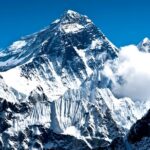
Big Himalayan views, short trek time. Mardi Himal Trek is a smart way to sample high-country scenery without committing to a month-long adventure. The route climbs to a View Point at 4500m (14763ft) and then brings you down in a way that keeps the whole trip feeling manageable. I also like the professional team setup Mosaic Adventure runs, with guides such as Purna, Nabin, Keshab, and Krishna, and porter support like Ram or Hari showing up in their trek groups.
The one real consideration is altitude and effort. You’ll hit 4500m at the top day and you’ll also spend long hours hiking—up to about 6.5 hours on the move to High Camp—so you should be comfortable with steady climbing at a moderate fitness level.
In This Review
- Key things to know before you go
- First Look at the Mardi Himal Trek: Big Views in a Tight Timeframe
- From Kathmandu to the Trek Start: The Practical Setup Matters
- Day 1: Pokhara to Pitam Deurali (2100m) — Drive First, Then Hike
- Day 2: Pitam Deurali to Forest Camp (2550m) — The Day You Find Your Pace
- Day 3: Forest Camp to High Camp (3580m) — Where Most Effort Shows Up
- Day 4: High Camp to View Point (4500m) and Back to Low Camp (2990m) — The Big Payoff, Then Relief
- Day 5: Low Camp to Siding Village (1280m) and Down to Pokhara — Finish While You Still Feel Capable
- Price and What You’re Actually Paying For (At $510 per Person)
- The Real Deal: Guides, Porters, and the Small Group Feel
- Meals, Timing, and What That Does to Your Energy
- How to Pack and Train Without Overthinking It
- Safety and Altitude: The Part You Should Respect
- Who This Trek Fits Best (and Who Might Want a Different Plan)
- Should You Book This 5-Day Mardi Himal Trek with Mosaic Adventure?
- FAQ
- How long is the Mardi Himal Trek?
- Where does the tour start and what time does it begin?
- What is the maximum group size?
- What’s included in the price?
- What is not included?
- How high do you go on the trek?
- What’s the Day-by-Day altitude range?
- Is pickup offered?
- What is the cancellation deadline for a full refund?
Key things to know before you go
- Max group size of 12 keeps the trek feeling personal, not crowded.
- 8:15 am start from Mosaic Adventure in Kathmandu (Chi Bahal, Adwait Marg).
- Meals are included: breakfast (4), lunch (5), dinner (4), plus all fees and taxes.
- You reach 4500m at the View Point, then descend to lower sleeping spots.
- Pickup is offered and you get a mobile ticket, so logistics stay simple.
First Look at the Mardi Himal Trek: Big Views in a Tight Timeframe
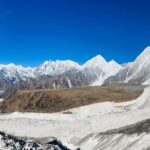
Mardi Himal Trek is growing fast because it gives you a lot of mountain drama in a short period. The trade-off with many Nepal treks is time. You spend days getting from one special viewpoint to the next. This one keeps the timeline tight while still stacking multiple high points across the five days.
What I like most is the rhythm. You go up in steps: Pitam Deurali first, then Forest Camp, then High Camp. Later, you push to the View Point, and then you come back to a lower camp for the night. That up-then-down structure usually feels better than doing one long, relentless climb with no breathing room.
This trek also makes sense if you want a first taste of a more extended high-altitude experience. It’s not “easy,” but it’s not a complicated multi-pass expedition either. In the Mosaic Adventure teams I’ve seen discussed, the guide-to-client style tends to be friendly and supportive—helpful when you’re trying to keep your energy steady instead of racing the trail.
You can also read our reviews of more tours and experiences in Kathmandu.
From Kathmandu to the Trek Start: The Practical Setup Matters
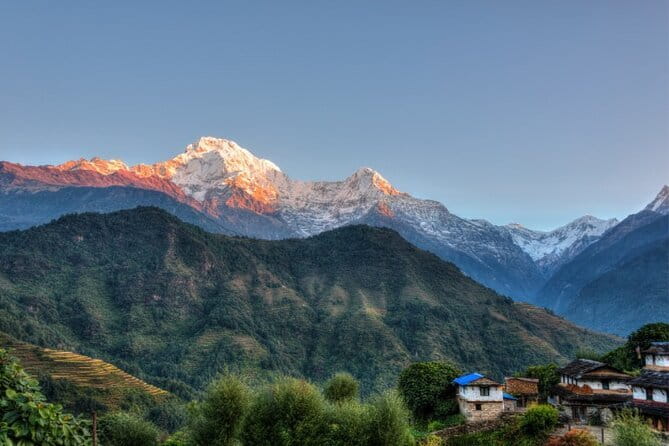
Your day begins back in Kathmandu at Mosaic Adventure, at Chi Bahal on Adwait Marg. The start time is 8:15 am, and the tour ends back at the same meeting point. Pickup is offered, and you also receive a mobile ticket, which is the kind of small thing that reduces stress when you’re juggling new schedules.
One logistics point to keep in mind: the trek itinerary itself begins with a move from Pokhara to the trail area on Day 1. The details of how you personally get from Kathmandu to Pokhara aren’t spelled out in the trek description you provided, so I’d plan to confirm that part with Mosaic Adventure when you book. Once you’re at Pokhara, the trekking timeline starts right away.
Day 1: Pokhara to Pitam Deurali (2100m) — Drive First, Then Hike
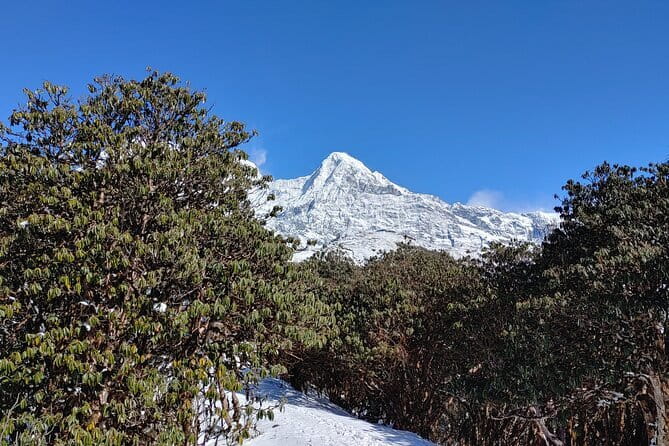
Day 1 mixes travel and hiking in a way that usually works for people who don’t want to start with a full marathon of climbing. You’ll do about 1 hour drive to Pitam Deurali (2100m / 6465ft), then hike for about 3.5 hours.
Why this matters: it’s a gentle on-ramp. You’re not thrown straight into steep altitude gains, but your legs still wake up. Pitam Deurali at 2100m also sets the tone—enough height to feel different from lowlands, but not so high that you’re immediately fighting the air.
A likely downside: Day 1 can still feel long if your body is coming off travel fatigue. If you’re the type who gets sluggish after a long day in a car, arrive in Pokhara with buffer time and eat well before you start the trek portion.
Day 2: Pitam Deurali to Forest Camp (2550m) — The Day You Find Your Pace
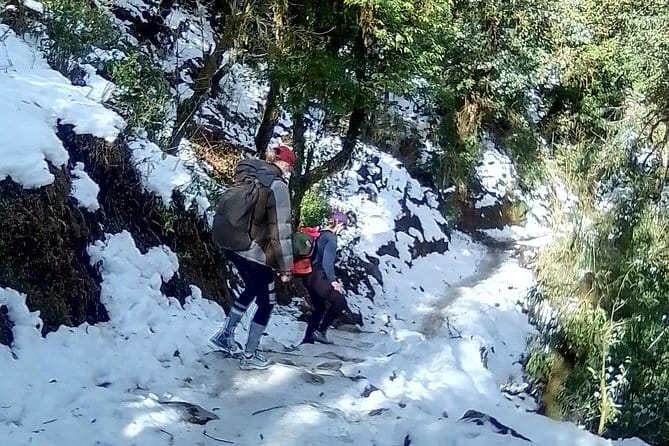
On Day 2, the route climbs to Forest Camp at 2550m (8365ft). The walk is about 4 hours.
This is the kind of day that helps you lock in a pace. You’re gaining altitude, but you’re not stuck on the trail for a whole day. I like this stage because it’s long enough to feel like a real hike, yet short enough that you can spend a bit of time settling in once you arrive.
If you’re trying to avoid the classic mistake—going too fast early—Day 2 is a good correction day. You can practice steady breathing and small breaks without turning it into a slog. And when the next day lengthens, you’ll be grateful you didn’t burn matches on the first two hiking days.
Day 3: Forest Camp to High Camp (3580m) — Where Most Effort Shows Up
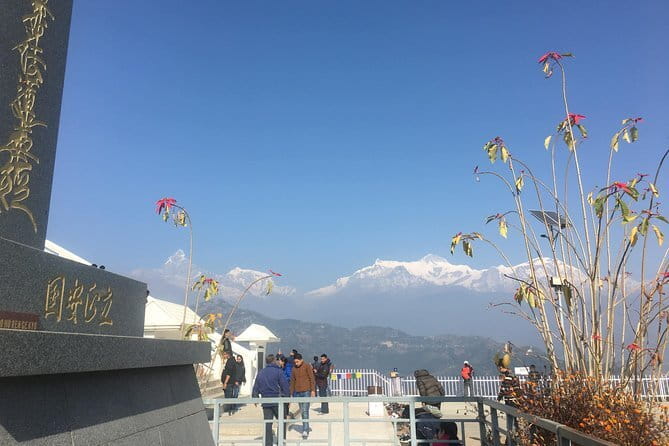
Day 3 is the heavy hitter. You’ll move from Forest Camp to High Camp at 3580m (11745ft) over about 6.5 hours.
Expect this to be the day where your “trek fitness” matters most. This isn’t just longer time—it’s also higher altitude. The goal here should be consistency: walk, pause, drink, repeat. The long day length means you don’t want to chase speed. You want control.
Why this stage is valuable: High Camp sets up the big payoff later. The trek is basically building toward the View Point day. When Day 3 goes well, Day 4 feels like a reward instead of another grind.
Possible drawback: if you’re carrying extra fatigue from earlier travel days or if your hiking form isn’t steady, 6.5 hours at higher elevation can feel brutal. That’s why the trek asks for moderate physical fitness. If you’re unsure, it’s worth being honest about your current stamina before you commit.
Day 4: High Camp to View Point (4500m) and Back to Low Camp (2990m) — The Big Payoff, Then Relief
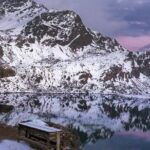
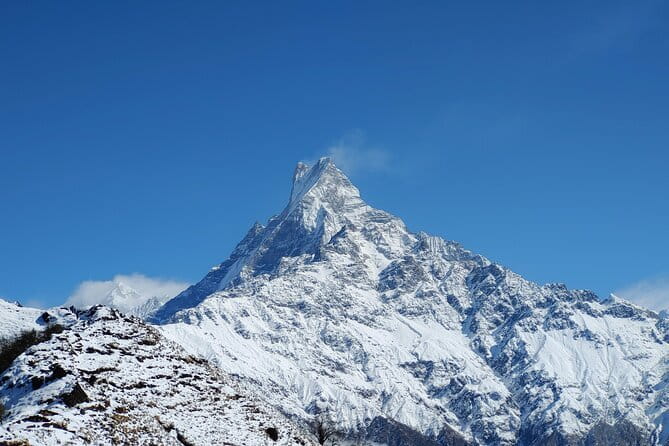
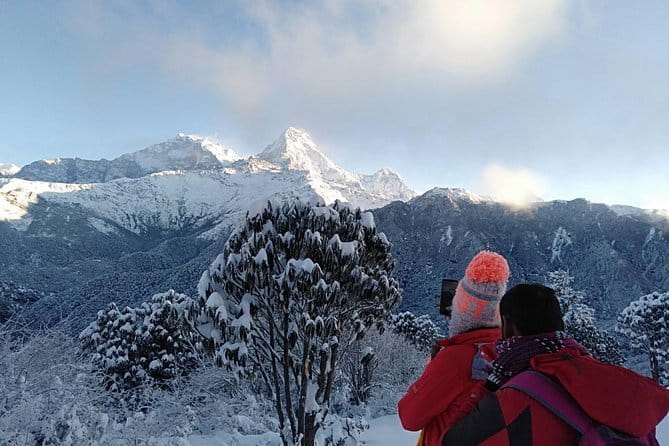
Day 4 is a two-part day. You’ll start from High Camp and hike to the View Point at 4500m (14763ft), then return to Low Camp at 2990m (9810ft). Total time is about 6 hours.
This is the day most people remember. You get the drama of reaching the top elevation point on the route, and then you’re not stuck sleeping at the absolute highest place. Returning to Low Camp is a smart design: it makes the final day feel less punishing and reduces the odds you’ll feel wrecked when you start descending toward the end.
How to think about it: treat the View Point portion as a focused mission, not a “go hard” race. You’re trying to feel steady at altitude, not prove anything.
One practical consideration: because this day includes both a climb and a descent, your energy planning matters. Bring a clear hydration strategy and don’t let excitement make you forget to eat. If your body is low on fuel, even a short top push can feel longer than it should.
Day 5: Low Camp to Siding Village (1280m) and Down to Pokhara — Finish While You Still Feel Capable
Day 5 drops fast compared to earlier days. You hike from Low Camp down to Siding Village at 1280m (4200ft) for about 4 hours, then transfer back to Pokhara for about 3 hours.
Why the descent design is a big deal: the trek ends with a long downhill stretch, so your knees and calves will get attention. But you’re also likely to feel happier mentally because you’re steadily heading to lower elevation. It’s the classic “finish line” effect: your body still works, but the altitude pressure eases.
This final setup also makes the trip more practical. You’re not just ending after a hard hike and then dealing with endless extra travel. You’re moved back toward Pokhara the same day, which helps you plan a comfortable evening afterward.
Price and What You’re Actually Paying For (At $510 per Person)
The price is $510.00 per person for about five days. On paper, that’s a simple number. In real life, it helps to break down what’s included and what you’ll still need to pay on your own.
Included:
- Guide
- All fees and taxes
- Lunch (5), Dinner (4), Breakfast (4)
Not included:
- Beverages (tea/coffee, bottled water, etc.)
- Tipping
So where does the value come from? Mostly from removing decision fatigue. Permits and fees are handled, meals are planned across the trek days, and a guide reduces the chance that you lose time or energy figuring things out on the ground. For a route like Mardi Himal—where altitude and timing matter—having a supportive plan is often more valuable than you’d expect when you’re standing at the trailhead.
What I’d personally budget mentally: plan for drinks and small extras. The food being included helps, but water and hot drinks usually cost extra. Also, tipping is listed as not included, so you should decide your tipping approach in advance rather than improvising at the end.
The Real Deal: Guides, Porters, and the Small Group Feel
This is one of the best parts of the experience when the setup works well—and the info you shared points to that. Mosaic Adventure runs with a maximum group size of 12 travelers, which is a meaningful difference on trails. It’s large enough to have people around, but small enough that the pace doesn’t become chaotic.
The guide and porter support comes through clearly in the names people associate with their trips. I’ve seen credit given to guides like Purna, Nabin, Keshab, and Krishna, with porter support from Ram and Hari mentioned in the same context. That kind of pairing matters because it changes how you experience the trek day-to-day. When your team is organized and responsive, you spend less mental energy managing logistics and more energy actually hiking.
A balanced note: the tour inclusion list only explicitly names a guide, not porters. Still, multiple trip accounts credit porters as part of the trek experience. My advice is to confirm what porter support looks like for your exact departure. If you want light loads or extra help with gear, ask directly before you pack.
Meals, Timing, and What That Does to Your Energy
The trek’s meal structure is straightforward: breakfast is included 4 times, lunch 5 times, and dinner 4 times. That’s the practical backbone of a good high-altitude trek plan—regular food beats “survive on snacks” most days.
Why I like this: it’s predictable. When you know a proper meal is coming, you’re more likely to eat on schedule. And on longer climbing days like Day 3, that predictability can make the difference between feeling steady versus feeling depleted.
Also, note the trip doesn’t include beverages. So if tea/coffee is part of your trekking comfort routine, treat that as an add-on. If you prefer water only, still plan for water-related costs since bottled water is typically not included.
How to Pack and Train Without Overthinking It
The trek calls for moderate physical fitness. That doesn’t mean you have to be a mountain athlete. It means your body should be able to handle multiple hiking days and long hours on the trail.
Training-wise, I’d focus on two things:
- Comfortable walking stamina (so 4–6.5 hour days don’t feel like punishment)
- Leg endurance for both uphill and downhill (Day 4 has both; Day 5 is mostly downhill)
Packing-wise, keep it practical. You’ll be at elevations from about 2100m up to 4500m, so plan for temperature changes. Even without specific weather claims, altitude commonly means cold at the top part of the day and more demanding breathing. Wear layers you can manage on the move.
If you’re coming from shorter treks, think of Mardi Himal as your step-up. The best match is someone who wants a real high-point day (View Point) without turning the entire trip into a multi-week project.
Safety and Altitude: The Part You Should Respect
You reach High Camp at 3580m and go to View Point at 4500m on Day 4. That’s high enough that you should treat altitude seriously, even if you feel fine at the start.
What helps most on routes like this is pace discipline. Long days plus altitude can tempt people into rushing early to “get it over with.” Don’t. Walk within your comfort zone and let the guide help set expectations for breaks and timing.
Also, plan your expectations for how your body feels the day after the hardest climbing. Day 3 is the big time commitment, and Day 4 is the big altitude moment. If you’re the type who pushes hard every day, you’ll likely pay for it later. Aim for steady effort, not hero mode.
Who This Trek Fits Best (and Who Might Want a Different Plan)
Mardi Himal Trek is a strong choice if:
- You want big mountain views in about 5 days
- You prefer a guided, organized itinerary
- You like group trekking but still want a small group size (up to 12)
- You’re comfortable with moderate physical fitness and longer hiking hours
It might not be the best fit if:
- You’re expecting a short, easy walk with minimal altitude pressure
- You struggle with multi-day endurance
- You’re not ready for a long Day 3 climb and a high Day 4 push
The good news is that the trek’s design helps. You’re not only ascending—you’re also descending back to lower sleeping elevations, which is the kind of structure that tends to support a smoother finish.
Should You Book This 5-Day Mardi Himal Trek with Mosaic Adventure?
If you want a guided Mardi Himal Trek that’s built around real mountain payoff days—and you prefer having meals and fees handled—the choice looks solid. At $510, you’re paying for organization, food on the trek days, and the safety of a plan with a guide.
I’d book if you’re excited by the route math: you climb to Forest Camp, push to High Camp, hit the View Point at 4500m, and then work your way down without dragging the hardest altitude overnight too many times.
I’d hesitate only if you’re unsure about handling 6.5 hours on Day 3 and the 4500m altitude day on Day 4. If that describes you, talk to Mosaic Adventure before you commit and ask pointed questions about pace support, what help you’ll get with gear, and how the team handles slower hikers.
If you get those answers and your fitness matches the moderate requirement, this is the kind of trek that can feel like you saw the best parts without losing a whole month to logistics.
FAQ
How long is the Mardi Himal Trek?
The itinerary is set for about 5 days, with the hiking and transfers planned across five days.
Where does the tour start and what time does it begin?
The start is at Mosaic Adventure, Chi Bahal, Adwait Marg, Kathmandu (44600), Nepal. The start time is 8:15 am, and the activity ends back at the same meeting point.
What is the maximum group size?
This activity has a maximum of 12 travelers.
What’s included in the price?
The price includes a guide, all fees and taxes, and meals: lunch (5), dinner (4), and breakfast (4).
What is not included?
Beverages like tea/coffee and bottled water are not included, and tipping is not included.
How high do you go on the trek?
You reach a View Point at 4500m (14763ft) on Day 4.
What’s the Day-by-Day altitude range?
The itinerary goes from about 2100m on Day 1 to 2550m on Day 2, 3580m on Day 3, 4500m at the View Point on Day 4, down to 2990m on Day 4 at Low Camp, and then to about 1280m by Siding Village on Day 5.
Is pickup offered?
Pickup is offered, and you’ll meet at the Mosaic Adventure office location in Kathmandu.
What is the cancellation deadline for a full refund?
You can cancel up to 3 days in advance for a full refund. If you cancel less than 3 full days before the experience’s start time, the amount paid will not be refunded.