REVIEW · KATHMANDU
15-Day Private Annapurna Circuit Trek from Kathmandu
Book on Viator →Operated by Himalaya Guide Nepal · Bookable on Viator
Thorong La tests your legs, then pays off. This private trek links classic villages along the Marshyangdi River with an acclimatization day in Manang and a dramatic Poon Hill sunrise on the way back.
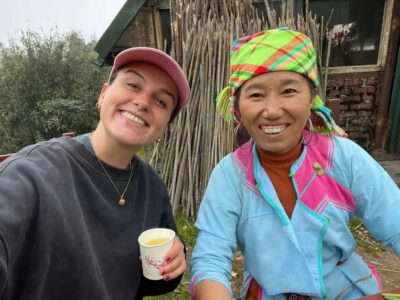
I especially like two things. First, you get the heavy logistics handled—airport pickup, rides between key points, lodge stays, and meals every trekking day. Second, this family-run team adds a personal touch: they teach you basic Nepali while you’re on the trail, which makes the villages feel less like a stop and more like a place.
One drawback to consider: the stated tour price does not include extra nights or meals in Kathmandu and Pokhara, and you’ll also need to bring your own travel insurance.
In This Review
- Key things that make this Annapurna Circuit feel different
- From Kathmandu to Lamjung: your trek starts with a bus, not a scramble
- Ghermu and Chamje: village paths and those suspension-bridge moments
- Chame to Manang: river crossings, dense forest, and the start of altitude realism
- The Manang acclimatization block: why that extra day is not optional
- Thorong La build-up (Durali to Phedi): the long day is coming, so you start early
- Getting over the pass and down into the Kali Gandaki world
- Ghorepani and Poon Hill: rhododendron forests and the payoff morning
- Back to Kathmandu with a farewell dinner
- Price and logistics: what $995 covers, and what you must plan for
- Who this trek fits best (and who should rethink it)
- Should you book this private Annapurna Circuit trek?
- FAQ
- Where is the meeting point and what time does the experience start?
- What’s included in the trek price?
- Are permits included or do I need to arrange them myself?
- Is travel insurance included?
- Can I add a porter if I want one?
- Can I cancel and get a full refund?
Key things that make this Annapurna Circuit feel different
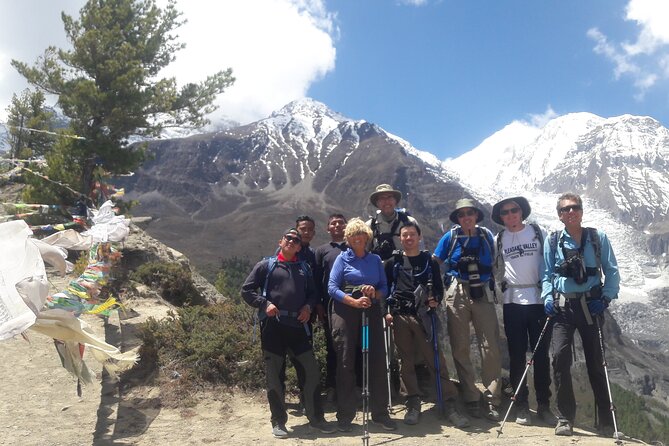
- Private group experience with only your people participating, plus a mobile ticket setup.
- Permits handled for you, including ACAP and TIMS, plus all government taxes.
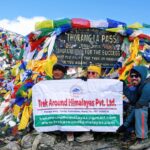
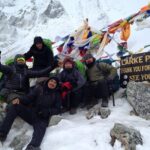
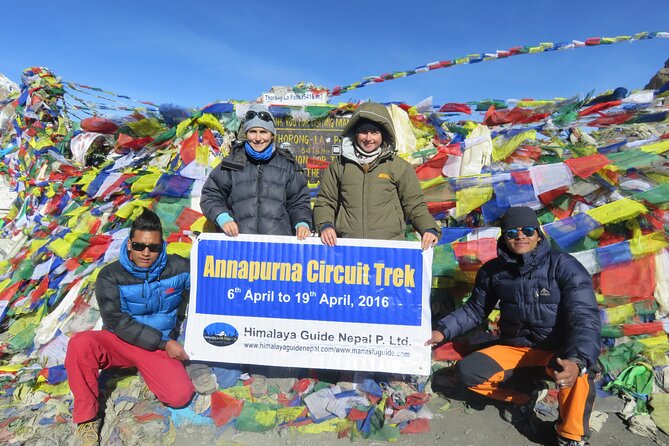
- Real acclimatization pacing: a full day in Manang before the high crossing at Thorong La (5416m).
- Trekking-day meals and normal lodge accommodation lined up for 15 breakfasts, 15 lunches, and 15 dinners.
- Strong guide support praised by name, with standout mentions including Pratap, Dinesh, Binoot/Binute, Salman, Bashu, and Bashudev.
- A classic finish in Pokhara, including an early hike to Poon Hill (3210m) for sunrise views.
From Kathmandu to Lamjung: your trek starts with a bus, not a scramble
Day 1 is all about getting from Kathmandu into the Annapurna rhythm without wasting your energy. You’ll start with pickup from Tribhuvan Airport, then head toward the Lamjung region via a local bus ride to Besisahar/Bulbule, a drive that takes around 6–7 hours. Once you’re on foot, the pace feels like a proper warm-up into the trekking corridor.
I like that the plan starts simple. You’re not immediately climbing; you’re moving into position and letting your body wake up. You’ll also get a sense of the river valley terrain right away, since the route follows the Marshyangdi corridor early on.
Possible watch-out: if you’re the kind of traveler who hates long rides, Day 1 may feel like a lot of sitting before you even see your first big mountains.
You can also read our reviews of more tours and experiences in Kathmandu.
Ghermu and Chamje: village paths and those suspension-bridge moments
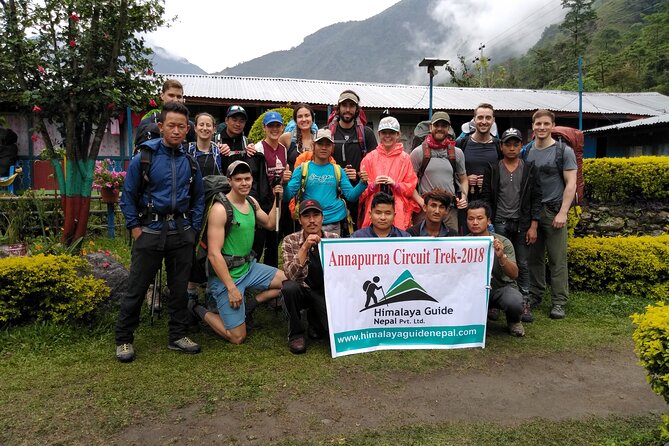
Day 2 works well if you want a gentle-but-real trekking day. After breakfast, you walk through villages and roads, then head to the east bank of the Marshyangdi River. The route continues uphill toward a Brahmin settlement area at about 1270 meters, with a solid lunch stop en route.
Day 3 turns the screws in a good way. You trek from Chamje along the trail that goes downhill to Syange, then cross to the west bank of the Marshyangdi River by suspension bridge. From there, you climb steeply and cross cliff faces—exactly the type of terrain that makes this trek feel classic rather than flat.
These days matter because they teach you how the trail changes. You learn what a suspension bridge feels like when you’re carrying your own breath, not your worries. And you get enough village time to understand how locals live along the route.
Chame to Manang: river crossings, dense forest, and the start of altitude realism
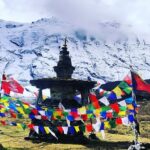
Day 4 takes you from the early Marshyangdi route to the Chame area. You cross the Marshyangdi suspension bridge, then pass places like Dharapani and Bagarchhap (around 1960m) before reaching Danque (around 2300m), marked by a stone entrance Chorten. This is one of those days where the walking is steady, but the scenery keeps changing—river, settlements, and then steeper trail segments.
Day 5 pushes upward in a more dramatic way. The trail runs through dense forest and a narrow valley, and you cross to the south bank of Marshyangdi Khola at about 3038 meters. The description of a curved rock face rising from the river—about 1500 meters—is the kind of detail that hints at what you’ll feel physically: you start to notice altitude and the way views open up.
Day 6 is especially useful for people who like options. If you stayed lower Pisang the night before, there are two trail styles: one follows Marshyangdi Khola closely, and another involves crossing the Khola. Both routes meet again around Mungji, with pine forest in the mix. Translation: the team can match the day to conditions and your group’s needs.
The Manang acclimatization block: why that extra day is not optional
Days 7 and 8 are your acclimatization and transition days in Manang. Day 7 is explicitly important: you take time to adjust before pushing toward Thorong La at 5416m. There’s also an optional explore where you can visit a Lama (monk), with a note that the visit includes a 100 rupees donation.
Day 8 continues the uphill work from Manang toward Tanki village, leaving the Marshyangdi valley and shifting along the Jar sang Khola valley. You’ll pass pastures and keep moving into higher terrain. This day is where you’ll feel your body learning the slower steps that high-altitude walking demands.
I like this design because it treats acclimatization as part of the experience, not an annoying delay. It also gives you time to practice your own routine—slow pace, steady breathing, and keeping your energy for the hard days ahead.
Thorong La build-up (Durali to Phedi): the long day is coming, so you start early
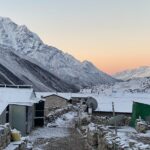
Day 9 positions you as the last camp before crossing Thorong La Pass. The trail follows yak grazing ground, then drops toward Jarsang Khola. You’ll cross Jarsang Khola, walk up to Durali Tea shop, and settle into the night before the pass.
Day 10 is a big deal. It’s described as the last night in the Manang District, with Phedi meaning Food of the Hill. The theme is clear: you start early due to a long climb. This is your day for sunrise-on-the-face-of-a-pass energy, even if you’re not explicitly chasing the sunrise here.
One practical consideration: if you’re traveling with a smartwatch mindset, trust your guide’s timing more than your ego. That pass day is the kind where small pacing mistakes can create big fatigue.
Getting over the pass and down into the Kali Gandaki world
Day 11 covers the post-pass travel and route options around Muktinath and onward toward Tatopani or Pokhara. The plan notes options: you can take a public transportation route from Muktinath toward Tatopani, or consider a shorter alternative that includes a flight from Jomsom to Pokhara, then walking through the Tatopani route in three days via Marpha, Ghasa, and Tatopa.
Even if your exact path ends up following the standard end structure of this itinerary, the key value is that you’re not locked into one rigid method. You’re given choices based on time and comfort.
Day 12 continues the descent feel. After a hot spring day, the trek heads down and crosses a suspension bridge over the Kaligandaki River. The trail follows the Burung Khola area before reaching a junction toward the next trekking segment.
This segment is often where people mentally refresh. The walking is still serious, but the trail feels like it’s changing from high-altitude hardship into downhill survival.
Ghorepani and Poon Hill: rhododendron forests and the payoff morning
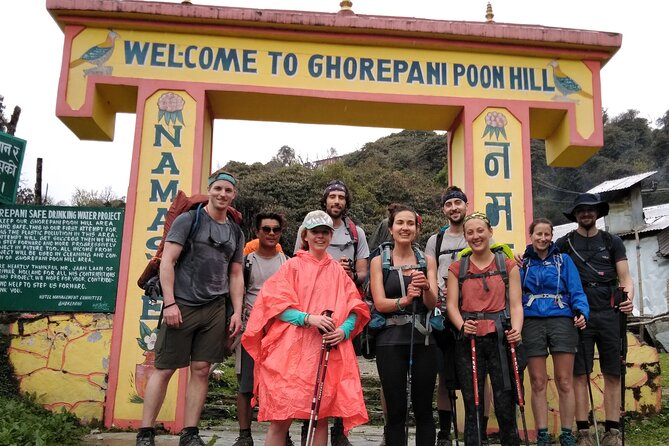
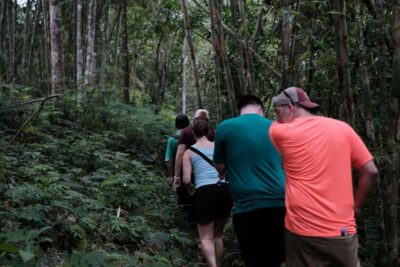
Day 13 is a hard day that still feels rewarding. You trek through Magar villages such as Phalate and Chitre, walk through terraced fields, and move into dense rhododendron and pine forest. The day ends at Ghorepani, where that classic Annapurna foothills feel starts to take over.
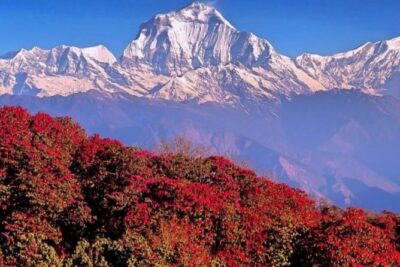
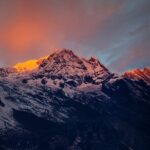
Day 14 is your Pokhara transition, plus the sunrise moment. In the early morning you hike up to Poon Hill (3210m) for sunrise and big views, including Dhaulagiri, Tukuche Peak, Nilgiri, Annapurna South, and Himchuli. The point isn’t just photos; it’s the emotional reset of looking across multiple peaks after days of hiking focus.
If you’re worried about the early wake-up: you’ll usually be glad you did it. The effort is short compared to the reward you get standing at the trail’s highest inspiration level.
Back to Kathmandu with a farewell dinner
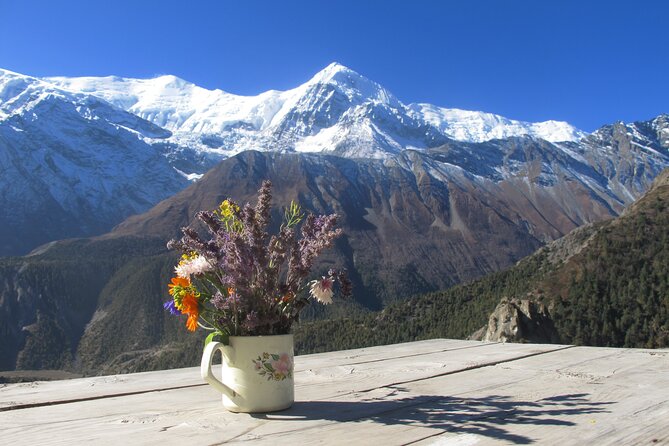
Day 15 is the finish line. You move from Pokhara back to Kathmandu using a service choice like a tourist bus, and the trip includes a farewell dinner. This is one of those days where you’ll feel the trek in your legs, even after you’re done.
It also helps that the tour includes support for ending logistics rather than dropping you and wishing you luck. With a pickup and transport structure across the trip, you spend your attention on the hiking instead of the schedule math.
Price and logistics: what $995 covers, and what you must plan for
At $995 per person, this tour looks priced like a “support-heavy” itinerary. The big inclusions are meals and guide support: you get lodge accommodation on the trek, plus breakfast, lunch, and dinner for 15 days. You also get an experienced guide whose salary, equipment, insurance, transportation, lodging, and food are handled as part of the package.
On top of that, the tour includes legal essentials: ACAP permit and TIMS card, along with all government taxes. You’ll also get transport legs like the bus to Bulbule, public transportation from Muktinath to Tatopani, and the route from Nayapul to Pokhara by car, followed by a deluxe tourist bus Pokhara to Kathmandu.
So what’s not covered? Extra Kathmandu and Pokhara nights and meals are your responsibility. Travel insurance isn’t included, and you’ll pay for things like hot and cold drinks (Coke, mineral water, beer, and similar items) and personal expenses such as laundry, phone use, battery charges, showers, and boiled water.
One more detail that matters: you can request a porter, but porters are not automatically included. If you know you’ll want help carrying your load, ask early.
Who this trek fits best (and who should rethink it)
This trek is best for you if you want private support and you prefer a clear plan for permits, meals, and key transport legs. It also fits travelers with at least moderate physical fitness, since the itinerary includes high altitude and a pass crossing at 5416m.
I also think this works well if you like a more personal travel vibe. The family-run angle and Nepali language teaching can turn the villages into something you understand, not just something you pass through.
If you’re extremely sensitive to cold or long travel days, you might feel challenged by the early mornings and high-elevation walking. In that case, it’s worth reading the itinerary days carefully and thinking honestly about your tolerance for altitude effort.
Should you book this private Annapurna Circuit trek?
If you want an organized, support-rich Annapurna Circuit with the high points planned—acclimatization in Manang, the Thorong La crossing at 5416m, and the sunrise payoff at Poon Hill—this is a strong match. The value is in the meals, permits, guide support, and transport legs doing the heavy lifting for you.
I’d book it if you’re comfortable paying extra for insurance and any non-trek expenses, and if you’re happy to handle the start with a long bus day. If that sounds fair, you’ll likely come away with one of those Nepal treks that feels both strenuous and deeply satisfying.
FAQ
Where is the meeting point and what time does the experience start?
The meeting point is Tribhuvan Airport in Kathmandu, Nepal, with a start time of 10:15 am.
What’s included in the trek price?
The package includes airport pickup and drop (airport to hotel to airport), bus ticket to Bulbule, transport segments during the trek (including Muktinath to Tatopani and Nayapul to Pokhara by car), a deluxe tourist bus from Pokhara to Kathmandu, lodge accommodation on the trek, an experienced guide, ACAP permit and TIMS card, all government taxes, and meals (15 breakfasts, 15 lunches, and 15 dinners). It also includes a token of love and a farewell lunch or dinner.
Are permits included or do I need to arrange them myself?
Permits are included, including ACAP and TIMS.
Is travel insurance included?
No. Travel insurance is not included in the package.
Can I add a porter if I want one?
Porter service is not included, but the company says it is happy to organize a porter per request.
Can I cancel and get a full refund?
Yes. There is free cancellation. You can cancel up to 24 hours in advance for a full refund. If you cancel less than 24 hours before the experience’s start time, you won’t get a refund.