REVIEW · POKHARA
The Best of Nepal : 5-Day Trek to Ghorepani Poon Hill & Ghandruk
Book on Viator →Operated by Linkage Tours & Travels · Bookable on Viator
Poon Hill mornings are hard to beat, and this trek pairs that big view with a guided route that’s easy to follow. I love the sunrise climb to 3,210m—it’s the moment the Annapurna range turns from darkness into blazing color—and I also like how much is handled for you, from permits to clean lodge stays and most meals. One thing to consider: you’re still doing a real trek, so if your idea of relaxing is short walks and long sit-down breaks, you may find the daily hiking a bit demanding.
You start right in Pokhara (meeting at the Lakeside area), then begin with a short drive before settling into the trail. I also like that it’s a private trek just for your group, which makes it feel less rushed and more personal, especially when you’re adjusting pace.
That said, the tightest “must-do” time is sunrise at Poon Hill. If you’re the type who struggles with early starts, plan your energy for that morning and don’t schedule anything else in Pokhara the night before.
In This Review
- Key highlights I’d plan around
- From Pokhara to Nayapool: an easy kickoff before the mountains get serious
- Ulleri onward: moderate trekking through villages and forest
- The Poon Hill payoff: sunrise to a high-point view at 3,210m
- Ghandruk village: where the trip turns from peaks to people
- Lodges, food, and the real value of a guided package
- Guides, permits, and safety: the quiet stuff that makes the trip easier
- Logistics that matter in real life: start time, transport, and getting back to Pokhara
- Who this trek suits best (and who might prefer a different plan)
- Should you book this Poon Hill and Ghandruk trek?
- FAQ
- What time does the trek start?
- Where is the meeting point?
- How long is the trek?
- What’s included in the trek package?
- What isn’t included?
- What permits are included?
- How is difficulty described?
- Is cancellation free?
Key highlights I’d plan around
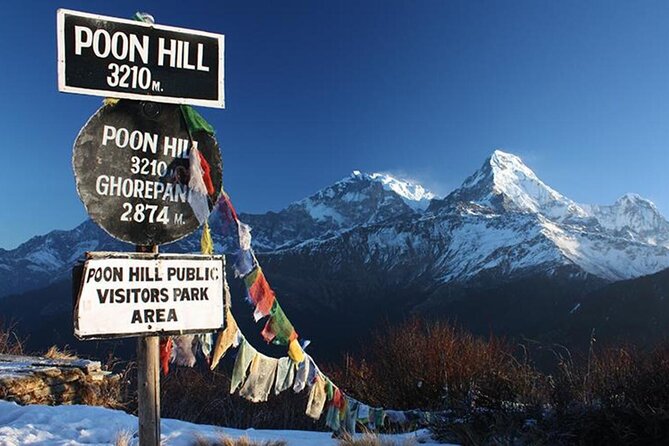
- Poon Hill sunrise at 3,210m for close-up Annapurna views when the sky first clears
- A guided, no-getting-lost route through farmland, forests, and mountain villages
- Tea-house lodge comfort with neat, clean accommodation and most meals included
- Ghandruk village stop to balance big mountain views with real everyday Nepal life
- Permits and TIMS handled (Annapurna Conservation Area + TIMS) so you’re not scrambling paperwork
From Pokhara to Nayapool: an easy kickoff before the mountains get serious
The trek begins in Pokhara with an 8:15am start from the Lakeside meeting point. You’ll get a drive out to Nayapool (1 hour, 1,450m), then start walking after you’re warmed up and ready. This is a smart setup because it gets you moving toward the trail without wasting half the day on transfers.
From there, Day 1 is a walk toward Ulleri (about 4–5 hours), climbing as you transition from the lower approach into the more “trekking” world. You’ll be moving through a mix of village life and local scenery—enough to break the monotony but not so much that you burn all your energy before the best views.
One practical benefit: with a guide leading the way, you don’t have to worry about route confusion or second-guessing each turn. That matters on popular routes where paths can split, and it keeps the day focused on walking and enjoying the climb.
If you want this trek to feel enjoyable rather than stressful, aim to go easy on the first day. Save your strongest legs for the sunrise push later.
You can also read our reviews of more tours and experiences in Pokhara.
Ulleri onward: moderate trekking through villages and forest
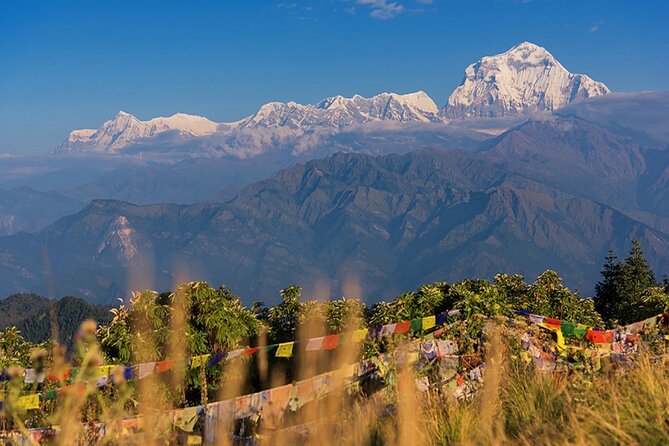
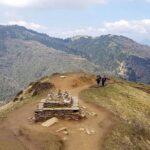
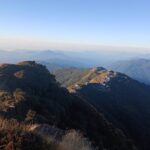
After Ulleri, the route continues in the Annapurna region toward the classic Ghorepani and Poon Hill area, then onward to Ghandruk. The big idea is a moderate trek that gives you variety—mountain villages, farmland, and forests—without turning into a technical expedition.
This is where having an experienced guide changes the experience. You’re not just following a track on your phone. The guide can keep you on the right route and help you pace the day to match your group. The trek is described as moderate and suitable for most travelers, and that usually means the climb is steady rather than extreme—still hard work, but manageable if you take breaks and don’t sprint uphill.
I also like that this is described as customizable private trekking. In a private setup, it’s easier to adjust stops and timing for your own rhythm. That can be a big deal if one person in your group moves faster, or if you want a little more time to rest and take photos.
One consideration: because this is lodge-based trekking, you’ll want to keep your “gear and comfort” routine simple. Pack for walking, but also remember you’ll be in lodges at night—so plan for layers and basic comfort rather than trying to bring everything you own.
The Poon Hill payoff: sunrise to a high-point view at 3,210m
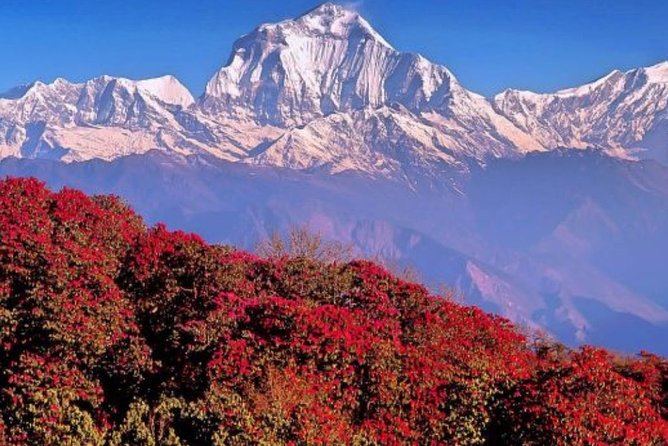
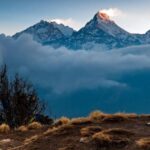
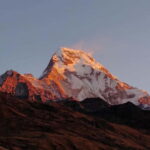
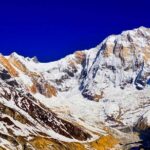
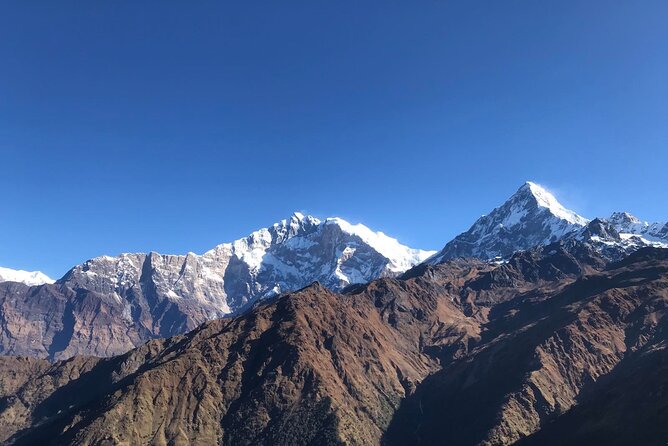
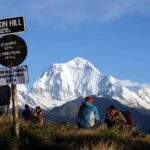
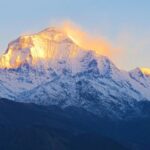
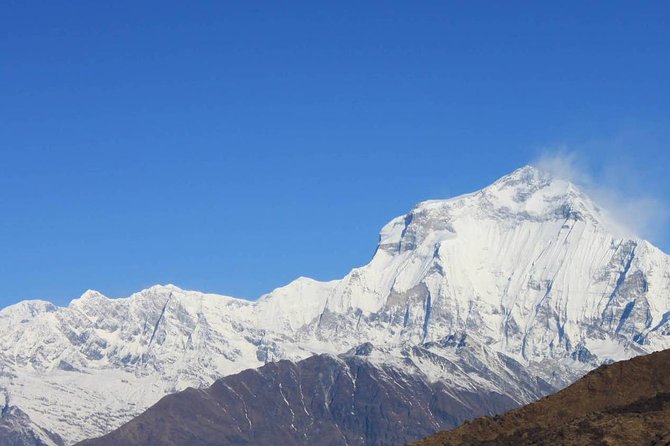
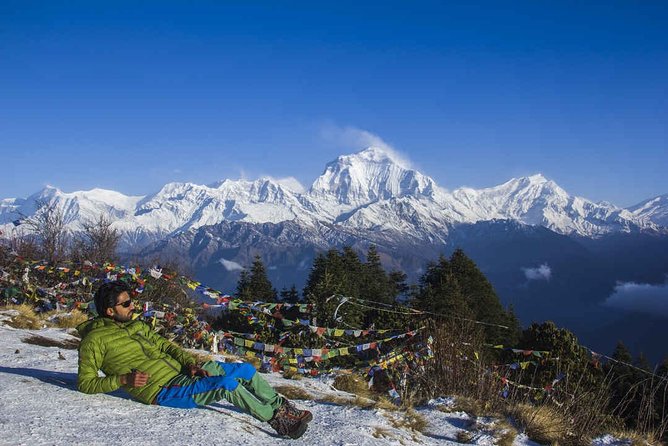
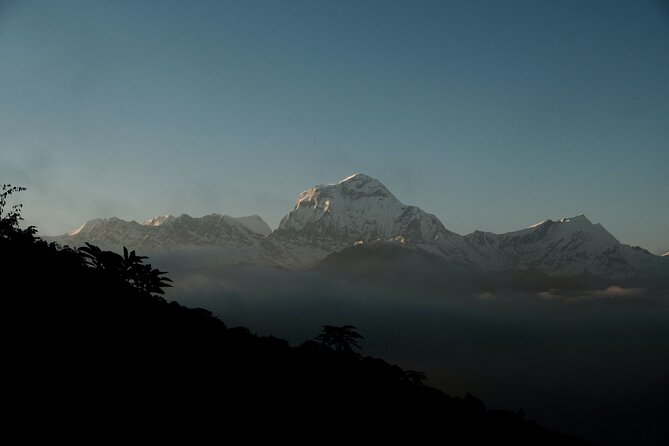
Poon Hill is the headline, and it delivers. The high point of the trek is the sunrise ascent to 3,210 meters (10,531 feet), built around that classic Annapurna moment when peaks light up one after another.
Here’s why this part is worth planning your whole trip around: sunrise isn’t just pretty scenery. It’s also a clear timeline. You’ll know exactly when the best views happen, and the rest of the day becomes the reward after you earn that early start.
The trek is presented as “moderate,” but sunrise trekking adds its own challenge: you’ll be climbing early, when you’re not fully warmed up yet. If you tend to run cold, think layers. If you get tired easily in the dark, plan to take your time up and don’t treat it like a race.
Also, this is where a guide earns their pay. On Poon Hill-style routes, timing matters—getting to viewpoint areas at the right moment can be the difference between watching the sky change and simply missing it.
When you hit the viewpoint and the mountains come alive, the whole trek makes sense. This is the moment where you stop thinking about distance and start thinking about views.
Ghandruk village: where the trip turns from peaks to people
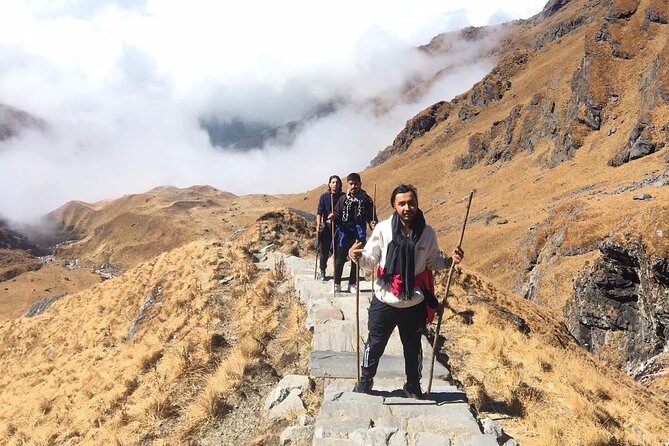
After the Poon Hill highlight, the trek continues toward Ghandruk, another major draw in the Annapurna region. If Poon Hill is about the jaw-drop view, Ghandruk is about slowing down and seeing mountain life more clearly.
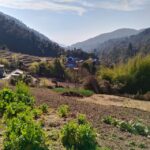
The trek description emphasizes that you hike through mountain villages and farmland, and Ghandruk fits that theme well: it’s a place where the route stops being just about scenery and starts being about daily Nepal rhythms. You’ll likely notice how the trail connects homes, fields, and small businesses that cater to trekkers.
I like pairing a big sunrise viewpoint with a village segment, because you get contrast. Peaks are impressive, but it’s the human scale that makes the trip feel grounded. In a place like this, you’re not just collecting photos—you’re living inside the trek for a few days.
A private setup also helps here. When you’re not in a giant group, it’s easier to spend an extra 10 minutes looking around, asking questions, or simply enjoying the calm after the early-morning rush.
Lodges, food, and the real value of a guided package
This trek is built around neat and clean lodge accommodation and includes most meals, with 4 breakfasts, 4 dinners, and 5 lunches. That’s a big value point for two reasons.
First, it reduces decision fatigue. When meals are included, you spend less time comparing menus and more time focusing on walking, resting, and enjoying the trail. Second, lodge-based trekking keeps costs predictable. Instead of adding money every day for food and lodging choices, your budget stays contained around the package cost.
At $420 per person for about 5 days, the pricing feels geared toward practical trekking rather than luxury. You’re not paying for fancy hotels; you’re paying for the structure that lets you trek smoothly: a guide, private transportation, permits, and organized meals/lodging.
One more value detail: the package includes Annapurna Conservation Area permit and TIMS. Paperwork is the least fun part of mountain travel, and handling it ahead of time saves effort and reduces stress once you’re in the region.
Small note: the trek clearly isn’t about swimming or anything like that. The package lists that snorkeling equipment isn’t included—which makes sense, because your “water moment” here is mostly the rivers you cross and the rain-soaked trail days you might get.
Guides, permits, and safety: the quiet stuff that makes the trip easier
In the reviews, names like Bidur, Rajesh, and Poma come up with praise for being caring, attentive, and helpful. That matches the practical role of a good guide on a trek like this: keeping you safe, staying on route, and making the days feel smoother even when the trail is demanding.
The package also includes guide insurance as required by state law. You may never think about that until you need it, but it’s a comfort that the trek isn’t leaving safety to chance.
Permits are handled for you too: Annapurna Conservation Area permit and TIMS are included. If you’ve ever tried to figure out paperwork mid-trip, you already know why this matters. It keeps you focused on the trail.
And because this is a private trek for your group, your guide’s attention is spread across fewer people. That can make a real difference if someone needs slower pacing, extra water breaks, or simple reassurance.
If you like traveling with structure but still want the freedom to move at your own speed, this is the sweet spot.
Logistics that matter in real life: start time, transport, and getting back to Pokhara
This trek starts and ends in Pokhara, which is a huge convenience. You’re not building a complex travel day around getting to and from far-off trailheads.
You’ll meet at Pokhara Lakeside (Lakeside Rd) at 8:15am, and you’ll return back to the same meeting point at the end. Private transportation is included, so you’re not juggling buses with trekking bags and early mornings.
The package also mentions pickup offered and that the area is near public transportation, so you have options if you’re already staying around Lakeside. Mobile ticketing is included too, which is handy for quick confirmations and less paper clutter.
Timing is another practical factor. Because you’re climbing for sunrise at Poon Hill, you should treat the early day as the centerpiece. Don’t plan late-night partying in Pokhara. You want sleep, not stories.
Who this trek suits best (and who might prefer a different plan)
This 5-day trek is a strong fit for people who want classic Annapurna views but don’t want to manage navigation and logistics alone.
I’d especially recommend it if:
- You’re moderately fit and comfortable with multi-hour uphill walking
- You want the Poon Hill sunrise without worrying about timing and route choices
- You like the idea of clean lodge stays and meals handled for you
- Your group would enjoy a private experience rather than a crowded trek
It may be less ideal if:
- You want a mostly flat walk with minimal early starts
- You’re looking for an independent, DIY-style hike where you do everything solo
The route’s design makes it approachable, but the mountains still do what mountains do: they ask for effort.
Should you book this Poon Hill and Ghandruk trek?
Yes, you should strongly consider booking if your top goals are sunrise views at Poon Hill, a guided route that keeps you confident on the trail, and a well-organized package that bundles permits, transportation, lodge stays, and most meals.
At $420 for roughly 5 days, you’re paying for more than the right-to-walk. You’re paying for the friction removed: guide support, organized tea-house comfort, and paperwork taken care of. The praise around guides like Bidur, Rajesh, and Poma points to a consistent experience—people feel cared for and safe, not just moved along a route.
My final advice: book it if you’re willing to meet sunrise with energy. If you’re okay with that, you’ll get the big Annapurna payoff and the grounded village feeling of Ghandruk in one tidy trek loop.
FAQ
What time does the trek start?
The meeting time is 8:15am at Pokhara Lakeside.
Where is the meeting point?
The start meeting point is Pokhara Lakeside (Lakeside Rd, Pokhara 33700, Nepal).
How long is the trek?
The duration is about 5 days.
What’s included in the trek package?
It includes an experienced trekking guide, neat and clean lodge accommodation, private transportation, Annapurna conservation area permit and TIMS, and meals (4 breakfasts, 4 dinners, and 5 lunches).
What isn’t included?
Snorkeling equipment is not included, and guided sightseeing/monument entrance fees are also not included.
What permits are included?
You get Annapurna Conservation Area permit and TIMS included.
How is difficulty described?
It’s a moderate trek aimed at moderately fit travelers, with hiking days that can include 4–5 hours of walking.
Is cancellation free?
Yes. You can cancel up to 24 hours in advance for a full refund.
If you tell me your fitness level and whether you’re traveling solo or as a group, I can suggest how to pace the sunrise morning and what to prioritize each day.